Stainless steel fasteners are integral components in a vast array of industries globally, from construction and automotive to aerospace and medical. Their inherent resistance to corrosion, high strength, and aesthetic appeal make them the preferred choice over carbon steel or aluminum in demanding environments. Understanding the nuances of stainless steel fasteners – their different grades, manufacturing processes, and application-specific requirements – is crucial for ensuring structural integrity, safety, and longevity of critical infrastructure and products.
The global market for stainless steel fasteners is substantial and continues to grow, driven by increasing infrastructure development in emerging economies, stringent quality standards, and a growing awareness of the long-term cost benefits of using corrosion-resistant materials. According to reports, the market size was valued at over $20 billion in 2023 and is projected to reach upwards of $28 billion by 2030. This expansion highlights the importance of efficient supply chains, technological advancements in manufacturing, and sustainable sourcing practices.
The significance of stainless steel fasteners extends beyond mere mechanical joining. They play a critical role in preventing catastrophic failures, reducing maintenance costs, and enhancing the overall reliability of systems. From securing vital components in aircraft to ensuring the stability of bridges and buildings, these seemingly small components contribute significantly to public safety and economic stability. Choosing the right stainless steel fasteners is therefore a foundational element of responsible engineering and design.
Introduction to Stainless Steel Fasteners
Stainless steel fasteners aren’t simply screws, bolts, and nuts; they are engineered components designed to withstand harsh conditions and provide reliable joining solutions. Their composition, primarily iron, chromium, and often nickel and molybdenum, imparts exceptional corrosion resistance, making them superior to carbon steel fasteners in many applications. This inherent resistance minimizes the need for coatings or surface treatments, reducing long-term maintenance and replacement costs.
The selection of the appropriate stainless steel grade is crucial and depends on the specific application’s requirements, including the operating environment, temperature, and stress levels. Different grades, such as 304, 316, and duplex stainless steels, offer varying levels of corrosion resistance, strength, and weldability. Understanding these distinctions is essential for ensuring optimal performance and preventing premature failure.
Defining Stainless Steel Fasteners
Stainless steel fasteners are mechanical devices used to join materials together, crafted from stainless steel alloys. Unlike carbon steel fasteners, they resist corrosion and oxidation, owing to the chromium content in the alloy forming a passive protective layer on the surface. This layer self-repairs if scratched, providing ongoing protection against environmental factors like moisture, chemicals, and salt spray.
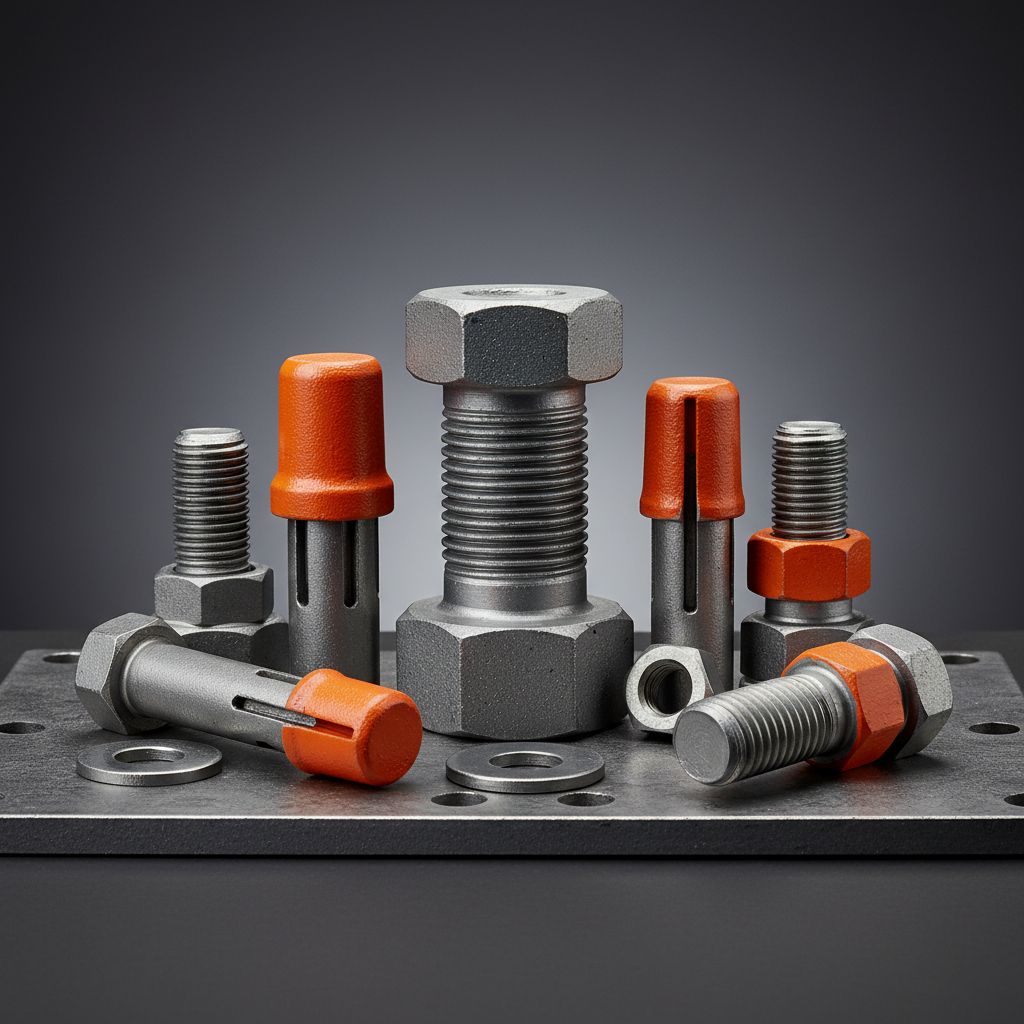
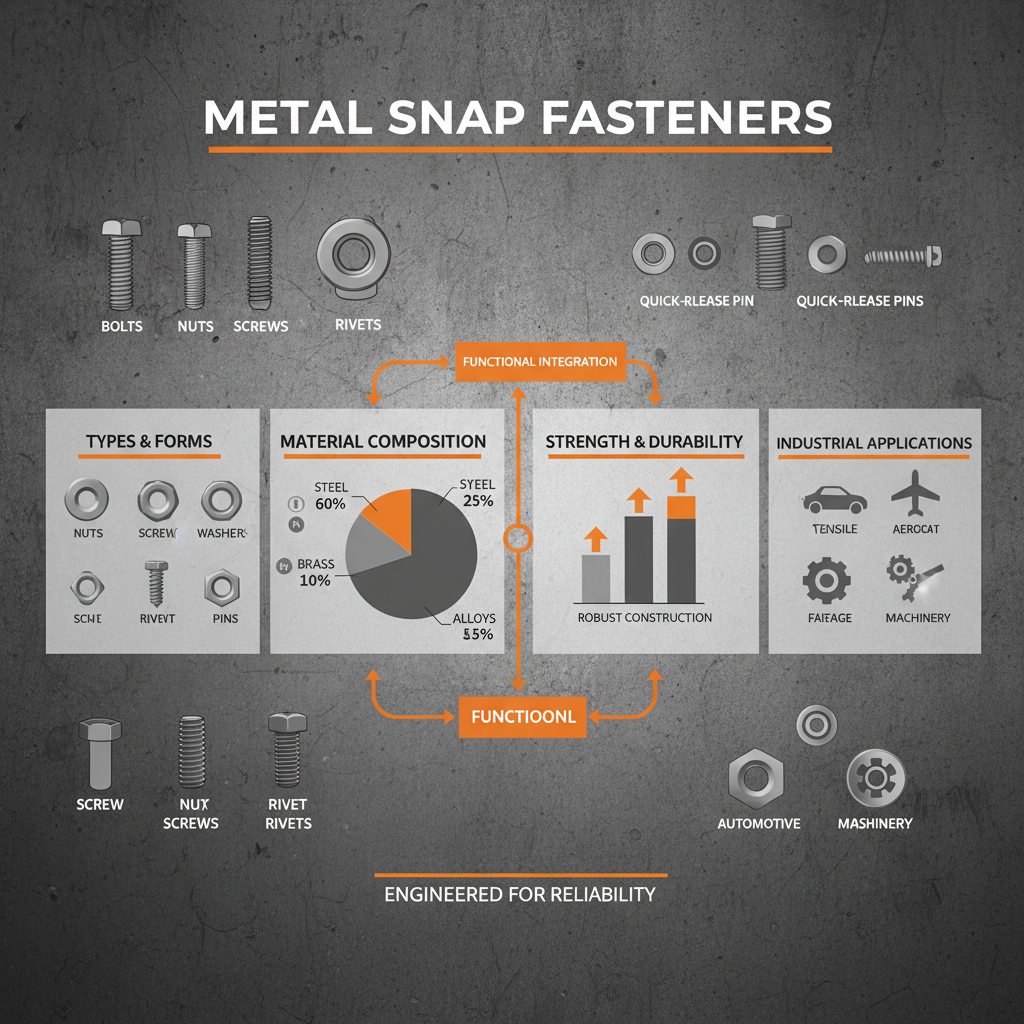
They come in a wide variety of types, including bolts, screws, nuts, washers, and studs, each designed for specific applications. From coarse-threaded wood screws to fine-threaded machine screws, the geometry and material properties are carefully tailored to provide the required clamping force and secure connection.
The development and widespread adoption of stainless steel fasteners are intrinsically linked to the advancements in materials science and the increasing demand for durable, reliable, and aesthetically pleasing joining solutions across industries. They've become essential for applications where failure isn’t an option, offering peace of mind and extended service life.
Key Properties of Stainless Steel Fasteners
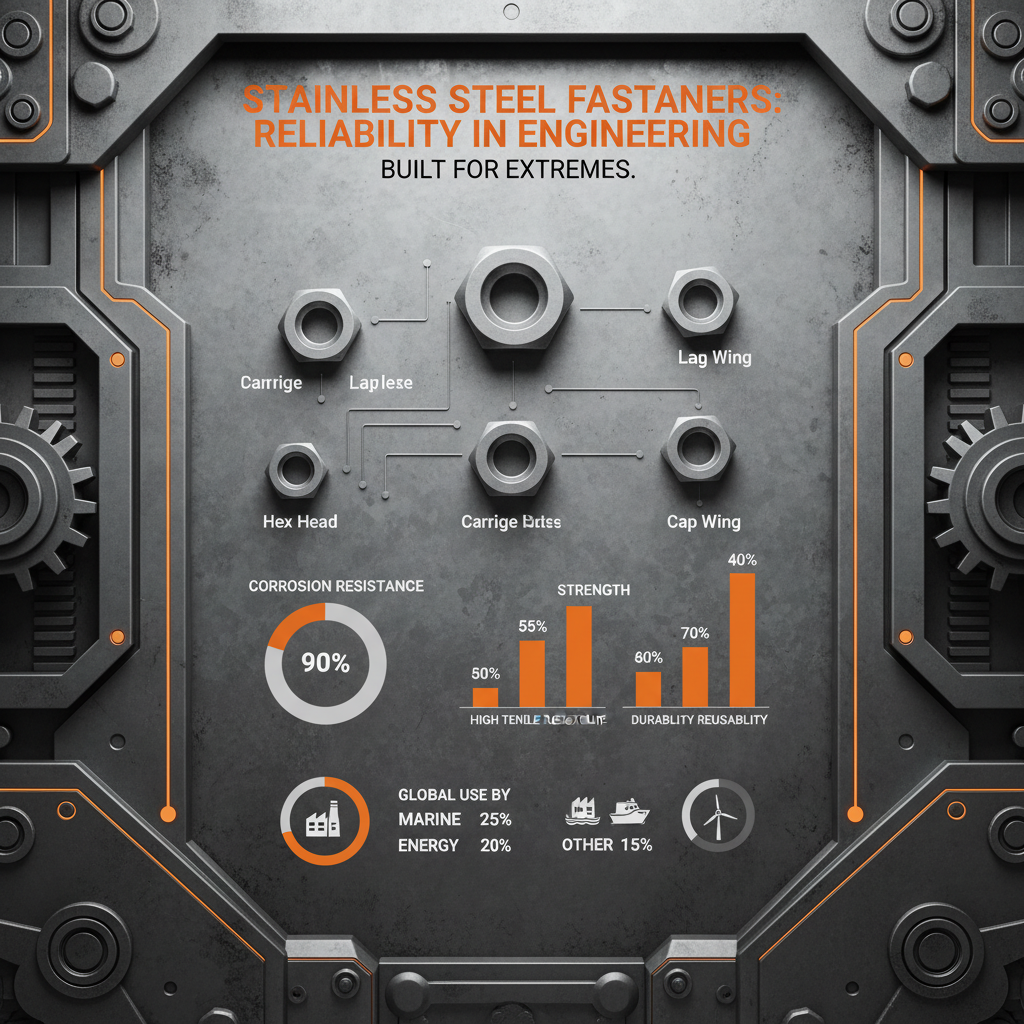
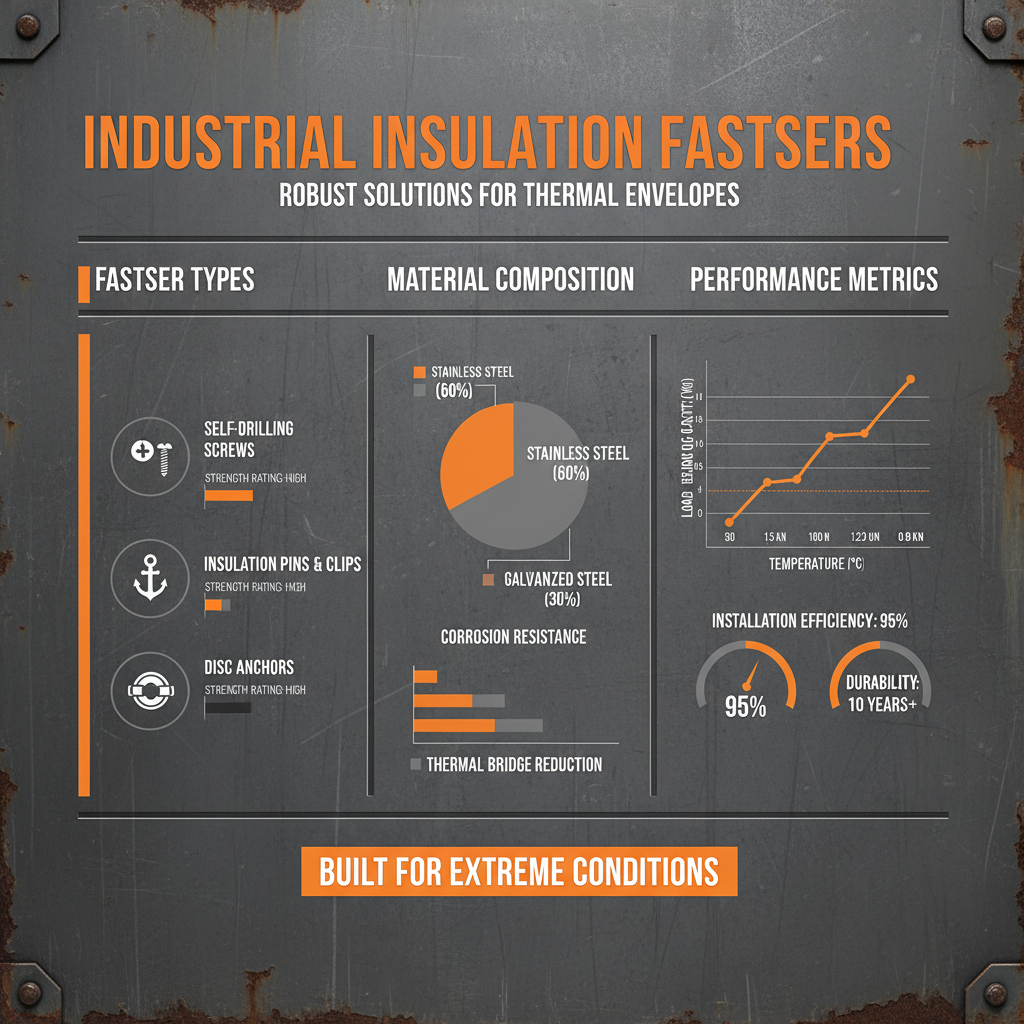
The remarkable performance of stainless steel fasteners stems from a combination of key properties. Foremost is their exceptional corrosion resistance, a direct result of the chromium content forming a passive oxide layer. This prevents rust and degradation, even in highly corrosive environments. Different alloys are optimized for different types of corrosion, such as pitting, crevice corrosion, and stress corrosion cracking.
Another critical property is high tensile strength. Stainless steel alloys maintain significant strength even at elevated temperatures, making them suitable for demanding applications such as high-pressure systems and aerospace components. The specific tensile strength varies with the alloy composition and manufacturing process.
Furthermore, stainless steel exhibits excellent ductility and malleability, allowing fasteners to be formed into complex shapes without fracturing. This property is particularly important for specialized fasteners requiring intricate designs. Finally, the aesthetic appeal of stainless steel, offering a clean and polished appearance, is a significant advantage in visible applications.
Applications Across Industries
The versatility of stainless steel fasteners makes them indispensable across a broad spectrum of industries. In the construction sector, they are vital for securing structural elements in buildings, bridges, and infrastructure projects exposed to weathering and corrosion. The automotive industry relies on them for critical engine and chassis components, ensuring reliability and longevity.
Stainless Steel Fastener Application Breakdown by Industry
Advantages and Long-Term Value
Employing stainless steel fasteners delivers significant long-term value beyond their initial cost. Reduced maintenance is a primary benefit. Because they resist corrosion, they don't require frequent replacement or costly repairs associated with rusted or failed carbon steel fasteners. This translates to lower lifecycle costs, especially in harsh environments.
Sustainability is another key advantage. The longevity of stainless steel fasteners minimizes waste and reduces the environmental impact associated with manufacturing and disposal. Furthermore, stainless steel is often recyclable, contributing to a circular economy.
Future Trends in Stainless Steel Fasteners
Innovation in stainless steel fastener technology is ongoing. Developments in powder metallurgy are enabling the creation of fasteners with enhanced strength and corrosion resistance, as well as complex geometries. Additive manufacturing (3D printing) is also emerging as a viable method for producing customized fasteners on demand, reducing lead times and material waste.
The growing emphasis on sustainability is driving research into bio-based coatings and eco-friendly manufacturing processes. The integration of smart technologies, such as embedded sensors, is also being explored to monitor fastener performance and predict potential failures, further enhancing safety and reliability.
Challenges and Mitigation Strategies
Despite their numerous advantages, stainless steel fasteners face challenges. One common issue is galling – a form of adhesive wear that can occur when fasteners are tightened. Mitigation strategies include using specialized coatings, lubrication, and selecting appropriate stainless steel grades with improved galling resistance.
Another challenge is the higher initial cost compared to carbon steel fasteners. However, this cost is often offset by the reduced maintenance and extended service life. Furthermore, supply chain disruptions and fluctuations in raw material prices can impact availability and cost. Diversifying sourcing and building strong relationships with suppliers are crucial for mitigating these risks.
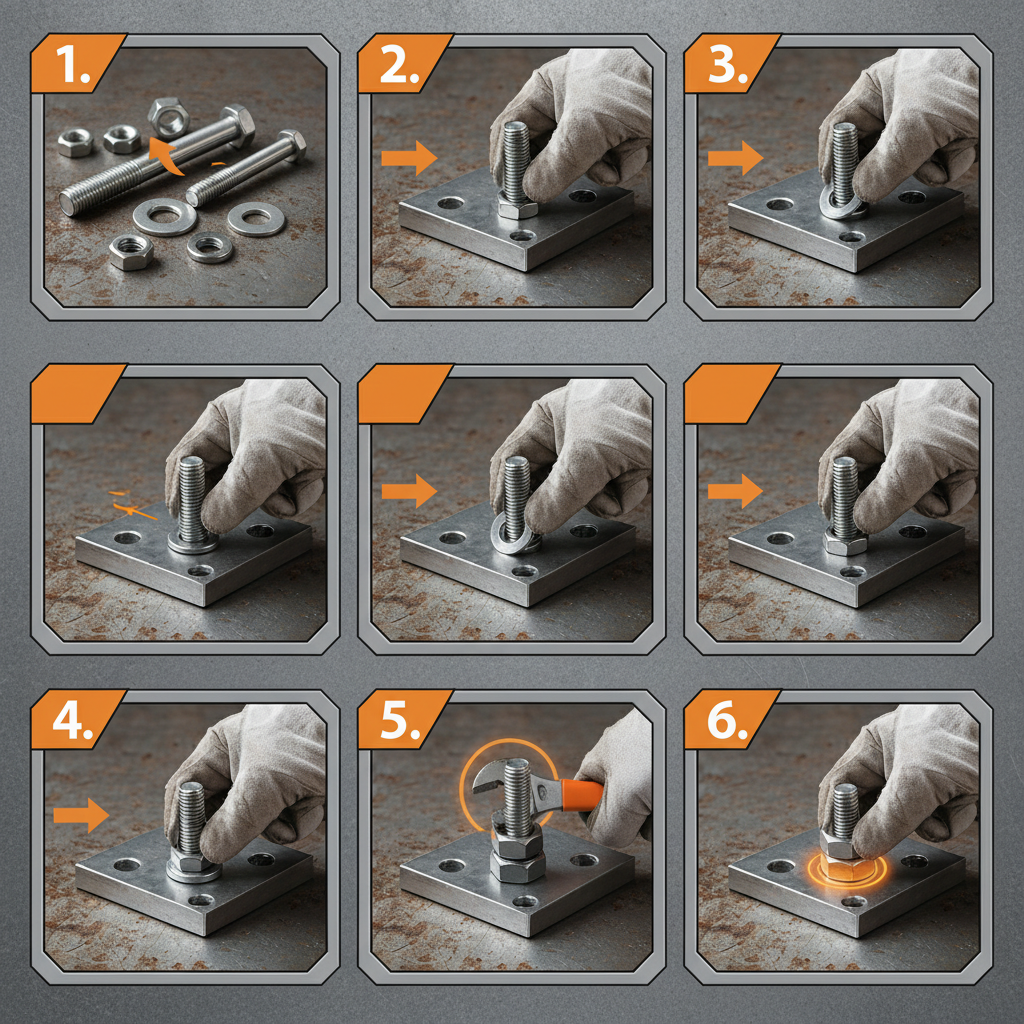
Finally, ensuring proper installation and torque specifications are critical for maximizing performance and preventing failures. Training and adherence to industry best practices are essential.
Common Questions Regarding Stainless Steel Fasteners
| Application |
Stainless Steel Grade |
Corrosion Resistance |
Typical Cost |
| Outdoor Construction |
304/316 |
High |
$0.50 - $2.00/piece |
| Marine Environments |
316/Duplex |
Very High |
$1.00 - $4.00/piece |
| Food Processing |
304L |
High |
$0.60 - $2.50/piece |
| Aerospace Applications |
321/17-4PH |
Moderate to High |
$2.00 - $10.00/piece |
| Chemical Processing |
Alloy 20 |
Exceptional |
$3.00 - $15.00/piece |
| General Industrial |
410 |
Moderate |
$0.30 - $1.50/piece |
FAQS
304 stainless steel is a versatile, general-purpose alloy with excellent corrosion resistance. 316, however, contains molybdenum, which significantly enhances its resistance to chloride corrosion, making it ideal for marine environments and applications exposed to de-icing salts. 316 is generally more expensive but offers superior performance in harsh conditions.
Galling can be minimized by using appropriate lubricants, employing specialized coatings like PTFE, selecting stainless steel grades with improved galling resistance (e.g., austenitic alloys), and ensuring proper torque specifications. Avoiding excessive tightening and using anti-seize compounds can also help prevent galling.
Not all stainless steel fasteners are magnetic. Austenitic stainless steels, like 304 and 316, are generally non-magnetic. However, martensitic grades, such as 410 and 420, are magnetic. The magnetic properties depend on the alloy's microstructure and heat treatment.
Stainless steel fasteners should be cleaned with mild soap and water. Avoid abrasive cleaners or steel wool, as these can damage the protective passive layer. For stubborn stains, use a specialized stainless steel cleaner. Regular cleaning helps maintain corrosion resistance and aesthetic appearance.
Torque specifications vary depending on the fastener size, material, and application. Always refer to the manufacturer's recommendations or industry standards. Overtightening can lead to stripping or galling, while undertightening can result in loosening and failure. Use a calibrated torque wrench for accurate results.
The lifespan of stainless steel fasteners is considerably longer than carbon steel counterparts, often exceeding decades, depending on the environment and application. Proper selection, installation, and maintenance contribute to maximizing their service life. In ideal conditions, they can last indefinitely.
Conclusion
In conclusion, stainless steel fasteners represent a critical component in modern engineering and construction, offering unparalleled corrosion resistance, strength, and durability. Their versatility allows for application in a broad range of industries, from infrastructure to medical devices, contributing to enhanced safety, reduced maintenance costs, and long-term sustainability. Understanding the nuances of stainless steel grades and proper installation techniques is crucial for maximizing their benefits.
Looking ahead, advancements in materials science, manufacturing processes, and smart technologies will further enhance the performance and functionality of stainless steel fasteners. Embracing these innovations and prioritizing sustainable practices will ensure that these essential components continue to play a vital role in building a more resilient and reliable future. For all your stainless steel fasteners needs, explore our comprehensive range of products and expert support.





 English
  Afrikaans
  Arabic
  Bengali
  Bulgarian
  French
  German
  Hindi
Hindi  Indonesian
  Italian
  Japanese
  Korean
  Malay
Malay  Portuguese
  Russian
  Spanish
  Thai
Thai  Turkish
  Urdu
Urdu  Vietnamese