



Industrial fasteners are the unsung heroes of modern civilization, essential components in everything from towering skyscrapers and intricate machinery to the vehicles we drive and the devices we use daily. Their reliability and performance directly impact the safety, longevity, and efficiency of countless structures and systems. Understanding the nuances of industrial fasteners is therefore critical for engineers, manufacturers, and anyone involved in building and maintaining the infrastructure that supports our world.
The global market for industrial fasteners is substantial and continually expanding, driven by growth in construction, automotive, aerospace, and other key industries. According to recent reports, the global industrial fasteners market was valued at over $75 billion in 2023 and is projected to reach upwards of $95 billion by 2030. This growth underscores the fundamental importance of these components in a rapidly developing global economy.
Selecting the correct industrial fasteners isn’t merely about choosing a bolt or screw; it’s about ensuring the integrity of an entire system. A poorly chosen fastener can lead to structural failure, costly repairs, and even catastrophic accidents. This necessitates a deep understanding of material science, load calculations, and environmental factors to make informed decisions.
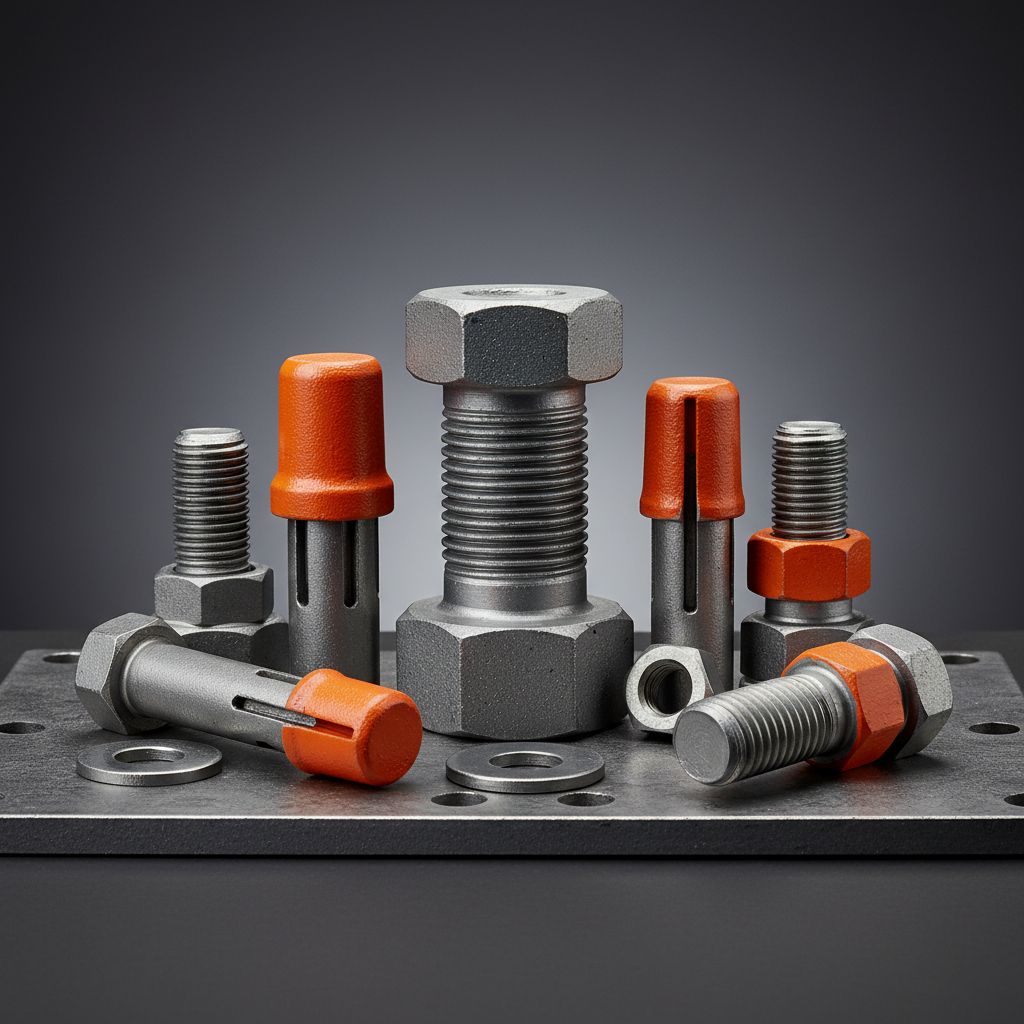
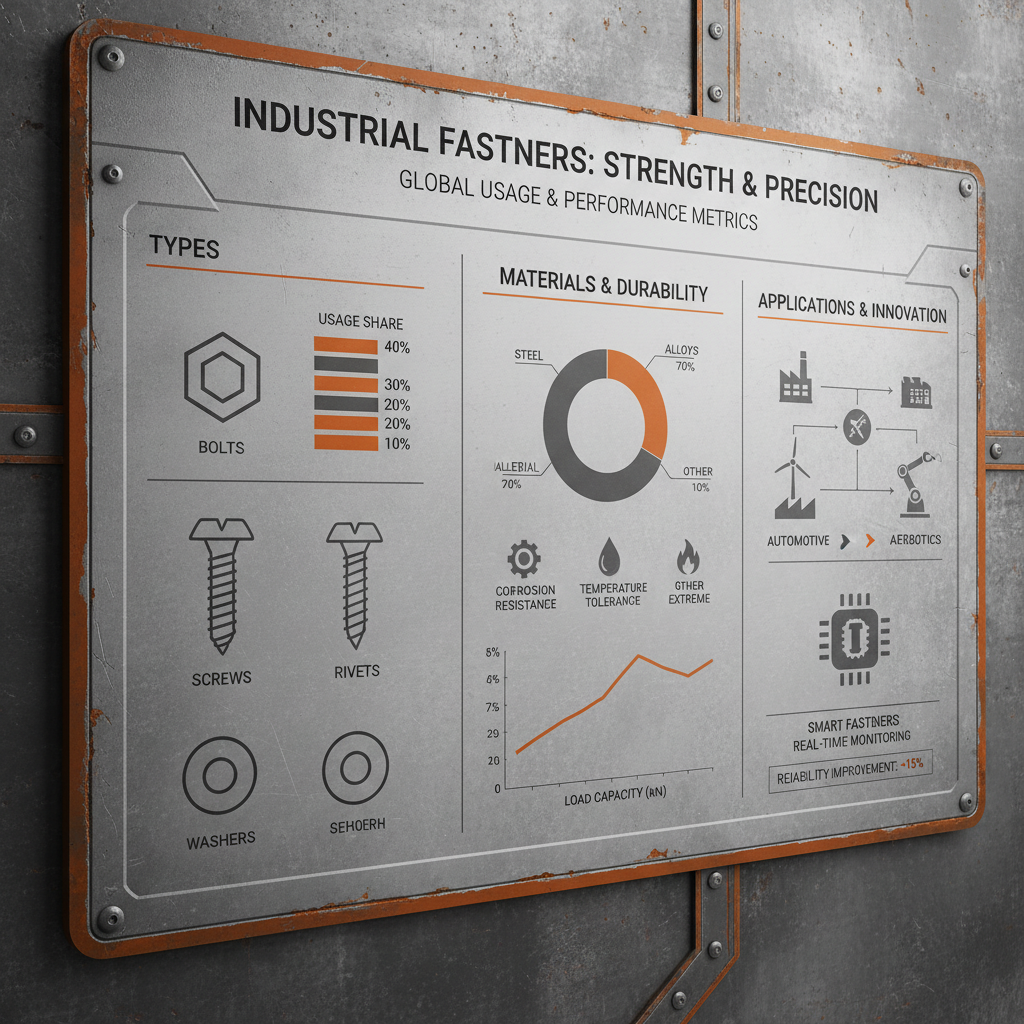
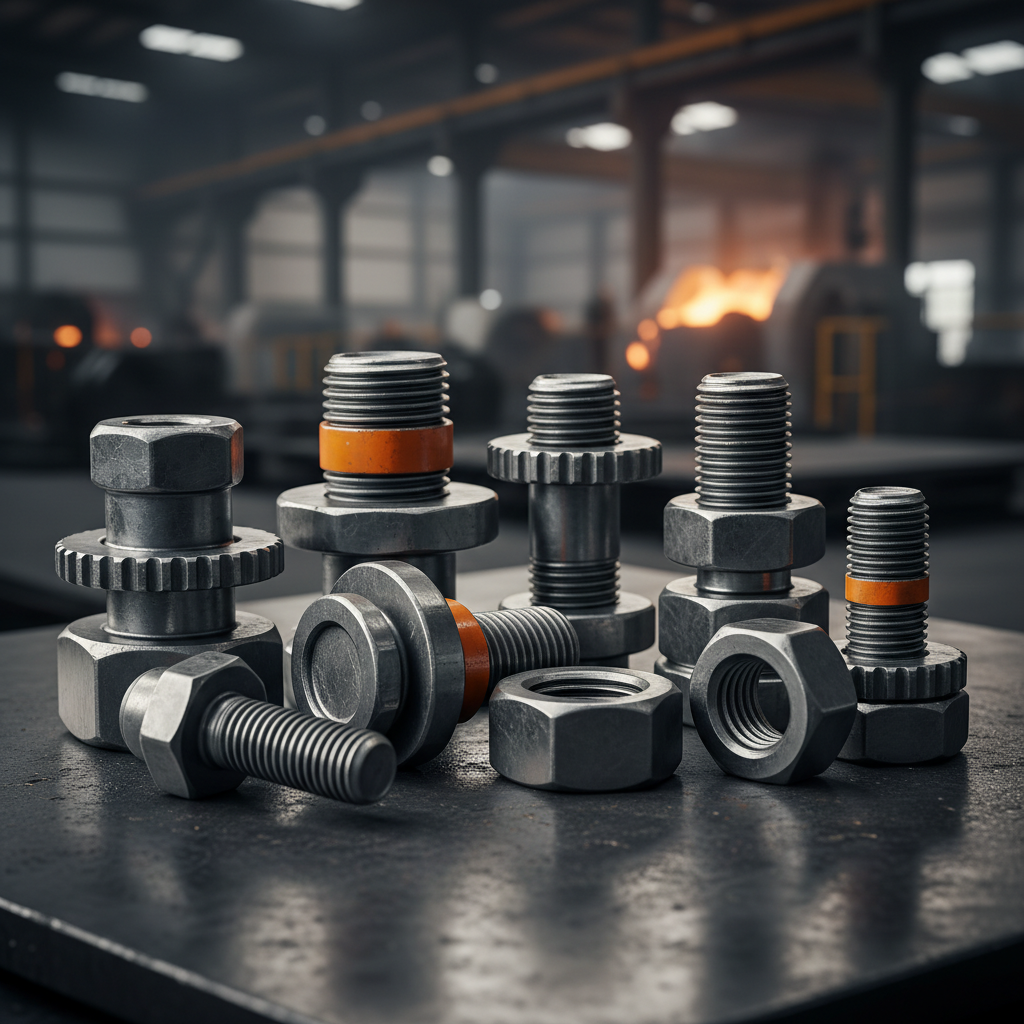
The term 'industrial fasteners' encompasses a broad range of components, including bolts, screws, nuts, washers, rivets, and anchors, all designed to mechanically join materials together. These aren’t simply off-the-shelf items; they are often engineered to specific standards and tolerances to meet the demands of rigorous industrial applications.
The proper application of industrial fasteners is critical for maintaining safety and structural integrity. From ensuring the secure assembly of aircraft components to supporting the foundations of bridges, these seemingly small components play a pivotal role in the function and reliability of large-scale projects. Understanding their specifications and appropriate usage is essential for any professional involved in design, manufacturing, or construction.
When choosing industrial fasteners for high-vibration environments, several factors are critical. Material selection is paramount – high-strength alloys like alloy steel or stainless steel are often preferred. Locking mechanisms, such as lock washers, nylon insert lock nuts, or prevailing torque nuts, are essential to prevent loosening. Additionally, consider the fastener's fatigue resistance and ensure proper torque application to maximize clamp load. It's also advisable to consult industry standards and engineering best practices for specific applications.
Coating types significantly impact corrosion resistance. Zinc plating provides sacrificial protection, corroding before the base metal. Hot-dip galvanizing offers thicker zinc coating and superior protection. Stainless steel coatings provide inherent corrosion resistance. Polymer coatings (e.g., PTFE) offer a barrier against moisture and chemicals. The best choice depends on the specific environment and expected exposure to corrosive agents. Regularly inspecting coatings for damage and reapplying as needed is crucial for maintaining protection.
Common causes of fastener failure include improper material selection, incorrect torque application, fatigue loading, corrosion, and stripping of threads. Overtightening can lead to fastener stretching and eventual failure, while undertightening results in loosening and potential joint separation. Environmental factors like temperature fluctuations and exposure to chemicals can also contribute to degradation. Regular inspections and preventative maintenance are vital to identify and address these issues before they cause catastrophic failures.
Adhering to industry standards like ISO, ASTM, and DIN is crucial for ensuring fastener quality, reliability, and interchangeability. These standards specify material properties, dimensional tolerances, mechanical performance, and testing procedures. Using fasteners that meet these standards guarantees consistent quality and reduces the risk of failures. Compliance also simplifies procurement, inventory management, and facilitates traceability throughout the supply chain.
Temperature significantly impacts fastener performance. Elevated temperatures can reduce the strength and preload of fasteners, potentially leading to loosening or failure. Conversely, low temperatures can increase brittleness, making fasteners more susceptible to fracture. The coefficient of thermal expansion differences between the fastener and the joined materials can also induce stresses. Choosing materials appropriate for the operating temperature range and accounting for thermal expansion is critical for maintaining joint integrity.
Several emerging trends focus on sustainability. Biodegradable and bio-based fasteners are gaining traction for temporary applications. Reducing the use of hazardous chemicals in coatings and manufacturing processes is also a priority. Recycled materials are increasingly being incorporated into fastener production. Furthermore, optimizing fastener designs to reduce material consumption and utilizing life-cycle assessment (LCA) to evaluate environmental impacts are becoming standard practices.
Industrial fasteners are indispensable components in modern infrastructure and manufacturing, silently ensuring the safety, reliability, and efficiency of countless systems. From their stringent material requirements and adherence to global standards to the increasing focus on sustainability and smart technologies, the world of industrial fasteners is continuously evolving. A comprehensive understanding of these elements is essential for professionals across diverse industries.
Looking ahead, continued innovation in materials science, manufacturing processes, and data-driven monitoring will further enhance the performance and longevity of industrial fasteners. By embracing these advancements, we can build a more resilient, sustainable, and technologically advanced future. For high-quality, reliable industrial fasteners and expert guidance, visit our website today.


 English
  Afrikaans
  Arabic
  Bengali
  Bulgarian
  French
  German
  Hindi
Hindi  Indonesian
  Italian
  Japanese
  Korean
  Malay
Malay  Portuguese
  Russian
  Spanish
  Thai
Thai  Turkish
  Urdu
Urdu  Vietnamese