Insulation fasteners are critical components in a wide range of construction and industrial applications, playing a vital role in enhancing energy efficiency, structural integrity, and overall building performance. They secure insulation materials to various surfaces, minimizing heat transfer and reducing energy consumption, contributing significantly to sustainability efforts globally. These fasteners are often overlooked, but their proper selection and installation are paramount to the effectiveness of any insulation system.
The global demand for effective insulation solutions is steadily increasing, driven by stringent building codes, growing awareness of energy conservation, and the rising costs of energy. This demand translates directly to a greater need for reliable and high-performing insulation fasteners. From residential buildings and commercial complexes to industrial facilities and infrastructure projects, the correct fastener ensures optimal insulation performance, contributing to reduced carbon footprints and cost savings.
Understanding the nuances of insulation fasteners – their materials, types, and appropriate applications – is no longer simply a matter of construction expertise; it’s becoming crucial for architects, engineers, contractors, and homeowners alike, as they strive to create more sustainable and energy-efficient environments. Proper use leads to improved comfort, lower utility bills, and a reduced impact on the planet.
The Importance of Insulation Fasteners
The significance of insulation fasteners extends far beyond simply holding insulation in place. They’re integral to creating a complete and effective thermal envelope, preventing energy loss and maintaining consistent interior temperatures. Without proper fastening, insulation can shift, compress, or even detach, significantly reducing its performance and negating the investment made in the material itself.
High-quality insulation fasteners are engineered to withstand environmental stresses, such as temperature fluctuations, moisture exposure, and even seismic activity, ensuring long-term reliability and preventing premature failure of the insulation system. Choosing the right fastener for the application is crucial for maximizing energy savings and maintaining a comfortable indoor environment.
Defining Insulation Fasteners
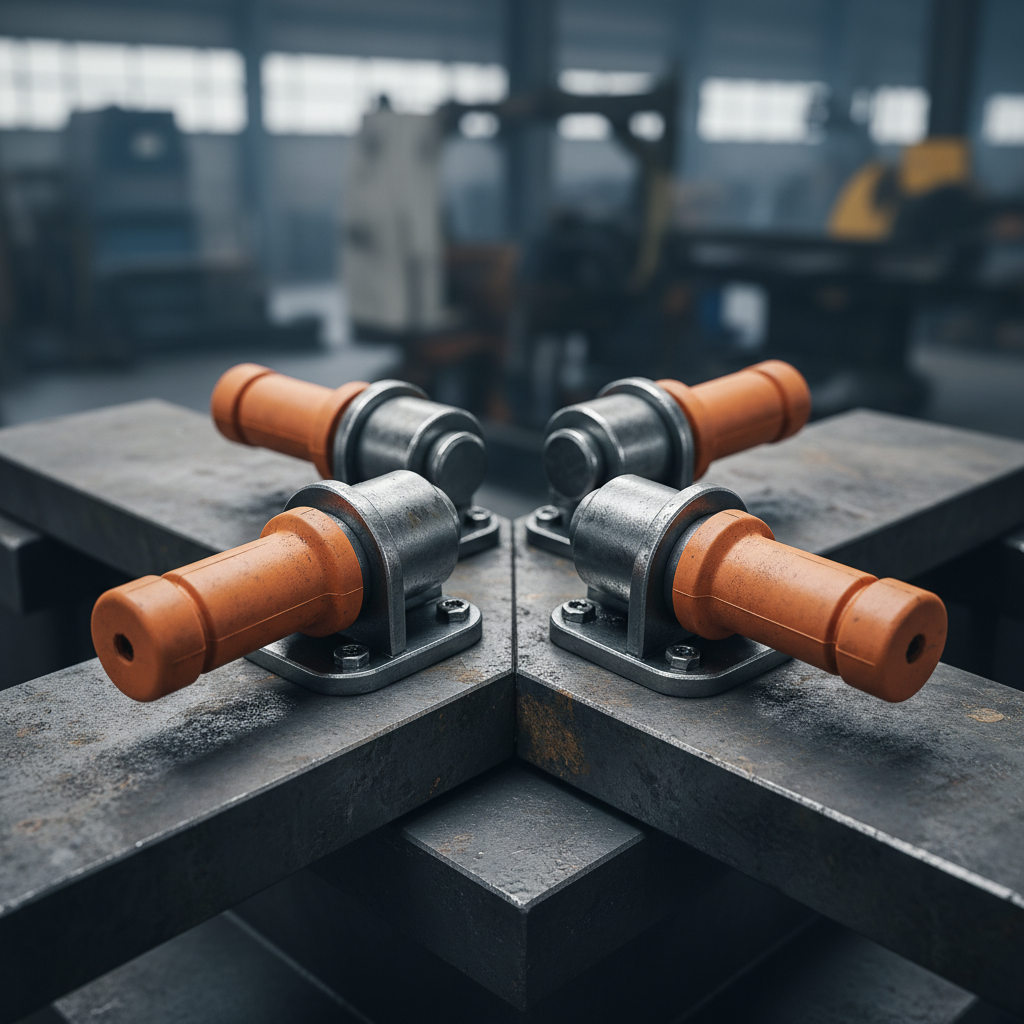
Insulation fasteners are mechanical components specifically designed to securely attach insulation materials – such as fiberglass, mineral wool, foam boards, and spray foam – to building structures. They come in a variety of types, including screws, nails, staples, clips, and specialized fastening systems, each tailored to different insulation materials and substrate types.
Essentially, they bridge the gap between the insulation and the supporting structure (wood, metal, concrete), creating a tight and durable connection that prevents air infiltration and maximizes thermal performance. Unlike general-purpose fasteners, insulation fasteners are often constructed from materials that resist corrosion and are designed to minimize thermal bridging, maintaining the integrity of the insulation barrier.
In modern industry, the role of insulation fasteners is becoming increasingly important, particularly in sectors focused on energy efficiency and sustainability. They are integral to meeting stringent building codes and achieving LEED certification, making them a critical component of green building practices.
Key Characteristics of Effective Fasteners
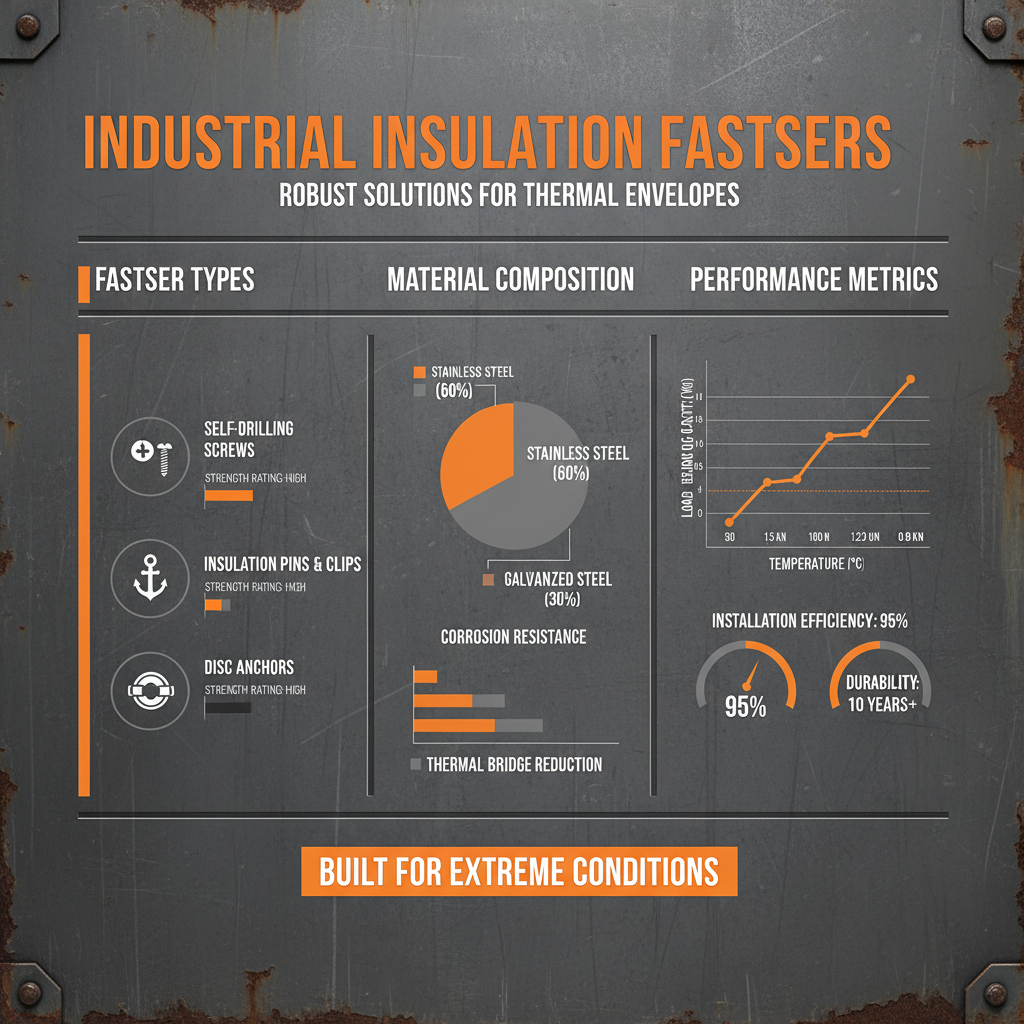
Effective insulation fasteners possess several key characteristics. Firstly, they must provide sufficient holding strength to withstand both static and dynamic loads, ensuring the insulation remains securely in place over its lifespan. Secondly, compatibility with both the insulation material and the substrate is essential to prevent damage or degradation.
Corrosion resistance is another vital factor, particularly in environments with high humidity or exposure to harsh chemicals. Fasteners made from materials like stainless steel, galvanized steel, or specialized polymers are preferred for such applications. Finally, thermal conductivity should be minimized to prevent thermal bridging – the transfer of heat through the fastener itself, which can compromise the insulation’s performance.
Selecting fasteners with appropriate head designs is also crucial for optimizing performance. For example, wide-head fasteners distribute pressure more evenly, reducing the risk of crushing or damaging delicate insulation materials, while specialized head shapes can provide a more secure grip on metal substrates.
Factors Influencing Performance
Several factors significantly impact the performance of insulation fasteners. The type of insulation material being used is paramount, as different materials require different fastening methods. For example, rigid foam boards often necessitate specialized clips or screws with large washers to distribute the load, while fiberglass batts can be secured with staples or friction fit fasteners.
The substrate material also plays a critical role. Fastening into wood framing requires different techniques than fastening into metal studs or concrete walls. Furthermore, environmental conditions, such as temperature and humidity, can affect the fastener’s holding power and corrosion resistance, making proper material selection even more important.
Performance Comparison of Different insulation fasteners Types
Global Applications and Industries Served
Insulation fasteners are integral to a vast array of industries and applications worldwide. In the construction sector, they are essential for residential, commercial, and industrial buildings, ensuring effective thermal regulation and reducing energy consumption. They play a crucial role in complying with increasingly stringent energy codes and achieving green building certifications.
Beyond construction, insulation fasteners are also widely used in the HVAC industry to secure ductwork insulation, reducing heat loss and improving system efficiency. They’re critical components in refrigeration and freezer units, ensuring consistent temperatures and minimizing energy waste. In post-disaster relief operations, insulation fasteners can be used in the construction of temporary shelters, providing essential thermal comfort to displaced populations.
The Long-Term Benefits of Quality Fasteners
Investing in high-quality insulation fasteners yields significant long-term benefits. Reduced energy consumption translates directly into lower utility bills for building owners and occupants, creating substantial cost savings over the lifespan of the structure. Improved insulation performance also contributes to a more comfortable indoor environment, enhancing occupant productivity and well-being.
Furthermore, durable and corrosion-resistant fasteners minimize the need for maintenance and replacement, reducing lifecycle costs and ensuring long-term reliability. By preventing air infiltration and moisture intrusion, they also help protect building materials from damage, extending the overall lifespan of the structure. The peace of mind knowing the insulation system is secure and performing optimally is an invaluable benefit.
Future Trends and Innovations in Insulation Fasteners
The future of insulation fasteners is poised for significant innovation. Researchers are actively developing new materials and designs that offer even greater holding power, corrosion resistance, and thermal performance. Smart fasteners equipped with sensors are also emerging, allowing for real-time monitoring of insulation system integrity and early detection of potential problems.
Sustainability is driving a shift towards eco-friendly fastener materials and manufacturing processes. Bio-based polymers and recycled metals are gaining traction as alternatives to traditional materials, reducing the environmental impact of fastener production. Automation and robotic installation systems are also being developed to improve efficiency and reduce labor costs.
These advancements align with the broader trends of green energy, digital transformation, and sustainable construction, positioning insulation fasteners as a crucial element in building a more resilient and energy-efficient future.
Summary of Key Areas for Improvement in Insulation Fastener Technology
| Material Composition |
Corrosion Resistance |
Installation Efficiency |
Thermal Bridging |
| Bio-based polymers |
Advanced coatings |
Automated tools |
Low-conductivity materials |
| Recycled metals |
Galvanic protection |
Ergonomic designs |
Optimized head geometry |
| Composite materials |
Stainless steel alloys |
Quick-connect systems |
Reduced fastener size |
| Reinforced plastics |
Ceramic coatings |
Pre-assembled kits |
Air gap integration |
| Nanomaterial integration |
Passivation treatments |
Remote monitoring |
Insulating spacers |
| Self-healing polymers |
Smart corrosion sensors |
AI-powered installation |
Minimizing metal contact |
FAQS
The optimal fastener choice is highly dependent on the insulation material. For example, rigid foam boards typically require fasteners with large washers to distribute load, while fibrous insulation like fiberglass works well with staples or friction-fit fasteners. Always consult the insulation manufacturer’s recommendations for approved fastener types and ensure compatibility to maintain thermal performance and structural integrity. Choosing the right insulation fasteners is essential.
Corrosion is a significant concern in humid environments. Selecting fasteners made from corrosion-resistant materials like stainless steel, galvanized steel, or specialized polymers is crucial. Additionally, consider applying protective coatings or using sacrificial anodes to further mitigate corrosion risk. Proper installation techniques, such as avoiding direct contact between dissimilar metals, can also help prolong fastener lifespan.
Thermal bridging occurs when heat bypasses the insulation layer through more conductive materials, like metal fasteners. To minimize thermal bridging, choose fasteners with low thermal conductivity, use plastic or composite fasteners where appropriate, and ensure proper insulation coverage around the fastener location. Optimizing fastener spacing and using thermal breaks can also reduce heat transfer and maintain insulation effectiveness.
When fastening insulation to metal structures, consider factors like the metal gauge, the type of metal (steel, aluminum), and the potential for galvanic corrosion. Self-drilling screws with specialized coatings are often preferred for metal applications. Ensuring a secure grip without damaging the metal substrate is critical. Proper pre-drilling and fastener torque are also essential for optimal performance.
Fastener spacing directly impacts the insulation’s ability to maintain its shape and prevent air gaps. Too little spacing can lead to insulation compression or sagging, while too much spacing can allow the insulation to shift and lose its effectiveness. Follow manufacturer's recommendations for optimal spacing based on the insulation type, substrate, and environmental conditions. Proper spacing ensures a consistent thermal barrier.
Yes, several innovative solutions are emerging. Pneumatic and automated fastening tools can significantly reduce installation time and labor costs. Pre-assembled fastener kits and self-adhesive fasteners also streamline the installation process. Furthermore, exploring alternative fastening methods, like clip systems and adhesive bonding, can offer efficiency gains depending on the application.
Conclusion
Insulation fasteners are far more than just simple connectors; they are integral components of effective thermal management, energy efficiency, and sustainable building practices. From their crucial role in reducing energy consumption and lowering utility costs to ensuring the long-term performance and durability of insulation systems, their importance cannot be overstated. Properly selecting and installing the right insulation fasteners is an investment in comfort, cost savings, and a greener future.
As building codes become more stringent and sustainability concerns grow, innovation in fastener technology will continue to accelerate. Embracing new materials, designs, and installation techniques is essential for maximizing the benefits of insulation and creating high-performing, energy-efficient buildings. We encourage you to explore the latest advancements and choose solutions that meet the specific needs of your project. Visit our website at www.lzfasteners.com to learn more.






 English
  Afrikaans
  Arabic
  Bengali
  Bulgarian
  French
  German
  Hindi
Hindi  Indonesian
  Italian
  Japanese
  Korean
  Malay
Malay  Portuguese
  Russian
  Spanish
  Thai
Thai  Turkish
  Urdu
Urdu  Vietnamese