Toggle fasteners, seemingly simple components, play a crucial role in a vast array of applications across the globe. Their ability to provide secure, reliable, and often rapidly deployable fastening solutions makes them indispensable in industries ranging from aerospace and automotive to construction and even disaster relief. Understanding the nuances of toggle fasteners – their strengths, limitations, and evolving technologies – is becoming increasingly important in a world demanding efficiency, resilience, and innovative engineering solutions.
The global market for fasteners, including toggle fasteners, is substantial and continues to grow, driven by infrastructure development, manufacturing output, and a rising demand for specialized fastening solutions. Reports from organizations like the World Bank and the UN highlight the ongoing need for durable and adaptable building materials and components, particularly in rapidly developing nations. Toggle fasteners address a critical challenge: providing robust connections in scenarios where traditional fastening methods are impractical or insufficient.
At its core, the beauty of the toggle fastener lies in its simplicity and effectiveness. It’s a mechanism that converts a linear pulling force into a clamping force, enabling secure fastening even in hollow materials or where access is limited. This makes toggle fasteners particularly valuable in modern manufacturing and assembly processes, offering a lightweight and efficient alternative to heavier, more complex fastening systems. You can find a wide range of these solutions from suppliers like toggle fasteners.
The Fundamentals of Toggle Fasteners
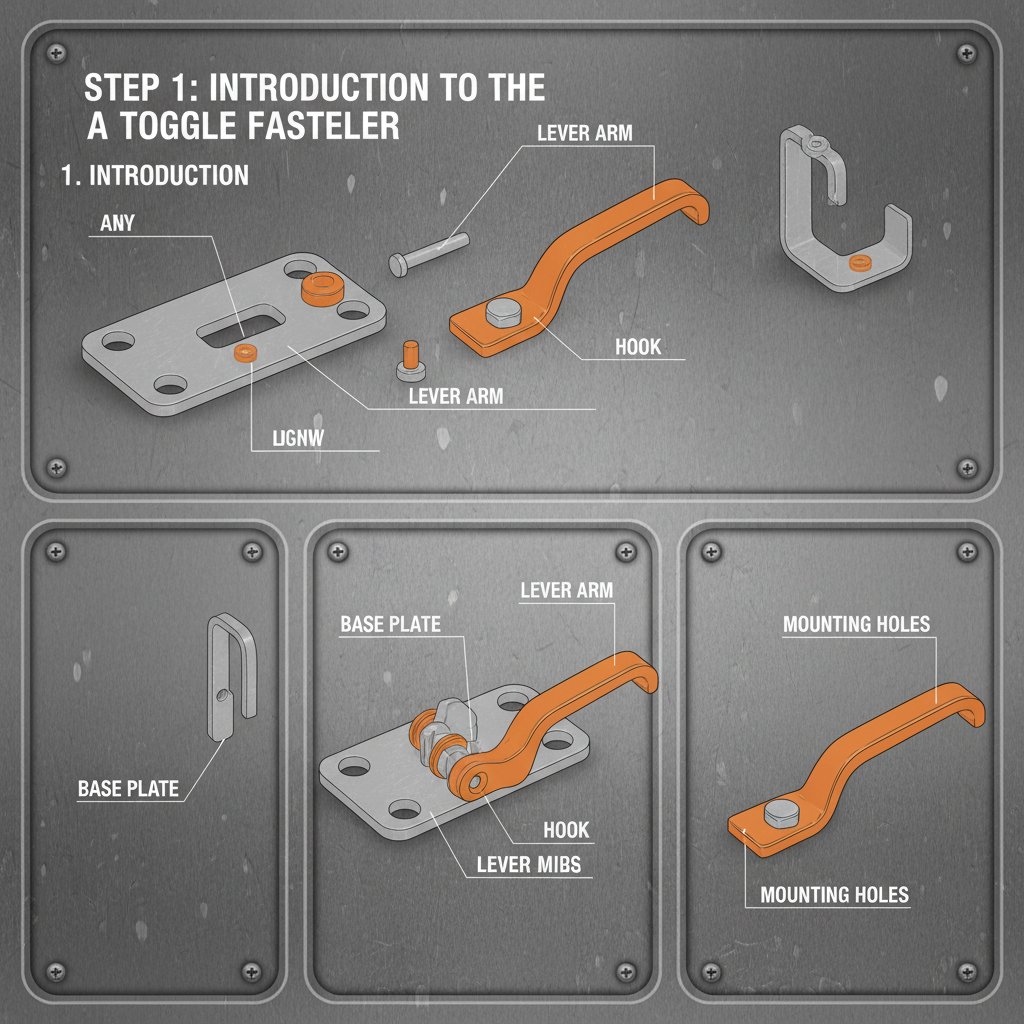
The core principle behind a toggle fastener is its unique geometry. It utilizes a pivoting action, often involving a U-shaped body or a series of linked components, to translate linear force into a robust clamping force. This design allows for high pull-out resistance even in materials that are inherently weak or difficult to fasten with conventional methods.
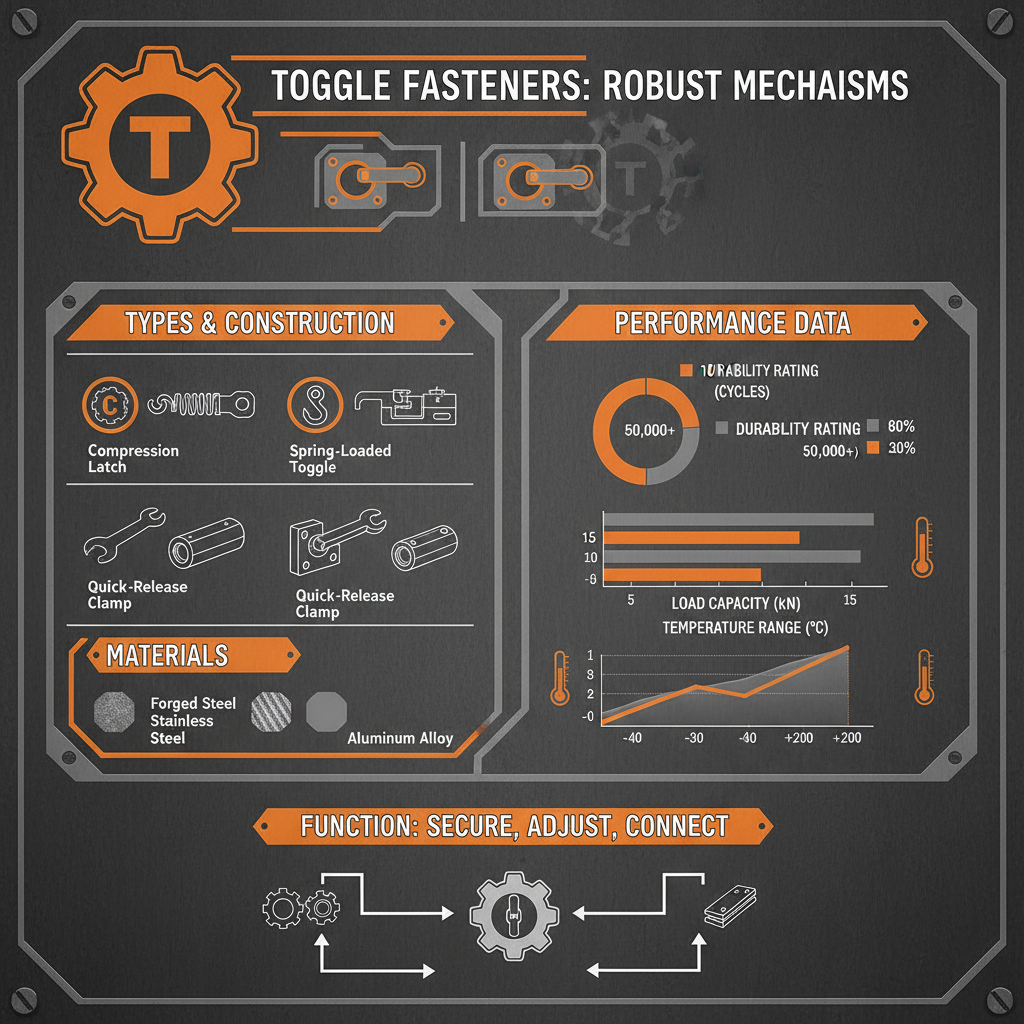
The materials used in toggle fastener construction vary depending on the application, ranging from high-strength steel and aluminum alloys to durable polymers. Selecting the right material is critical, considering factors such as load requirements, environmental conditions, and corrosion resistance. Providers like toggle fasteners specialize in material selection guidance.
Global Relevance and Industry Impact
Toggle fasteners are integral to numerous global industries. The aerospace sector relies heavily on them for lightweight, secure panel attachment. The automotive industry employs them for interior trim and component assembly. Furthermore, the construction industry benefits from their rapid installation and high strength, especially in pre-fabricated structures and composite materials. The overall fastener market is estimated to exceed $80 billion globally, with specialized fasteners like toggle types representing a significant and growing segment.
The demand for these fasteners is particularly pronounced in regions undergoing rapid industrialization, such as Asia-Pacific and South America, where infrastructure projects and manufacturing output are expanding. These regions often require efficient and cost-effective fastening solutions, making toggle fasteners a particularly attractive option.
The increasing focus on lightweighting in transportation – driven by fuel efficiency and emissions regulations – further elevates the importance of toggle fasteners. They offer a high strength-to-weight ratio, allowing manufacturers to reduce overall vehicle weight without compromising structural integrity.
Defining Toggle Fasteners and Their Applications
Simply put, a toggle fastener is a two-part or multi-part fastening system that utilizes a toggle action to create a strong clamping force. Unlike traditional screws or bolts that rely on threads, toggle fasteners employ a mechanical linkage to achieve a secure hold. This is especially beneficial when dealing with materials that can’t easily be threaded or where access is limited to one side of the joint.
Their versatility extends to applications requiring frequent disassembly and reassembly, making them ideal for access panels, maintenance hatches, and components requiring regular inspection. They’re also widely used in situations where vibration is a concern, as the toggle action provides inherent resistance to loosening. For example, toggle fasteners are vital for securing aircraft interior panels.
Beyond industrial applications, toggle fasteners are increasingly found in consumer products, from luggage and briefcases to marine hardware and recreational equipment. Their ease of use, reliability, and relatively low cost make them a practical choice for a wide range of fastening needs.
Key Characteristics of Effective Toggle Fasteners
Several key characteristics define a high-quality, effective toggle fastener. First and foremost is its strength – the ability to withstand significant tensile and shear forces without failure. This is directly related to the material used and the precision of the manufacturing process.
Secondly, durability is crucial, particularly in harsh environments. Corrosion resistance and resistance to wear and tear are essential for long-term reliability. Thirdly, ease of installation contributes to reduced assembly times and lower labor costs. Finally, versatility - the ability to adapt to various material thicknesses and application requirements - expands their usability.
Toggle Fastener Performance Metrics
Real-World Applications of Toggle Fasteners
In the aerospace industry, toggle fasteners ensure secure access panel closures, contributing to aircraft safety and efficient maintenance. Similarly, within the automotive sector, they are employed for securing interior trim panels and components, offering ease of access for repairs and upgrades. Beyond these prominent applications, toggle fasteners are also crucial in marine environments, where corrosion resistance is paramount.
Post-disaster relief efforts also benefit from the quick and reliable fastening offered by toggle fasteners. They can be used in the construction of temporary shelters and the securing of emergency equipment, proving invaluable in time-sensitive situations.
Advantages and Long-Term Value Proposition
The advantages of using toggle fasteners are multi-faceted. From a cost perspective, they often represent a more economical solution than traditional fastening methods, particularly when considering the reduced assembly time and potential for simplified tooling. Their inherent durability contributes to a longer lifespan, reducing the need for frequent replacements and minimizing maintenance costs.
Beyond the economic benefits, toggle fasteners contribute to improved safety and reliability in critical applications. Their secure hold reduces the risk of component failure and enhances overall structural integrity. They also offer a degree of design flexibility, allowing engineers to create innovative fastening solutions tailored to specific requirements.
Future Trends and Innovation in Toggle Fastener Technology
The future of toggle fastener technology is driven by advancements in materials science and manufacturing processes. We're seeing the development of lighter, stronger, and more corrosion-resistant alloys specifically designed for toggle fastener applications. Additive manufacturing (3D printing) is also opening up new possibilities for creating customized toggle fasteners with complex geometries.
Sustainability is another key trend, with manufacturers increasingly focused on using recycled materials and reducing their environmental footprint. The integration of smart technologies – such as embedded sensors for monitoring fastener stress and torque – is also on the horizon, enabling predictive maintenance and improved reliability. The team at toggle fasteners is at the forefront of many of these innovations.
Furthermore, increased automation in assembly lines will necessitate toggle fasteners that are easily handled by robotic systems, driving demand for standardized designs and automated installation tools.
Summary of Challenges and Potential Solutions for Toggle Fasteners
| Challenge |
Impact on Application |
Potential Solution |
Implementation Cost (1-10) |
| Material Degradation |
Reduced lifespan, compromised structural integrity |
Utilize corrosion-resistant alloys or protective coatings |
6 |
| Vibration-Induced Loosening |
Potential for component failure or safety hazards |
Implement locking mechanisms or vibration-dampening materials |
7 |
| Manufacturing Tolerances |
Inconsistent performance or assembly difficulties |
Implement stringent quality control measures and precision machining |
5 |
| Limited Load Capacity |
Restricts application in high-stress environments |
Optimize toggle geometry or utilize higher-strength materials |
8 |
| Assembly Complexity |
Increased labor costs and assembly time |
Design for ease of assembly and explore automated installation methods |
4 |
| Material Selection Challenges |
Compromised performance in specific environments |
Conduct thorough material compatibility analysis |
3 |
FAQS
Toggle fasteners offer several advantages, including easier installation, particularly in hollow structures where threading is difficult. They also provide high pull-out resistance and can be more cost-effective for high-volume applications. Furthermore, they’re generally lighter than traditional bolted connections, which is critical in weight-sensitive industries like aerospace and automotive. They reduce stress concentration which can cause weakening of the material over time.
Toggle fasteners are commonly made from a variety of materials, including steel (carbon steel, stainless steel), aluminum alloys, and engineered polymers. The choice of material depends on the specific application requirements, such as strength, corrosion resistance, and temperature tolerance. Stainless steel is preferred for marine environments, while aluminum alloys are often used in aerospace applications due to their lightweight properties.
Determining the correct size involves considering several factors, including the material thickness, the required shear and tensile strength, and the hole diameter. Manufacturers typically provide load charts and sizing guides to assist in the selection process. It's crucial to ensure that the fastener's capacity exceeds the anticipated loads to maintain a safety factor. Consulting with a fastener specialist is recommended for complex applications.
Yes, toggle fasteners can be effectively used in vibration-prone environments, provided appropriate measures are taken. Locking mechanisms, such as cotter pins or locking wire, can be employed to prevent loosening due to vibration. Selecting fasteners with a tight tolerance and using vibration-dampening materials can also improve their performance in these conditions. Properly installed toggle fasteners offer a degree of inherent vibration resistance.
The lifespan of a toggle fastener depends heavily on the application, the materials used, and the environmental conditions. With proper material selection and installation, toggle fasteners can provide reliable service for many years. Regular inspection and maintenance can further extend their lifespan. Corrosion, excessive loads, and improper installation are common factors that can shorten their service life.
Several reputable suppliers specialize in toggle fasteners, offering a wide range of sizes, materials, and configurations. It’s important to choose a supplier with a proven track record of quality and reliability. toggle fasteners is a trusted provider known for their extensive product selection and technical expertise.
Conclusion
Toggle fasteners represent a versatile and essential component in a diverse range of industries. Their unique ability to provide secure, reliable, and often rapid fastening solutions makes them invaluable in applications ranging from aerospace and automotive to construction and disaster relief. The advantages they offer – including cost-effectiveness, durability, and ease of installation – contribute to improved efficiency, safety, and overall product performance.
Looking ahead, advancements in materials science, manufacturing processes, and smart technologies will continue to drive innovation in toggle fastener technology. By embracing these advancements, engineers and manufacturers can unlock even greater potential for these seemingly simple yet remarkably effective fastening solutions. For cutting-edge solutions and expert guidance, visit us at toggle fasteners.






 English
  Afrikaans
  Arabic
  Bengali
  Bulgarian
  French
  German
  Hindi
Hindi  Indonesian
  Italian
  Japanese
  Korean
  Malay
Malay  Portuguese
  Russian
  Spanish
  Thai
Thai  Turkish
  Urdu
Urdu  Vietnamese