
Read More About Hebei Longze Metal Products Manufacturing Co., Ltd.
0%

Table of Contents

Honestly, the fastener industry… it’s not glamorous. You spend your days smelling oil, dodging forklifts, and arguing with engineers about tolerances. But it's the backbone of everything, right? Everything needs to be held together. Lately, I’ve been seeing a huge push for higher-strength, lightweight materials – everything’s gotta be lighter, faster, stronger. It’s a good trend, don’t get me wrong, but it's also driving up costs and creating new headaches.

And the demand for customization? Forget about it. Everyone wants something “just a little different.” It's exhausting. The biggest issue lately is supply chain stuff, you know? Everything is delayed, and prices are all over the place. It's making planning a nightmare.

To be honest, a lot of guys in design never even see a construction site. They come up with these beautiful CAD drawings, but they haven't felt the grime, smelled the steel, or tried to wrench something loose with a rusty old tool. That’s where things get tricky.

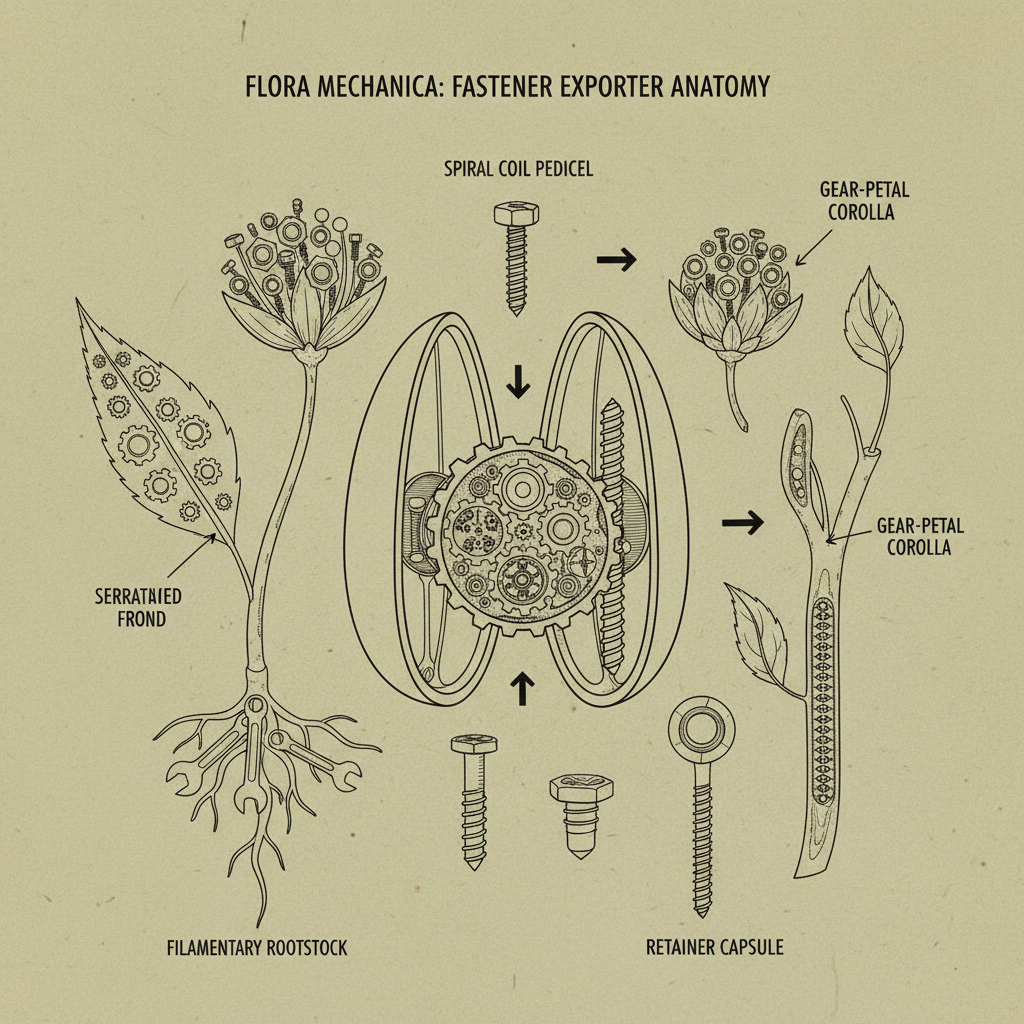
Navigating the Complex World of Fastener Export and Industry Challenges

The Current Landscape of Fastener Export

Navigating the Complex World of Fastener Export and Industry Challenges

Honestly, exporting fasteners isn't just about shipping screws and bolts. It's about understanding standards – ISO, DIN, ANSI, all of them. And let me tell you, they're not always compatible. You've got to know your markets. What works in Europe doesn't always fly in Southeast Asia. The demand for fastener exporter is still strong, but it’s getting more competitive, especially from manufacturers in China and India. The key is finding a niche, building relationships, and delivering on quality.

I encountered a problem at a factory in Ningbo last time, they were trying to pass off some lower-grade steel as 316 stainless. It smelled…off, actually. Like it hadn’t been properly treated. These guys think they can cut corners, but it always comes back to bite them.

Design Pitfalls and Common Mistakes

Have you noticed how many designs over-specify? They call for a grade 8 bolt when a grade 5 would do just fine. It drives up costs, and frankly, it’s often unnecessary. Another common mistake is ignoring corrosion. They specify a carbon steel fastener in a marine environment. Strangely, it rusts. It seems obvious, but it happens all the time! Also, clearance holes that are too big. That’s just asking for trouble. You want a snug fit, but not so tight that you strip the threads. It's a balancing act.

Then there's the whole issue of thread locking. People think a dab of Loctite solves everything. It doesn't. You need to consider the application, the vibration, the temperature, and choose the right locking mechanism. Sometimes a nylon insert is better. Sometimes a serrated flange. It depends. There's no one-size-fits-all solution.

And don’t even get me started on improper hole preparation. Burrs, sharp edges... they’ll wreck a fastener in a heartbeat. You need to deburr those holes properly.

Core Materials and Their Real-World Handling

The usual suspects, right? Carbon steel, stainless steel, aluminum. But the feel of the material matters. Good carbon steel is heavy, solid. Stainless… well, good stainless is smooth, cool to the touch, and doesn't smell like rust. Aluminum is light, of course, but you need to be careful with softer alloys; they’re easy to damage.

We're starting to see more and more exotic alloys, too. Titanium, Inconel… stuff like that. Expensive, but sometimes necessary for extreme environments. Titanium is surprisingly light for its strength. Inconel… it smells kinda metallic, I can’t quite place it. And you need special tools to work with them.

Anyway, I think a lot of people underestimate the importance of material traceability. You need to know where your materials came from, what batch they were made in, and what tests were performed. Especially if you're exporting – different countries have different requirements. Later… Forget it, I won’t mention it.

Rigorous Testing in the Field

Lab tests are fine, I guess, but they don't tell the whole story. You need to see how these things hold up in the real world. I've seen fasteners fail in the lab that performed perfectly on a construction site, and vice versa. You have to simulate actual conditions, the vibration, the temperature swings, the corrosion.

Fastener Testing Parameter Importance


How Users Actually Utilize Fasteners

You'd be surprised. I've seen guys use fasteners as makeshift wedges, levers, even hammers! They don't always follow the instructions. They improvise. They use what they have on hand. That’s why you need to design for a bit of abuse. And seriously, stop designing things that require three hands to assemble. It’s infuriating.

It’s always the little things, too. Like, why do so many fasteners come in bags that are impossible to open without a knife? Seriously.

Advantages, Disadvantages, and the Fine Line Between

Higher-strength fasteners? Obvious advantage. Reduced weight? Huge advantage in aerospace and automotive. But they’re more expensive. And sometimes, you don’t need that extra strength. You’re just paying for something you won’t use. Stainless steel is corrosion-resistant, but it’s also softer than carbon steel. It’s a trade-off. fastener exporter has to balance all of these things.

Then there’s the issue of standardization. It makes things easier, but it also stifles innovation. You’re stuck with what’s available. It's a double-edged sword, really.

And don't even get me started on the environmental impact. Manufacturing fasteners uses a lot of energy and resources. We need to find more sustainable ways to do things.

Customization Capabilities and a Real-World Case

Customization… that's where things get interesting. We can do pretty much anything, within reason. Different materials, different finishes, different head styles, different thread pitches. Last month, that small boss in Shenzhen who makes smart home devices insisted on changing the interface to on his control box fasteners – said it “looked more modern.” The result? He blew through his budget and the lead time tripled. Totally unnecessary. But hey, it was his money.

Analysis of Customization Parameters

Parameter Complexity Cost Impact Lead Time Impact
Material Change Medium High Medium
Finish Modification Low Low Low
Head Style Alteration Medium Medium Medium
Thread Pitch Customization High High High
Dimensional Tolerance Adjustment Low Low Low
Surface Treatment Addition Medium Medium Medium

FAQS

What are the common certifications needed for exporting fasteners to Europe?

For exporting fasteners to Europe, you'll typically need to meet REACH and RoHS compliance. REACH regulates the use of chemical substances, while RoHS restricts the use of hazardous materials. You’ll also likely need documentation proving adherence to relevant DIN or ISO standards and a Declaration of Conformity. Ensuring traceability of materials and processes is vital. It’s a pain, honestly, but crucial to avoid getting your shipment rejected at the border.

How do you deal with fluctuating steel prices when quoting fastener costs?

Fluctuating steel prices are a constant headache. We typically build a price adjustment clause into our quotes, allowing us to adjust the price based on a published steel index. It’s not ideal, but it’s better than eating the cost ourselves. We also try to negotiate longer-term contracts with our suppliers to lock in prices, but that’s not always possible. It’s a lot of hedging and staying on top of the market trends.

What's the biggest challenge in maintaining quality control across multiple manufacturing facilities?

The biggest challenge is consistency. Every factory has its own quirks and processes. We rely heavily on detailed quality control plans, regular audits, and a robust inspection system. We also invest in training for their QC personnel. Having a single point of contact at each facility who understands our requirements is key. It's a lot of travel and oversight, but it pays off in the long run.

How important are corrosion-resistant coatings for different environments?

Critically important. The environment dictates everything. Marine environments need specialized coatings like hot-dip galvanizing or stainless steel. Industrial environments with chemical exposure require specific epoxy coatings. Even seemingly benign environments can cause corrosion over time. Ignoring this is a recipe for disaster. A cheap fastener that rusts quickly is a waste of money.

What are the current trends in fastener packaging for export?

We're seeing a move towards more sustainable packaging options. Cardboard instead of plastic, reusable containers, and optimized packing densities to reduce shipping volume. There's also a growing demand for unitized packaging – fasteners pre-packaged for specific assembly processes. It saves time and reduces errors on the production line. Plus, it makes things easier for the customer, and honestly, a happy customer is a repeat customer.

How do you handle warranty claims for defective fasteners?

Warranty claims are inevitable. We have a clear process in place. First, we need detailed documentation – photos, assembly records, and a description of the failure. We then investigate the root cause. If it's a manufacturing defect, we'll replace the fasteners at our cost. If it's due to misuse or improper installation, it’s a bit more complicated. We try to be fair and reasonable, but we also need to protect ourselves from fraudulent claims.

Conclusion

Ultimately, the fastener industry is a complex beast. It's about more than just screws and bolts; it’s about understanding materials, standards, manufacturing processes, and the real-world conditions in which these fasteners will be used. It’s a constant balancing act between cost, performance, and reliability. fastener exporters need to be adaptable, proactive, and willing to go the extra mile to meet the needs of their customers.

And honestly? Whether this thing works or not, the worker will know the moment he tightens the screw. That’s what matters in the end. It's a gritty business, but someone’s gotta hold things together. And we're here to do just that.
David Miller

David Miller

David Miller is the Senior Data Analyst at LongZe, instrumental in optimizing our production processes. He joined LongZe in 2018, bringing with him a strong background in statistical modeling and data visualization. David is passionate about leveraging data to drive efficiency and product quality, aligning perfectly with LongZe’s commitment to
Previous Navigating the Evolving Landscape of Fastener China and Construction Materials
Next fastener factory

Need Help?
Drop us a message using the form below.

en_USEnglish