The humble fastener, often overlooked, is the cornerstone of modern civilization. From the towering skyscrapers that define our cityscapes to the intricate mechanisms powering our technologies, fasteners hold it all together. Understanding their importance – from material science to application engineering – is critical for ensuring structural integrity, promoting innovation, and fostering sustainable development. The global fastener market, valued at billions of dollars, reflects this essential role and continues to evolve with advancements in manufacturing and material technology.
The demand for reliable fasteners transcends industries and geographies. Growing infrastructure projects in emerging economies, coupled with the increasing complexity of manufacturing processes, fuel continuous growth. However, this growth presents challenges like ensuring consistent quality, optimizing supply chains, and mitigating environmental impact. Innovative fastener solutions, including specialized alloys and advanced coating techniques, are crucial to addressing these evolving demands and safeguarding critical infrastructure globally.
Ultimately, a deep comprehension of fastener technology empowers engineers, manufacturers, and policymakers to build a safer, more resilient, and technologically advanced world. The seemingly simple act of joining materials effectively has profound implications for everything around us.
The Fundamental Role of fastener
The role of a fastener extends far beyond simply holding things together. It's a critical element in ensuring safety, reliability, and longevity across countless applications. Consider the automotive industry, where precisely engineered fasteners are essential for vehicle assembly and passenger safety. A compromised fastener can lead to catastrophic failures, highlighting the importance of stringent quality control and adherence to industry standards.
Furthermore, the design of a fastener – its shape, material, and surface treatment – significantly influences its performance in various environments. Factors like corrosion resistance, tensile strength, and fatigue life are paramount considerations. Investing in high-quality fasteners translates directly into reduced maintenance costs, extended product lifecycles, and enhanced overall performance.
The Global Fastener Landscape
The global fastener market is a multi-billion dollar industry, driven by demand from construction, automotive, aerospace, and general manufacturing sectors. China is currently the world’s largest producer and consumer of fasteners, accounting for a significant portion of global output. Other key players include Germany, the United States, Japan, and Italy, each specializing in specific types of fasteners and catering to particular industries.
Recent data from the International Fastener Show indicates a steady growth rate of around 3-5% annually, with increased demand for high-strength, corrosion-resistant, and specialized fasteners. This trend is fueled by the ongoing infrastructure development in emerging economies and the increasing adoption of lightweight materials in the automotive and aerospace industries.
However, the industry faces challenges, including fluctuating raw material prices (steel, aluminum, titanium), supply chain disruptions, and increasing pressure to adopt sustainable manufacturing practices. Companies are responding by investing in automation, exploring alternative materials, and implementing robust quality control systems.
Defining fastener: A Core Component
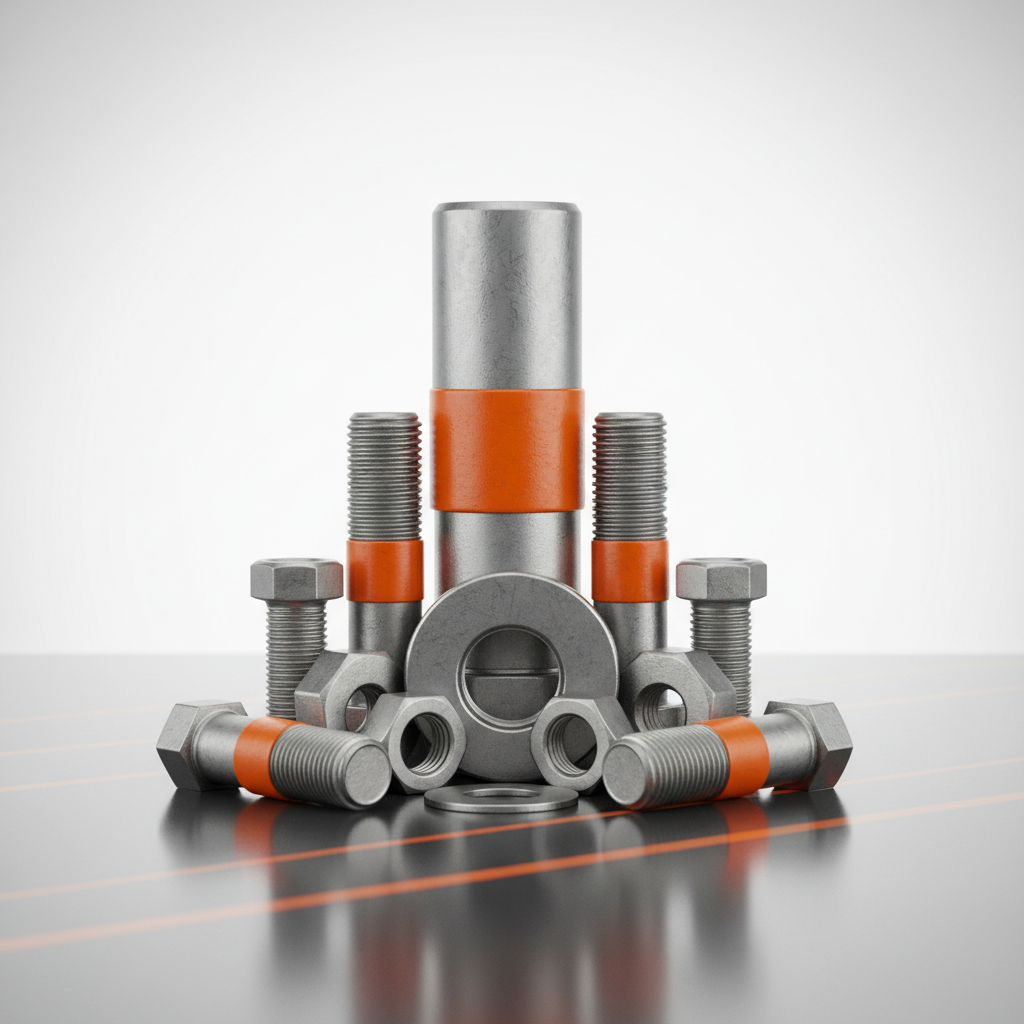
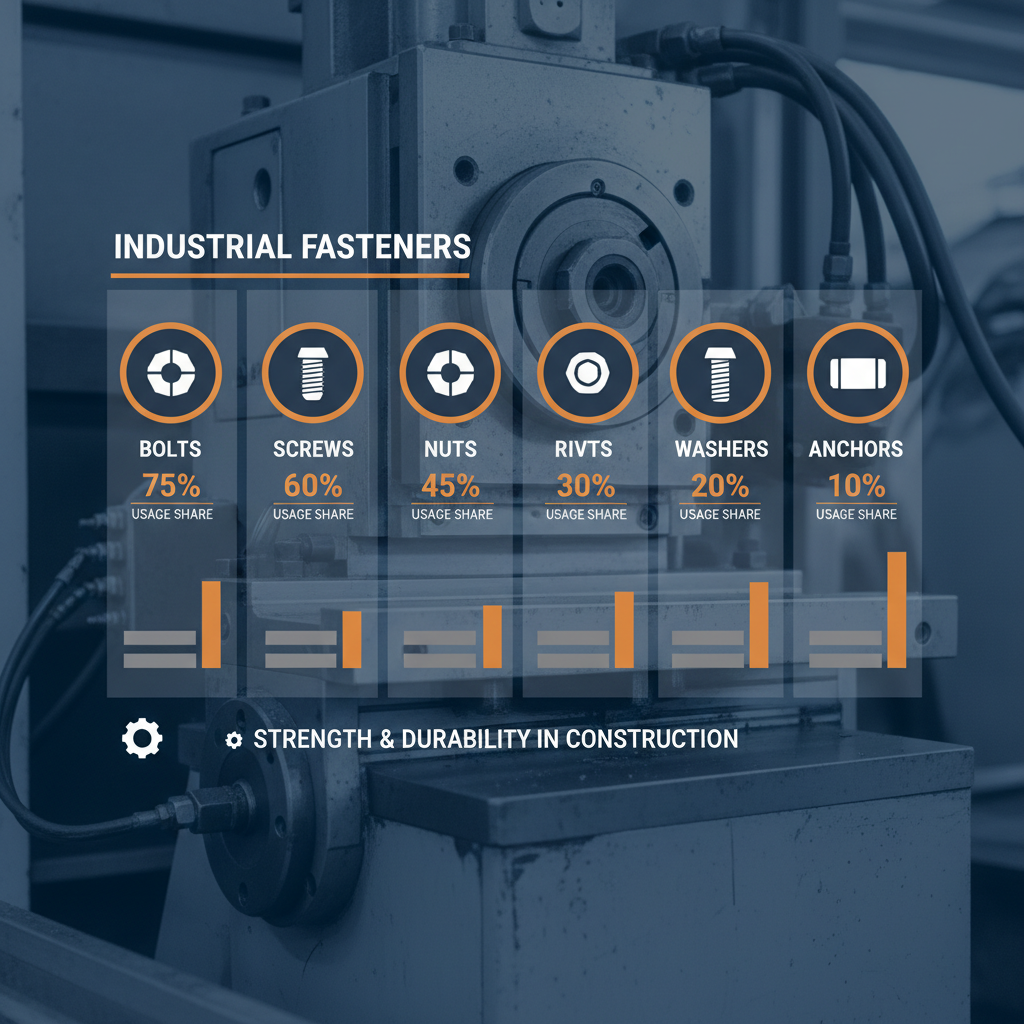
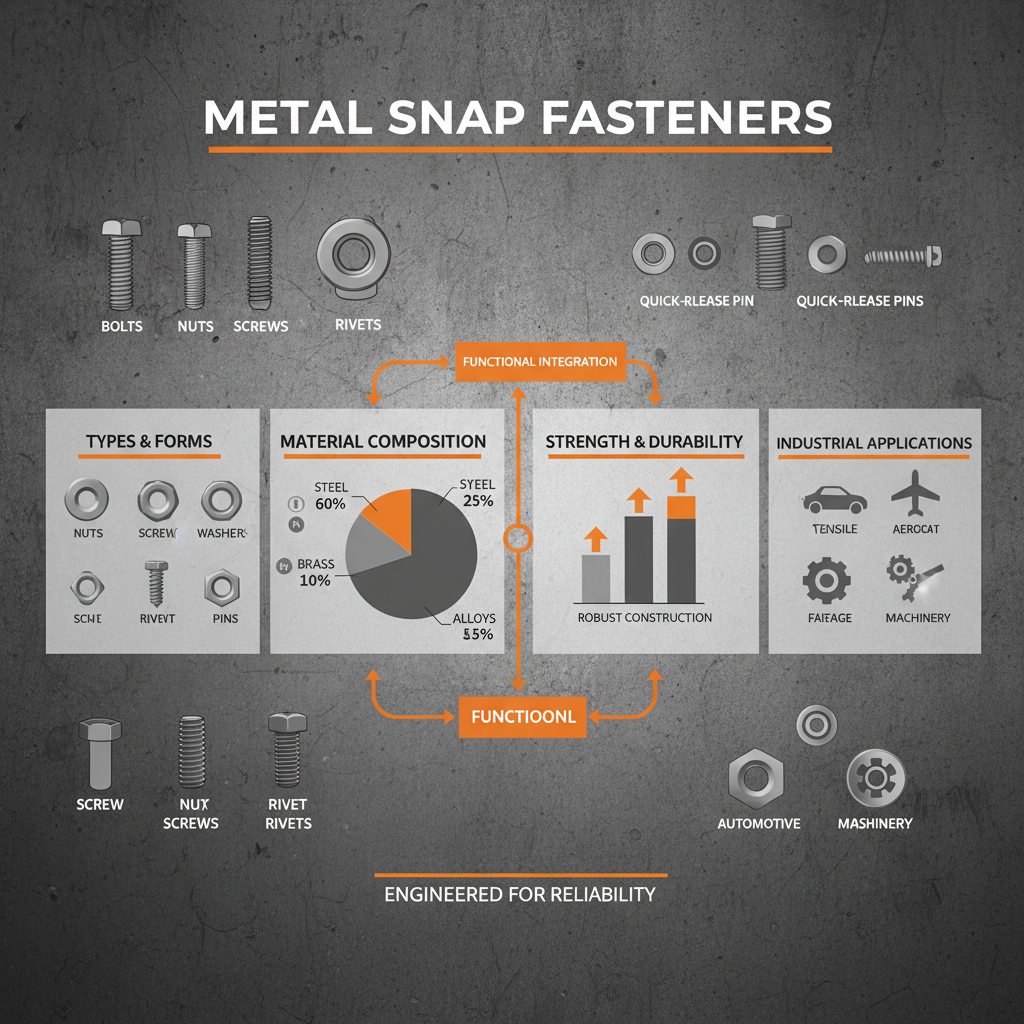
At its simplest, a fastener is a mechanical component used to join two or more objects together. This encompasses a broad range of products, including bolts, screws, nuts, rivets, and washers. The fundamental principle relies on applying a clamping force to create a secure connection, relying on friction, adhesion, or a combination of both.
The significance of the fastener extends beyond its mechanical function. It's a critical enabler of modern manufacturing processes, allowing for the efficient assembly of complex structures and products. Without reliable fasteners, mass production and intricate designs would be impossible. They are integral to humanitarian efforts as well, enabling rapid deployment of shelters and infrastructure in disaster relief scenarios.
Ultimately, the fastener is a testament to human ingenuity – a small but mighty component that underpins much of the built environment and the technologies we rely on daily. Its evolution reflects advancements in material science, engineering, and manufacturing techniques.
Key Attributes of Effective fastener
Several key attributes define an effective fastener. Durability is paramount, ensuring the fastener can withstand the intended load and environmental conditions without failing. This is directly tied to the material composition and manufacturing process.
Scalability refers to the ability to produce fasteners in large quantities to meet demand while maintaining consistent quality. Cost efficiency is also critical, balancing performance requirements with affordability. Beyond these, proper selection and installation of a fastener are crucial for achieving optimal performance.
fastener Performance Attribute Ratings
Diverse Applications of fastener Worldwide
The applications of a fastener are incredibly diverse. In the construction industry, they are used to assemble structural steel frameworks, secure roofing materials, and connect building components. Automotive manufacturing relies heavily on fasteners for chassis assembly, engine components, and interior fittings.
Aerospace applications demand the highest levels of precision and reliability. Specialized fasteners, crafted from exotic alloys, are used to join aircraft structures, engine parts, and critical control systems. In remote industrial zones, durable fasteners are essential for maintaining equipment and infrastructure in harsh environments.
The Lasting Value of High-Quality fastener
Investing in high-quality fasteners delivers tangible long-term value. Reduced maintenance costs are a direct result of fewer failures and extended product lifecycles. Sustainability is also enhanced by using durable fasteners that minimize the need for replacements and reduce waste.
Beyond the practical benefits, there's a significant impact on safety and reliability. A properly secured structure or machine instills confidence and safeguards human life. Furthermore, the use of innovative fasteners can contribute to groundbreaking designs and technological advancements, fostering a culture of trust and innovation.
The cost savings associated with preventing failures far outweigh the initial investment in premium fasteners. It’s a case where quality directly translates to peace of mind and a reduced risk profile.
Future Trends and Innovations in fastener
The future of fastener technology is being shaped by several key trends. The rise of Industry 4.0 and automation is driving demand for smart fasteners equipped with sensors that monitor stress, temperature, and other critical parameters. Additive manufacturing (3D printing) is also enabling the creation of customized fasteners with complex geometries and optimized performance characteristics.
Sustainability is a major focus, with increasing research into biodegradable and recyclable fastener materials. Furthermore, advancements in coating technologies are enhancing corrosion resistance and extending fastener lifespan. Digital transformation, including the use of blockchain technology for traceability and supply chain management, will also play a crucial role.
These innovations are not just about improving performance; they’re about creating a more resilient, sustainable, and interconnected future, where the fastener plays an even more integral role.
Summary of Emerging Fastener Technologies
| Technology |
Material Advancement |
Application Focus |
Potential Impact |
| Smart Fasteners |
Integrated sensors & data transmission |
Structural Health Monitoring |
Predictive Maintenance, Enhanced Safety |
| Additive Manufacturing |
Metal & Polymer 3D Printing |
Customized Designs & Low Volume Production |
Rapid Prototyping, Complex Geometries |
| Biodegradable Fasteners |
PLA, PHA & other bio-based polymers |
Temporary Structures & Packaging |
Reduced Environmental Impact |
| Advanced Coatings |
Graphene, DLC & Nanomaterials |
Corrosion Resistance & Wear Reduction |
Extended Fastener Lifespan |
| Blockchain Traceability |
Digital Ledger Technology |
Supply Chain Management & Quality Control |
Improved Transparency & Authentication |
| Self-Locking Fasteners |
Advanced Thread Designs & Polymer Inserts |
Vibration Resistance & Enhanced Safety |
Reduced Risk of Loosening & Failure |
FAQS
Bolts and screws are both threaded fasteners, but differ in how they're used. Bolts typically require a nut to clamp materials together, while screws thread directly into the material being joined. Rivets, on the other hand, are permanent fasteners that create a joint through deformation. The choice depends on the application's requirements – load capacity, permanence, accessibility, and material compatibility are all important considerations. Selecting the correct fastener ensures the structural integrity of your project.
Corrosion is a significant threat to fastener performance. Exposure to moisture, salt, chemicals, or extreme temperatures can degrade the material, reducing its strength and leading to failure. Selecting corrosion-resistant materials, like stainless steel or applying protective coatings (zinc plating, hot-dip galvanizing), is crucial. Regular inspection and maintenance can also help identify and address corrosion issues before they compromise structural integrity.
Key material properties include tensile strength (resistance to breaking under tension), yield strength (resistance to permanent deformation), shear strength (resistance to forces acting parallel to the cross-section), and hardness. Corrosion resistance is also vital, as mentioned earlier. The specific application dictates which properties are most critical. For example, high-strength fasteners are essential in aerospace, while corrosion resistance is paramount in marine environments.
Fastener coatings play a crucial role in enhancing performance and longevity. Coatings like zinc plating, phosphate coating, and ceramic coatings provide corrosion resistance, improve wear resistance, and can even reduce friction during installation. The choice of coating depends on the environment and the specific demands of the application. Coatings act as a protective barrier, significantly extending the service life of the fastener.
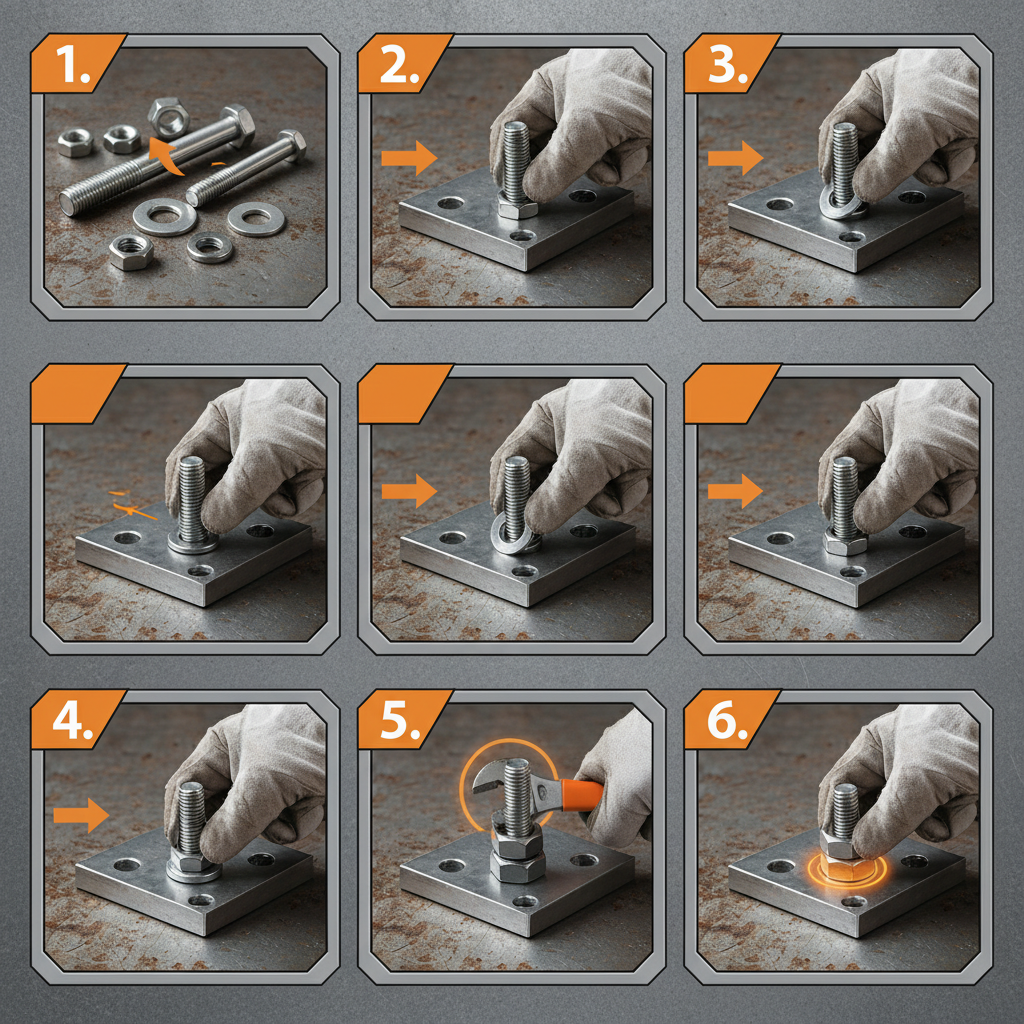
Proper torque control is absolutely critical for ensuring the reliability of a fastened joint. Under-torquing can lead to loosening and failure, while over-torquing can strip threads or damage the fastener. Using calibrated torque wrenches and following manufacturer's recommendations ensures the correct clamping force is applied, maximizing the joint's strength and preventing premature failure. Accurate torque application is a fundamental aspect of fastener installation.
Emerging trends include the use of non-destructive testing (NDT) methods, like ultrasonic and eddy current testing, for detecting internal flaws without damaging the fastener. Automated inspection systems using machine vision are also becoming increasingly common. Digital traceability through blockchain technology is gaining traction, allowing for complete lifecycle tracking of each fastener. These advancements enhance quality control and ensure product reliability.
Conclusion
In conclusion, the fastener, despite its often-unseen role, is a foundational element of modern engineering and infrastructure. From ensuring the safety of our buildings and vehicles to enabling complex manufacturing processes, its importance cannot be overstated. Understanding its fundamental principles, evolving technologies, and future trends is crucial for professionals across a wide range of industries.
Looking ahead, continued innovation in materials, manufacturing, and quality control will further enhance the performance and sustainability of fasteners. Embracing these advancements will not only improve the reliability and longevity of structures and products but also contribute to a more resilient and environmentally responsible future. Visit our website at www.lzfasteners.com to learn more about our comprehensive range of fastener solutions.





 English
  Afrikaans
  Arabic
  Bengali
  Bulgarian
  French
  German
  Hindi
Hindi  Indonesian
  Italian
  Japanese
  Korean
  Malay
Malay  Portuguese
  Russian
  Spanish
  Thai
Thai  Turkish
  Urdu
Urdu  Vietnamese