
Read More About Hebei Longze Metal Products Manufacturing Co., Ltd.
0%

Table of Contents

Furniture fasteners are the unsung heroes of modern life, playing a crucial role in the construction, assembly, and durability of everything from our homes and offices to public spaces and industrial equipment. The global demand for reliable and efficient furniture fasteners is substantial, driven by growth in construction, interior design, and the furniture manufacturing sector. Understanding the nuances of these fasteners – their materials, types, and applications – is vital for ensuring structural integrity, longevity, and cost-effectiveness.

The furniture fastener industry is a significant contributor to the global economy, impacting supply chains across numerous sectors. With increasing urbanization and a growing emphasis on prefabricated and modular construction, the demand for advanced fastening solutions is poised to expand further. According to industry reports, the global furniture fasteners market is projected to reach substantial figures in the coming years, highlighting the ongoing importance of innovation and sustainability in this field.

Ultimately, investing in knowledge about furniture fasteners translates into better-built products, reduced maintenance costs, and enhanced safety standards. It’s a foundational element in a world increasingly reliant on efficient and dependable assembly techniques. This knowledge empowers manufacturers, designers, and end-users alike to make informed decisions and build a more durable and sustainable future.
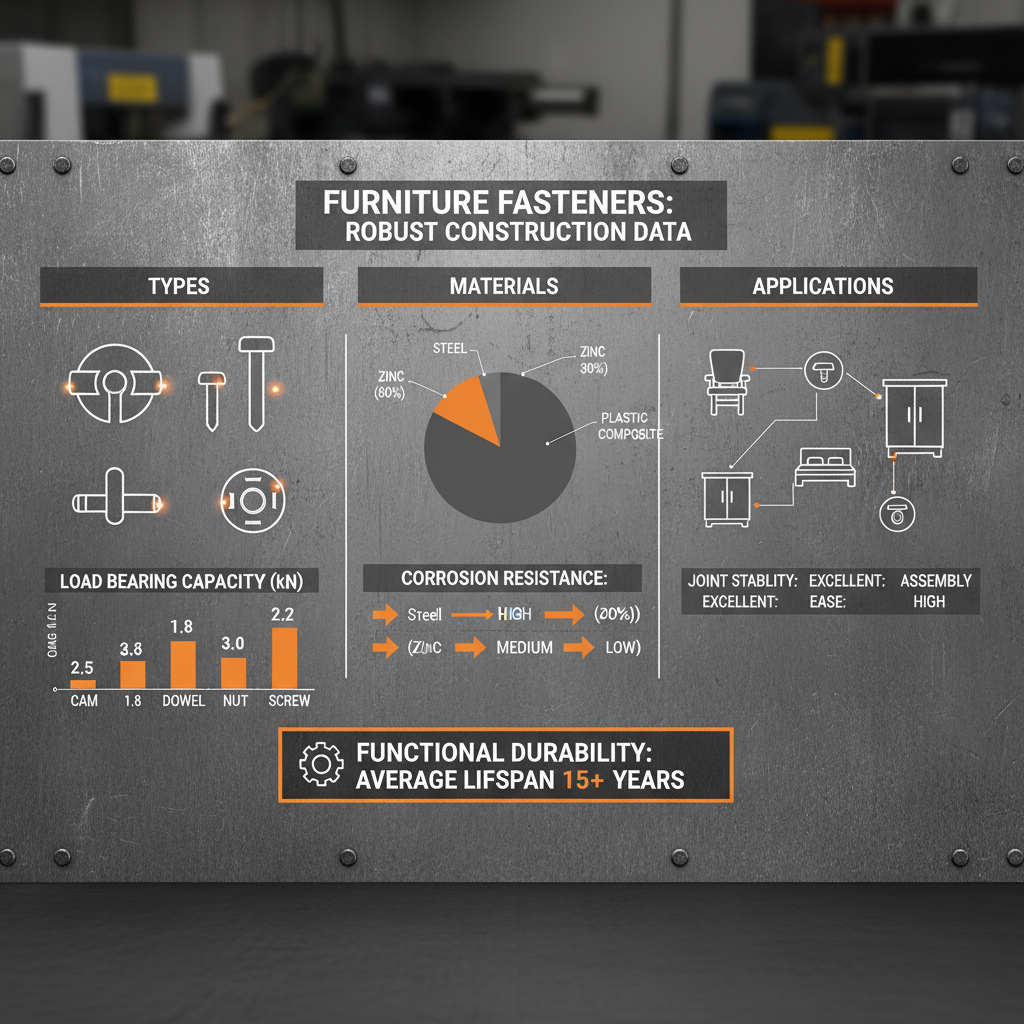
The Crucial Role of Furniture Fasteners in Modern Construction and Design

The Importance of Furniture Fasteners

The Crucial Role of Furniture Fasteners in Modern Construction and Design

Furniture fasteners, encompassing screws, bolts, nails, dowels, and more, are the essential components that hold furniture together. Their selection profoundly impacts the structural integrity, aesthetic appeal, and overall lifespan of any piece. Using the correct fasteners ensures stability, prevents wobbling, and mitigates the risk of failure, ultimately enhancing the value and safety of furniture products.

The quality of furniture fasteners directly correlates with the durability and longevity of furniture. A simple, inexpensive fastener can often be the weakest link in an otherwise well-constructed piece, leading to premature wear and tear. Choosing high-quality furniture fasteners is a crucial investment for manufacturers and consumers alike.

Defining Furniture Fasteners

Furniture fasteners are mechanical components designed to securely join materials, typically wood, metal, or plastic, in furniture construction. They facilitate assembly, provide structural support, and enable disassembly for repair or reconfiguration. These components come in a wide array of sizes, shapes, materials, and finishes, each tailored to specific applications and load-bearing requirements.

The evolution of furniture fasteners reflects the advancements in materials science and manufacturing processes. From traditional wooden dowels and hand-forged nails to modern self-tapping screws and cam locks, fasteners have continually adapted to meet the demands of evolving furniture designs and manufacturing techniques.

In today’s industry, the role of furniture fasteners extends beyond simple joining. They contribute to the aesthetic of the furniture, impacting finish choices and exposed hardware designs, creating a seamless and visually appealing outcome.

Core Components of Effective Fastening

Durability is paramount. A high-quality furniture fastener must withstand repeated stress, prevent loosening over time, and resist corrosion. Material selection – ranging from steel alloys and stainless steel to brass and specialized polymers – plays a crucial role in achieving this durability. Choosing the appropriate material for the environment the furniture will be in is key.

Load capacity dictates the fastener’s ability to bear weight and withstand force. Factors like shear strength, tensile strength, and thread engagement determine the maximum load a fastener can safely handle. Correctly calculating and accounting for the anticipated loads is essential for structural integrity and safety.

Compatibility with the joined materials ensures a secure and reliable connection. Different materials require specific fastener types to prevent damage, splitting, or stripping. Understanding the properties of the materials being joined – such as wood grain direction or metal hardness – is critical for optimal fastener selection.

Global Applications and Industries Served

The applications of furniture fasteners are incredibly diverse, spanning residential, commercial, and industrial sectors. They are fundamental in assembling household furniture – chairs, tables, beds, and cabinets – as well as office furniture, including desks, workstations, and filing systems.

Beyond traditional furniture, fasteners are vital in manufacturing outdoor furniture, such as patio sets and garden benches, where resistance to weather and corrosion is crucial. The hospitality industry relies heavily on durable fasteners for restaurant seating, hotel furniture, and other public space furnishings.

Furniture Fastener Performance Comparison


The Advantages of Specialized Fasteners

Employing specialized furniture fasteners, such as self-locking screws or cam locks, offers significant advantages. Self-locking screws prevent loosening due to vibration, ensuring long-term stability. Cam locks provide a clean, concealed fastening solution, ideal for applications where aesthetics are paramount.

Using specialized furniture fasteners can streamline assembly processes, reduce labor costs, and improve overall product quality. The initial investment in higher-quality fasteners often results in long-term savings through reduced maintenance and fewer product failures.

Future Trends and Innovations

The furniture fastener industry is witnessing a growing emphasis on sustainability and eco-friendly materials. Manufacturers are increasingly exploring bio-based polymers and recycled metals to reduce their environmental footprint. These innovations are driven by consumer demand for sustainable products and stricter environmental regulations.

Automation and digital technologies are also transforming the sector. Automated fastening systems enhance efficiency, reduce errors, and improve quality control in high-volume production environments. Digital twin technology enables virtual prototyping and testing of fastener designs, accelerating the development process.

Smart fasteners, incorporating sensors to monitor stress and detect potential failures, represent a cutting-edge development. These intelligent fasteners can provide valuable data for predictive maintenance and enhance the safety and reliability of furniture products.

Common Challenges and Innovative Solutions

One common challenge is corrosion, particularly in outdoor furniture applications. Innovative solutions include using stainless steel fasteners with enhanced corrosion resistance, applying protective coatings, and employing cathodic protection techniques.

Another challenge is ensuring consistent fastener quality and preventing counterfeiting. Implementing rigorous quality control procedures, utilizing traceability systems, and partnering with reputable suppliers are crucial for mitigating these risks.

Stripped screw holes represent a frequent issue. Solutions involve using self-tapping screws designed to create their own threads, employing thread repair inserts, and utilizing specialized drilling techniques.

Overview of Challenges and Solutions in Furniture Fastener Selection

Challenge Material Type Severity (1-10) Proposed Solution
Corrosion in Outdoor Furniture Carbon Steel 8 Switch to 316 Stainless Steel
Fastener Loosening Standard Machine Screw 6 Use Self-Locking Screws
Wood Splitting Hardwood 7 Predrill Pilot Holes
Stripped Screw Threads Soft Wood 9 Utilize Thread Repair Inserts
Material Incompatibility Aluminum & Steel 5 Use Insulating Washers
High Assembly Costs Various 4 Automated Fastening Systems

FAQS

What is the best type of furniture fastener for outdoor use?

For outdoor furniture, stainless steel fasteners – specifically 316 stainless steel – are highly recommended. They offer superior corrosion resistance compared to other materials, withstanding exposure to rain, humidity, and UV radiation. Using coated carbon steel fasteners can provide some protection, but they may eventually corrode over time, especially in harsh climates. Choosing the right fastener type extends the life of your outdoor furniture and reduces maintenance needs.

How do I prevent screws from stripping when assembling furniture?

To prevent screws from stripping, always pre-drill pilot holes, especially when working with hardwoods. The pilot hole should be slightly smaller than the screw's core diameter. Use the correct screwdriver bit for the screw head to ensure a secure fit and prevent cam-out. Apply consistent, even pressure when driving the screw and avoid over-tightening. Using self-tapping screws designed for the material can also help prevent stripping.

What are cam locks and when should I use them?

Cam locks are a type of fastener that utilizes a cylindrical cam to secure two pieces of furniture together. They provide a concealed and aesthetically pleasing fastening solution, often used in ready-to-assemble (RTA) furniture. Cam locks are ideal for applications where visible fasteners are undesirable and a strong, secure connection is required. They are particularly useful for joining particleboard or MDF panels.

What is the difference between a bolt and a screw?

While both bolts and screws are used for fastening, they differ in their application and design. Bolts typically require a nut to secure the joint and are used for heavier-duty applications. Screws, on the other hand, are self-tapping and create their own threads as they are driven into the material. Screws are generally used for lighter-duty applications and often provide a more finished look.

How can I choose the right fastener size for my project?

Selecting the right fastener size depends on the thickness and density of the materials being joined, as well as the load-bearing requirements. Generally, the screw length should be approximately two to three times the thickness of the top material. Ensure the screw diameter is appropriate for the materials. Consider the shear and tensile strength needed for the application when choosing fastener size and type.

What are the benefits of using specialized furniture fastener kits?

Specialized furniture fastener kits offer convenience and ensure compatibility. These kits typically include a curated selection of fasteners tailored to specific furniture types or assembly projects. They eliminate the guesswork of choosing the right fasteners and often include specialized tools or accessories. Using a kit can save time, reduce errors, and improve the overall quality of the assembly.

Conclusion

In conclusion, furniture fasteners are far more than simple components – they are the vital foundation of durable, safe, and aesthetically pleasing furniture. Understanding the various types, materials, and applications of these fasteners is essential for manufacturers, designers, and consumers alike. By prioritizing quality, considering environmental factors, and embracing innovative solutions, we can ensure that furniture remains a reliable and enduring part of our lives.

Looking ahead, the furniture fastener industry will continue to evolve, driven by sustainability concerns, technological advancements, and the growing demand for efficient and reliable assembly methods. Investing in research and development, fostering collaboration between industry stakeholders, and promoting best practices will be key to unlocking the full potential of this critical sector. For more information and high-quality furniture fasteners, visit our website today.

Robert Chen

Robert Chen

Robert Chen is LongZe's Lead Engineer specializing in photovoltaic bracket accessories. With over 10 years of experience in materials science and structural engineering, Robert leads the development of innovative mounting solutions. He’s been with LongZe since its expansion into the solar energy sector in 2015, playing a crucial role in
Previous The Crucial Role of Hardware Fasteners in Modern Industries and Infrastructure
Next The Essential Role of the Fastener in Modern Engineering and Infrastructure

Need Help?
Drop us a message using the form below.

en_USEnglish