Threaded fasteners are fundamental components in modern engineering and construction, playing a critical role in joining materials across diverse industries. From the towering skyscrapers that define city skylines to the intricate machinery driving global manufacturing, these seemingly simple elements provide the secure connections that underpin our built environment. Understanding their properties, applications, and future developments is crucial for engineers, designers, and anyone involved in the creation and maintenance of physical structures.
Globally, the demand for threaded fasteners is substantial and continuously growing. The United Nations estimates that infrastructure development requires trillions of dollars in investment annually, a significant portion of which relies on effective fastening solutions. The World Bank highlights the importance of robust infrastructure in developing nations to support economic growth and social progress, further driving the need for reliable threaded fasteners. Maintaining quality control, ensuring supply chain resilience, and innovating materials are key challenges in meeting this demand.
At their core, threaded fasteners—including bolts, screws, and nuts—are designed to create a clamp load between two or more components. This clamping force, achieved through rotational movement and the helical ridges of the thread, provides a secure and often reversible connection. This principle is applicable to a remarkably wide range of scenarios, from securing critical aerospace components to assembling everyday consumer products, making threaded fasteners essential to both industrial and humanitarian needs.
The Significance of Threaded Fasteners
Threaded fasteners represent a cornerstone of modern assembly techniques, enabling efficient and reliable joining of materials across numerous engineering disciplines. Their versatility and ease of use have made them the preferred choice for countless applications, contributing significantly to advancements in fields ranging from aerospace to automotive manufacturing. The fundamental principle of converting rotational motion into clamping force provides a secure and often reusable connection.
The importance of robust fastening solutions extends beyond mere structural integrity. Properly selected and installed threaded fasteners enhance safety, reduce maintenance costs, and improve the overall lifespan of assembled products. They play a critical role in ensuring the longevity and reliability of infrastructure, machinery, and countless other essential components of modern life.
Global Context and Industry Relevance
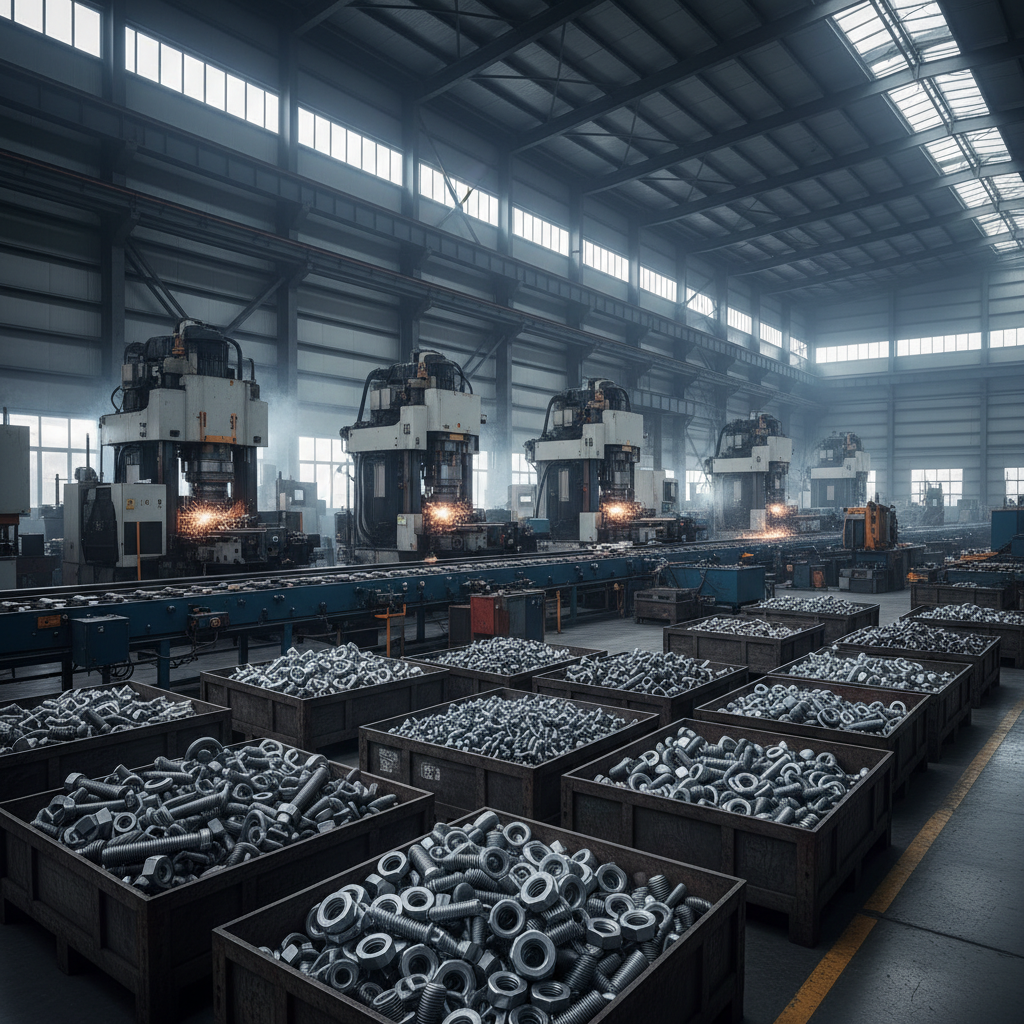
The global market for threaded fasteners is a multi-billion dollar industry, intimately tied to economic growth and industrial activity. Growth in construction, automotive production, and manufacturing across emerging economies, particularly in Asia-Pacific, is driving significant demand. According to recent market reports, the industry is projected to continue expanding steadily in the coming years, fueled by ongoing infrastructure projects and increasing automation in manufacturing processes.
However, the industry faces challenges, including fluctuating raw material prices (steel, alloys), increasing environmental regulations related to manufacturing processes, and the need for specialized fasteners to meet the demands of advanced technologies. Supply chain disruptions, as experienced during recent global events, have also highlighted the importance of diversifying sourcing and building resilient supply networks for threaded fasteners.
Furthermore, the push for sustainable manufacturing practices is driving innovation in fastener materials and coatings, with a growing focus on reducing carbon footprint and minimizing waste. The industry is increasingly adopting digital technologies, such as IoT sensors and data analytics, to optimize production processes, enhance quality control, and improve traceability.
Defining Threaded Fasteners
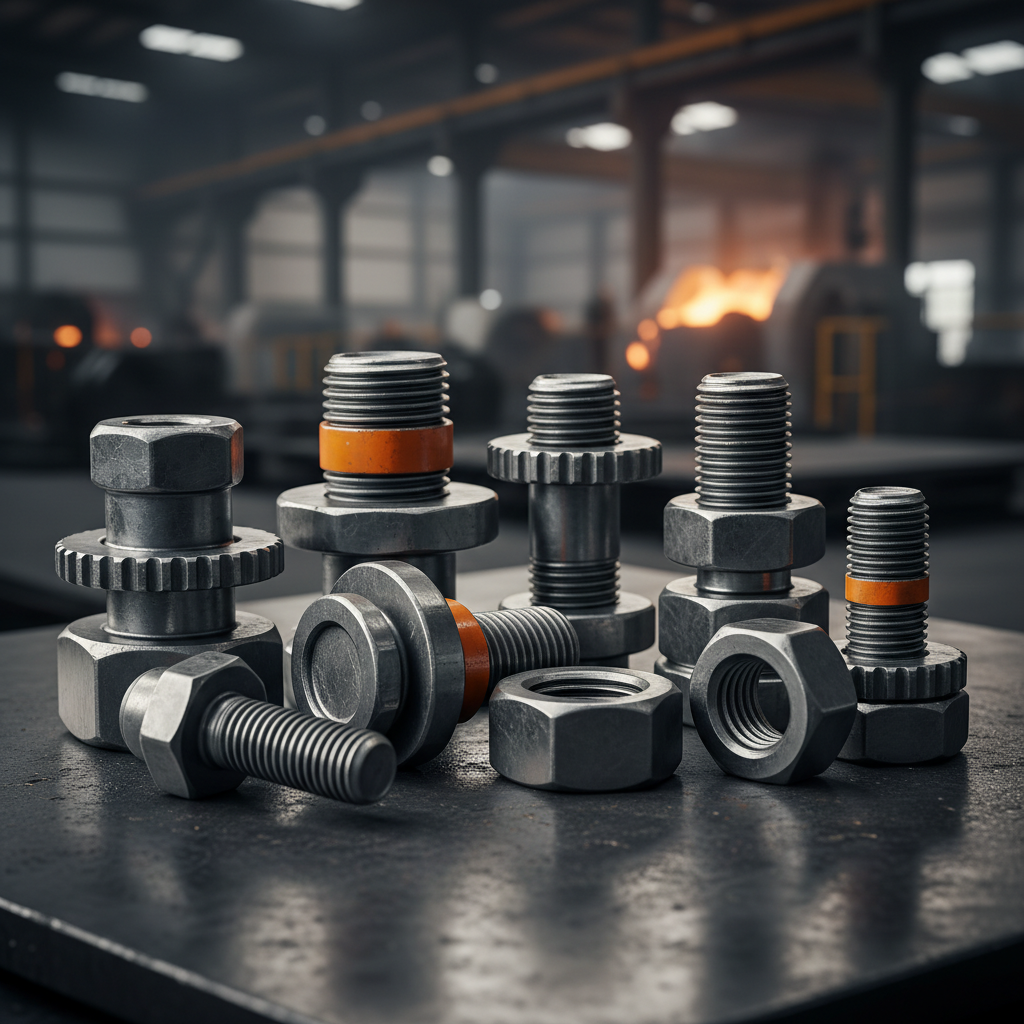
Threaded fasteners are components designed to create a mechanical connection between two or more parts through the use of threads. These threads, typically helical ridges formed on a cylindrical shaft (like a bolt or screw), engage with corresponding threads in a nut or tapped hole, converting rotational force into a clamping force. This clamping force holds the parts securely together.
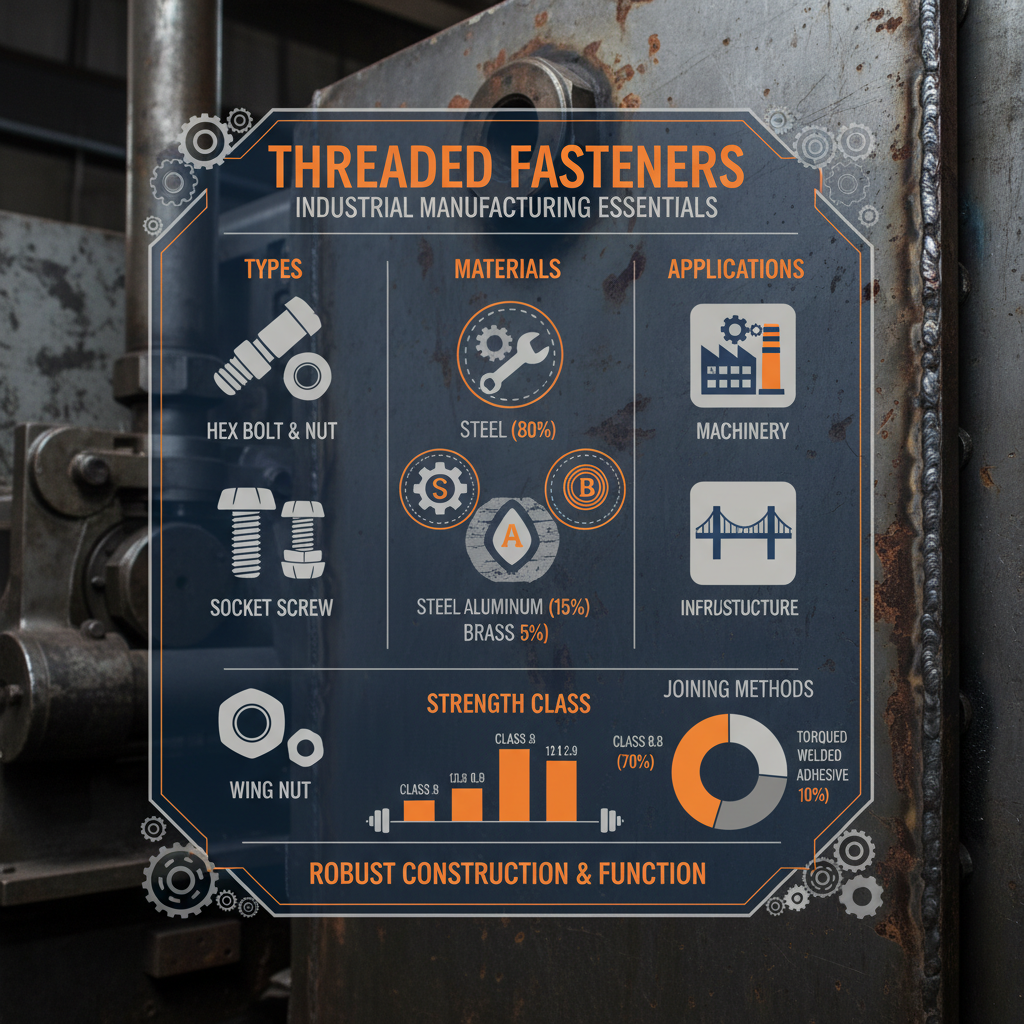
The core distinction between bolts and screws lies in their intended application. Bolts generally require a nut to apply clamping force, while screws are designed to thread directly into a pre-tapped hole. However, this distinction is becoming increasingly blurred as many fasteners are used interchangeably. Other common types include set screws, machine screws, and self-tapping screws, each designed for specific applications and material combinations.
The significance of threaded fasteners extends far beyond simple assembly. They are integral to maintaining structural integrity in critical infrastructure, enabling the safe and reliable operation of machinery, and facilitating the manufacturing of countless products that we rely on daily. Their ability to create strong, reliable, and often reversible connections makes them essential to modern industry.
Key Factors of Threaded Fasteners
Several key factors determine the performance and suitability of threaded fasteners for specific applications. These include material composition, thread form, coating, and mechanical properties. Selecting the appropriate fastener requires a thorough understanding of these characteristics and their impact on the connection's strength, durability, and resistance to environmental factors.
Durability is paramount. Fasteners must withstand the stresses and strains of the intended application, resisting fatigue, corrosion, and wear. Material selection plays a crucial role here, with options ranging from carbon steel and stainless steel to alloys like titanium and nickel alloys. Coatings, such as zinc plating or powder coating, provide an additional layer of protection against corrosion.
Threaded Fastener Performance Metrics
Applications Across Industries
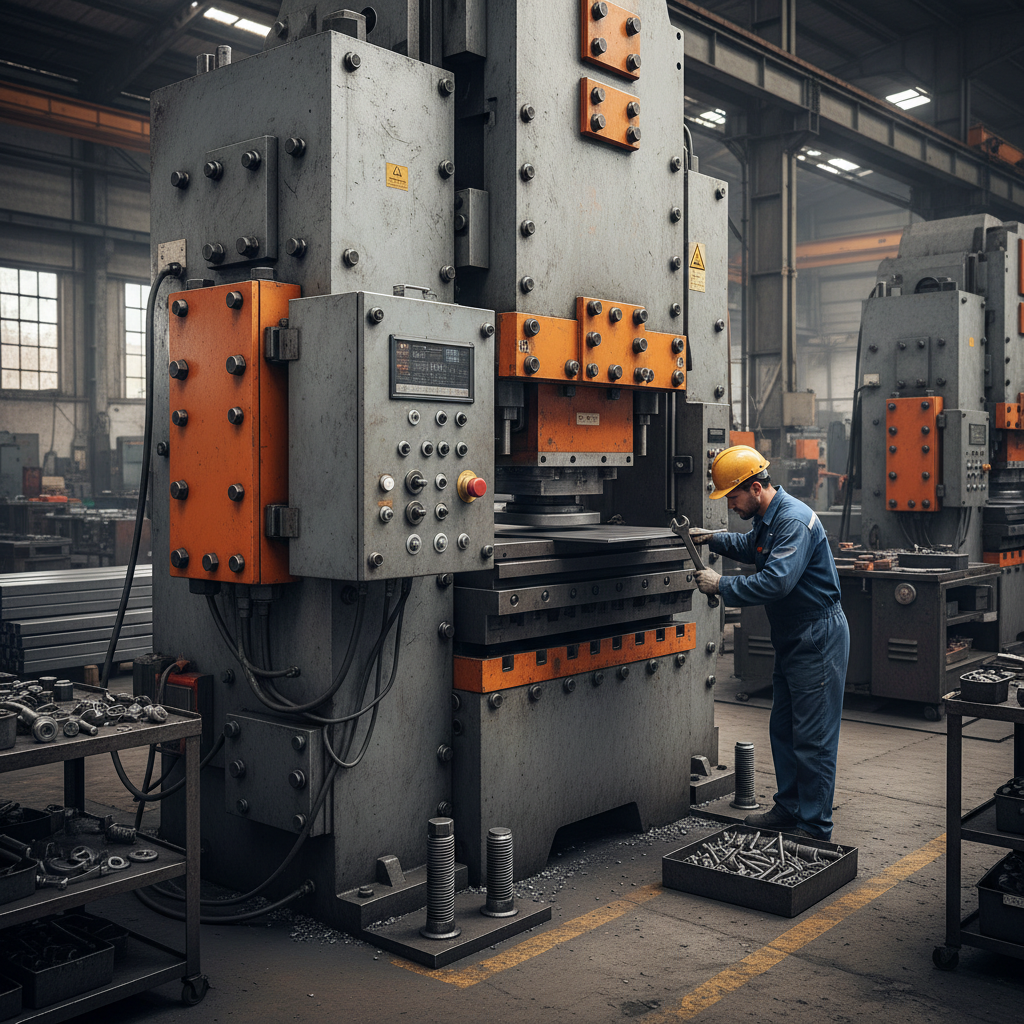
Threaded fasteners are ubiquitous across a vast spectrum of industries. In the aerospace sector, high-strength, corrosion-resistant fasteners are critical for assembling aircraft structures and engines, ensuring flight safety. The automotive industry relies heavily on fasteners for vehicle assembly, from chassis components to interior trim.
Construction utilizes fasteners extensively in building structures, bridges, and infrastructure projects. The energy sector employs specialized fasteners in wind turbines, solar panels, and oil and gas pipelines. Even in medical devices, precision fasteners play a vital role in securing implants and instruments. In post-disaster relief operations, rapidly deployable shelters and temporary infrastructure often rely on the quick and efficient assembly facilitated by threaded fasteners.
Advantages and Long-Term Value
The advantages of utilizing threaded fasteners are multifaceted. Cost-effectiveness is a primary benefit; they are generally less expensive than welding or other permanent joining methods. Their ease of installation and removal simplifies assembly, disassembly, and maintenance procedures. Furthermore, they offer design flexibility, allowing for adjustments and modifications without compromising structural integrity.
From a long-term perspective, properly selected and installed threaded fasteners contribute to increased product reliability, reduced downtime, and extended service life. This translates to significant cost savings over the product's lifecycle. The inherent safety and security they provide instill confidence in users and contribute to a positive brand reputation.
Future Trends and Innovations
The future of threaded fasteners is poised for innovation, driven by emerging technologies and a growing focus on sustainability. Advanced materials, such as high-strength alloys and composite materials, are being explored to enhance performance and reduce weight. Self-locking fasteners, utilizing innovative thread designs or locking mechanisms, are gaining popularity to improve joint security.
Digitalization is playing an increasingly important role, with the development of smart fasteners equipped with sensors to monitor torque, stress, and temperature. These sensors can provide real-time data on joint performance, enabling predictive maintenance and preventing failures. Automation in fastener manufacturing and assembly is also driving efficiency and reducing costs. Sustainable practices, including the use of recycled materials and eco-friendly coatings, are becoming increasingly prevalent.
Summary of Key Trends in Threaded Fastener Development
| Material Advancement |
Digital Integration |
Sustainability Focus |
Joint Security Enhancement |
| High-strength alloys |
Smart fasteners with sensors |
Recycled materials |
Self-locking designs |
| Composite Materials |
IoT-enabled monitoring |
Eco-friendly coatings |
Advanced thread forms |
| Corrosion-resistant treatments |
Data analytics for predictive maintenance |
Reduced carbon footprint |
Chemical locking compounds |
| Lightweight material options |
Real-time performance tracking |
Waste reduction strategies |
Improved vibration resistance |
| Nanomaterial integration |
Remote monitoring capabilities |
Circular economy initiatives |
Mechanical locking devices |
| Bio-compatible materials |
Automated data reporting |
Life cycle assessment |
Precision locking mechanisms |
FAQS
High-strength threaded fasteners are frequently manufactured from alloy steels, such as those conforming to ASTM A574 or Grade 8 specifications. These materials offer excellent tensile strength, yield strength, and durability. Stainless steels, like 304 and 316, are used in corrosive environments, though they generally have slightly lower strength. Titanium alloys provide exceptional strength-to-weight ratios for aerospace and specialized applications. Proper material selection depends heavily on the application's specific requirements.
Thread form is crucial for ensuring a secure and reliable connection. Unified National Coarse (UNC) and Unified National Fine (UNF) threads are the most common standards in North America. Metric threads (ISO metric) are widely used internationally. The thread pitch (distance between threads) affects the fastener's strength and resistance to loosening. Fine threads generally provide greater strength, while coarse threads are more forgiving during assembly. Choosing the correct thread form ensures compatibility and optimal performance.
Corrosion prevention is vital for long-term fastener reliability. Common methods include applying protective coatings, such as zinc plating, hot-dip galvanizing, or powder coating. Selecting corrosion-resistant materials, like stainless steel or titanium, is another effective approach. Using anti-seize compounds during assembly can also prevent galling and corrosion. Regular inspection and maintenance are essential in harsh environments.
Tightening torque directly impacts the clamping force generated by a fastener. Insufficient torque can lead to loosening and joint failure, while excessive torque can cause stripping of threads or fastener breakage. Proper torque specifications, determined by factors like fastener size, material, and application, are crucial. Utilizing calibrated torque wrenches and following recommended tightening procedures ensures optimal clamping force and joint integrity.
Coatings significantly enhance the performance of threaded fasteners by providing corrosion resistance, reducing friction, and improving aesthetics. Zinc plating is a cost-effective corrosion barrier. Nickel plating offers enhanced corrosion resistance and wear resistance. Powder coating provides a durable and colorful finish. Specialty coatings, like PTFE, reduce friction and prevent galling. The correct coating depends on the specific application and environmental conditions.
Ensuring quality and traceability is essential for critical applications. Purchasing from reputable suppliers who adhere to industry standards (e.g., ISO, ASTM) is the first step. Look for fasteners with clear markings indicating material grade and manufacturer. Implementing a robust quality control process, including dimensional inspections and material testing, is crucial. Traceability systems, such as lot numbers and material certificates, allow for tracking fasteners throughout the supply chain.
Conclusion
In summary, threaded fasteners are foundational elements of modern engineering and infrastructure, providing reliable and versatile joining solutions across countless industries. Understanding their properties, applications, and future trends is critical for ensuring structural integrity, enhancing safety, and driving innovation. Proper material selection, accurate torque control, and consistent quality assurance are paramount to maximizing their long-term performance and value.
Looking ahead, advancements in materials science, digital technologies, and sustainable manufacturing practices will continue to shape the future of threaded fasteners. Embracing these innovations will be crucial for meeting the evolving demands of a rapidly changing world and ensuring the continued reliability and resilience of our built environment. For high-quality, reliable threaded fasteners, visit our website: www.lzfasteners.com.







 English
  Afrikaans
  Arabic
  Bengali
  Bulgarian
  French
  German
  Hindi
Hindi  Indonesian
  Italian
  Japanese
  Korean
  Malay
Malay  Portuguese
  Russian
  Spanish
  Thai
Thai  Turkish
  Urdu
Urdu  Vietnamese