You know, after running around construction sites all year, dealing with dust and concrete, you start to see what really matters. It's not about fancy marketing or lab tests, it's about whether a fastener holds, period. Lately, everyone’s talking about this new high-strength alloy steel... fancy stuff. But honestly, I’ve seen enough failures with ‘fancy stuff’ to be skeptical.
The industry's been chasing lighter weight, corrosion resistance... all good goals, but often they overlook the basics. Like, have you noticed how many young engineers forget that a good head size is crucial? They design these sleek, minimalist fasteners and then the guys on site can’t get a wrench on ‘em. It’s maddening.
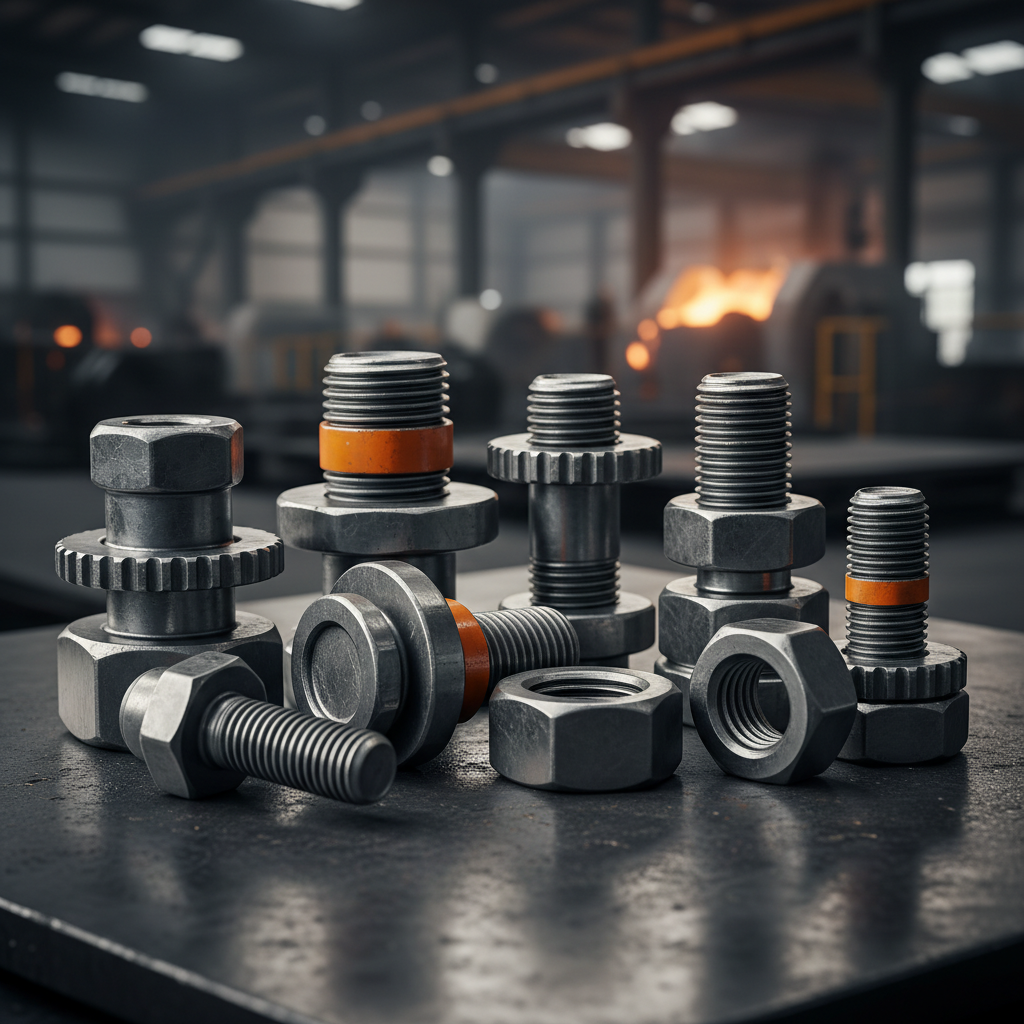
We’re building a lot with this new grade 8.8 and 10.9 stuff – the smell of the zinc coating when you open a fresh box is... distinctive. You can tell a good batch by the feel, a bit of weight to it, not flimsy. And the surface finish, it shouldn't be too rough, or you'll get wear on your tools. Then there's the 316 stainless, smells like… well, nothing, really. It’s smooth, almost slippery when you’re handling it. But good for coastal projects, that's for sure.
The Current Landscape of fastener factory
To be honest, the whole fastener industry feels like it's in a constant state of 'slightly better'. We're not seeing huge leaps, more like incremental improvements. Demand is definitely up, driven by infrastructure projects and, strangely, a lot of small-scale manufacturing returning to the US. Everyone's chasing faster delivery times, too.
That's where a good fastener factory comes in. It’s not just about making the parts, it's about managing the whole supply chain, ensuring quality control, and getting them to the site when they’re needed. And these days, "when they're needed" means yesterday.
Common Design Pitfalls in fastener factory
I encountered this at a big bridge project last time, a young engineer specified a fastener with a tiny, recessed hex head. Looked good on the drawing, all clean lines. But when the ironworkers tried to use an impact wrench, they stripped the head on the first one! Wasted a whole morning redoing that section. It's a classic mistake – forgetting about real-world usability.
Another one? Underestimating the importance of thread locking. You get these engineers who think a little Loctite will solve everything. Sometimes it does, sometimes it doesn’t. Depends on the vibration, the temperature, the material... It's a science, really. And a lot of them just don't get it.
Then there's the whole issue of galvanic corrosion. Mixing metals without proper isolation... it's just asking for trouble. We had a situation with stainless steel bolts on an aluminum frame, started corroding within months. Cost a fortune to fix.
Materials Used in fastener factory
We deal with a ton of carbon steel, obviously. Mostly 1045, but also some 4140 for higher strength applications. The finish is critical. Zinc plating is standard, but we're seeing more demand for black oxide for corrosion resistance and aesthetics. It's a bit more expensive, though.
Then there's the stainless steel – 304 and 316. 316 is the good stuff, especially for marine environments. It’s pricey, but it holds up. The feel is different too, much smoother than the carbon steel. It almost feels... too clean, if that makes sense. And you gotta be careful with it, it gall easily.
And don't forget alloy steels like SCM435 and Inconel, used in demanding applications where high strength and heat resistance are needed. Those are expensive and require specialized tooling. I saw one factory trying to machine Inconel with standard tools… a disaster.
Anyway, I think the biggest trend is towards lighter materials, like titanium alloys. But they’re still too expensive for most applications. Unless you're building a race car, it's hard to justify the cost.
Real-World Testing of fastener factory
Lab tests are fine, but they don't tell the whole story. I've seen fasteners pass every lab test imaginable and still fail on the job site. Real-world testing is all about simulating actual conditions. We do a lot of vibration testing – basically, shaking the fasteners until they break.
We also do salt spray testing, immersing them in a salt solution to see how they hold up to corrosion. And pull-out tests, where we try to pull the fastener out of the material. But honestly, the most valuable testing is just watching how the guys on site use them. If they're constantly stripping the heads or bending the threads, something’s wrong.
fastener factory Performance Metrics
How fastener factory is Actually Used
You know, it’s funny. Engineers design these things to be used a certain way, but on site, things always get… adapted. Guys will use them for things they weren't intended for. Like, using a lag screw as a temporary anchor. Or using a drywall screw to hold up something heavy. It happens all the time.
And they don’t always follow the torque specifications. A lot of them just tighten until it feels right. Which, frankly, is terrifying. But it's reality. They’re under pressure, they’re working quickly, and they don’t have time to mess around with a torque wrench every time.
Advantages and Disadvantages of fastener factory
The biggest advantage of a good fastener factory is reliability. You need parts that consistently meet specifications and don’t fail prematurely. It builds trust. And good factories offer a wide range of materials and finishes to meet different needs.
But here’s the thing: price isn’t everything. You can find cheaper fasteners, but they often cut corners on quality control. And that can end up costing you more in the long run – rework, repairs, even safety issues. It's a gamble.
Another disadvantage is lead time. Especially for custom parts, it can take weeks or even months to get what you need. That's why it's important to plan ahead and maintain good relationships with your suppliers.
Customization Options for fastener factory
We do a lot of customization. Everything from different head styles to custom thread pitches to special coatings. Last month, that small boss in Shenzhen who makes smart home devices insisted on changing the interface to on a series of machine screws – said it was “more modern.” The result was a headache because the standard tools wouldn’t fit. It looked cool, but it wasn't practical.
We also do a lot of custom marking – laser etching logos, part numbers, date codes. It helps with traceability and branding. And we can tailor the packaging to meet specific requirements.
It's all about understanding the customer’s needs and delivering a solution that works.
Overview of Key Customization Factors for fastener factory
| Customization Category |
Complexity Level |
Typical Lead Time (Weeks) |
Cost Impact |
| Head Style Modification |
Low |
2-3 |
Minimal |
| Material Composition Change |
Medium |
4-6 |
Moderate |
| Thread Pitch Adjustment |
Medium |
3-5 |
Moderate |
| Special Coating Application |
Low-Medium |
2-4 |
Low-Moderate |
| Custom Marking (Laser Etching) |
Low |
1-2 |
Minimal |
| Non-Standard Dimensions |
High |
6-8+ |
Significant |
FAQS
For large orders of custom fasteners, lead times typically range from 6 to 12 weeks, depending on the complexity of the design, material availability, and current production capacity. We always try to provide a firm quote and delivery schedule upfront, but unforeseen delays can sometimes occur. It really depends on how far out of the box you are with the request.
Quality control is paramount. We employ a multi-stage inspection process, starting with raw material verification, in-process checks during manufacturing, and final inspection before shipment. We use calibrated instruments and adhere to strict industry standards. Plus, we keep detailed records of all inspections for traceability.
For highly corrosive environments, 316 stainless steel is generally the best choice due to its high molybdenum content. However, depending on the specific environment, other alloys like Hastelloy or titanium may be necessary. We can help you select the optimal material based on your application requirements.
Yes, we can provide fasteners with various certifications, including RoHS, REACH, and others. We work with accredited testing laboratories to ensure compliance. Please specify your certification requirements when requesting a quote.
The MOQ for custom fasteners varies depending on the size, material, and complexity of the design. Generally, it’s around 500 to 1000 pieces. But we are often willing to work with smaller quantities for prototype or specialized applications. Let's talk through your needs!
Absolutely. We have a team of experienced engineers who can provide design assistance, including material selection, fastener sizing, and tolerance analysis. We can also help optimize your design for manufacturability and cost-effectiveness.
Conclusion
So, there it is. It’s not just about metal and threads. It’s about understanding the whole picture – the materials, the manufacturing processes, the real-world conditions, and the people who are actually using these parts. A lot of guys think it's simple. It's not.
Ultimately, whether this thing works or not, the worker will know the moment he tightens the screw. That’s the real test. If it holds, great. If it strips, well… then we go back to the drawing board. And for all your fastener needs, check out lzfasteners.com – we'll do our best to make sure that screw holds.






 English
  Afrikaans
  Arabic
  Bengali
  Bulgarian
  French
  German
  Hindi
Hindi  Indonesian
  Italian
  Japanese
  Korean
  Malay
Malay  Portuguese
  Russian
  Spanish
  Thai
Thai  Turkish
  Urdu
Urdu  Vietnamese