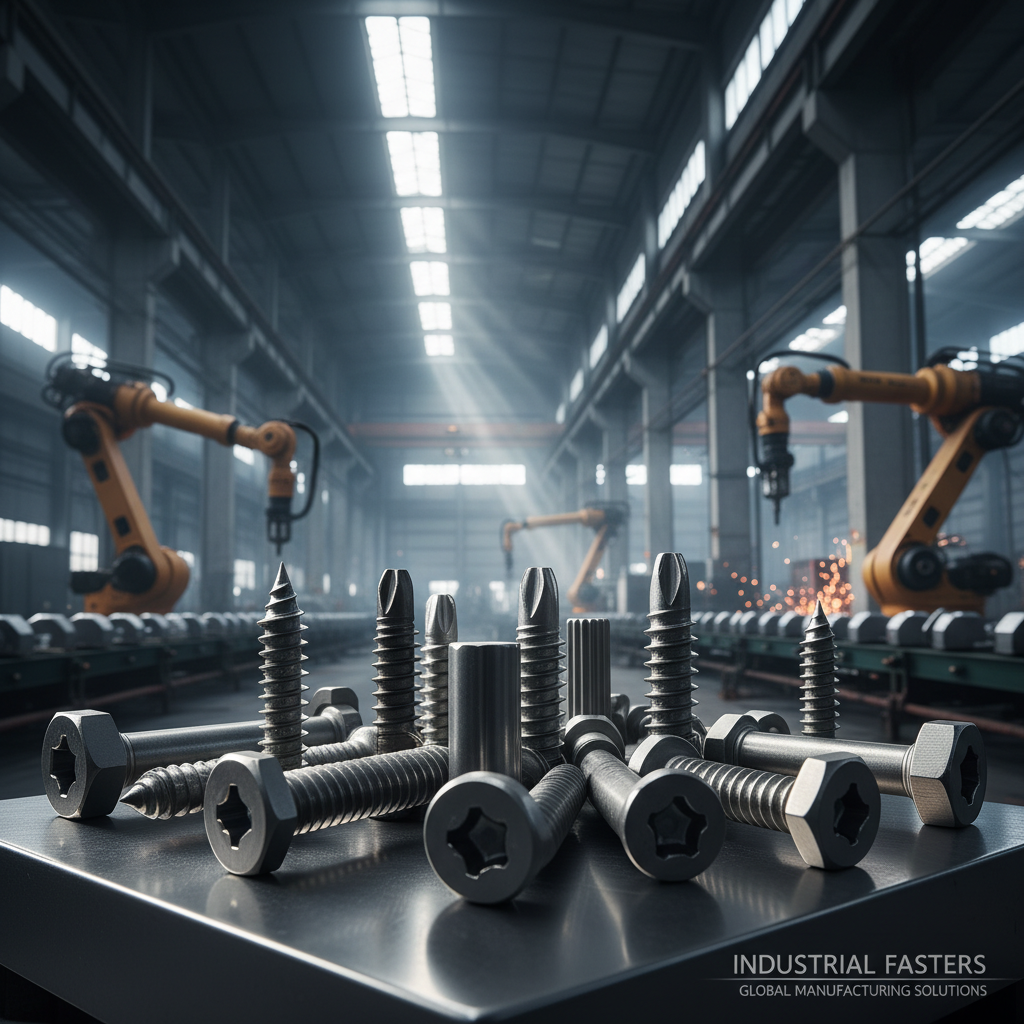
Self-tapping screws are a cornerstone of modern fastening technology, found in countless applications across diverse industries. Understanding the types of self tapping screw available is crucial for engineers, manufacturers, and DIY enthusiasts alike. These screws eliminate the need for pre-tapped holes, streamlining assembly processes and reducing production time. They represent a significant advancement over traditional fastening methods, offering enhanced efficiency and cost-effectiveness.
The global demand for self-tapping screws is substantial, driven by growth in sectors like automotive, aerospace, construction, and electronics. According to a report by Grand View Research, the global fastening screws market size was valued at USD 81.51 billion in 2022 and is expected to grow at a compound annual growth rate (CAGR) of 4.6% from 2023 to 2030. This growth is fuelled by increasing infrastructure development, particularly in emerging economies, and a rising demand for lightweight materials in automotive manufacturing.
A key challenge addressed by the diverse types of self tapping screw is the adaptability required for various materials and applications. A single screw type cannot effectively fasten all materials; therefore, specialized designs have emerged to optimize performance in wood, metal, plastic, and more. This specialization ensures secure and reliable connections, minimizing the risk of failure and enhancing product durability.
Understanding the Diverse Types of Self Tapping Screw
The world of self-tapping screws isn't one-size-fits-all. Numerous types of self tapping screw are designed for specific materials and applications, each possessing unique features. These variations include sheet metal screws, wood screws, dry wall screws, and many more specialized options. Selecting the correct screw type is critical for ensuring a secure and durable fastening solution.
Understanding the nuances between these different types—their thread patterns, point styles, and material compositions—is essential for optimizing performance. For example, a screw designed for sheet metal may not perform well in wood, and vice-versa. Choosing the appropriate screw minimizes the risk of stripping, breaking, or damaging the materials being joined.
Defining Self-Tapping Screws and Their Significance
Self-tapping screws are fasteners that create their own threads as they are driven into a material. Unlike traditional screws that require pre-tapped holes, self-tapping screws eliminate this extra step, significantly reducing assembly time and costs. This feature makes them incredibly valuable in manufacturing, construction, and various other industries.
Their significance extends beyond mere convenience. Self-tapping screws provide a strong and reliable connection, often exceeding the holding power of screws installed into pre-tapped holes. They are particularly useful in situations where creating a pre-tapped hole is impractical or impossible, such as when working with thin materials or in confined spaces.
The ability to streamline the fastening process and create robust joints makes types of self tapping screw integral to modern industrial practices, enabling faster production cycles and improved product quality. They're a fundamental component in countless everyday products and large-scale constructions.
Key Characteristics of Different Self-Tapping Screw Types
Durability is a defining characteristic, influenced by the screw's material composition – typically steel, stainless steel, or brass – and its coating. Stainless steel screws offer superior corrosion resistance, making them ideal for outdoor or marine applications. Thread design also plays a crucial role, with different thread pitches and depths optimized for various materials.
Point style is another critical factor. Type A points, with their sharp, gimlet-like tip, are designed for thin sheet metal. Type B points are blunt and designed for thicker materials, while Type C points are self-drilling and often used in heavier gauge metals. Each point type’s effectiveness hinges on the material’s hardness and thickness.
Head style influences the screw’s appearance and functionality. Flat heads are flush with the surface, pan heads provide a larger bearing surface, and round heads offer a classic aesthetic. The selection depends on the desired look and the required clamping force. Finally, drive types (Phillips, slotted, Torx) impact installation ease and torque transmission.
Application-Specific Considerations for Types of Self Tapping Screw
Selecting the correct types of self tapping screw requires careful consideration of the application’s specific demands. For example, fastening thin sheet metal necessitates screws with sharp Type A points and fine threads to avoid stripping. Conversely, applications involving thicker materials demand screws with Type B or C points and coarser threads for greater holding power.
Performance Comparison of Self-Tapping Screw Types
Global Applications and Industries Utilizing Self-Tapping Screws
The automotive industry relies heavily on types of self tapping screw for assembling vehicle components, from body panels to interior fixtures. Their speed and efficiency significantly contribute to high-volume production lines. The aerospace industry, demanding lightweight yet strong materials, also utilizes specialized self-tapping screws made from high-strength alloys.
In the construction sector, self-tapping screws are used extensively in framing, drywall installation, and roofing applications. Their ease of use and ability to provide secure connections make them a favorite among contractors. Furthermore, the electronics industry utilizes these screws for assembling circuit boards and enclosures, where precision and reliability are paramount.
Advantages and Long-Term Value of Utilizing Self-Tapping Screws
The primary advantage of self-tapping screws lies in their efficiency. The elimination of pre-drilling saves valuable time and labor costs. Beyond cost savings, they offer superior joint strength and durability compared to some traditional fastening methods, reducing the likelihood of failures and rework.
The long-term value is further enhanced by the availability of corrosion-resistant materials like stainless steel, which ensures the longevity of structures and components, even in harsh environments. Investing in high-quality types of self tapping screw translates to reduced maintenance costs and increased product reliability.
Ultimately, choosing self-tapping screws contributes to safer, more sustainable, and more reliable products and infrastructure.
Future Trends and Innovations in Self-Tapping Screw Technology
Current research focuses on developing self-tapping screws with enhanced thread-forming capabilities, reducing the torque required for installation and minimizing stress on materials. New materials, such as titanium alloys and advanced polymers, are being explored to further improve strength, weight, and corrosion resistance.
Digital integration is another emerging trend, with "smart screws" equipped with sensors that monitor stress levels and provide data on joint integrity. These intelligent fasteners will play a crucial role in predictive maintenance and structural health monitoring. Automated screw driving systems, incorporating advanced robotics and vision technology, will further streamline assembly processes.
Sustainability is also driving innovation, with increased focus on using recycled materials and developing biodegradable self-tapping screws for environmentally sensitive applications.
Summary of Self-Tapping Screw Performance Metrics
| Screw Type |
Material Hardness Compatibility (1-10) |
Installation Speed (1-10) |
Corrosion Resistance (1-10) |
| Type A - Sheet Metal Screw |
6 |
9 |
4 |
| Type B - Heavy Gauge Screw |
8 |
7 |
5 |
| Wood Screw |
9 |
8 |
3 |
| Drywall Screw |
5 |
10 |
2 |
| Stainless Steel Screw |
7 |
7 |
10 |
| Titanium Alloy Screw |
8 |
6 |
9 |
FAQS
While both create their own threads, a self-drilling screw has a drill-bit-like point designed to bore a hole before tapping the threads. Self-tapping screws rely on displacing material to form the thread. Self-drilling screws are ideal for thicker materials where a pilot hole is beneficial, while self-tapping screws are quicker for thinner materials. Choosing the right type depends on the material’s thickness and hardness.
Stripping plastic can be avoided by using screws specifically designed for plastic, using a lower torque setting on your driver, and pre-drilling a pilot hole, even if the screw is self-tapping. Using a lubricant specifically designed for plastic can also help reduce friction and improve thread engagement. Ensure you are not over-tightening the screw, as this is the most common cause of stripping.
For outdoor applications, stainless steel is the preferred material due to its excellent corrosion resistance. While galvanized steel offers some protection, it's not as durable in harsh environments. Stainless steel 304 is a common choice for general outdoor use, while 316 offers superior resistance to saltwater and other corrosive elements. Consider the specific environment when making your selection.
The correct screw length depends on the thickness of the materials being joined, as well as the desired amount of thread engagement. As a general rule, you want at least half the screw length to be engaged within the base material. Avoid using screws that are too short, as they won't provide sufficient holding power, and avoid screws that are too long, as they may protrude or damage other components.
Both Phillips and Torx are common drive types, but Torx generally offers better torque transmission and reduces the risk of cam-out (where the driver slips out of the screw head). Torx screws are often preferred in applications where higher torque is required or where cam-out could be a safety hazard. Phillips screws are more widely available and often less expensive.
Yes, but careful selection is crucial. Aluminum is a soft metal prone to stripping. Use self-tapping screws specifically designed for aluminum, featuring a special thread design and a blunt point. Pre-drilling a pilot hole is highly recommended to prevent damage. Consider using a thread-locking compound to enhance holding power and prevent loosening.
Conclusion
In conclusion, understanding the nuances of types of self tapping screw is vital for success across numerous industries. From their efficiency and cost-effectiveness to their durability and adaptability, these fasteners represent a significant advancement in fastening technology. Selecting the correct screw type for a specific application ensures a secure, reliable, and long-lasting connection.
Looking ahead, continued innovation in materials, design, and automation promises to further enhance the performance and sustainability of self-tapping screws. Embracing these advancements will be essential for staying competitive and meeting the evolving demands of modern manufacturing and construction. Visit our website at www.lzfasteners.com to explore our comprehensive range of self-tapping screws and find the perfect solution for your next project.







 English
  Afrikaans
  Arabic
  Bengali
  Bulgarian
  French
  German
  Hindi
Hindi  Indonesian
  Italian
  Japanese
  Korean
  Malay
Malay  Portuguese
  Russian
  Spanish
  Thai
Thai  Turkish
  Urdu
Urdu  Vietnamese