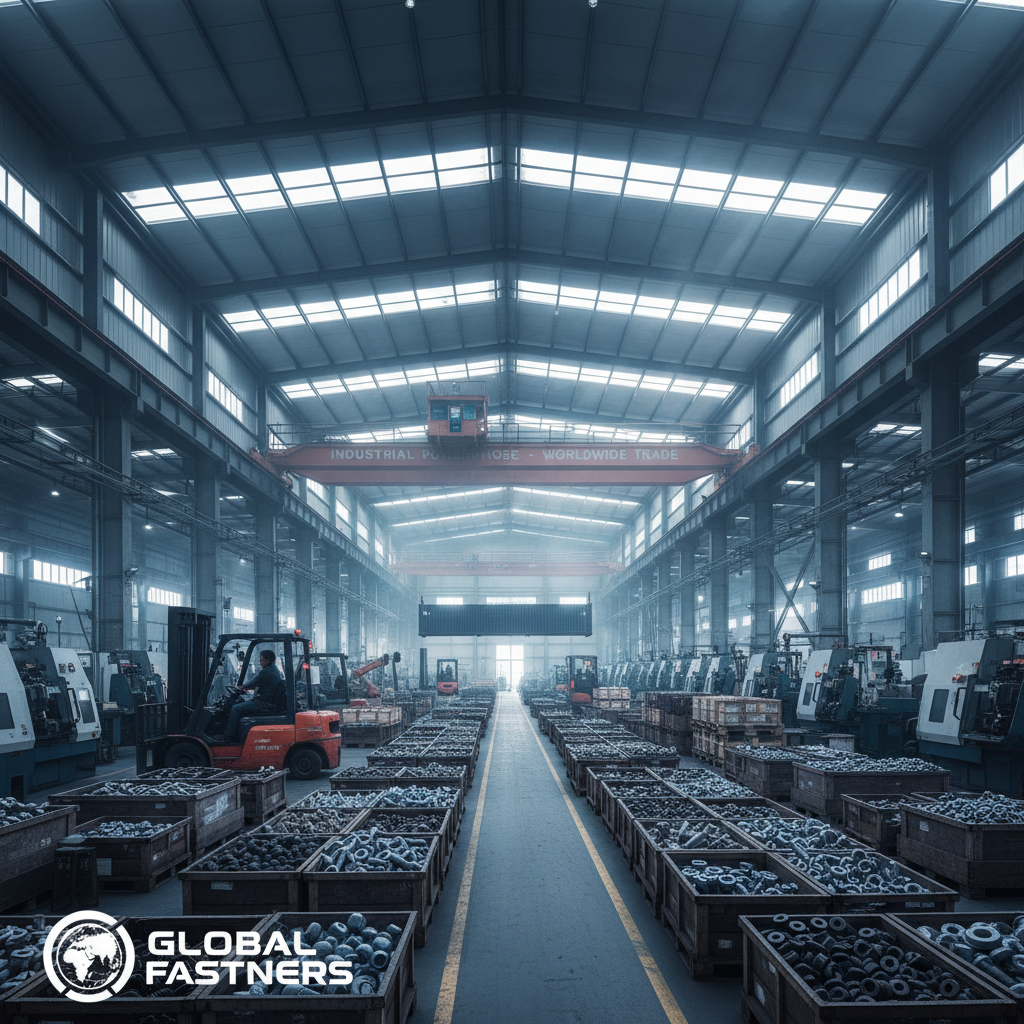
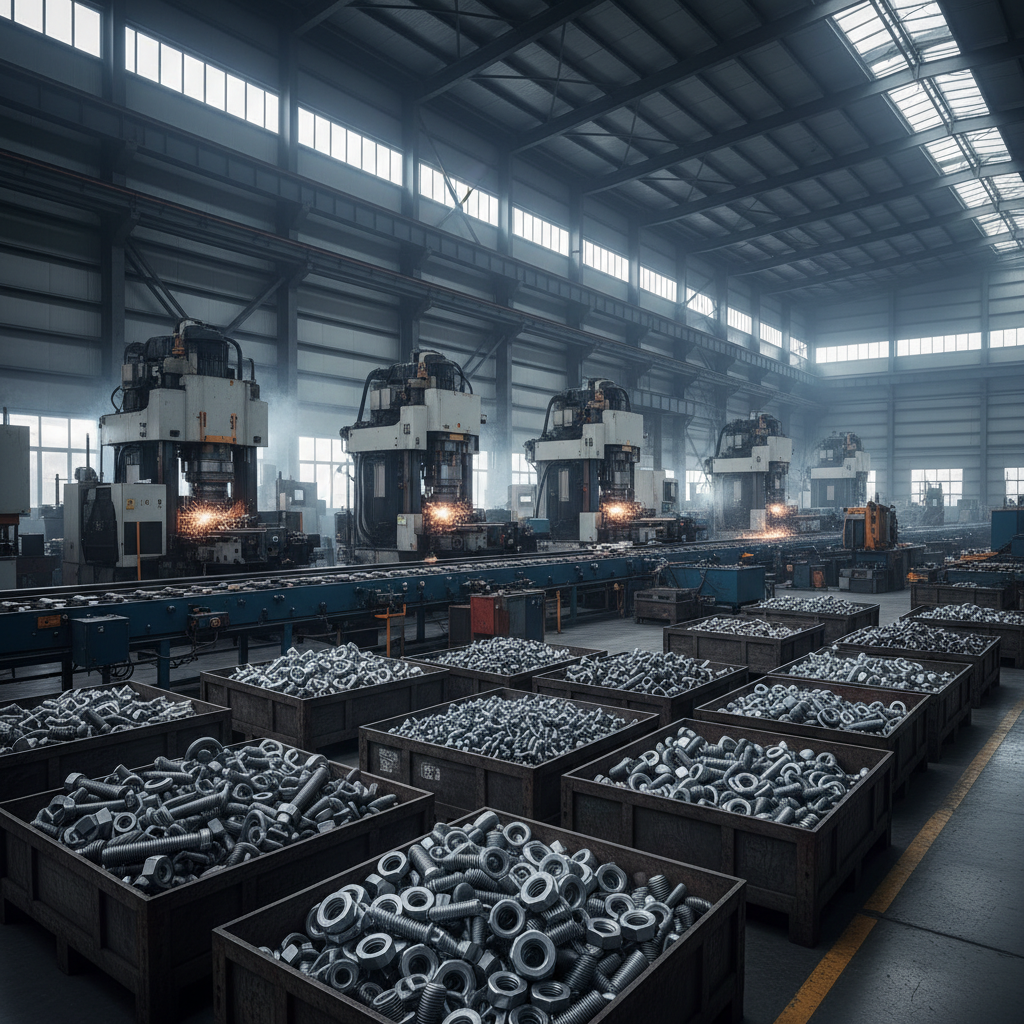
Fastener wholesale is the process of procuring fasteners – bolts, screws, nuts, rivets, and more – in bulk quantities directly from manufacturers or large distributors. This practice is crucial to industries ranging from construction and automotive to aerospace and electronics. Efficient fastener wholesale operations underpin global supply chains, ensuring projects are completed on time and within budget. Understanding the nuances of this sector is vital for businesses aiming to optimize their sourcing strategies and maintain a competitive edge.
The global fastener market is a multi-billion dollar industry, heavily influenced by economic growth, infrastructure development, and manufacturing activity. According to recent reports, the demand for fasteners continues to rise, particularly in emerging economies. However, challenges such as supply chain disruptions, fluctuating raw material prices, and stringent quality control requirements demand a robust and reliable fastener wholesale partner. Effective sourcing isn’t simply about price; it’s about ensuring consistent quality, timely delivery, and long-term sustainability.
Ultimately, proficient fastener wholesale practices translate into significant cost savings, streamlined operations, and reduced risk for businesses across diverse sectors. This makes it a critical component of modern industrial processes and a key driver of economic progress. Navigating the complexities of this landscape requires expertise, a strong network of suppliers, and a commitment to quality and innovation.
The Importance of Fastener Wholesale
In the modern industrial landscape, the efficient procurement of fasteners through wholesale channels is paramount. It directly impacts project timelines, overall costs, and the quality of finished products. Without a reliable fastener wholesale source, businesses risk delays, budget overruns, and compromised structural integrity.
Fastener wholesale isn't merely a transactional process; it's a strategic partnership. It demands a deep understanding of material specifications, industry standards, and logistical considerations. A skilled fastener wholesaler provides not only products but also expertise and support, ensuring clients receive the optimal solutions for their specific needs.
Defining Fastener Wholesale
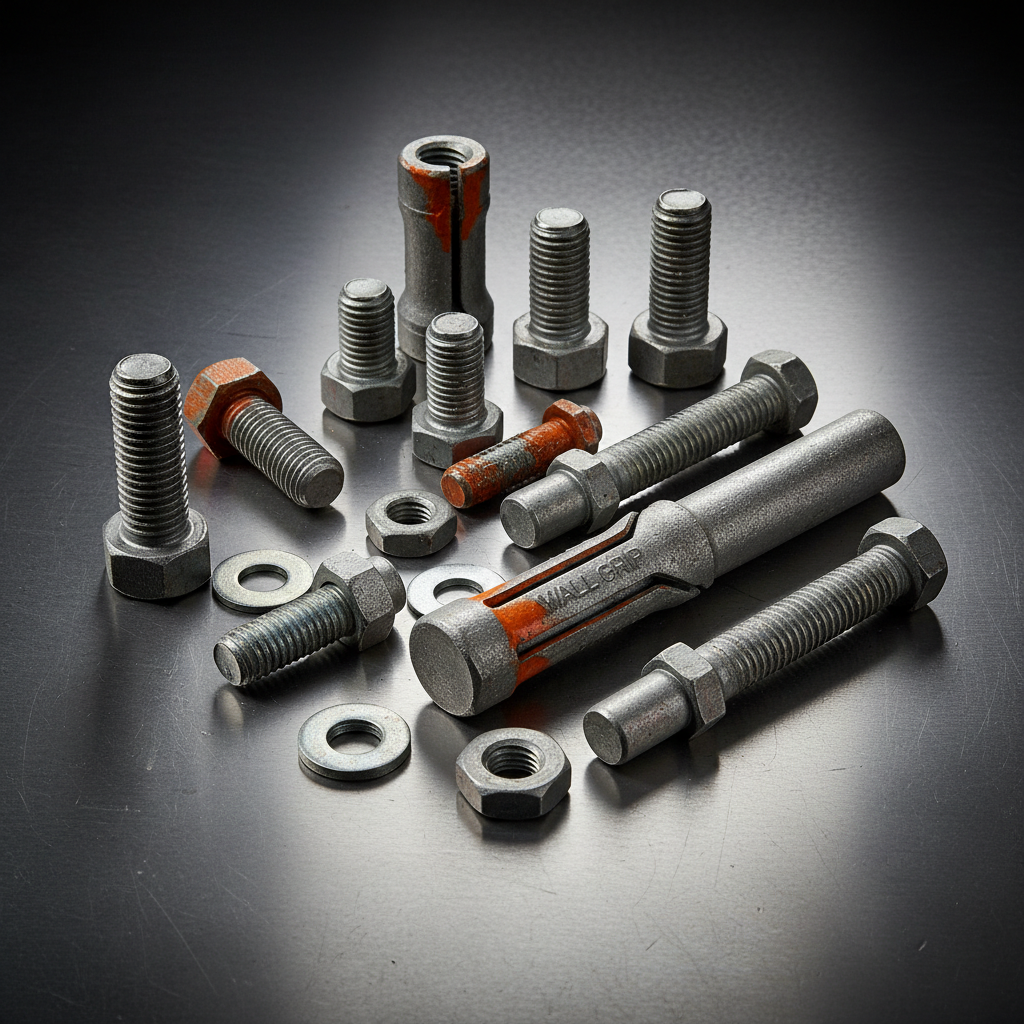
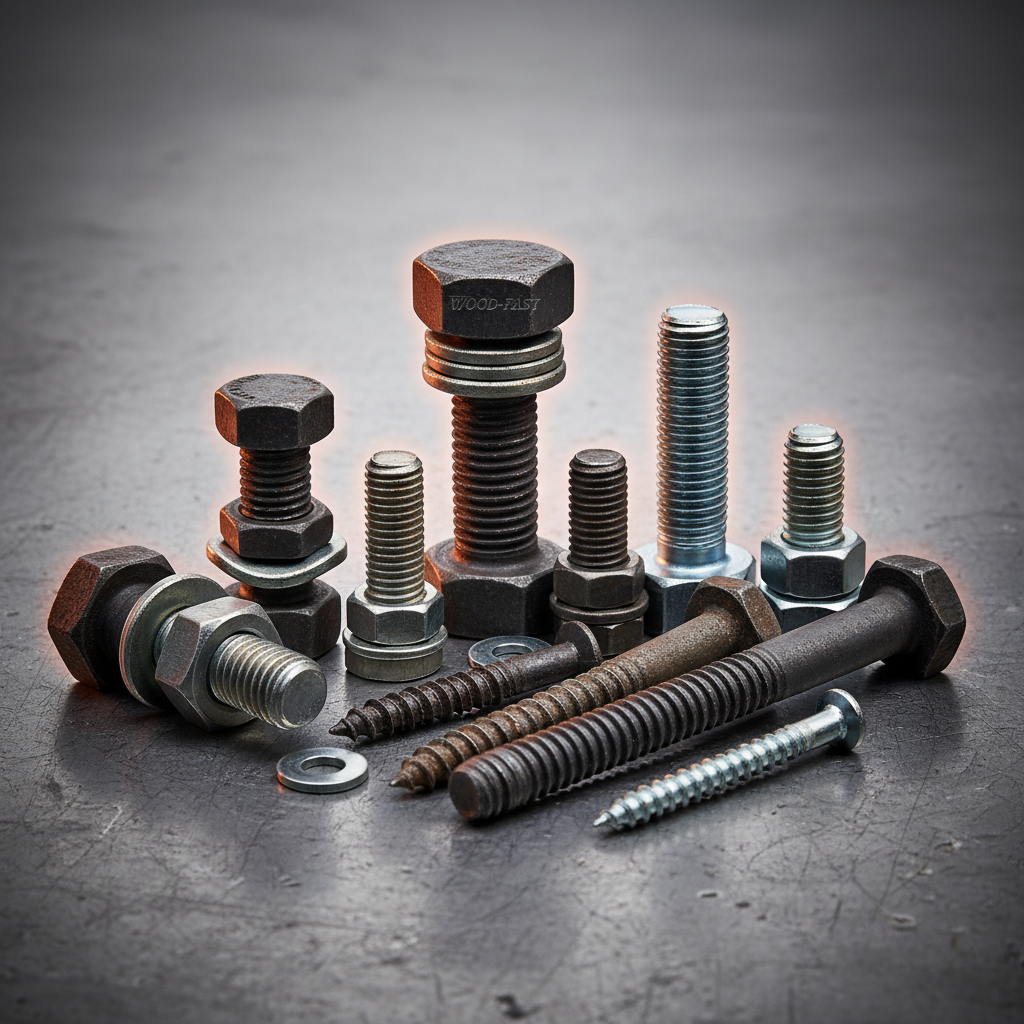
Fastener wholesale refers to the sale of fasteners in large quantities to businesses, rather than individual consumers. These fasteners, encompassing a vast array of types – from standard bolts and screws to specialized rivets and anchors – are sourced directly from manufacturers or through established distribution networks.
This differs from retail sales in several key aspects, notably volume, pricing, and the level of technical support provided. Wholesale operations cater to the needs of industries like construction, manufacturing, automotive, aerospace, and infrastructure, where consistent and reliable fastener supply is crucial.
The connection to modern industry is undeniable. Every structure built, every machine assembled, and every vehicle produced relies on fasteners. And in humanitarian efforts, providing robust and readily available fasteners for shelter construction, infrastructure repair, and disaster relief is essential to meeting basic needs.
Key Components of Effective Fastener Wholesale
Several core components underpin a successful fastener wholesale operation. First is Product Variety – offering a comprehensive range of fasteners to meet diverse client needs. Secondly, Quality Assurance – ensuring all products adhere to stringent industry standards (ISO, ASTM, DIN).
Thirdly, Competitive Pricing – providing cost-effective solutions without compromising quality. Fourth is Reliable Logistics – guaranteeing timely and efficient delivery, even for large and complex orders. Finally, Technical Support – offering expert advice and assistance to clients in selecting the appropriate fasteners for their applications. These elements work synergistically to create a value proposition that attracts and retains customers.
These factors aren't isolated; they are interwoven. For example, a robust quality assurance process necessitates strong relationships with reputable manufacturers, impacting both pricing and product variety. Similarly, efficient logistics depend on having a well-managed inventory and a reliable transportation network.
Global Applications of Fastener Wholesale
The applications of fastener wholesale are remarkably widespread, touching nearly every facet of modern life. In the construction industry, fasteners are essential for building everything from skyscrapers to residential homes. The automotive sector relies heavily on fasteners for assembling vehicles, ensuring safety and reliability.
Fastener Wholesale Distribution by Sector
In aerospace, fasteners must meet incredibly high standards for strength and reliability. Even in remote industrial zones, where access to resources is limited, a dependable fastener wholesale supply chain is essential for maintaining operations.
Advantages and Long-Term Value of Fastener Wholesale
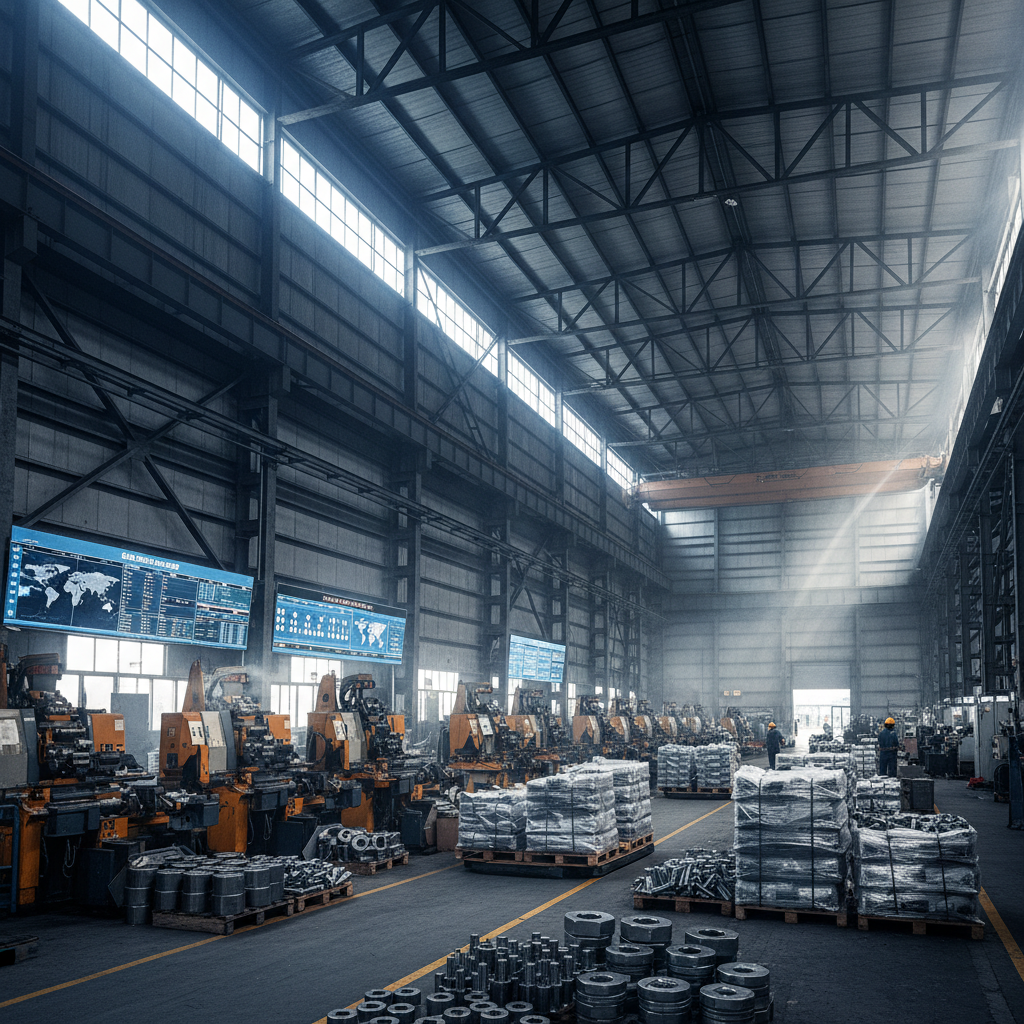
The benefits of utilizing a strategic fastener wholesale partner extend far beyond simple cost savings. Cost efficiency is a primary driver, as bulk purchasing significantly reduces per-unit prices. Supply chain reliability ensures a consistent flow of materials, minimizing disruptions and delays.
Furthermore, fastener wholesale often provides access to a broader range of materials and specifications, enhancing design flexibility. Choosing quality fasteners also contributes to the long-term durability and safety of products. From a sustainability perspective, a streamlined supply chain minimizes waste and reduces environmental impact.
Future Trends in Fastener Wholesale
The fastener wholesale industry is undergoing a significant transformation driven by technological advancements and evolving sustainability concerns. Digitalization is playing a key role, with online platforms and e-commerce solutions streamlining the ordering process and improving transparency.
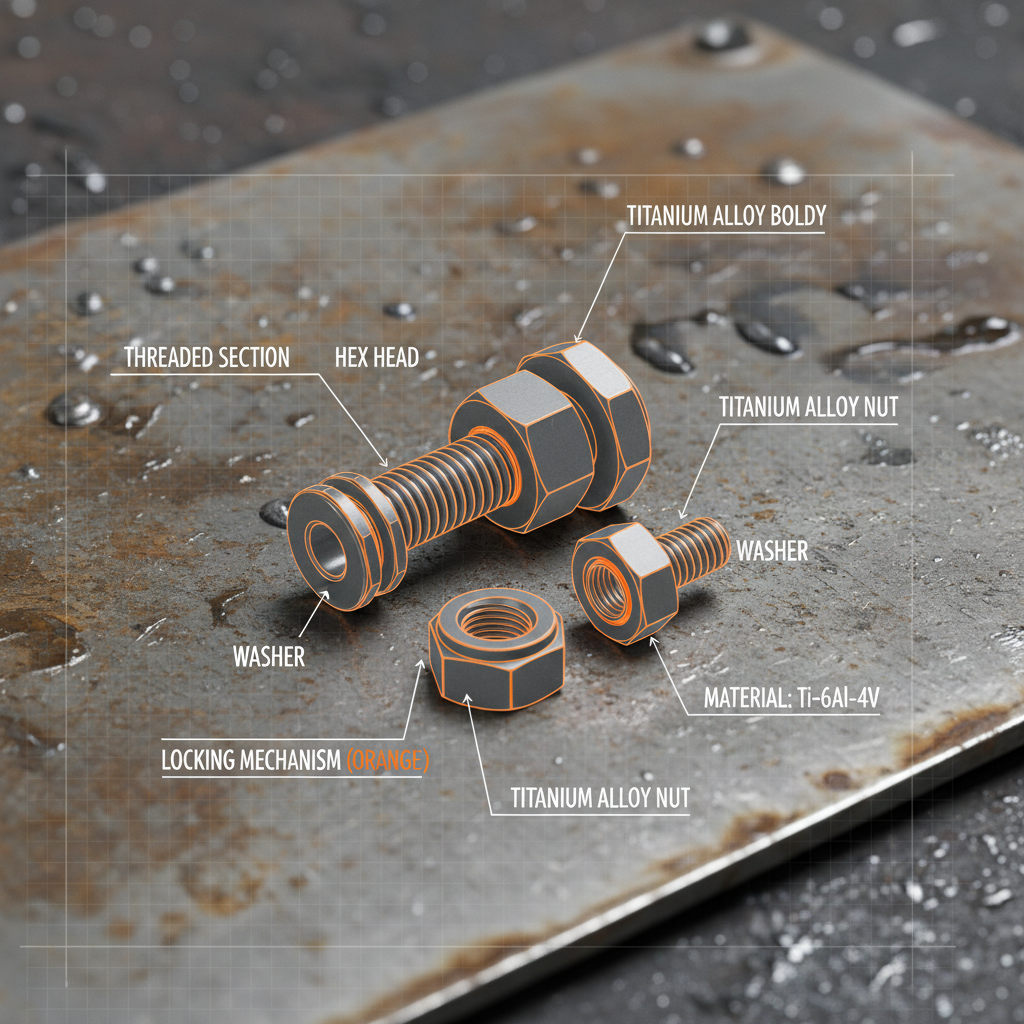
Automation in warehousing and logistics is increasing efficiency and reducing labor costs. Furthermore, there’s a growing demand for sustainable materials and environmentally friendly manufacturing processes. The adoption of advanced materials like high-strength alloys and corrosion-resistant coatings is also gaining traction, driven by the need for longer-lasting and more reliable fasteners.
Challenges and Solutions in Fastener Wholesale
Despite its many advantages, fastener wholesale faces several challenges. Supply chain disruptions, as witnessed during recent global events, can lead to shortages and price volatility. Quality control inconsistencies remain a concern, particularly with imported products.
To mitigate these risks, businesses are adopting strategies such as diversifying their supplier base, implementing rigorous quality assurance protocols, and investing in supply chain visibility technologies. Furthermore, fostering strong relationships with manufacturers and distributors is crucial for ensuring a reliable and responsive supply chain.
Key Challenges and Corresponding Solutions in Fastener Wholesale
| Challenge |
Impact on Operations |
Solution Strategies |
Implementation Difficulty (1-10) |
| Supply Chain Disruptions |
Production Delays, Increased Costs |
Supplier Diversification, Strategic Stockpiling |
6 |
| Quality Control Issues |
Product Failures, Safety Concerns |
Rigorous Inspection Protocols, Certification Requirements |
8 |
| Fluctuating Raw Material Prices |
Margin Erosion, Pricing Instability |
Long-Term Contracts, Hedging Strategies |
7 |
| Logistical Bottlenecks |
Delivery Delays, Increased Shipping Costs |
Optimized Route Planning, Multi-Modal Transportation |
5 |
| Lack of Supply Chain Visibility |
Inventory Management Challenges, Reactive Problem Solving |
Blockchain Integration, Real-Time Tracking Systems |
9 |
| Evolving Industry Standards |
Compliance Risks, Product Obsolescence |
Continuous Training, Proactive Standard Updates |
4 |
FAQS
Fastener wholesale differs significantly from retail purchasing primarily in volume, pricing, and service. Wholesale focuses on large quantities, resulting in lower per-unit costs. Retail caters to individual needs with smaller quantities at higher prices. Wholesale often includes technical support and customized solutions, while retail generally offers standardized products. Wholesale typically requires a business account and larger minimum order quantities.
Ensuring quality begins with selecting a reputable wholesale supplier with established quality control procedures. Look for suppliers with certifications (e.g., ISO 9001). Request material test reports and certificates of conformance. Implement your own inspection process upon receipt, focusing on dimensions, material properties, and surface finish. Consider independent third-party testing for critical applications.
Lead times vary depending on the fastener type, quantity, and supplier's inventory levels. Standard fasteners readily available in stock can often be shipped within a few days. Custom fasteners or large orders may require several weeks or even months. Always confirm lead times with your supplier before placing an order and factor in potential delays due to shipping or customs clearance.
Cost reduction strategies include consolidating orders to leverage volume discounts, negotiating favorable pricing terms with suppliers, and optimizing inventory management to minimize waste. Consider alternative materials or fastener types that offer comparable performance at a lower cost. Exploring long-term contracts can also secure stable pricing and priority access to inventory.
Common fastener materials include carbon steel, stainless steel, alloy steel, brass, and aluminum. Carbon steel is cost-effective and suitable for general applications. Stainless steel offers corrosion resistance for outdoor or harsh environments. Alloy steel provides high strength and durability for demanding applications. Brass is often used for decorative purposes or electrical conductivity. Aluminum is lightweight and corrosion-resistant.
Key industry standards include ISO (International Organization for Standardization), ASTM (American Society for Testing and Materials), DIN (Deutsches Institut für Normung), and ANSI (American National Standards Institute). These standards define material properties, dimensions, tolerances, and testing procedures. Adhering to these standards ensures compatibility, reliability, and safety. Always verify that fasteners meet the relevant standards for your specific application.
Conclusion
In conclusion, fastener wholesale is a critical component of global manufacturing and infrastructure. Efficient and reliable sourcing of fasteners impacts cost, quality, and project timelines across a vast range of industries. Understanding the key components of effective wholesale operations, from product variety and quality assurance to competitive pricing and logistical expertise, is paramount for businesses seeking to optimize their supply chains.
Looking ahead, the fastener wholesale industry will continue to evolve, driven by digitalization, automation, and a growing focus on sustainability. By embracing these trends and proactively addressing challenges, businesses can unlock new opportunities for growth and innovation, ensuring a secure and resilient future for this essential sector. Visit our website at lzfasteners.com to learn more about our wholesale fastener solutions.





 English
  Afrikaans
  Arabic
  Bengali
  Bulgarian
  French
  German
  Hindi
Hindi  Indonesian
  Italian
  Japanese
  Korean
  Malay
Malay  Portuguese
  Russian
  Spanish
  Thai
Thai  Turkish
  Urdu
Urdu  Vietnamese