The world relies on secure and reliable connections, and at the heart of virtually every structure and product lie fasteners. Understanding the diverse types of fasteners isn’t merely a technical detail; it's fundamental to safety, efficiency, and innovation across industries globally. From the towering skyscrapers that define our cities to the intricate components within our everyday devices, these critical elements ensure structural integrity and functionality.
Globally, the fastener market is a multi-billion dollar industry, projected to continue growing with infrastructure development and increasing manufacturing demands. The United Nations estimates a significant need for durable and sustainable building materials in rapidly urbanizing regions, where selecting the right types of fasteners is crucial for long-term resilience. Furthermore, advancements in materials science and engineering are continually introducing new fastener technologies, demanding a comprehensive understanding of their capabilities and limitations.
The challenge lies in selecting the optimal fastener for a given application, considering factors like load requirements, environmental conditions, material compatibility, and cost-effectiveness. A misinformed choice can lead to structural failures, increased maintenance costs, and even safety hazards. Therefore, a dedicated focus on mastering these diverse types of fasteners is paramount for engineers, designers, and manufacturers alike.
The Fundamental Role of types of fasteners
Fasteners are the unsung heroes of modern engineering, providing the essential bonds that hold our world together. They are not simply components; they are critical elements impacting safety, reliability, and longevity across a vast range of applications. Choosing the appropriate types of fasteners is crucial, requiring consideration of material properties, load-bearing capacity, and environmental resistance.
The role of fasteners extends far beyond simply joining materials. They often play a vital part in distributing stress, preventing vibration, and facilitating disassembly for maintenance or repairs. Properly specified types of fasteners contribute directly to the structural integrity and operational efficiency of any assembled product or construction.
Defining types of fasteners and Their Significance
At their core, types of fasteners are mechanical components used to create non-permanent joints. Unlike welding or adhesive bonding, fasteners allow for relatively easy assembly and disassembly, making them essential for manufacturing, construction, and maintenance. This flexibility makes them indispensable for applications where frequent access or adjustments are required.
The significance of selecting the correct fastener extends beyond functionality. Proper fastener selection contributes to cost savings, reduced waste, and improved product performance. Incorrectly specified types of fasteners can lead to premature failures, costly repairs, and even catastrophic accidents.
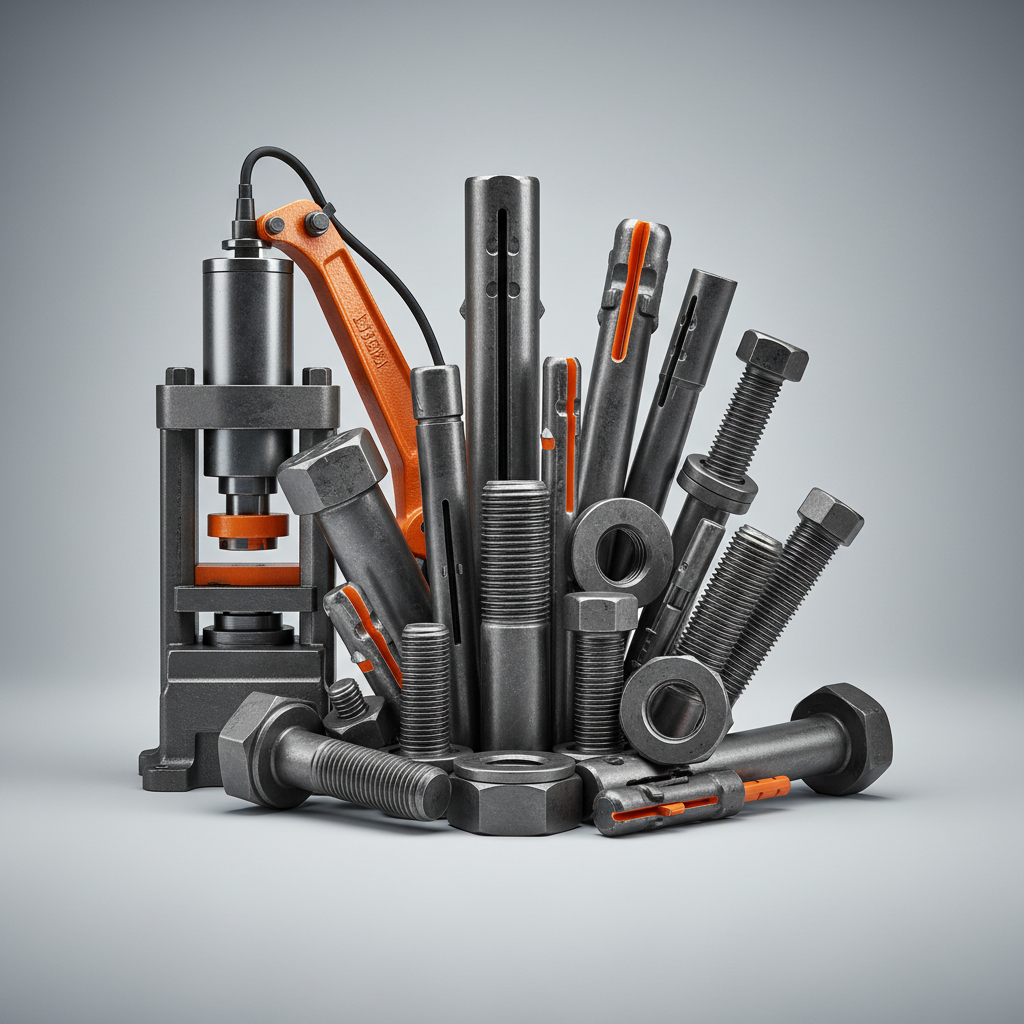
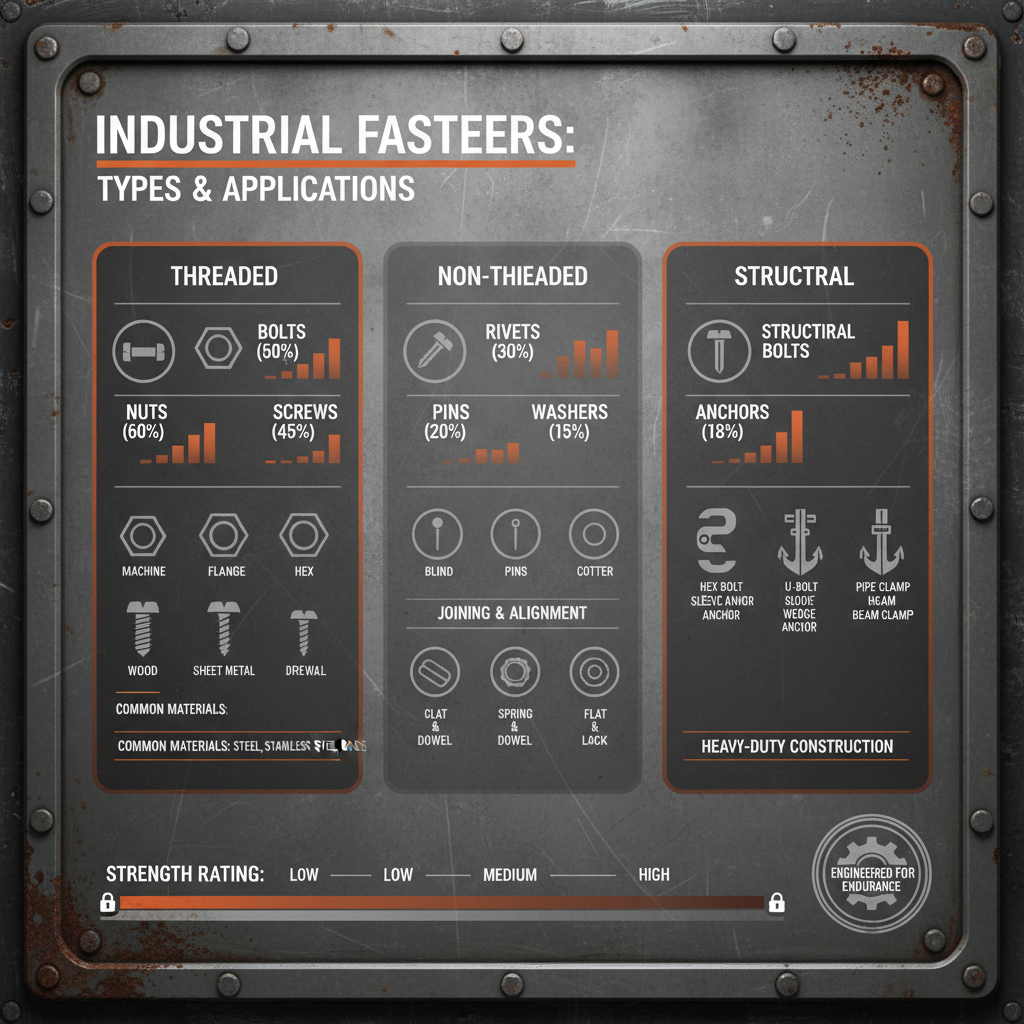
Modern industries demand a deep understanding of the various fastener types available, from common threaded fasteners like bolts and screws to specialized options like rivets, clips, and anchors. Each type possesses unique characteristics suited for specific applications and materials, highlighting the need for informed decision-making.
Key Characteristics of Effective types of fasteners
Effective types of fasteners share several key characteristics. Durability is paramount, ensuring they can withstand applied loads and environmental conditions without failing. This is heavily influenced by the material composition, manufacturing process, and any protective coatings applied.
Another critical characteristic is clamping force. This refers to the pressure exerted between the joined materials, directly affecting the strength and stability of the connection. Higher clamping force generally translates to a more secure joint, but must be balanced with the material limitations of the components being fastened.
Finally, corrosion resistance is a vital consideration, particularly in outdoor or harsh environments. Choosing fasteners made from corrosion-resistant materials or applying protective coatings can significantly extend the lifespan of the assembly and minimize maintenance requirements.
Performance Metrics and Selection Criteria for types of fasteners
Selecting the right types of fasteners requires understanding key performance metrics. Tensile strength measures the fastener's resistance to being pulled apart, while shear strength indicates its resistance to forces applied perpendicularly to its axis. Yield strength defines the point at which the fastener begins to deform permanently.
Beyond strength, other critical selection criteria include material compatibility, considering potential galvanic corrosion between dissimilar metals. Environmental factors, such as temperature, humidity, and exposure to chemicals, also dictate appropriate material choices and coatings.
Comparison of types of fasteners Performance
Global Applications and Industry Specific Uses of types of fasteners
The applications of types of fasteners are incredibly diverse. In the construction industry, they are fundamental to building frameworks, securing cladding, and installing mechanical systems. Automotive manufacturing relies heavily on fasteners for assembling vehicle bodies, engines, and interiors.
Aerospace engineering demands high-strength, lightweight fasteners for critical structural components. Even in smaller-scale applications, such as electronics and medical devices, fasteners play a vital role in assembling intricate components and ensuring reliable functionality.
Advantages of Optimized types of fasteners Solutions
Implementing optimized types of fasteners solutions yields significant advantages. Reduced assembly times translate into increased production efficiency and lower labor costs. Properly selected fasteners also minimize the risk of failures, leading to improved product reliability and enhanced safety.
Furthermore, utilizing specialized fasteners designed for specific applications can contribute to weight reduction, improved aesthetics, and increased design flexibility. These benefits ultimately lead to higher-quality products and enhanced customer satisfaction.
Sustainability is also a growing advantage, with the development of eco-friendly fastener materials and manufacturing processes reducing environmental impact.
Future Trends in types of fasteners Technology and Materials
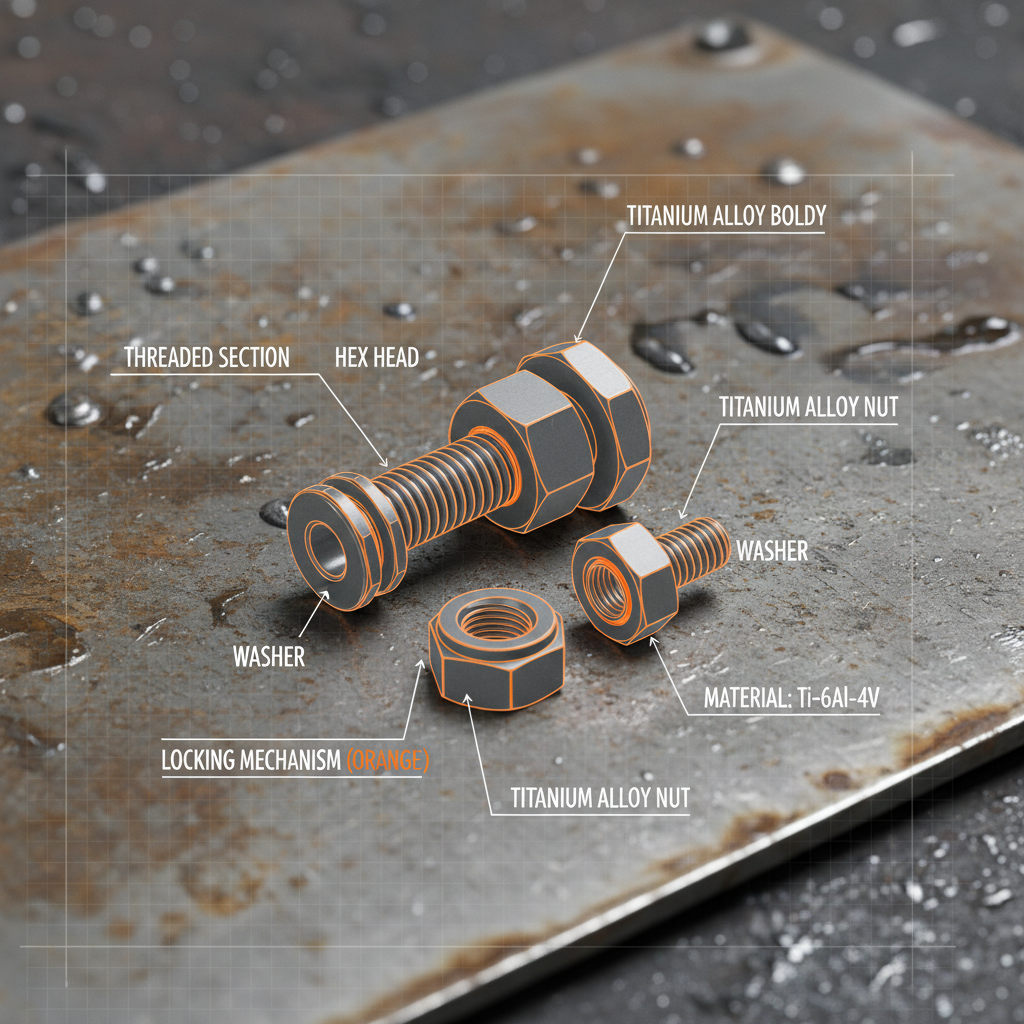
The future of types of fasteners lies in innovative materials and advanced manufacturing techniques. Research is focused on developing stronger, lighter, and more corrosion-resistant alloys, including titanium and nickel-based superalloys.
Self-locking fasteners, smart fasteners with integrated sensors for monitoring stress and torque, and fasteners designed for additive manufacturing are also gaining traction. Automation and robotics are increasingly being employed in fastener production and assembly processes, further enhancing efficiency and precision.
The push towards sustainability is driving the development of biodegradable fasteners and the increased use of recycled materials, aligning with circular economy principles.
Challenges and Solutions in types of fasteners Implementation
Despite advancements, challenges remain in the realm of types of fasteners implementation. Ensuring consistent quality control across global supply chains is a persistent issue. Counterfeit fasteners pose a significant risk, potentially leading to catastrophic failures.
Finding the optimal balance between cost and performance is also a common dilemma. While high-strength, specialized fasteners offer superior performance, they often come with a higher price tag. Thorough analysis and value engineering are crucial for making informed decisions.
Solutions involve implementing robust quality assurance programs, utilizing traceability technologies like RFID tags, and fostering collaboration between fastener manufacturers, engineers, and end-users. Investing in training and education to promote best practices in fastener selection and application is also vital.
Summary of Factors Influencing types of fasteners Selection
| Application Environment |
Material Compatibility |
Load Requirements |
Corrosion Resistance Level |
| Indoor, Dry Climate |
Steel & Aluminum |
Low Static Load |
Minimal |
| Outdoor, Coastal Region |
Stainless Steel & Plastics |
Moderate Dynamic Load |
High |
| High-Temperature Industrial Setting |
High-Nickel Alloys |
High Static & Thermal Load |
Extreme |
| Subsea Application |
Titanium & Specialized Polymers |
High Pressure & Corrosion |
Maximum |
| Automotive Interior |
Steel & Composites |
Light to Moderate |
Moderate |
| Aerospace Applications |
Aluminum & Titanium |
Extreme Dynamic Load |
High |
FAQS
While often used interchangeably, bolts and screws differ fundamentally. Bolts typically have a hexagonal head and are designed to be tightened with a wrench, often using a nut. They primarily rely on clamping force. Screws, conversely, generally have a pointed tip and thread directly into the material, creating their own holding power. Choosing between the two depends on the specific application and the materials being joined.
Material selection is crucial for fastener performance. Carbon steel offers high strength but is susceptible to corrosion. Stainless steel provides excellent corrosion resistance but may have lower tensile strength. Aluminum is lightweight but has limited strength. Titanium offers a superior strength-to-weight ratio and exceptional corrosion resistance, but comes at a higher cost. Matching the fastener material to the application’s environmental conditions and load requirements is vital.
Common causes of fastener failure include corrosion, fatigue, overloading, improper installation, and material defects. Corrosion weakens the fastener over time, while fatigue occurs due to repeated stress cycles. Overloading exceeds the fastener’s strength limit. Incorrect tightening torques or stripping the threads during installation can also lead to failure. Regular inspection and preventative maintenance are essential.
Coatings play a crucial role in protecting fasteners from corrosion and wear. Zinc plating provides sacrificial corrosion protection, while phosphate coatings enhance paint adhesion. Ceramic coatings offer high-temperature resistance. Polymer coatings provide a barrier against chemicals and moisture. The choice of coating depends on the specific environmental conditions and the materials being joined.
Determining the correct torque is essential to ensure a secure joint without damaging the fastener or the joined materials. Torque specifications are typically provided by the manufacturer and depend on factors like fastener size, material, and thread pitch. Using a calibrated torque wrench is crucial for accurate tightening. Overtightening can strip threads, while undertightening can lead to loosening and failure.
Emerging trends in fastener technology include the development of self-locking fasteners with improved vibration resistance, smart fasteners with integrated sensors for monitoring stress and torque, and the use of additive manufacturing (3D printing) to create custom fasteners with complex geometries. Furthermore, sustainable materials and manufacturing processes are gaining prominence.
Conclusion
Understanding the diverse types of fasteners, their properties, and applications is paramount for success in a wide range of industries. From ensuring structural integrity in buildings and bridges to optimizing performance in automotive and aerospace applications, these often-overlooked components play a critical role in our modern world. By prioritizing material selection, proper installation, and ongoing maintenance, we can maximize the reliability and longevity of these essential connections.
Looking ahead, continued innovation in fastener materials, manufacturing techniques, and monitoring technologies promises to further enhance performance, sustainability, and safety. Investing in knowledge and embracing these advancements will be essential for engineers, designers, and manufacturers seeking to build a more resilient and efficient future.






 English
  Afrikaans
  Arabic
  Bengali
  Bulgarian
  French
  German
  Hindi
Hindi  Indonesian
  Italian
  Japanese
  Korean
  Malay
Malay  Portuguese
  Russian
  Spanish
  Thai
Thai  Turkish
  Urdu
Urdu  Vietnamese