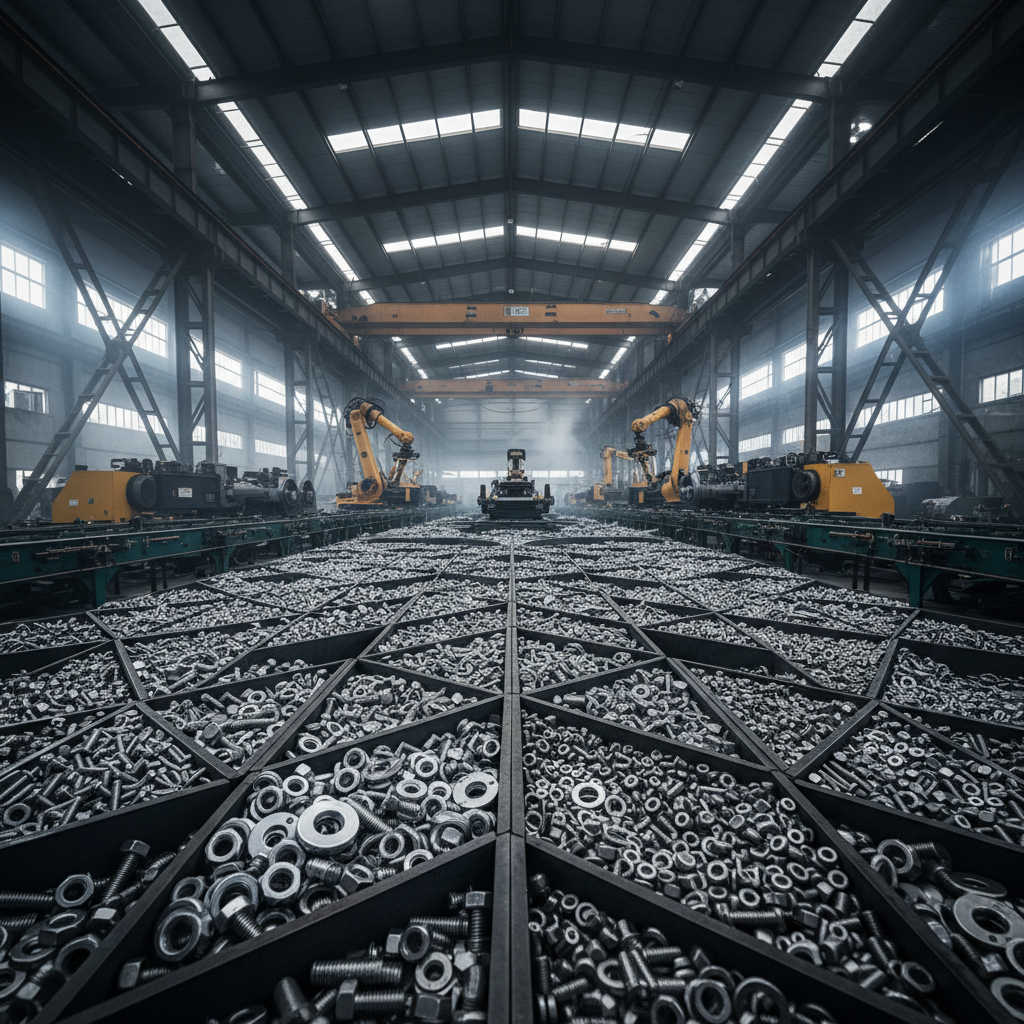
Stainless fasteners are ubiquitous in modern construction, engineering, and manufacturing, playing a crucial role in ensuring structural integrity and longevity across a diverse range of applications. From towering skyscrapers and critical infrastructure projects to everyday appliances and medical devices, these specialized fasteners provide the reliable joining solutions demanded by demanding environments. The global demand for stainless fasteners is driven by increased industrialization, infrastructure development, and a growing emphasis on corrosion resistance and durability, particularly in challenging climates and harsh chemical environments.
The importance of stainless fasteners extends beyond mere mechanical functionality. They contribute significantly to safety, cost-effectiveness, and sustainability in numerous sectors. Unlike carbon steel fasteners, which are susceptible to rust and corrosion, stainless fasteners offer extended service life, reducing maintenance costs and minimizing the risk of failure. This is particularly critical in industries such as aerospace, marine, and healthcare, where component reliability is paramount. The versatility of stainless steel alloys allows for tailored solutions to meet specific performance requirements.
Understanding the nuances of stainless fasteners – their different grades, manufacturing processes, and application guidelines – is vital for engineers, designers, and procurement professionals. Selecting the correct fastener for a given application can dramatically improve performance, reduce life-cycle costs, and ensure the long-term reliability of assembled products and structures. This guide provides a comprehensive overview of stainless fasteners, exploring their key features, applications, and future trends.
The Importance of Stainless Fasteners
Stainless fasteners are indispensable components in a wide array of industries, offering superior corrosion resistance, strength, and durability compared to traditional carbon steel alternatives. Their ability to withstand harsh environments, including exposure to saltwater, chemicals, and extreme temperatures, makes them essential for applications where reliability and longevity are critical. This is particularly true in infrastructure projects like bridges and offshore platforms, where fastener failure can have catastrophic consequences.
The consistent demand for stainless fasteners is fueled by a global push towards more sustainable and resilient infrastructure. Investing in high-quality stainless fasteners reduces the need for frequent repairs and replacements, minimizing lifecycle costs and environmental impact. Furthermore, the versatility of stainless steel alloys allows for customization to meet specific performance requirements in diverse applications.
Defining Stainless Fasteners
Stainless fasteners are mechanical components used to securely join materials together, fabricated from stainless steel alloys. These alloys are characterized by a minimum chromium content of 10.5%, which forms a passive layer of chromium oxide on the surface, protecting the underlying metal from corrosion. Stainless steel isn't a single material; it encompasses a family of alloys with varying compositions that dictate their specific properties.
The connection to modern industry is profound. Without reliable joining solutions like stainless fasteners, many complex assemblies – from aircraft engines to medical implants – wouldn't be feasible. They are fundamental to the manufacturing process, enabling the creation of durable, safe, and high-performing products. Their role also extends to humanitarian needs, contributing to the construction of resilient shelters and providing essential infrastructure in disaster relief efforts.
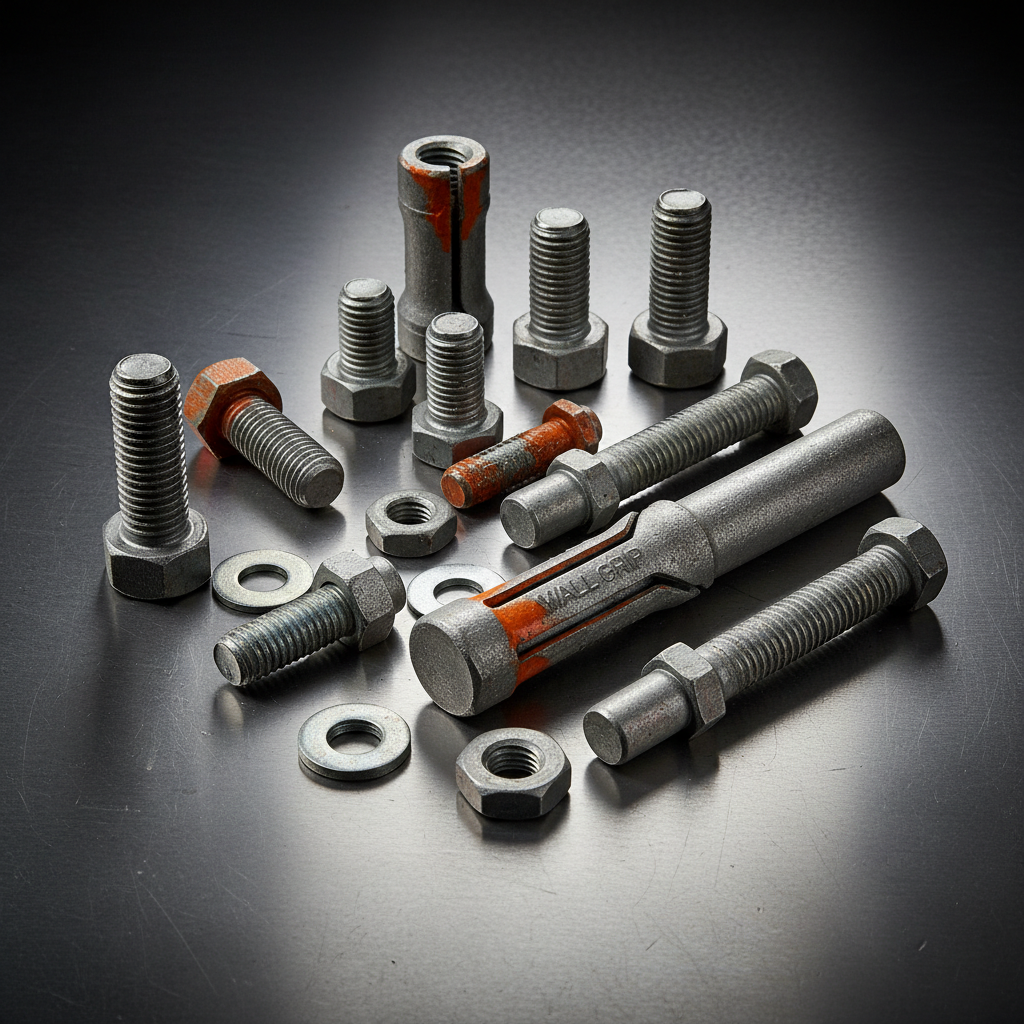
Crucially, the type of stainless steel used significantly impacts the fastener’s performance. Common grades include 304, 316, and 410, each offering different levels of corrosion resistance, strength, and weldability. Choosing the appropriate grade is paramount for ensuring optimal performance and longevity in a given application.
Core Characteristics of Stainless Fasteners
Durability is a defining characteristic of stainless fasteners. The inherent corrosion resistance of stainless steel, combined with its high tensile strength, ensures a long service life even in aggressive environments. This reduces the need for frequent replacements, lowering lifecycle costs and minimizing downtime.
Versatility is another key advantage. Stainless steel can be heat-treated and cold-worked to achieve a wide range of mechanical properties, allowing for the creation of fasteners tailored to specific application requirements. This includes varying levels of strength, hardness, and ductility.
Hygienic properties make stainless fasteners ideal for use in food processing, pharmaceutical, and medical industries. The smooth, non-porous surface of stainless steel resists bacterial adhesion and is easily sterilized, ensuring product purity and safety. The material also doesn’t leach harmful substances into the application.
Stainless Fastener Performance Metrics
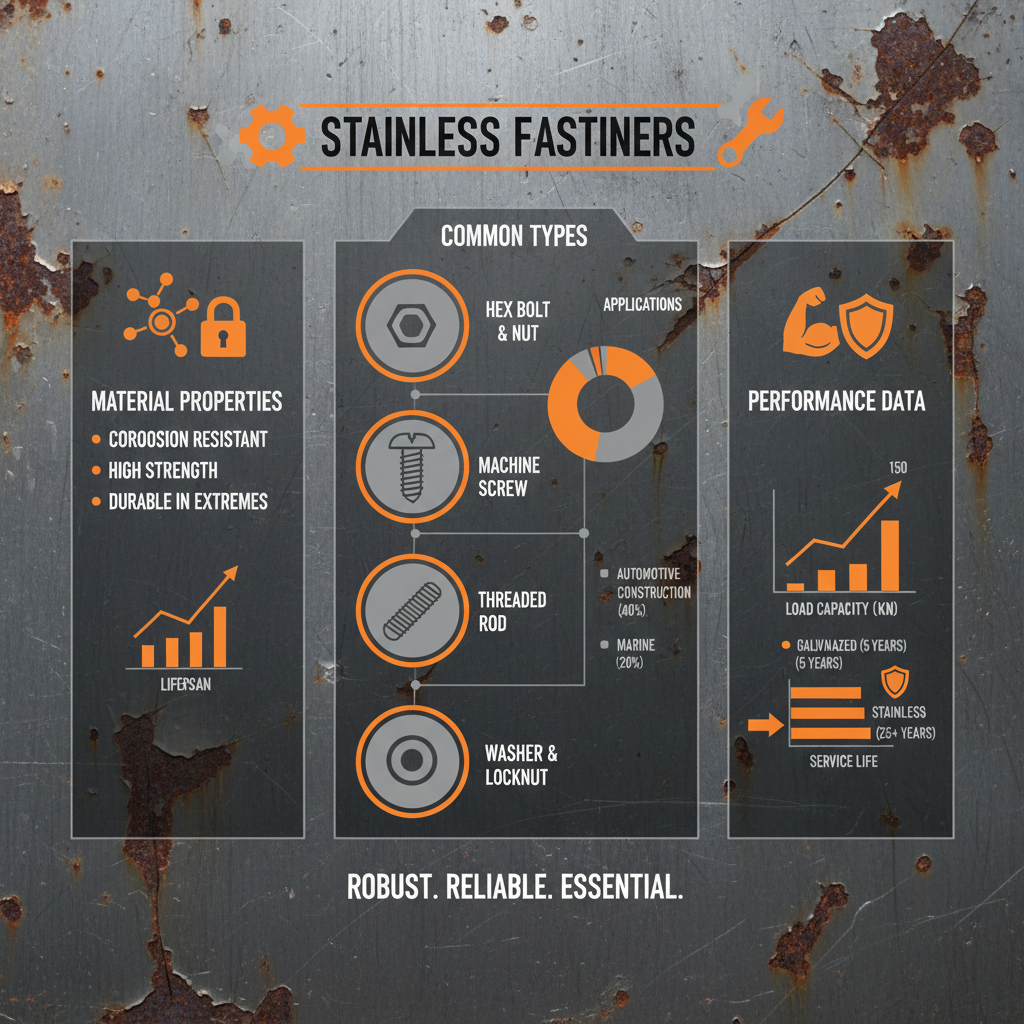
Assessing the performance of stainless fasteners requires understanding several key metrics. Tensile strength, measured in MPa or PSI, indicates the fastener’s ability to resist stretching under load. Yield strength defines the point at which permanent deformation begins. Shear strength is crucial for applications involving forces applied perpendicular to the fastener axis.
Corrosion resistance is typically evaluated using standardized tests, such as salt spray testing, which assesses the material's ability to withstand exposure to corrosive environments. Hardness, measured using the Rockwell or Vickers scales, influences the fastener’s resistance to wear and damage.
Stainless Fastener Performance Comparison
Global Applications of Stainless Fasteners
The construction industry is a major consumer of stainless fasteners, utilizing them in building facades, structural supports, and roofing systems. Marine applications, including shipbuilding and offshore platforms, rely heavily on stainless fasteners due to their superior corrosion resistance in saltwater environments.
The chemical processing industry employs stainless fasteners in pipelines, reactors, and storage tanks to withstand harsh chemicals and corrosive fluids. The food and beverage industry uses them in processing equipment and packaging machinery to maintain hygiene and prevent contamination. In post-disaster relief operations, stainless fasteners are used in the construction of temporary shelters and vital infrastructure due to their durability and resistance to environmental factors.
The Value Proposition of Stainless Fasteners
The primary advantage of stainless fasteners is their exceptional lifespan, reducing maintenance and replacement costs. This translates to significant savings over the long term, particularly in applications where access for repairs is difficult or expensive. Furthermore, their corrosion resistance minimizes the risk of structural failure, enhancing safety and reliability.
From a sustainability perspective, stainless fasteners contribute to a circular economy. Stainless steel is 100% recyclable, allowing for the recovery and reuse of valuable materials. Their durability reduces waste associated with frequent replacements, minimizing environmental impact. Choosing stainless fasteners demonstrates a commitment to quality, safety, and long-term value.
The use of stainless fasteners fosters trust and confidence in the integrity of assembled products and structures. They provide peace of mind knowing that critical connections are secure and reliable, even in the most demanding conditions. This is particularly important in industries where public safety is paramount, such as aerospace and healthcare.
Future Trends in Stainless Fastener Technology
The development of new stainless steel alloys with enhanced properties is an ongoing trend. Researchers are focusing on improving corrosion resistance, strength, and formability while reducing material costs. Additive manufacturing (3D printing) is emerging as a promising technique for producing custom stainless fasteners with complex geometries.
Digital transformation is also impacting the stainless fastener industry. Smart fasteners equipped with sensors can monitor stress levels, temperature, and corrosion rates, providing valuable data for predictive maintenance and structural health monitoring. Automation and robotics are being implemented in manufacturing processes to improve efficiency and reduce production costs.
Sustainability is a key driver of innovation. There's a growing demand for stainless fasteners made from recycled materials and manufactured using eco-friendly processes. Furthermore, the development of coatings and surface treatments that enhance corrosion resistance and reduce the need for hazardous chemicals is gaining traction.
FAQS
While both 304 and 316 stainless steel offer excellent corrosion resistance, 316 contains molybdenum, which significantly enhances its resistance to chloride corrosion. This makes 316 ideal for marine environments, chemical processing, and applications involving exposure to de-icing salts. 304 is generally more cost-effective and suitable for less harsh environments.
Determining the correct size and grade requires considering factors such as the load requirements, operating temperature, environmental conditions, and material compatibility. Consulting with a qualified engineer or fastener specialist is recommended. Online resources and fastener catalogs can provide guidance, but professional advice is crucial for ensuring a safe and reliable connection.
No, stainless steel is not completely immune to corrosion. While highly resistant, it can still be susceptible to certain types of corrosion, such as pitting corrosion and crevice corrosion, particularly in aggressive environments. Proper material selection, surface treatment, and maintenance are essential for maximizing corrosion resistance.
Avoid using carbon steel tools when installing stainless fasteners, as this can introduce iron particles that lead to corrosion. Use appropriate lubricants designed for stainless steel. Ensure proper sealing to prevent moisture ingress. Consider using anti-seize compounds to facilitate future disassembly.
Yes, certain grades of stainless steel fasteners can be welded, but it requires careful consideration and specialized techniques. The weldability depends on the alloy composition and the welding process used. Post-weld heat treatment may be necessary to restore corrosion resistance. Always consult with a welding expert.
Stainless steel fasteners generally have a higher upfront cost than carbon steel fasteners. However, their superior durability and corrosion resistance often result in lower lifecycle costs due to reduced maintenance, replacements, and downtime. The long-term value proposition of stainless fasteners makes them a cost-effective choice in many applications.
Conclusion
Stainless fasteners represent a critical component in modern engineering and construction, offering unparalleled durability, corrosion resistance, and reliability. From infrastructure projects and industrial applications to everyday products, these specialized fasteners contribute significantly to safety, sustainability, and long-term cost savings. Understanding their properties, applications, and future trends is vital for professionals across various industries.
Investing in high-quality stainless fasteners is an investment in the future. As technology advances and the demand for sustainable solutions grows, stainless fasteners will continue to play a pivotal role in shaping a more resilient and efficient world. Explore our comprehensive range of stainless fasteners and discover how we can help you meet your specific application needs.







 English
  Afrikaans
  Arabic
  Bengali
  Bulgarian
  French
  German
  Hindi
Hindi  Indonesian
  Italian
  Japanese
  Korean
  Malay
Malay  Portuguese
  Russian
  Spanish
  Thai
Thai  Turkish
  Urdu
Urdu  Vietnamese