Panel fasteners are becoming increasingly critical components across diverse industries, from construction and automotive to aerospace and renewable energy. These specialized fasteners are designed for quick, secure, and often tool-less attachment and removal of panels, offering significant advantages over traditional bolting or welding methods. Their ability to streamline assembly processes, reduce labor costs, and facilitate maintenance access makes them essential for modern manufacturing and infrastructure projects. Understanding their nuances is key to optimizing designs and ensuring long-term performance.
Globally, the demand for efficient and adaptable fastening solutions is skyrocketing, driven by the need for faster production cycles, improved product quality, and reduced operational expenses. The increasing complexity of modern products and structures necessitates fasteners that can handle varying loads, environmental conditions, and assembly requirements. This trend is particularly pronounced in sectors like prefabricated construction and modular housing, where panel fasteners play a pivotal role in rapid deployment and scalability.
The proliferation of panel fasteners isn't merely a technological advancement; it's a response to evolving industrial needs and a drive towards more sustainable and efficient practices. The ease of disassembly and reassembly offered by these fasteners supports circular economy principles, enabling easier repair, repurposing, and material recovery. Furthermore, their contribution to faster build times and reduced waste makes them an important enabler of greener construction practices.
Introduction to Panel Fasteners
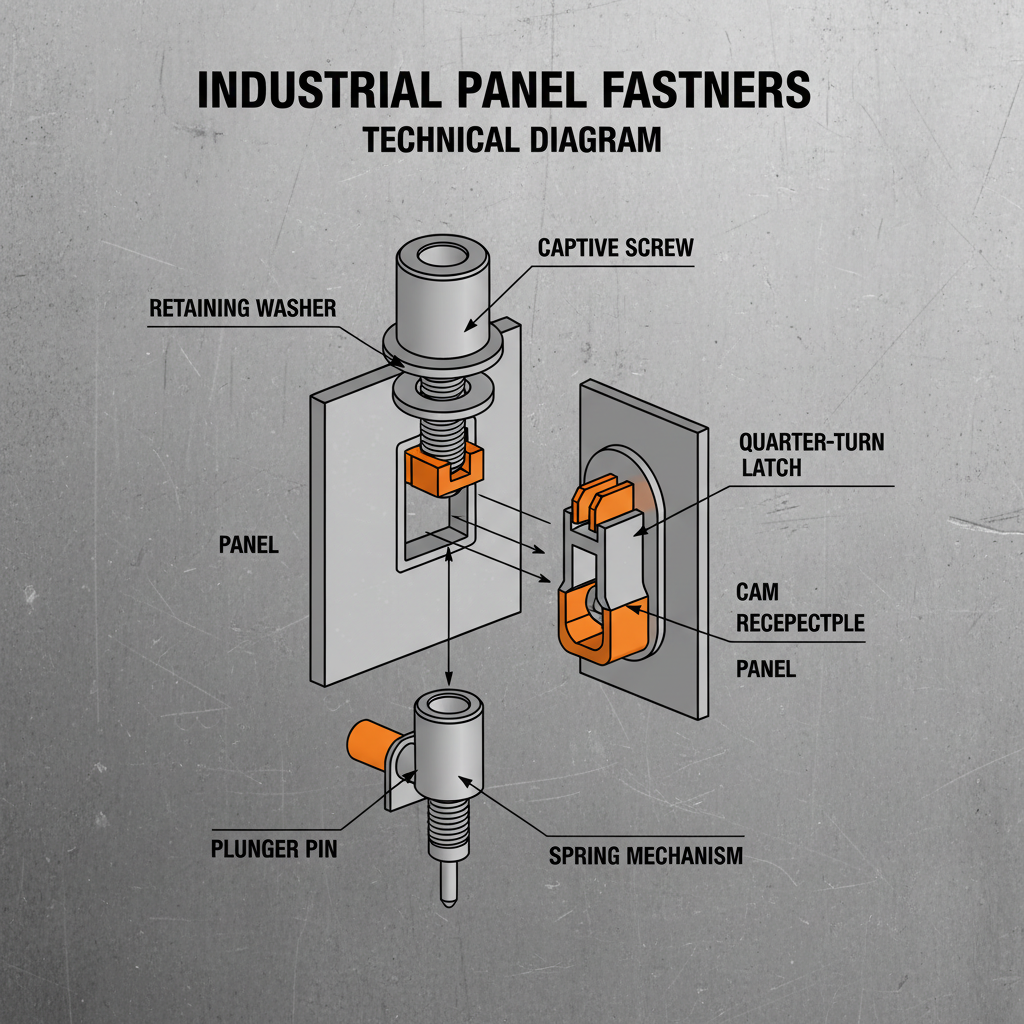
Panel fasteners represent a significant evolution in joining technology. Unlike traditional methods like welding or permanent adhesives, these fasteners offer a secure yet reversible connection, making them ideal for applications where access for maintenance, modification, or disassembly is required. The diversity within panel fasteners is substantial, encompassing quarter-turn fasteners, cam lock fasteners, draw latches, and more, each suited to specific load requirements and application environments.
The increasing adoption of panel fasteners is driven by a desire for improved efficiency, reduced costs, and enhanced product lifespan. In industries ranging from automotive assembly to aerospace engineering, minimizing downtime for repairs and facilitating easier upgrades are critical factors. This demand fosters continuous innovation in the design and materials used in panel fasteners, resulting in stronger, more durable, and more versatile solutions.
The Global Relevance of Panel Fasteners
The global market for panel fasteners is experiencing steady growth, fueled by expansion in key sectors like construction, automotive, and aerospace. According to reports from industry analysts, the demand for these fasteners is projected to increase by approximately 6% annually over the next five years. This growth is particularly strong in emerging economies, where rapid infrastructure development and increasing manufacturing output are driving demand for efficient assembly solutions. The UN estimates that over 1.6 billion people worldwide lack adequate housing, creating a significant opportunity for prefabricated and modular construction—a segment heavily reliant on panel fasteners.
A significant challenge addressed by panel fasteners is the need for rapid deployment in disaster relief scenarios. Traditional construction methods can be slow and resource-intensive, whereas prefabricated structures using panel fasteners can be erected quickly and efficiently, providing immediate shelter and essential facilities to affected communities. The World Bank consistently emphasizes the importance of resilient infrastructure, and panel fasteners contribute directly to achieving this goal.
Furthermore, adherence to international standards such as ISO 9001 ensures the consistent quality and reliability of panel fasteners. This standardization is critical for global trade and facilitates the seamless integration of these components into complex supply chains. The need for robust, standardized fastening solutions is becoming increasingly apparent as global manufacturing becomes more interconnected.
Defining Panel Fasteners
Panel fasteners are mechanical devices designed to securely connect panels or components without the need for permanent joining methods like welding or adhesives. They offer a non-destructive connection, allowing for easy disassembly and reassembly, which is crucial for maintenance, repairs, and product upgrades. Unlike traditional bolts and screws, many panel fasteners offer quick-release mechanisms or require minimal tooling for installation and removal.
Their connection to modern industry is profound. Panel fasteners are integral to the production of vehicles, aircraft, electronic devices, and prefabricated buildings. They facilitate mass production by streamlining assembly processes and reducing labor costs. In humanitarian contexts, their use in rapidly deployable shelters and medical facilities provides critical support in emergency situations.
The very essence of a panel fastener lies in its ability to provide a reliable, repeatable, and reversible connection. This makes them particularly suitable for applications where access to internal components is required, or where the panels may need to be replaced or repositioned over time. Their adaptability is a key factor in their widespread adoption across numerous industries.
Core Components of Effective Panel Fasteners
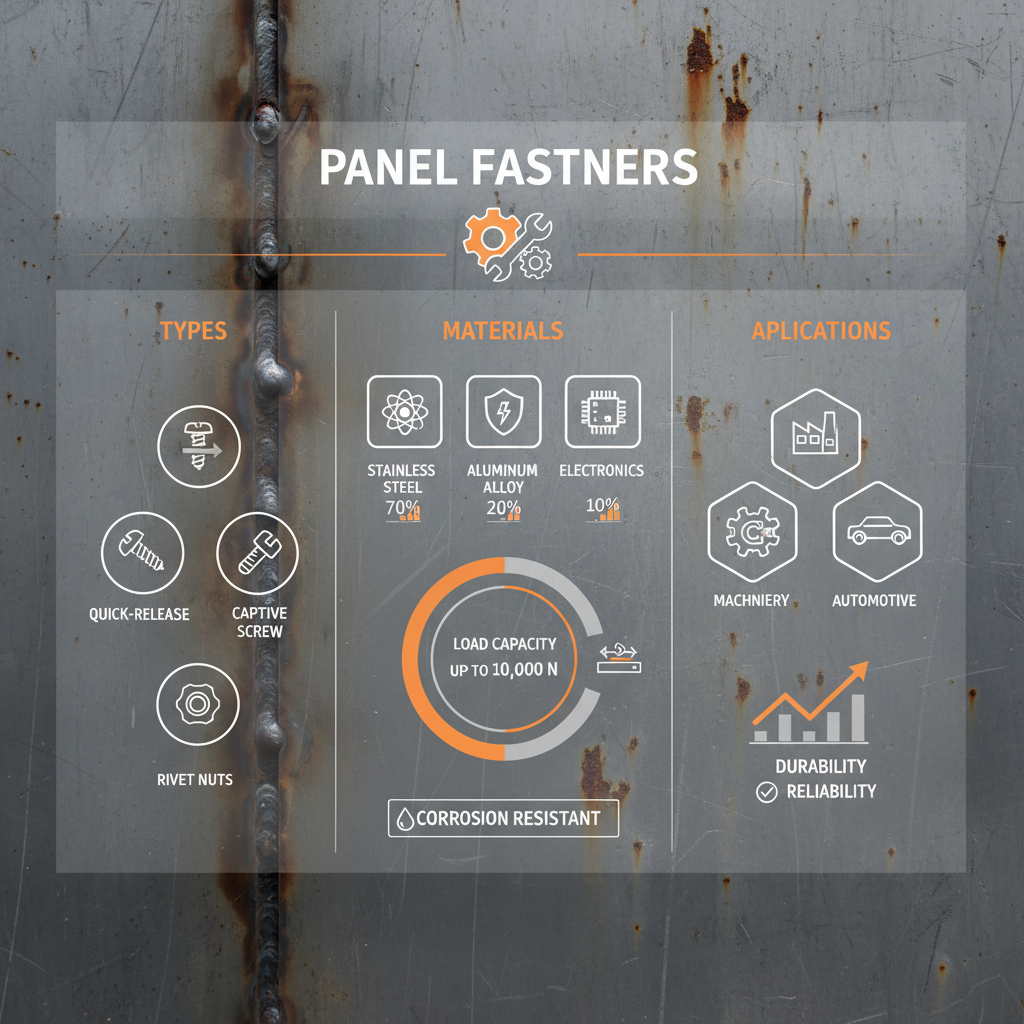
Durability is paramount. Panel fasteners are often subjected to significant stress and environmental factors, necessitating materials like stainless steel, aluminum alloys, and high-strength polymers. The ability to withstand corrosion, vibration, and temperature extremes is crucial for long-term performance and reliability. Selecting the correct material grade is critical to ensure the fastener’s longevity.
Scalability refers to the ability of the fastening system to accommodate varying panel thicknesses and sizes. Effective panel fastener designs allow for adjustments and customizations to suit specific application requirements. This scalability is especially important in industries like aerospace and automotive where different vehicle models or aircraft configurations require diverse fastening solutions.
Cost efficiency is another vital consideration. While initial material costs may vary, the reduced assembly time and ease of maintenance offered by panel fasteners often translate into significant long-term savings. Furthermore, their reusability minimizes waste and lowers replacement costs.
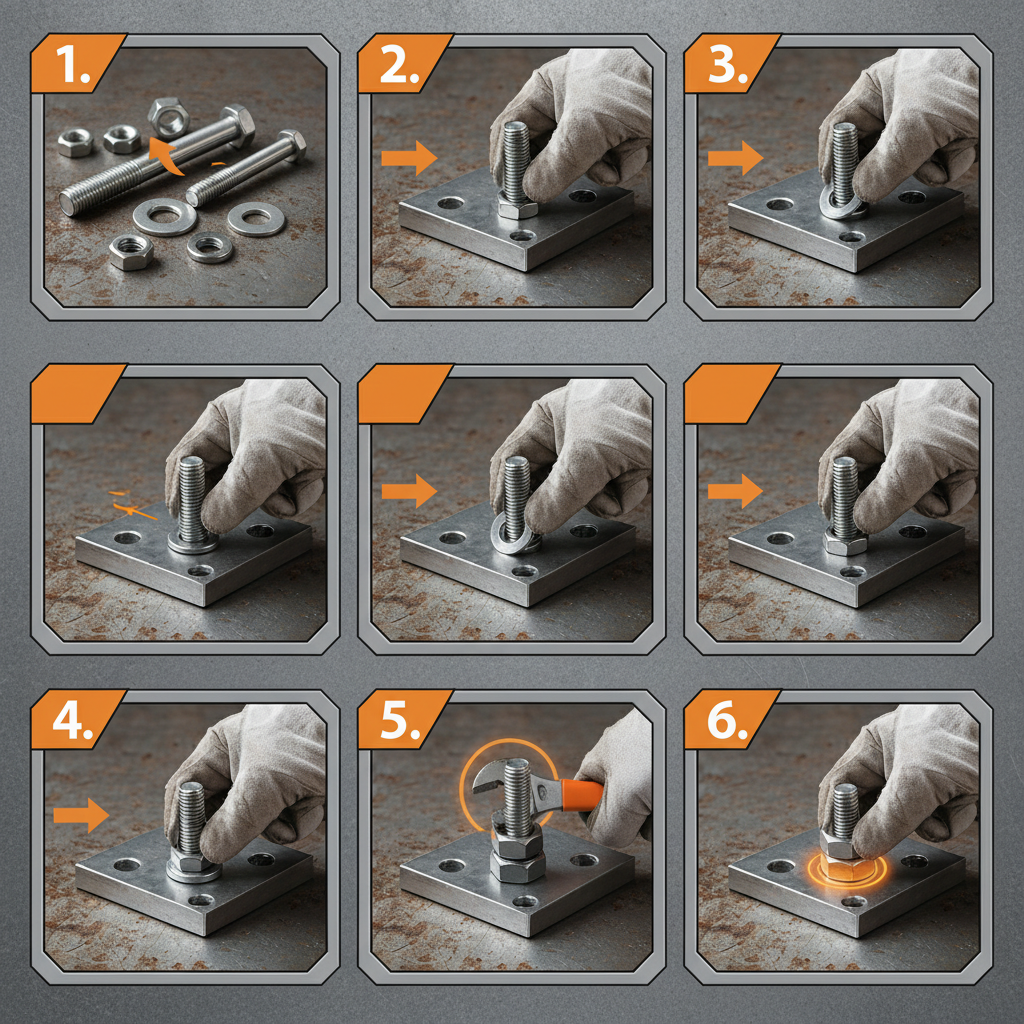
Ease of installation is a key attribute. Many panel fasteners are designed for tool-less operation or require only minimal tooling, significantly reducing assembly time and labor costs. This is particularly beneficial in high-volume manufacturing environments.
Security is crucial, particularly in applications where unauthorized access is a concern. Panel fasteners often incorporate tamper-resistant features or locking mechanisms to prevent accidental or intentional disassembly.
Load-bearing capacity is fundamental. The fastener must be able to withstand the anticipated loads and stresses without failure. Proper engineering analysis and testing are essential to ensure the fastener can safely and reliably hold the panels together.
Applications of Panel Fasteners Worldwide
In the automotive industry, panel fasteners are extensively used for attaching interior trim, exterior body panels, and underbody components. They allow for quick and easy access to internal parts during maintenance and repair, and contribute to the modular design of vehicles. In Germany, automotive manufacturers heavily rely on these fasteners to maintain high production standards and streamline assembly lines.
The aerospace industry utilizes panel fasteners for aircraft interiors, access panels, and cargo hold linings. Lightweight materials and secure locking mechanisms are essential in this sector. Companies like Boeing and Airbus employ specialized panel fasteners to meet stringent safety regulations and weight requirements.
In post-disaster relief operations, rapidly deployable shelters and temporary medical facilities often utilize panel fasteners for quick and easy assembly. NGOs and humanitarian organizations favor these fasteners due to their portability, ease of use, and durability, allowing for rapid response to emergencies in remote and challenging locations.
Panel Fastener Performance Comparison
Advantages and Long-Term Value
The cost savings associated with panel fasteners extend beyond initial purchase price. Reduced assembly time translates into lower labor costs, while the ease of maintenance minimizes downtime and repair expenses. The reusability of many panel fasteners further contributes to long-term cost efficiency, reducing the need for frequent replacements.
From a sustainability perspective, panel fasteners support circular economy principles. Their ability to facilitate disassembly and reassembly enables easier component recovery and material recycling, reducing waste and minimizing environmental impact. This aligns with growing consumer demand for eco-friendly products and manufacturing processes.
Future Trends in Panel Fastener Technology
The integration of smart technology into panel fasteners is a growing trend. Sensors embedded within fasteners can monitor stress levels, detect corrosion, and provide real-time data on structural integrity. This predictive maintenance capability can prevent catastrophic failures and optimize asset management.
The development of self-aligning and self-tightening panel fasteners will further streamline assembly processes and reduce the risk of human error. Automation and robotics are increasingly being used in conjunction with these advanced fasteners to enhance efficiency and precision.
Materials science is also playing a role, with research focused on developing lighter, stronger, and more corrosion-resistant materials for panel fasteners. Biodegradable and bio-based materials are also being explored as sustainable alternatives to traditional plastics and metals.
Challenges and Solutions
One common challenge is ensuring consistent performance across diverse materials and environmental conditions. Different panel materials require different types of fasteners to achieve optimal strength and durability. Solutions involve rigorous testing and material compatibility analysis.
Another issue is the potential for loosening or vibration-induced failure, particularly in high-stress applications. Locking mechanisms, thread-locking compounds, and vibration-resistant designs can mitigate this risk. Ongoing research into innovative locking technologies is crucial.
Standardization of panel fastener designs and testing procedures is also important. The lack of universally accepted standards can lead to compatibility issues and quality control challenges. Collaborative efforts between industry organizations and regulatory bodies are needed to address this.
Summary of Panel Fastener Optimization Strategies
| Fastener Type |
Material Compatibility |
Environmental Resistance |
Load Capacity (N) |
| Quarter-Turn Fasteners |
Aluminum, Steel, Plastics |
Moderate |
500-1000 |
| Cam Lock Fasteners |
Wood, Composites, Steel |
High |
750-1500 |
| Draw Latches |
Sheet Metal, Plastics |
Moderate |
250-750 |
| Push-In Fasteners |
Plastics, Rubber |
Low |
100-300 |
| Toggle Latches |
Steel, Aluminum |
High |
1000-2000 |
| Bayonet Mounts |
Various |
Moderate |
600-1200 |
FAQS
Panel fasteners offer several advantages over welding, including faster assembly times, reduced heat distortion, easier disassembly for maintenance, and the ability to join dissimilar materials. Welding can be a permanent process, whereas panel fasteners allow for reversible connections, ideal for applications requiring frequent access or modification. They also eliminate the need for skilled welders and associated safety concerns.
Selecting the appropriate panel fastener requires careful consideration of several factors, including the panel material, thickness, load requirements, environmental conditions, and frequency of access. Consider the type of head, thread size, and material composition. Consulting with a fastening specialist can help ensure you choose the optimal fastener for your specific needs.
Yes, many panel fasteners are designed for outdoor use, but it’s crucial to select materials that are resistant to corrosion and weathering. Stainless steel, aluminum alloys, and specialized coatings are commonly used to protect fasteners from the elements. Consider the specific environmental conditions, such as exposure to salt spray or UV radiation, when making your selection.
The lifespan of a panel fastener installation depends on several factors, including the quality of the fastener, the materials used, the environmental conditions, and the applied load. With proper selection and installation, panel fasteners can provide reliable performance for many years. Regular inspection and maintenance can help extend their lifespan further.
While generally safe to use, panel fasteners can pose certain risks if not handled correctly. Always wear appropriate personal protective equipment (PPE), such as safety glasses and gloves. Avoid over-tightening fasteners, as this can damage the panels or the fastener itself. Follow the manufacturer’s instructions for proper installation and use.
Many types of panel fasteners are designed to be reusable, offering a cost-effective and sustainable solution. However, repeated use can eventually lead to wear and tear, reducing their clamping force and reliability. Inspect fasteners for damage or deformation before each use, and replace them if necessary.
Conclusion
Panel fasteners represent a versatile and increasingly vital component across numerous industries. Their advantages – including speed of assembly, ease of maintenance, and adaptability – are driving widespread adoption, particularly in sectors prioritizing efficiency and sustainability. From rapid deployment housing to advanced aerospace applications, these fasteners are enabling innovation and improving operational performance.
Looking ahead, continued advancements in materials science, sensor technology, and automation will further enhance the capabilities of panel fasteners. By embracing these innovations and prioritizing standardization, we can unlock even greater potential for these essential components. For a comprehensive range of high-quality panel fasteners and expert support, visit our website: www.lzfasteners.com.






 English
  Afrikaans
  Arabic
  Bengali
  Bulgarian
  French
  German
  Hindi
Hindi  Indonesian
  Italian
  Japanese
  Korean
  Malay
Malay  Portuguese
  Russian
  Spanish
  Thai
Thai  Turkish
  Urdu
Urdu  Vietnamese