The demand for robust and reliable fastening solutions in construction and infrastructure is ever-increasing globally. Specifically, the newel post fastener plays a crucial role in ensuring the structural integrity and safety of staircases, a fundamental element in buildings worldwide. Understanding the nuances of these fasteners – their materials, installation techniques, and load-bearing capacities – is paramount for architects, builders, and homeowners alike. Effective newel post fasteners contribute significantly to building codes compliance and long-term safety standards.
The importance of a secure newel post connection extends beyond mere aesthetics; it directly impacts the stability and safety of the entire staircase system. In regions prone to seismic activity or high winds, a properly installed newel post fastener can be the difference between a stable structure and a potential collapse. Furthermore, advancements in materials science are continually improving fastener performance, offering enhanced corrosion resistance and increased load capacities.
The global construction industry is currently valued at trillions of dollars, and a significant portion of this spending is dedicated to ensuring structural safety. The newel post fastener, while a seemingly small component, represents a critical link in maintaining that safety, impacting building standards and occupant well-being across the globe.
Defining the Role of newel post fastener
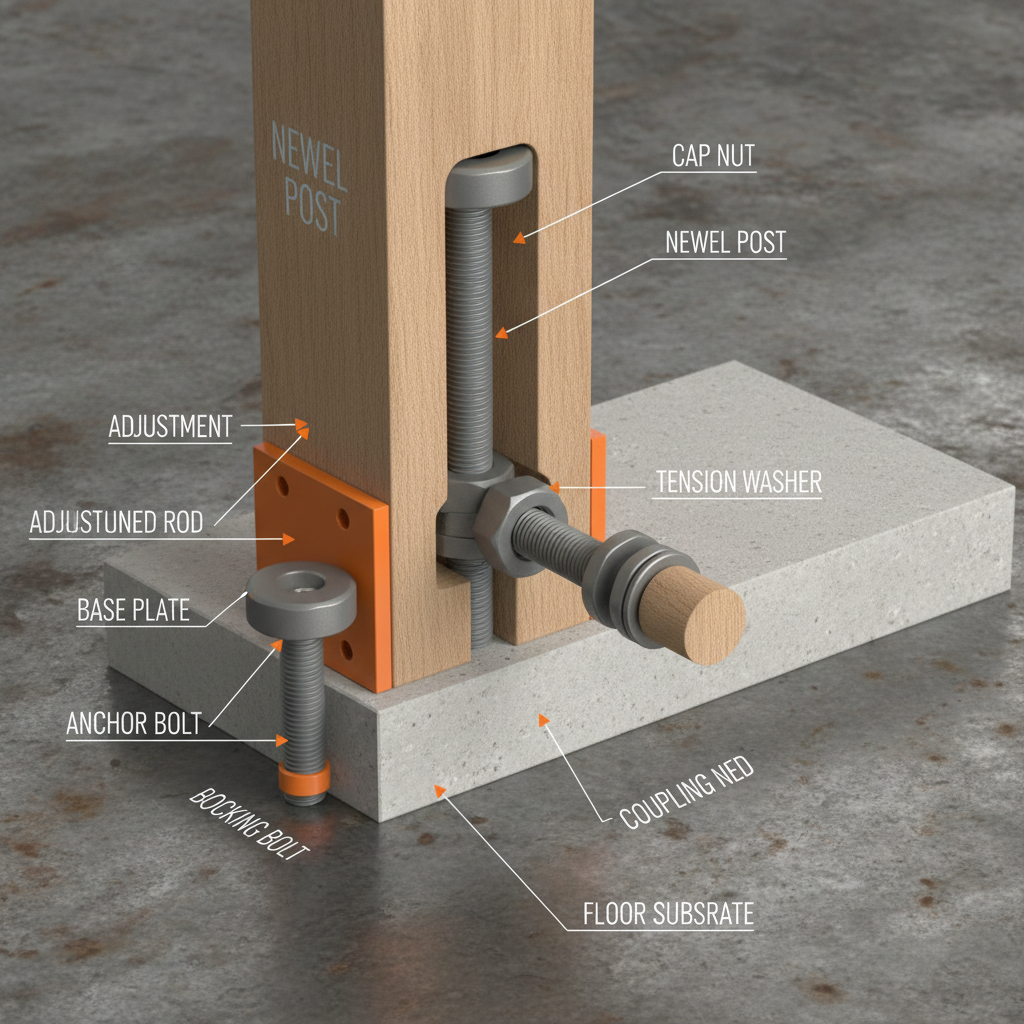
A newel post fastener is a crucial component in staircase construction, designed to securely connect the newel post – the vertical post at the base or turning point of a staircase – to the surrounding structure. These fasteners often consist of brackets, bolts, screws, and other connecting hardware, ensuring a strong and stable connection. Without a properly secured newel post, the staircase can experience instability, posing a safety hazard.
Modern newel post fastener designs prioritize both strength and ease of installation. They play a critical role in meeting building code requirements related to handrail and staircase safety. They are often employed in residential, commercial, and industrial construction projects, ensuring the longevity and security of stair systems.
The Global Significance of newel post fastener
The need for safe and reliable staircases is universal, making the newel post fastener a globally relevant product. The construction industry worldwide spends billions annually on staircase construction and renovation, and a significant portion of this cost is attributable to ensuring the secure attachment of newel posts. According to the United Nations, rapid urbanization is driving increased demand for housing and infrastructure, further escalating the need for high-quality fasteners.
In developed nations, stringent building codes demand high levels of safety and durability, driving innovation in newel post fastener design. Conversely, in rapidly developing countries, the need for affordable and robust fastening solutions is paramount, creating a market for cost-effective yet reliable fasteners. International standards organizations, like the ISO, are continually refining standards for structural fasteners, influencing the development and adoption of new technologies.
The challenge lies in balancing cost, performance, and compliance with evolving regulations. A poorly chosen or incorrectly installed newel post fastener can compromise the structural integrity of a staircase, leading to accidents and potential legal liabilities. The global availability of standardized and certified fasteners is, therefore, critical.
Key Characteristics of High-Quality newel post fastener
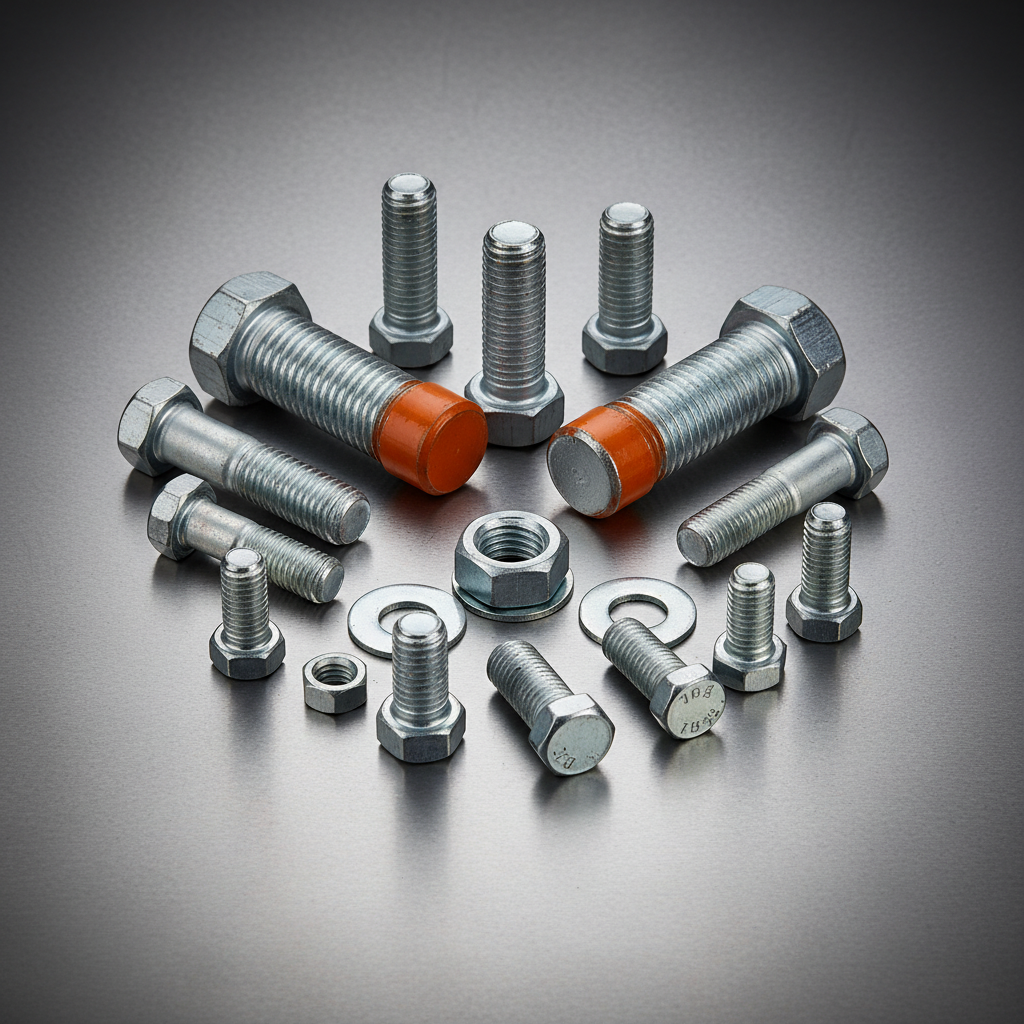
Durability is a primary characteristic of high-quality newel post fastener. They must withstand constant stress, vibrations, and potential environmental factors like moisture and temperature fluctuations. Materials like stainless steel and high-strength alloys are frequently employed to provide long-lasting performance and resistance to corrosion.
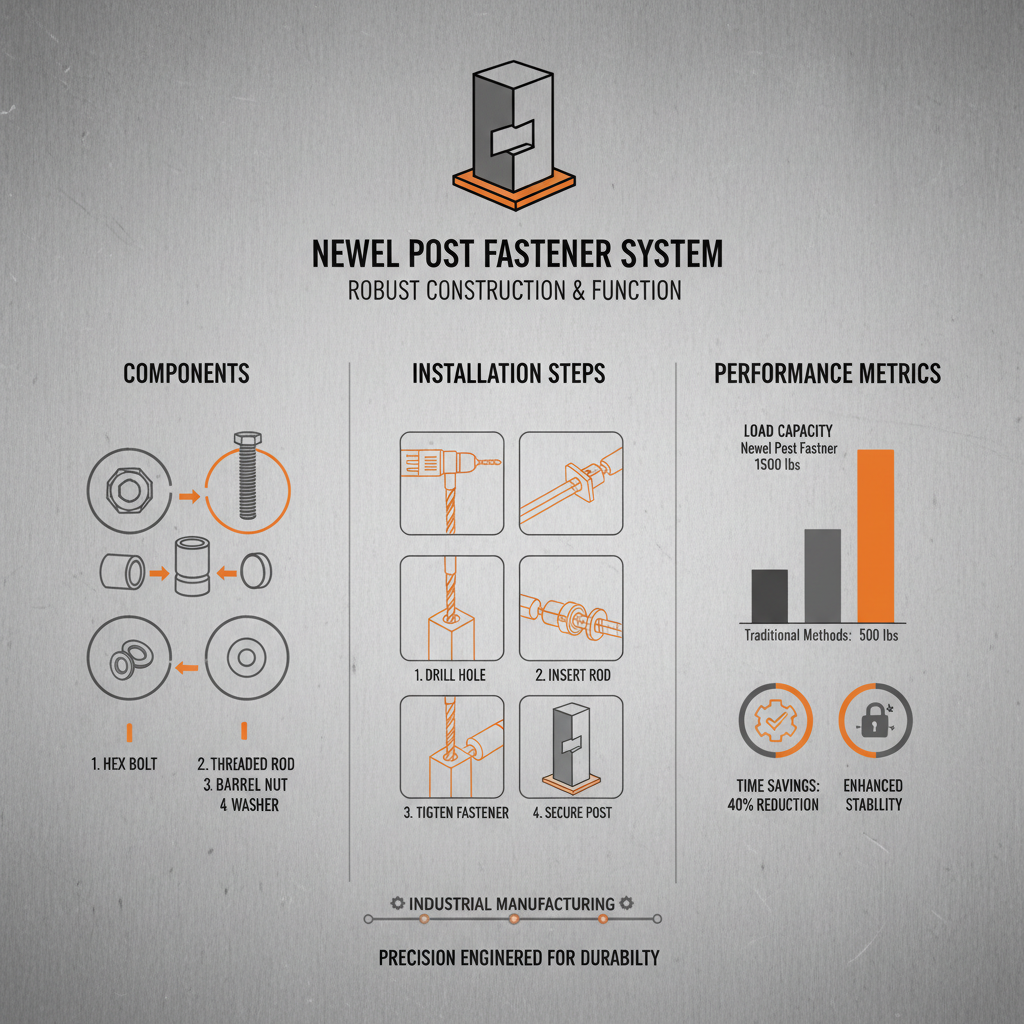
Load-bearing capacity is another critical factor. The fastener must be able to support the weight and force applied to the newel post, including the weight of individuals using the staircase and any potential impact forces. Properly engineered fasteners are tested to ensure they meet or exceed industry standards for load capacity.
Ease of installation is also important. Fasteners that are quick and easy to install can save time and labor costs during construction. Designs that incorporate features like pre-drilled holes and self-aligning mechanisms simplify the installation process and reduce the risk of errors.
Performance Metrics for newel post fastener
Assessing the performance of a newel post fastener requires evaluating several key metrics. Shear strength, tensile strength, and yield strength are all critical indicators of the fastener's ability to withstand forces. These properties are typically determined through standardized testing procedures.
Corrosion resistance is another vital metric, particularly in environments exposed to moisture or harsh chemicals. Fasteners are often rated based on their ability to withstand salt spray or other corrosive agents.
Comparative Performance of newel post fastener Methods
Applications Across Diverse Construction Projects
Newel post fastener solutions are essential in a wide range of construction projects. Residential homes frequently utilize these fasteners to ensure the safety and stability of staircases. Commercial buildings, such as offices and retail spaces, rely on robust fasteners to meet stringent safety regulations and accommodate high foot traffic.
Industrial facilities often require heavy-duty newel post fastener solutions capable of withstanding demanding conditions. Historical restoration projects also necessitate careful selection of fasteners that blend seamlessly with the original architecture while providing adequate structural support.
The Long-Term Value of Investing in newel post fastener
Choosing high-quality newel post fastener is an investment in long-term safety and durability. While cheaper alternatives may be available, they often compromise on strength and corrosion resistance, leading to premature failure and potential safety hazards. Investing in premium fasteners reduces the risk of costly repairs or replacements down the line.
Reliable fasteners contribute to the overall structural integrity of a building, enhancing its value and longevity. They also provide peace of mind for building owners and occupants, knowing that the staircase is securely constructed and safe to use.
Furthermore, utilizing certified fasteners can streamline the building inspection process and ensure compliance with local building codes, potentially avoiding delays and penalties.
Future Trends and Advancements in newel post fastener Technology
The future of newel post fastener technology is likely to be driven by advancements in materials science and manufacturing processes. Research is ongoing to develop even stronger and more corrosion-resistant materials, such as advanced alloys and composite materials.
Smart fasteners, incorporating sensors to monitor stress and strain, are also emerging as a potential innovation. These sensors could provide real-time data on the structural health of the staircase, alerting building managers to potential issues before they escalate.
Sustainable manufacturing practices are also gaining prominence, with manufacturers exploring ways to reduce the environmental impact of fastener production. This includes utilizing recycled materials and optimizing manufacturing processes to minimize waste.
Summary of Key Considerations for newel post fastener Selection
| Material Composition |
Load Capacity (lbs) |
Corrosion Resistance Rating |
Installation Complexity (1-5) |
| Stainless Steel (304) |
500 |
9/10 |
3 |
| Carbon Steel (with Coating) |
600 |
7/10 |
2 |
| Aluminum Alloy |
400 |
8/10 |
4 |
| Galvanized Steel |
550 |
6/10 |
2 |
| Brass |
300 |
7/10 |
3 |
| High-Strength Alloy Steel |
700 |
10/10 |
4 |
FAQS
The primary purpose of a newel post fastener is to securely connect the newel post to the staircase structure, ensuring stability and preventing movement. A robust connection is vital for safety and structural integrity, particularly in high-traffic areas or staircases prone to vibrations. Properly installed fasteners distribute the load evenly, minimizing stress on the newel post and surrounding framework. Choosing the right fastener depends on the materials used in the staircase construction and the anticipated load it will bear.
Common materials used in newel post fasteners include stainless steel, carbon steel, aluminum alloy, and brass. Stainless steel offers excellent corrosion resistance and is ideal for outdoor or damp environments. Carbon steel provides high strength but may require a protective coating to prevent rust. Aluminum alloy is lightweight and corrosion-resistant, while brass offers a decorative finish. The best material depends on the specific application and environmental conditions.
Determining the correct size and type of newel post fastener involves considering the size and weight of the newel post, the materials used in the staircase construction, and the anticipated load. Consult local building codes and manufacturer's specifications for guidance. It's crucial to select a fastener with sufficient load-bearing capacity and appropriate corrosion resistance for the intended environment. Professional advice from a structural engineer is recommended for complex installations.
Yes, different staircase designs necessitate different types of newel post fastener. Straight staircases generally require simpler fasteners, while curved or spiral staircases may need more specialized brackets and connectors. Fasteners are also available for different mounting configurations, such as top-mounting, side-mounting, or through-bolting. Selecting the appropriate fastener ensures a secure and aesthetically pleasing connection.
When installing a newel post fastener, always wear appropriate safety gear, including eye protection and gloves. Ensure the newel post is properly supported during installation. Use the correct tools and follow the manufacturer's instructions carefully. Avoid over-tightening the fasteners, as this can damage the wood or strip the threads. If you are unsure about any aspect of the installation, consult a qualified professional.
Signs of a failing newel post fastener include loose connections, creaking sounds, visible cracks in the wood around the fastener, and noticeable movement of the newel post. If you observe any of these signs, inspect the fastener immediately and tighten or replace it as needed. Ignoring these warning signs can lead to a serious safety hazard.
Conclusion
In conclusion, the newel post fastener is a critical, often understated, component in ensuring staircase safety and structural integrity. Its proper selection, installation, and maintenance are paramount for residential, commercial, and industrial applications. Understanding the key characteristics of high-quality fasteners – durability, load capacity, and corrosion resistance – is essential for architects, builders, and homeowners alike.
Looking ahead, advancements in materials science and smart fastener technologies promise even greater levels of safety and reliability. By embracing these innovations and prioritizing quality, we can continue to enhance the safety and longevity of staircases around the globe. For a comprehensive range of reliable newel post fasteners, visit our website today: www.lzfasteners.com.





 English
  Afrikaans
  Arabic
  Bengali
  Bulgarian
  French
  German
  Hindi
Hindi  Indonesian
  Italian
  Japanese
  Korean
  Malay
Malay  Portuguese
  Russian
  Spanish
  Thai
Thai  Turkish
  Urdu
Urdu  Vietnamese