Metric fasteners are integral to modern manufacturing and infrastructure, forming the backbone of countless assemblies across diverse industries. Their standardized dimensions and consistent quality ensure interchangeability and reliability, critical for efficient production and long-term performance. Globally, the demand for these components continues to rise alongside industrial growth and infrastructural development, especially in emerging economies.
The global market for metric fasteners is significant, with estimates reaching billions of dollars annually. Factors like automotive production, construction activities, and aerospace advancements drive this demand. Organizations like the International Organization for Standardization (ISO) play a crucial role in establishing and maintaining standards that govern the design, manufacturing, and testing of these fasteners, facilitating international trade and ensuring product consistency.
Understanding metric fasteners isn’t merely a technical necessity; it’s essential for engineers, procurement specialists, and anyone involved in the design, construction, or maintenance of mechanical systems. Accurate specification and selection of these components directly impact the safety, durability, and overall cost-effectiveness of projects, from small-scale repairs to large-scale construction endeavors.
The Importance of Metric Fasteners
Metric fasteners, distinguished by their standardized measurements in millimeters, provide a globally recognized system for joining materials. Their prevalence stems from the inherent benefits of standardization – reducing errors, streamlining assembly processes, and fostering compatibility across diverse manufacturing sectors. This uniformity is particularly crucial in international projects where components are sourced from various suppliers.
The widespread adoption of metric fasteners has significantly improved efficiency and reduced costs in countless applications, from automotive assembly to aerospace engineering. Reliable sourcing of quality metric fasteners, such as those available at metric fasteners , is paramount for ensuring structural integrity and long-term durability.
Defining Metric Fasteners
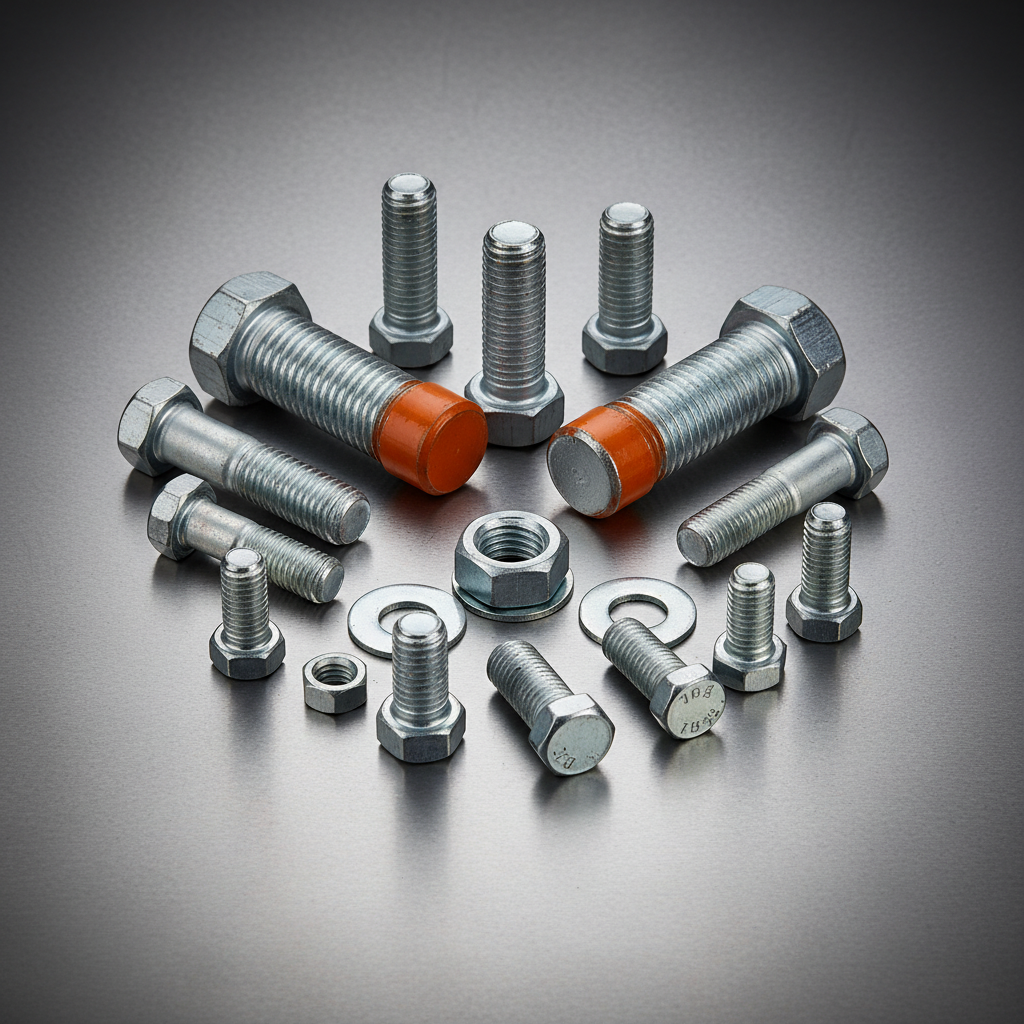
At their core, metric fasteners are components used to mechanically join materials together. Unlike imperial fasteners that utilize inches and fractions, metric fasteners are defined by their dimensions in millimeters. This includes the diameter of the thread, the thread pitch (distance between threads), and the length of the fastener. Common types include bolts, screws, nuts, and washers.
The metric system's inherent logic and ease of use have made it the dominant standard in most of the world. Metric fasteners contribute significantly to modern industry by enabling mass production, reducing the need for specialized tools, and simplifying inventory management. Their adoption directly supports the seamless integration of components sourced globally.
The standardization of metric fasteners isn’t simply about size; it extends to material properties, mechanical strength, and surface treatments. These specifications, often defined by ISO standards, ensure consistency and reliability across different manufacturers and applications, critical in high-stakes engineering projects.
Key Characteristics of Metric Fasteners
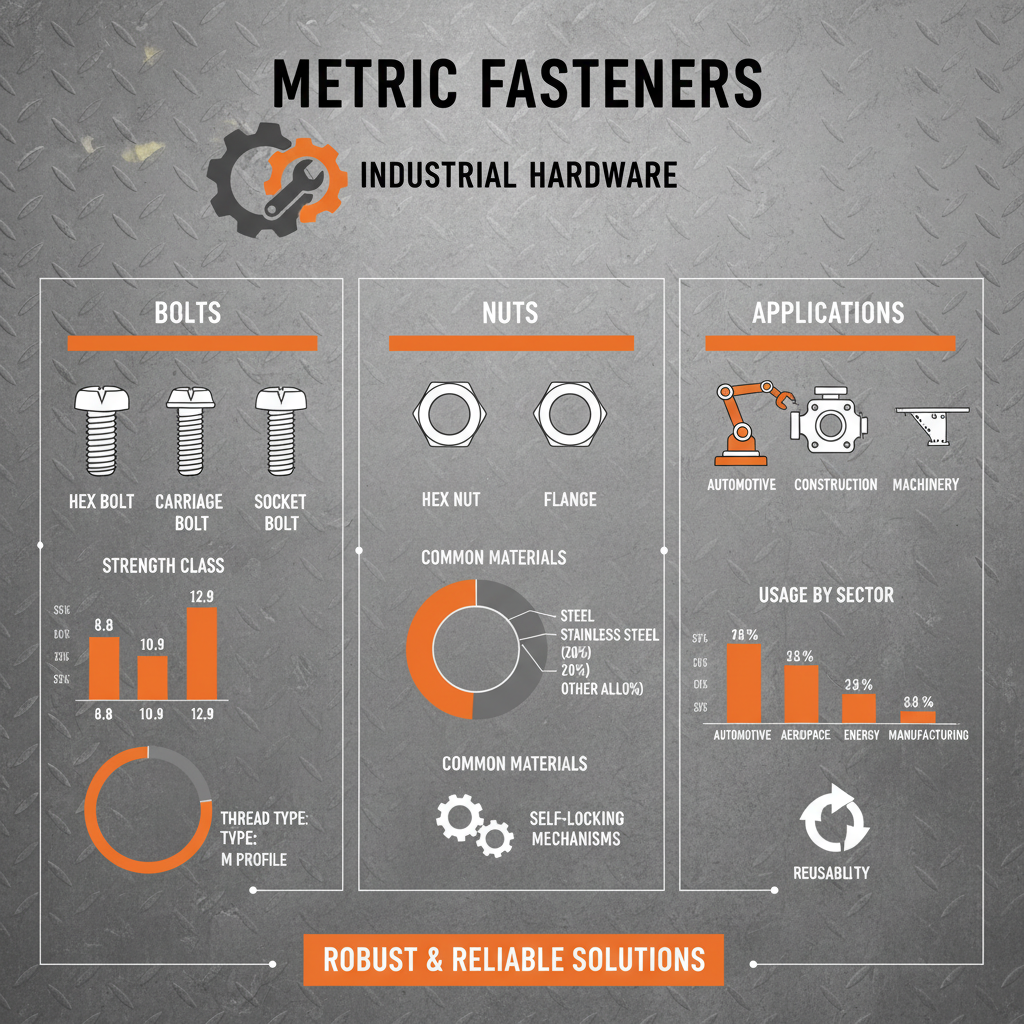
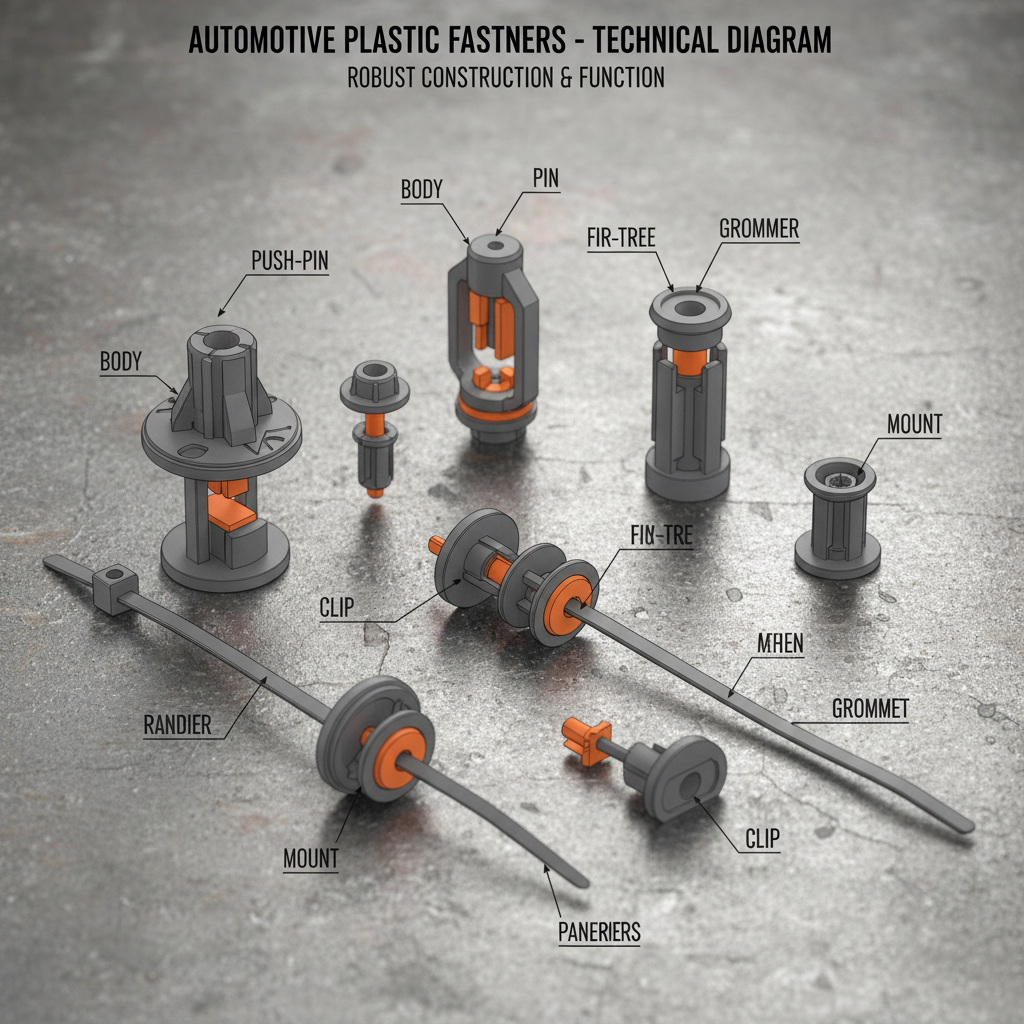
Material Composition: Metric fasteners are typically manufactured from steel, stainless steel, aluminum, brass, or plastic. The choice of material depends on the application's requirements, considering factors like strength, corrosion resistance, and weight. High-strength steel alloys are common in critical structural applications, while stainless steel is preferred for environments prone to corrosion.
Thread Standards: ISO metric threads are the most prevalent, defining the thread form, pitch, and tolerances. Understanding thread specifications (e.g., M8 x 1.25, where M denotes metric, 8 is the diameter in mm, and 1.25 is the pitch in mm) is crucial for selecting the correct fastener for a given application. Different classes of threads (e.g., 8.8, 10.9) indicate varying levels of tensile strength.
Surface Treatments: Coatings like zinc plating, black oxide, and galvanization are applied to enhance corrosion resistance and improve the fastener's appearance. Specific coatings are chosen based on the operating environment and desired level of protection. For example, hot-dip galvanizing provides superior corrosion protection for outdoor applications.
Practical Applications & Industries Served
Metric fasteners are ubiquitous across a vast range of industries. The automotive sector heavily relies on them for assembling engines, chassis, and body panels. The construction industry utilizes them in structural connections, cladding systems, and building services. Aerospace engineering demands high-precision metric fasteners for critical aircraft components.
Beyond these core industries, metric fasteners are essential in electronics manufacturing, machinery assembly, medical device production, and renewable energy systems. Their versatility and standardized nature make them ideal for a diverse array of applications. metric fasteners are particularly crucial in projects requiring international collaboration and component sourcing.
Metric Fastener Application by Industry
Advantages of Utilizing Metric Fasteners
The key benefit of using metric fasteners is their interchangeability, which significantly simplifies maintenance, repairs, and upgrades. Standardization reduces the risk of using incorrect components and streamlines procurement processes. This translates into reduced downtime and lower overall costs.
Metric fasteners offer superior strength and reliability compared to some imperial equivalents, particularly when utilizing high-grade materials and precision manufacturing techniques. Their widespread availability ensures a consistent supply, minimizing delays and supporting uninterrupted production. Selecting a reputable supplier like metric fasteners guarantees quality and consistency.
Global Applications and Use Cases
In post-disaster relief operations, quick assembly of temporary shelters and infrastructure relies heavily on standardized metric fasteners. Their ease of use and availability in various regions are invaluable in these urgent situations. Similarly, in remote industrial zones where access to specialized tools and components is limited, metric fasteners provide a reliable and readily available solution.
Across Europe, Asia, and increasingly in North and South America, metric fasteners are the dominant standard in manufacturing and construction. The automotive industry globally adheres to metric standards, demanding consistent quality and precision. Furthermore, international collaborations in fields like aerospace and renewable energy necessitate the use of metric fasteners to ensure compatibility and seamless integration of components.
Large-scale infrastructure projects, such as bridges and tunnels, often specify metric fasteners due to their proven track record of reliability and durability. The standardized nature allows for efficient project management and simplified maintenance throughout the structure's lifecycle.
Future Trends and Innovations in Metric Fasteners
Advancements in materials science are leading to the development of lighter, stronger, and more corrosion-resistant metric fasteners. Titanium and advanced alloys are gaining traction in aerospace and high-performance applications. Digitalization and smart manufacturing are enabling real-time monitoring of fastener performance and predictive maintenance.
The push towards sustainability is driving innovation in eco-friendly coatings and manufacturing processes. Reducing the carbon footprint associated with fastener production is becoming a priority. Automation and robotics are optimizing fastener assembly processes, enhancing efficiency and reducing labor costs.
The integration of IoT sensors into metric fasteners is also emerging, allowing for remote monitoring of stress, torque, and other critical parameters. This data can be used to improve structural integrity and prevent failures, particularly in critical infrastructure applications.
Key Considerations for Selecting Future Metric Fastener Solutions
| Material Innovation |
Digital Integration |
Sustainability Impact |
Cost Effectiveness |
| Titanium Alloys |
IoT Sensor Integration |
Reduced Carbon Footprint |
Initial Investment |
| Advanced Steel Composites |
Predictive Maintenance Systems |
Recyclable Materials |
Long-Term Savings |
| High-Strength Polymers |
Real-time Stress Monitoring |
Bio-Based Coatings |
Reduced Waste |
| Corrosion-Resistant Alloys |
Automated Quality Control |
Energy-Efficient Manufacturing |
Increased Durability |
| Shape Memory Alloys |
Digital Twin Technology |
Closed-Loop Recycling Systems |
Reduced Maintenance |
| Self-Healing Materials |
Blockchain Traceability |
Sustainable Sourcing |
Extended Lifespan |
FAQS
The primary difference lies in the measurement system used. Metric fasteners utilize millimeters and decimal measurements, while imperial fasteners use inches and fractional measurements. Metric fasteners are generally stronger and more standardized, offering easier interchangeability. Globally, metric fasteners are the predominant standard, particularly in manufacturing and engineering, simplifying international sourcing and assembly. Understanding these differences is crucial for ensuring compatibility and avoiding costly errors.
The grade marking indicates the fastener’s tensile strength and material composition. Higher grades signify stronger materials capable of withstanding greater stress. Common grades, like 8.8 and 10.9, denote specific yield and tensile strengths. This information is vital for selecting the appropriate fastener for critical applications where structural integrity is paramount. Always refer to engineering specifications to determine the required grade for a specific application.
The thread pitch is the distance between adjacent threads. It’s denoted by a number following the diameter (e.g., M8 x 1.25). Incorrect pitch will prevent proper engagement, leading to joint failure. Use a thread gauge or refer to technical specifications to accurately determine the thread pitch. Precise measurement is critical for ensuring a secure and reliable connection.
Common surface treatments include zinc plating, black oxide, and galvanization. Zinc plating offers moderate corrosion resistance and is cost-effective. Black oxide provides a slight degree of corrosion resistance and enhances appearance. Galvanization provides superior corrosion protection, particularly for outdoor applications. The choice of treatment depends on the operating environment and desired level of protection.
Yes, ISO standards are the cornerstone of metric fastener specifications. ISO 898-1 covers bolts, screws, studs, and nuts. ISO 7040 details washers. These standards define dimensions, materials, mechanical properties, and testing procedures. Adhering to ISO standards ensures interoperability, quality, and safety in a wide range of applications.
Reputable suppliers specializing in metric fasteners are essential. Look for companies that adhere to ISO standards, offer a wide range of materials and grades, and provide technical support. Consider metric fasteners for a reliable source of quality components and expert guidance in selecting the right fasteners for your specific needs.
Conclusion
Metric fasteners stand as a testament to the power of standardization in modern engineering and manufacturing. Their precision, reliability, and widespread availability have revolutionized countless industries, enabling efficient production, simplified maintenance, and enhanced structural integrity. Understanding the nuances of metric fastener specifications, materials, and applications is crucial for professionals across diverse fields.
As technology advances and sustainability concerns grow, the future of metric fasteners will be shaped by innovations in materials science, digitalization, and eco-friendly manufacturing processes. Embracing these advancements will be key to unlocking even greater performance, durability, and environmental responsibility in the years to come. Visit www.lzfasteners.com to explore our comprehensive range of metric fasteners and find the perfect solutions for your projects.






 English
  Afrikaans
  Arabic
  Bengali
  Bulgarian
  French
  German
  Hindi
Hindi  Indonesian
  Italian
  Japanese
  Korean
  Malay
Malay  Portuguese
  Russian
  Spanish
  Thai
Thai  Turkish
  Urdu
Urdu  Vietnamese