You know, after running around construction sites all year, you start to see patterns. The industry's been obsessed with prefabrication lately – everything's gotta be modular, gotta be fast. It's good, don't get me wrong, but people sometimes forget the basics. They get so caught up in the 'new' they overlook what actually works.
I've seen so many designs that look great on paper, but fall apart the second you hand them to a guy with a wrench. Like, perfectly smooth surfaces, proprietary fasteners… who designs these things? Anyway, I think it’s all about practical application, not just aesthetics.
And it's not just about the design. It's about the materials too.
The Current Landscape of Fastener Manufacturing
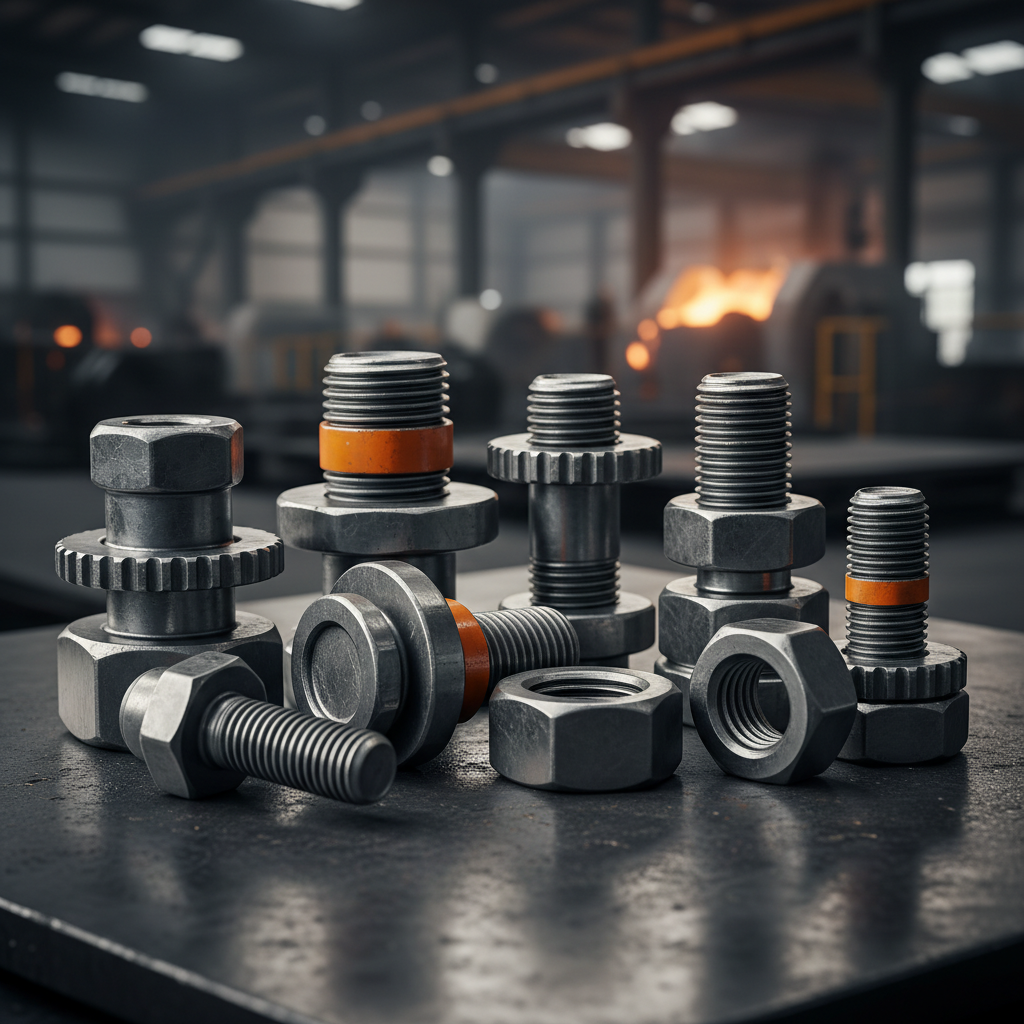
To be honest, fastener manufacturing isn’t exactly glamorous, but it’s the backbone of everything we build. You’ve got your usual suspects – China dominating the volume game, Germany still pushing for precision, the US trying to reshore… It’s a messy global supply chain. Have you noticed how much prices fluctuate depending on steel costs? It’s wild. And everyone's talking about sustainability now, which is good, but finding truly 'green' options that don't compromise strength is a challenge.
It’s not just about churning out screws and bolts anymore. It’s about specialized coatings, corrosion resistance, and increasingly, smart fasteners with integrated sensors. The demand for high-strength, lightweight materials is through the roof, especially in aerospace and automotive.
Design Pitfalls and Common Mistakes
I encountered this at a factory in Suzhou last time… they had designed this beautiful, intricate metal frame, but used a fastener that was slightly too short. Slightly! And the whole thing was wobbling. It seems simple, but that kind of oversight can cause a cascade of problems.
Another big mistake? Proprietary fasteners. Look, I get wanting to control your supply chain, but if a worker can't easily find a replacement at the local hardware store, you’re asking for trouble. And don’t even get me started on undersized threads. It's a false economy, I tell you.
Strangely enough, over-engineering is also a problem. Sometimes designers throw everything they've got at a connection, creating something overly complex and difficult to install. Simplicity, in my experience, is usually the best route.
Material Selection: It's More Than Just Specs
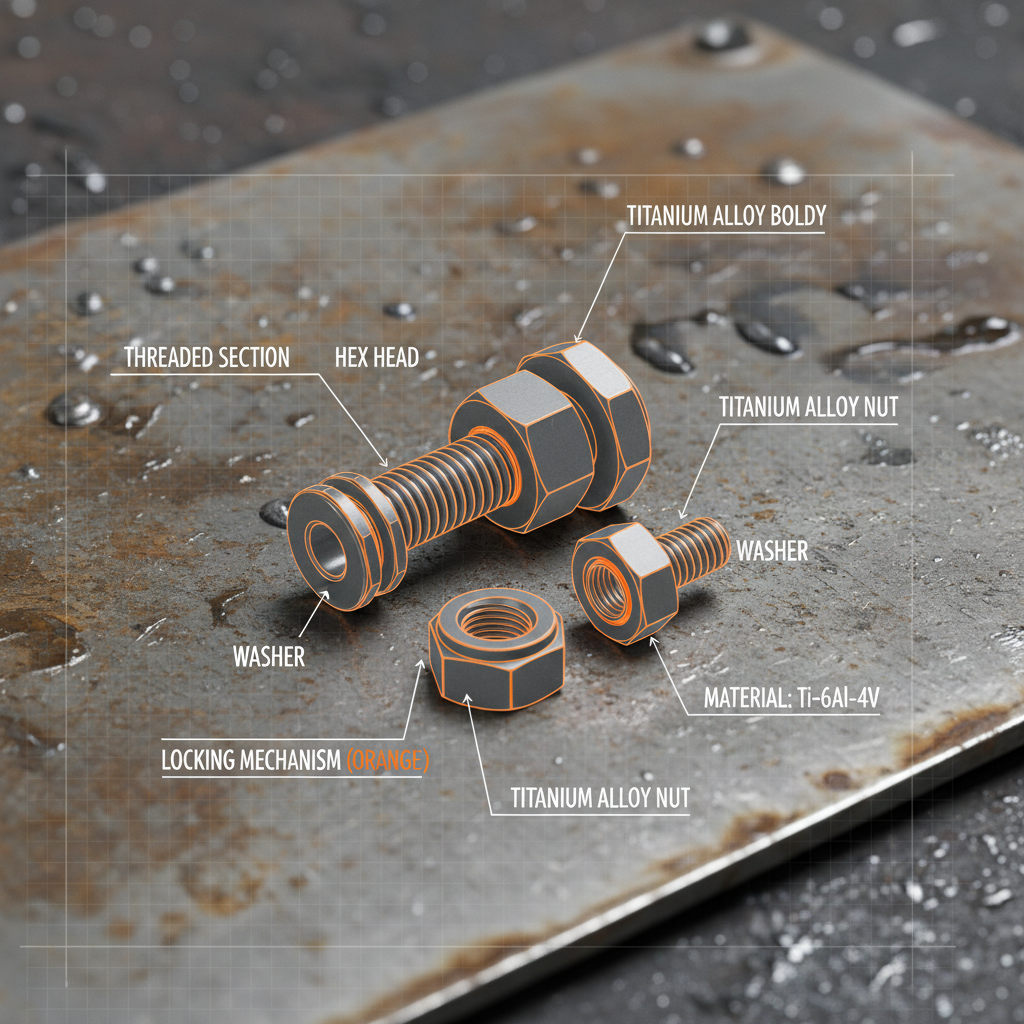
Now, materials...that's where things get interesting. Stainless steel, obviously, is a workhorse. But there are hundreds of grades! 304, 316, duplex… each has its strengths and weaknesses. 316 smells slightly metallic when you’re cutting it, I always notice that. You’ve got your carbon steels, which are strong but need coating to prevent rust. And then there’s titanium, which is amazing but expensive, and a pain to machine.
I've been seeing a lot of zinc-nickel coatings lately, which offer excellent corrosion resistance. They feel a bit rougher than standard zinc plating, almost like sandpaper. And don't underestimate the importance of the right washer. The right washer can distribute the load and prevent damage to the surface. I've seen so many projects ruined by cheap, flimsy washers.
Then there's polymer fasteners. Lightweight, corrosion-resistant… but they don’t have the same strength as metal. Good for non-structural applications, but don’t try to build a skyscraper with plastic screws.
Real-World Testing and Quality Assurance
Lab tests are fine, but they don’t tell the whole story. I need to see how these things hold up in the real world. We do a lot of pull-out tests, shear tests, fatigue tests… but we do them on actual structures, not just neatly prepared specimens.
We also subject fasteners to environmental testing – salt spray, humidity, temperature extremes. And we deliberately abuse them. Drop them, hammer them, try to break them. If a worker can’t accidentally destroy it during installation, it’s probably good enough. Anyway, I think a little bit of rough handling is a good test of durability.
Fastener Manufacturer Quality Control Metrics
How Users Actually Interact With Fasteners
This is where it gets interesting. Designers think workers will follow the instructions perfectly, use the right torque wrench, and everything will be smooth sailing. But reality is… chaotic. Workers are often rushing, dealing with bad weather, and improvising. They use what’s handy, and they don’t always read the manual.
I've seen guys use impact drivers on delicate fasteners, strip threads with power drills, and even use pliers to tighten bolts. You have to design for that level of abuse. You have to build in some margin for error. Because trust me, they will make errors.
Advantages, Disadvantages, and the Search for Balance
High-strength fasteners? Obviously, you get peace of mind. Knowing that connection isn't going to fail under load. But they’re often more expensive and harder to install. Self-drilling screws? Convenient, but the drill bit can snap off, leaving you with a mess. Corrosion-resistant coatings? Great, but they can sometimes interfere with conductivity.
It's always a trade-off. You have to weigh the benefits against the costs. And it's not just about money. It’s about time, ease of installation, and long-term reliability.
Ultimately, the perfect fastener doesn't exist. There's always a compromise. It’s about finding the best balance for the specific application.
Customization and Specific Application Examples
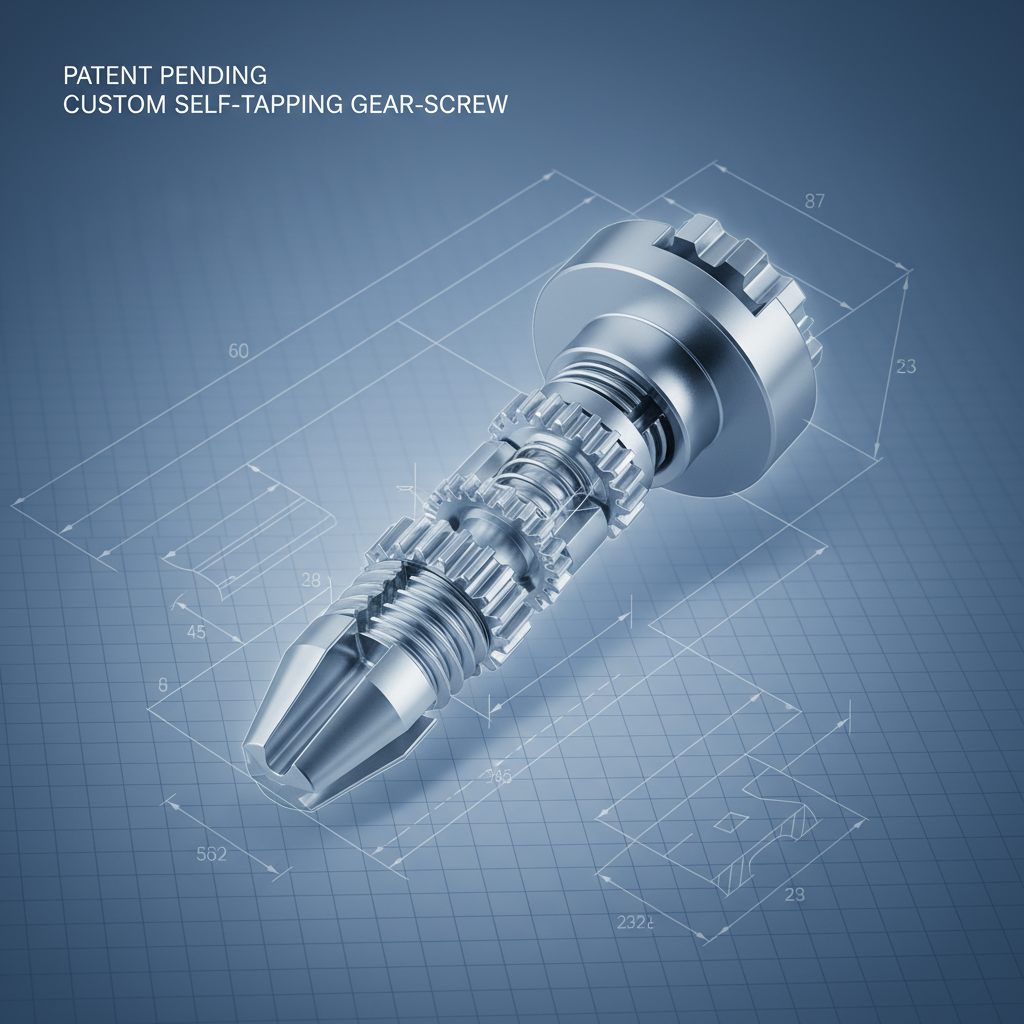
We get a lot of requests for customization. Different lengths, head styles, coatings… Last month, that small boss in Shenzhen who makes smart home devices insisted on changing the interface to on all his screws – said it was 'more modern'. The result? He couldn't find a compatible driver anywhere, and his assembly line ground to a halt. It was a disaster.
But sometimes customization is essential. We once did a run of fasteners for a bridge project that required a specific alloy to withstand extreme temperatures and vibrations. It was a complex process, but it ensured the long-term integrity of the structure.
We also do a lot of color-matching, especially for architectural applications. Clients want fasteners that blend seamlessly with the surrounding materials. It seems like a small detail, but it can make a big difference in the overall aesthetic.
Fastener Manufacturer Performance Characteristics
| Material Type |
Corrosion Resistance (1-10) |
Tensile Strength (MPa) |
Cost per Unit ($) |
| Carbon Steel |
3 |
400 |
0.05 |
| Stainless Steel 304 |
7 |
500 |
0.20 |
| Stainless Steel 316 |
9 |
550 |
0.35 |
| Aluminum |
5 |
250 |
0.10 |
| Titanium |
10 |
900 |
2.00 |
| Zinc-Plated Steel |
4 |
450 |
0.08 |
FAQs
Honestly? Underestimating the environment. They pick a fastener that looks good on paper, but don’t consider the corrosion, the temperature swings, the vibrations. You gotta think about the whole system, not just the screw itself. And forgetting about the long-term costs of failure is a big one – a cheap fastener that breaks can end up costing you a fortune in repairs and downtime. Don't skimp!
Hugely important. Coating is your first line of defense against corrosion. Zinc plating is good for general use, but for harsher environments, you need something more robust, like hot-dip galvanizing or stainless steel. And don’t forget about the application method! A poorly applied coating is worse than no coating at all. It's a bit like painting a house - prep work is everything.
They save time and labor, that’s the big one. No need to pre-drill holes, you just drive them straight in. They’re great for thin-gauge metal. But they're not a magic bullet. You need to use the right type of screw for the material, and they can be prone to stripping if you over-torque them. And the bit will break eventually.
Generally, no. Once a fastener has been tightened, it loses some of its strength. And if it’s been exposed to corrosion, it’s even weaker. It's tempting to reuse them, especially on a tight budget, but it’s a false economy. You’re risking a failure down the line. Unless it's a very low-stress application, it's best to just use a new one.
Absolutely necessary, especially for critical applications. Over-tightening can strip threads and damage the fastener. Under-tightening can lead to loosening and failure. A torque wrench ensures you're applying the correct amount of force. But you need to calibrate them regularly! A wrench that’s out of calibration is worse than no wrench at all.
Smart fasteners with integrated sensors are getting a lot of attention. They can monitor stress, vibration, and temperature, providing valuable data for predictive maintenance. Also, there's a lot of research going into biodegradable fasteners, made from sustainable materials. And additive manufacturing – 3D printing fasteners – is starting to become a viable option for low-volume, customized parts.
Conclusion
So, there you have it. It’s not just about nuts and bolts. It’s about understanding materials, anticipating problems, and designing for real-world conditions. It’s about finding the right balance between cost, strength, and reliability. A little bit of knowledge can go a long way in preventing a lot of headaches.
Ultimately, whether this thing works or not, the worker will know the moment he tightens the screw. That’s the true test. And if he’s cursing under his breath, you know you’ve got a problem. For reliable fasteners, check out lzfasteners.com.






 English
  Afrikaans
  Arabic
  Bengali
  Bulgarian
  French
  German
  Hindi
Hindi  Indonesian
  Italian
  Japanese
  Korean
  Malay
Malay  Portuguese
  Russian
  Spanish
  Thai
Thai  Turkish
  Urdu
Urdu  Vietnamese