Mechanical fasteners, the unsung heroes of modern construction and manufacturing, are ubiquitous in our daily lives. From the simple screws holding together furniture to the complex bolts securing bridges, these components enable the assembly of structures and machines worldwide. Understanding the principles behind mechanical fasteners is crucial for engineers, designers, and anyone involved in building or maintaining the physical world. Their reliability and versatility are foundational to countless industries and critical infrastructure.
Globally, the demand for mechanical fasteners is consistently high, driven by continued growth in construction, automotive, aerospace, and general industrial sectors. According to reports, the global fasteners market was valued at approximately $75.1 billion in 2023 and is projected to reach $96.4 billion by 2030, reflecting a CAGR of 3.7%. This sustained demand underscores the integral role these components play in supporting global economic activity and infrastructure development.
However, challenges exist in ensuring the consistent quality, sourcing, and application of mechanical fasteners, particularly in rapidly developing regions. Effective design, material selection, and proper installation are paramount to prevent failures that can have significant safety and economic consequences.
Introduction to Mechanical Fasteners
Mechanical fasteners, in essence, are components used to join materials together through mechanical means, without relying on adhesives or welding. They create a secure connection by utilizing forces like clamping, friction, and interlocking designs. This simple yet robust principle underpins countless applications.
Their prevalence stems from their relative ease of installation, disassembly, and reusability, offering a flexible and cost-effective solution for a vast array of joining needs. Selecting the right mechanical fasteners for a specific application is critical for ensuring long-term performance and structural integrity.
The Global Significance of Mechanical Fasteners
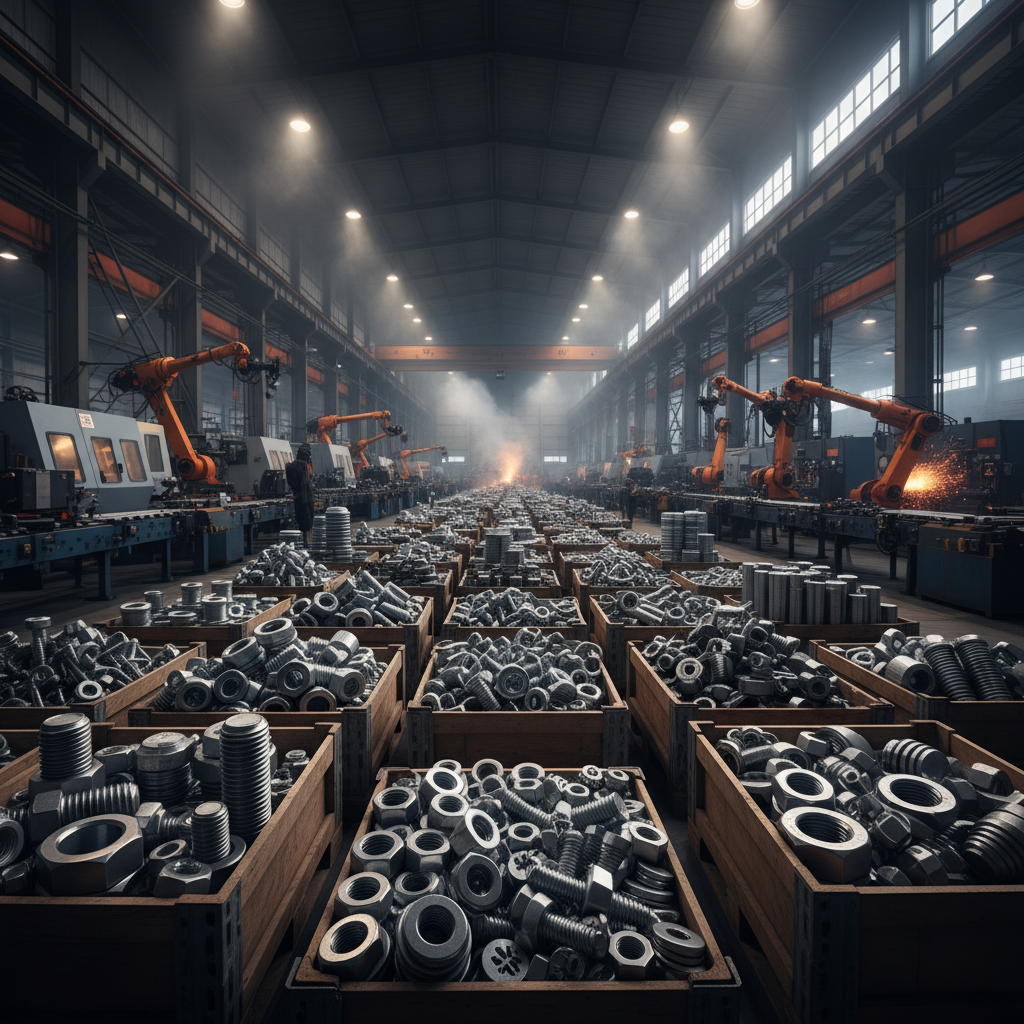
The global reliance on mechanical fasteners is deeply ingrained in virtually every aspect of modern infrastructure and manufacturing. From the automotive industry, where thousands of fasteners are used in a single vehicle, to aerospace engineering, where precision and reliability are paramount, these components are indispensable. The construction sector, with its ever-increasing demands for durable and efficient building methods, represents another significant market.
The availability and quality of mechanical fasteners directly impact the efficiency and safety of these industries. Supply chain disruptions, material shortages, or quality control issues can have cascading effects, leading to project delays, increased costs, and even structural failures. Therefore, a robust and reliable supply chain for fasteners is essential for sustained economic growth.
Furthermore, the increasing focus on sustainability and circular economy principles is driving innovation in fastener materials and manufacturing processes. Developing eco-friendly and recyclable fasteners is becoming a priority for many companies and governments worldwide.
Defining Mechanical Fasteners and Their Role
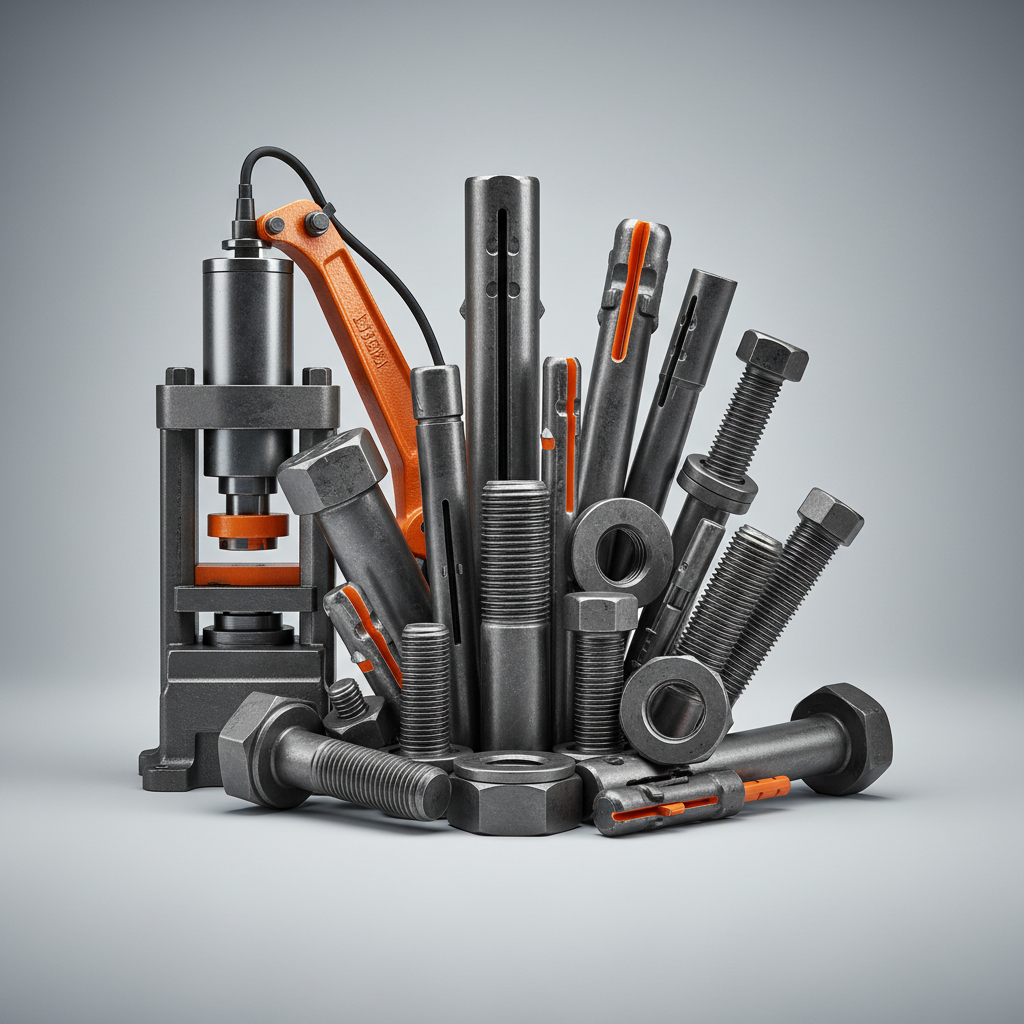
Simply put, mechanical fasteners are elements that use physical force to hold materials together. Unlike adhesives which rely on chemical bonds, or welding which fuses materials, fasteners create a separable joint. This separation is vital for maintenance, repair, and eventual disassembly. This includes screws, bolts, nuts, rivets, and washers—all designed to apply force and create a secure connection.
The role of mechanical fasteners extends far beyond merely holding things together. They contribute to structural integrity, distribute loads, and absorb vibrations. Choosing the correct fastener—considering material, size, and coating—is critical for ensuring the long-term performance and safety of any assembly. A poorly chosen fastener can be the weakest link in an otherwise robust system.
Their connection to modern industry is undeniable. Without reliable mechanical fasteners, mass production would be impossible. From assembling consumer electronics to constructing skyscrapers, their widespread application speaks to their inherent versatility and efficiency. They are fundamental to humanitarian efforts as well, being critical in the rapid deployment of shelters and essential infrastructure.
Key Attributes of Effective Mechanical Fasteners
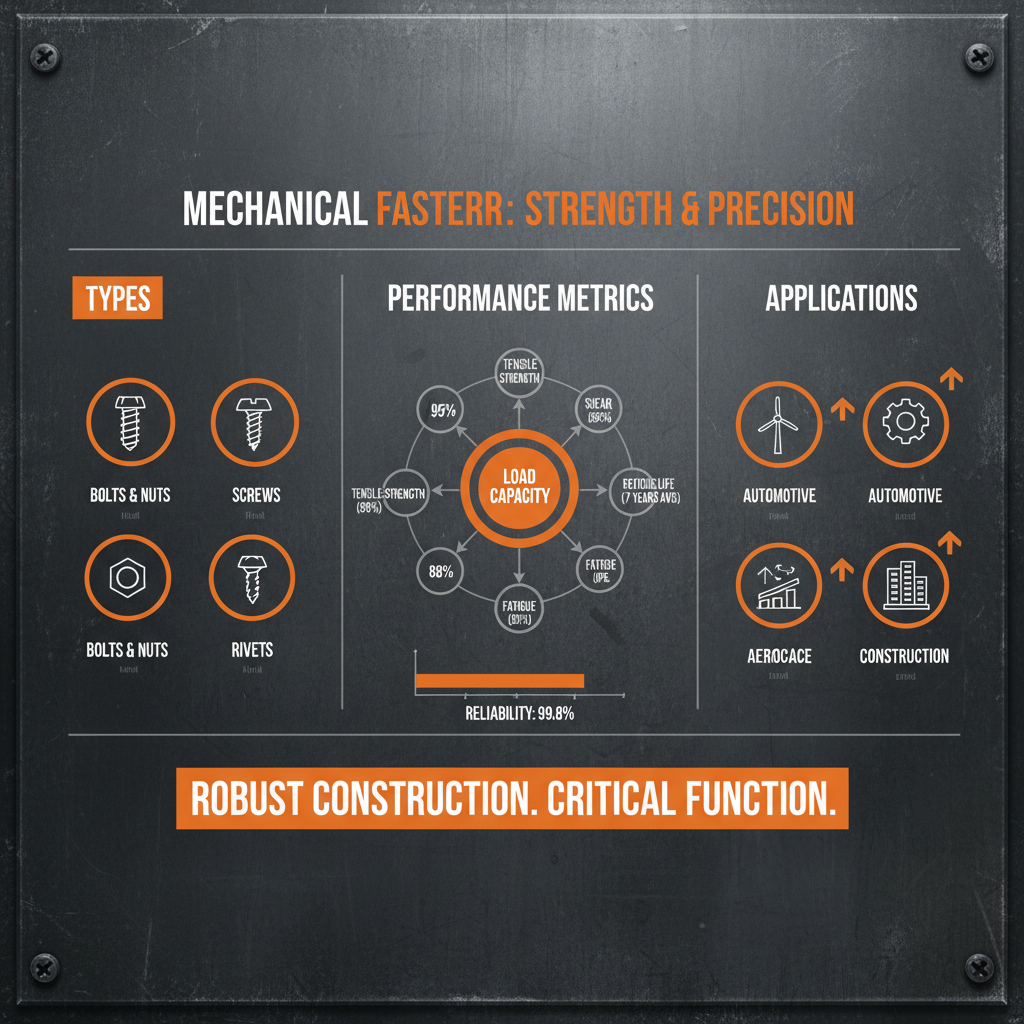
Effective mechanical fasteners possess several key attributes that contribute to their reliability and performance. Durability is paramount; they must withstand environmental factors like corrosion, temperature fluctuations, and mechanical stress without failing.
Scalability is another critical aspect. Fasteners must be readily available in a range of sizes and materials to accommodate diverse application requirements. Cost efficiency also plays a significant role, influencing project budgets and overall economic viability.
Mechanical Fastener Performance Metrics
Diverse Applications of Mechanical Fasteners
The applications of mechanical fasteners are remarkably diverse, spanning across almost all industries. In the automotive sector, they are integral to assembling vehicle bodies, engines, and chassis. Construction relies heavily on bolts, screws, and rivets for erecting buildings, bridges, and infrastructure.
Aerospace engineering demands high-strength, lightweight fasteners to ensure the safety and reliability of aircraft. Even in consumer products, from furniture assembly to electronics manufacturing, mechanical fasteners are essential. In post-disaster relief operations, rapidly deployable shelters and temporary infrastructure often rely heavily on robust and easily assembled mechanical fastening systems.
Benefits and Long-Term Value Proposition
The benefits of utilizing mechanical fasteners extend beyond immediate functionality. Cost-effectiveness is a key driver; fasteners are generally less expensive than welding or adhesive bonding, particularly for large-scale projects. Sustainability is increasingly important, with the development of recyclable and corrosion-resistant materials reducing environmental impact.
Reliability and safety are paramount. Properly installed mechanical fasteners provide secure and dependable joints, minimizing the risk of structural failures. The ease of disassembly allows for maintenance, repairs, and future modifications, extending the lifespan of assembled products and structures. This offers a sense of trust and confidence in the longevity of designs.
Future Trends and Innovations in Fastening Technology
The field of mechanical fasteners is continuously evolving. The development of new materials, such as high-strength alloys and composite fasteners, is pushing the boundaries of performance. Digital transformation, including the use of smart fasteners equipped with sensors, is enabling real-time monitoring of joint integrity and predictive maintenance.
Automation in fastener installation is increasing efficiency and reducing labor costs. Furthermore, sustainability initiatives are driving research into biodegradable and bio-based fasteners. These innovations aim to minimize environmental impact and promote a circular economy.
The integration of mechanical fasteners with additive manufacturing (3D printing) is also gaining traction, allowing for the creation of custom fasteners tailored to specific application requirements.
FAQS
Stainless steel fasteners, particularly those with higher molybdenum content (like 316 stainless steel), offer excellent corrosion resistance. Additionally, fasteners with specialized coatings, such as zinc plating, hot-dip galvanizing, or ceramic coatings, can provide substantial protection against corrosive environments. Choosing the right material and coating depends on the specific corrosive agent and operating conditions.
Determining the correct torque is crucial to prevent both loosening and stripping of fasteners. Manufacturers typically provide torque specifications based on fastener size, material, and application. Using a calibrated torque wrench is essential. Factors like lubrication, surface finish, and joint material also influence torque requirements. Always consult engineering specifications and follow best practices.
The primary difference lies in their intended use. Bolts typically pass through a hole and are secured with a nut on the opposite side. Screws, on the other hand, are designed to thread directly into the material they are fastening, creating their own thread. While there's some overlap, this distinction guides their application in different assemblies.
Self-locking fasteners, such as those with nylon inserts or prevailing torque features, resist loosening due to vibration or dynamic loads. This is particularly important in critical applications where fastener failure could have serious consequences. They improve joint reliability and reduce the need for secondary locking mechanisms like lock washers.
Galling, or adhesive wear, can occur when stainless steel fasteners are used. To prevent it, use anti-seize lubricant during installation. Proper lubrication reduces friction and prevents the microscopic welding that leads to galling. Additionally, using different materials for the fastener and mating part can mitigate the risk.
Emerging trends include the use of high-strength aluminum alloys for weight reduction, titanium alloys for corrosion resistance and high-temperature applications, and composite fasteners for vibration damping and electrical insulation. Research is also focused on developing biodegradable and bio-based fastener materials for sustainability.
Conclusion
In summary, mechanical fasteners are essential components that underpin modern infrastructure, manufacturing, and countless everyday applications. Their versatility, reliability, and cost-effectiveness make them indispensable. Understanding the principles of fastener selection, installation, and maintenance is crucial for ensuring the long-term performance and safety of any assembled product or structure.
Looking ahead, continued innovation in materials, manufacturing processes, and smart fastener technologies will further enhance their capabilities and sustainability. Embracing these advancements will be key to addressing the evolving challenges and opportunities facing industries worldwide. For reliable, high-quality mechanical fasteners, visit our website at www.lzfasteners.com.





 English
  Afrikaans
  Arabic
  Bengali
  Bulgarian
  French
  German
  Hindi
Hindi  Indonesian
  Italian
  Japanese
  Korean
  Malay
Malay  Portuguese
  Russian
  Spanish
  Thai
Thai  Turkish
  Urdu
Urdu  Vietnamese