Different types of fasteners are ubiquitous in modern life, holding together everything from the bridges we drive on to the smartphones we use. Understanding the vast array of fastener options – from simple screws and bolts to complex riveting systems and specialized adhesives – is crucial for engineers, manufacturers, and even DIY enthusiasts. The global fastener market is a multi-billion dollar industry, demonstrating its critical role in countless sectors.
The demand for efficient and reliable fastening solutions is constantly growing, driven by advancements in materials science, manufacturing processes, and increasingly complex product designs. This requires a deep knowledge of different types of fasteners, their strengths, weaknesses, and appropriate applications. Properly selecting the right fastener ensures structural integrity, safety, and long-term performance.
Furthermore, the increasing focus on sustainability and cost optimization is pushing innovation within the fastener industry. New materials, coating technologies, and manufacturing techniques are emerging to create fasteners that are more durable, lightweight, and environmentally friendly. A comprehensive grasp of different types of fasteners is essential to navigating this evolving landscape.
The Importance of Understanding Different Types of Fasteners
The selection of the appropriate fastener isn’t merely a mechanical detail; it’s a critical component of a design’s safety, reliability, and longevity. Choosing the wrong fastener can lead to structural failure, costly repairs, and potentially dangerous consequences. different types of fasteners offer varying levels of strength, corrosion resistance, and compatibility with different materials.
Moreover, understanding the nuances of fastener performance helps optimize material usage, reduce manufacturing costs, and improve overall product quality. It’s a fundamental skill for anyone involved in the design, fabrication, or maintenance of anything from aerospace components to everyday household goods.
Defining Different Types of Fasteners
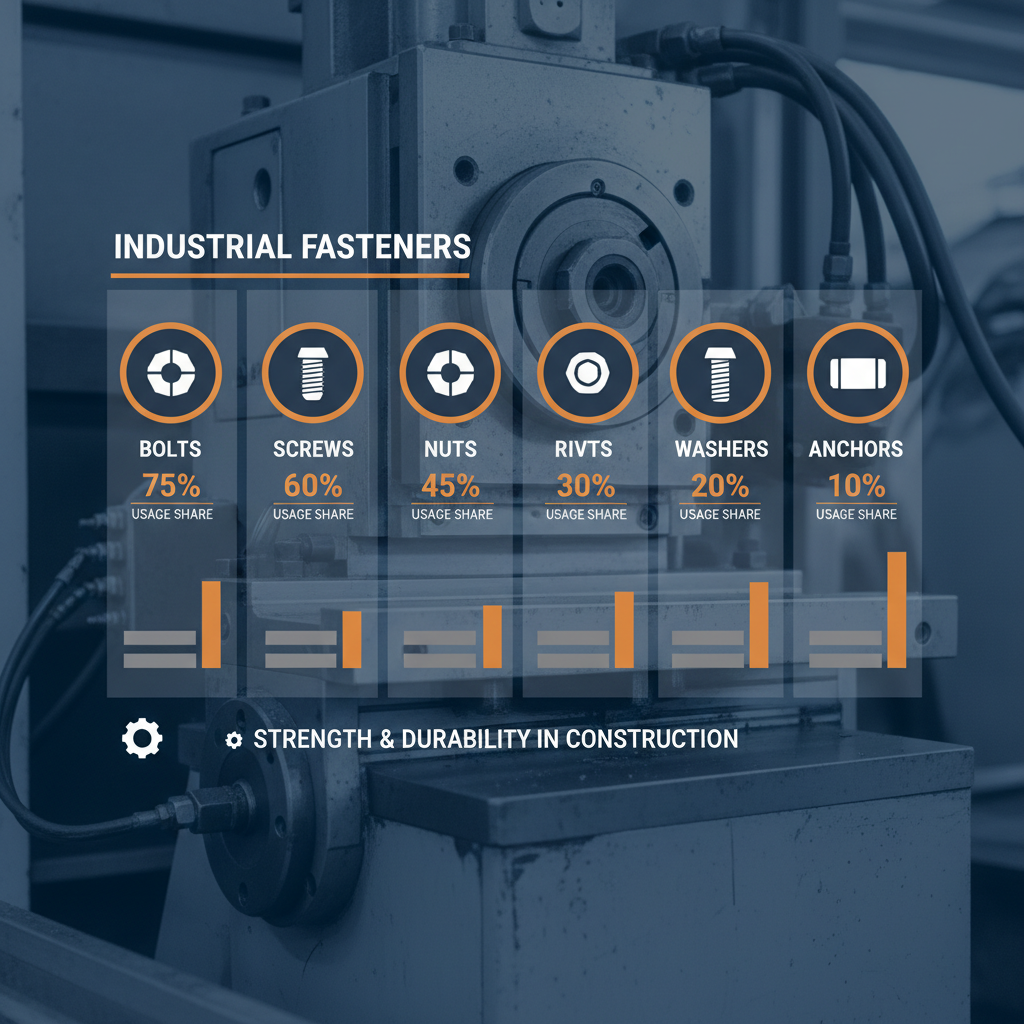
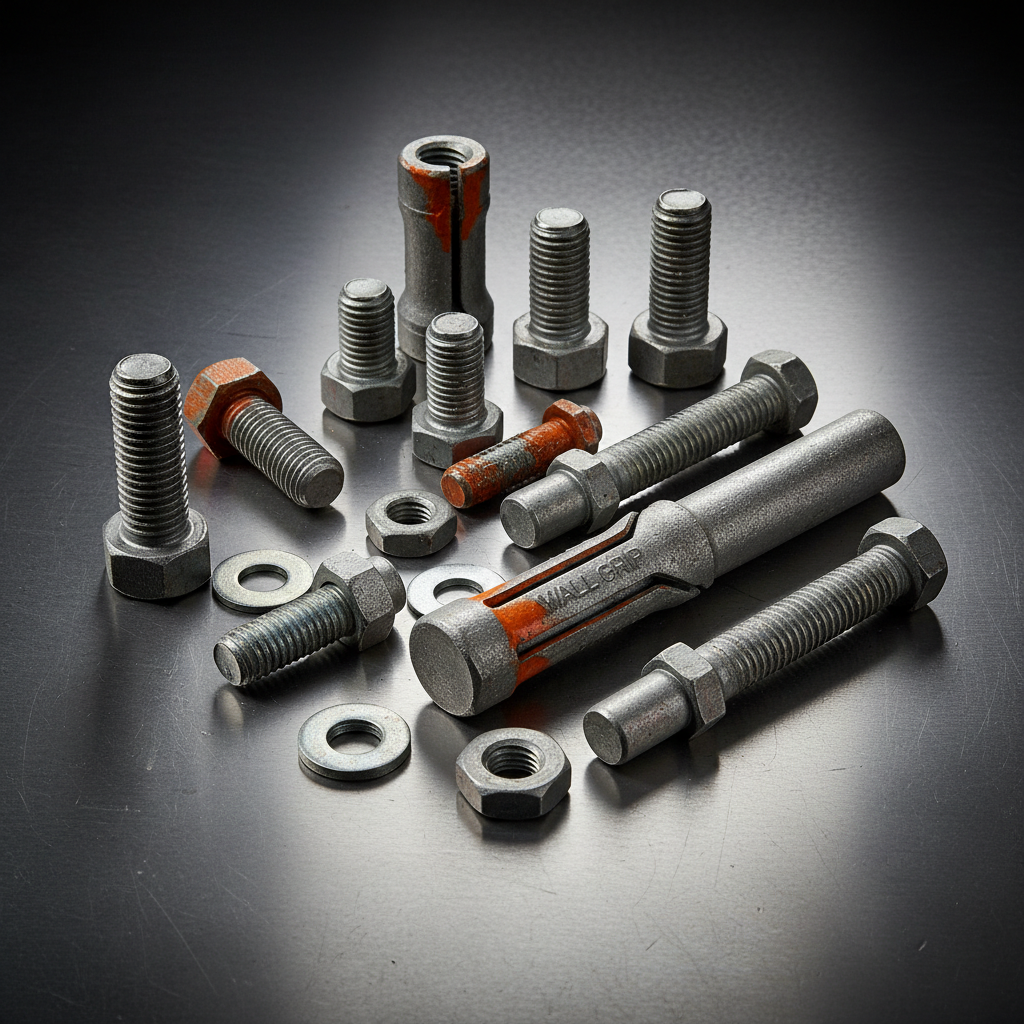
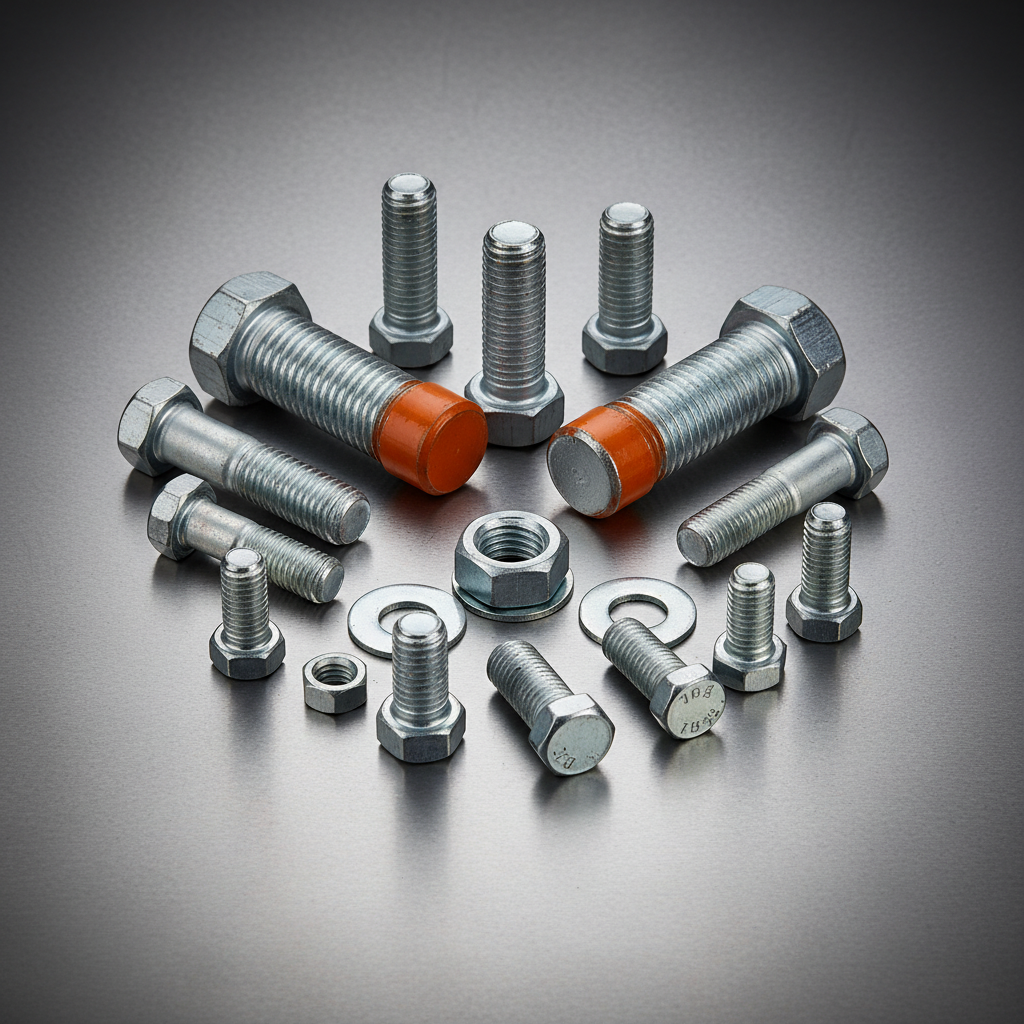
Different types of fasteners are mechanical components used to join materials together. They include, but aren’t limited to, screws, bolts, nuts, rivets, and adhesives. While the basic principle of creating a secure joint remains the same, the methods and materials used vary significantly. Screws, for example, typically create a joint through threaded engagement within a material, while bolts rely on a nut to clamp materials together.
Rivets are permanent fasteners that deform plastically upon installation, creating a strong, irreversible bond. Adhesives, on the other hand, utilize chemical bonding to hold materials together, offering advantages like weight reduction and even stress distribution. Understanding the specific characteristics of each type of fastener is essential for making informed decisions.
The selection process involves considering factors like the materials being joined, the required strength of the joint, environmental conditions, and the ease of assembly and disassembly. The ever-evolving field continues to see innovative solutions emerge, such as self-locking fasteners and specialty coatings for enhanced corrosion resistance.
Core Characteristics of Different Types of Fasteners
Durability is paramount when evaluating different types of fasteners. This includes resistance to tensile stress (pulling force), shear stress (sliding force), and fatigue (weakening over repeated stress). Materials like stainless steel and high-strength alloys are chosen for applications requiring exceptional durability, while more economical options like carbon steel are suitable for less demanding applications.
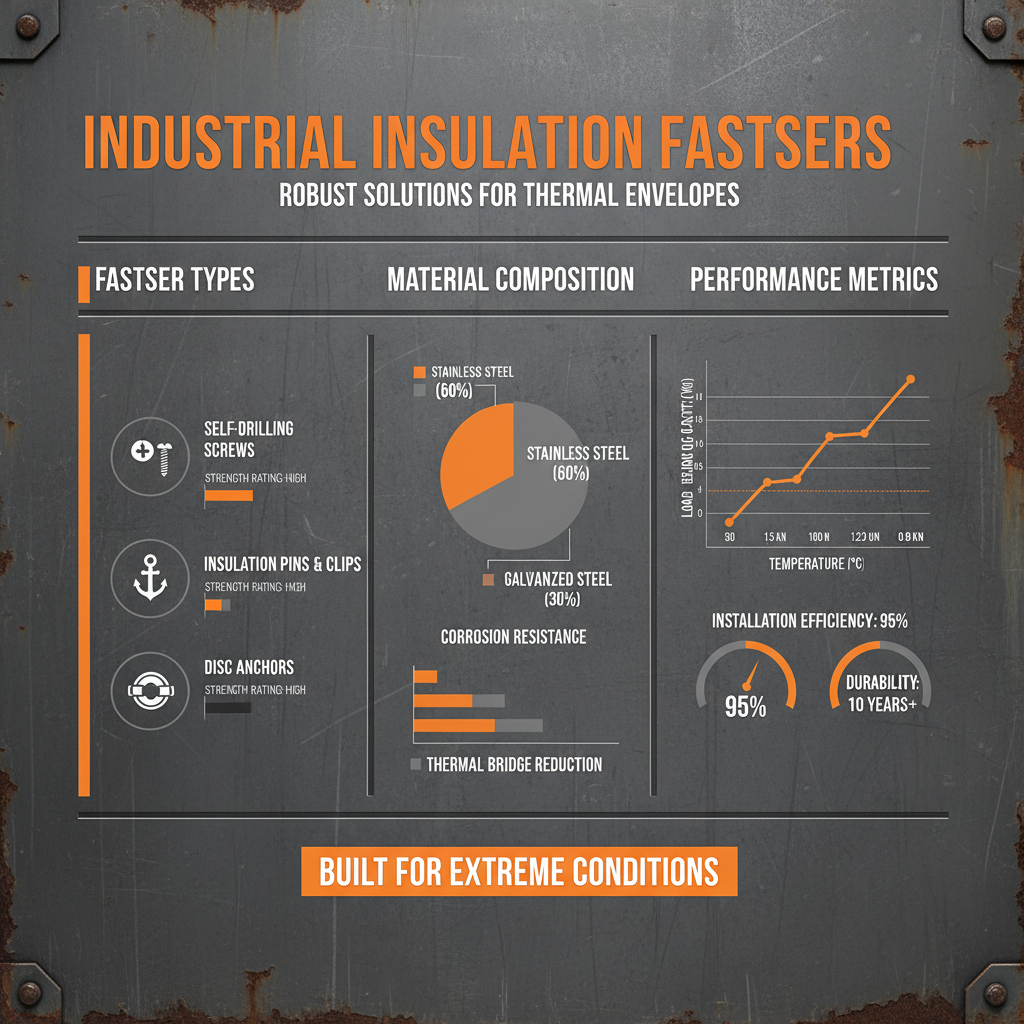
Corrosion resistance is another critical characteristic. Exposure to harsh environments – such as saltwater, chemicals, or extreme temperatures – can rapidly degrade fasteners, compromising their integrity. Coatings like zinc plating, galvanization, and specialized polymers are often applied to protect fasteners from corrosion.
Load capacity refers to the maximum force a fastener can withstand before failure. This is a crucial consideration for structural applications. Fasteners are rated based on their tensile strength and shear strength, providing engineers with the data needed to select fasteners that can safely handle anticipated loads. Different thread pitches and geometries also play a role in load capacity.
Key Factors in Fastener Selection
Material compatibility is a primary concern. Dissimilar metals can react galvanically, leading to corrosion. It’s essential to select fasteners made from materials that are compatible with the materials being joined. For example, using stainless steel fasteners with aluminum requires careful consideration to avoid galvanic corrosion.
The application environment dictates many aspects of fastener selection. Fasteners used outdoors must be resistant to weather and UV exposure. Those used in high-temperature environments require materials that maintain their strength and integrity at elevated temperatures. The type of load (static or dynamic) also influences the choice of fastener.
Fastener Performance Comparison
Global Applications and Industries Utilizing Fasteners
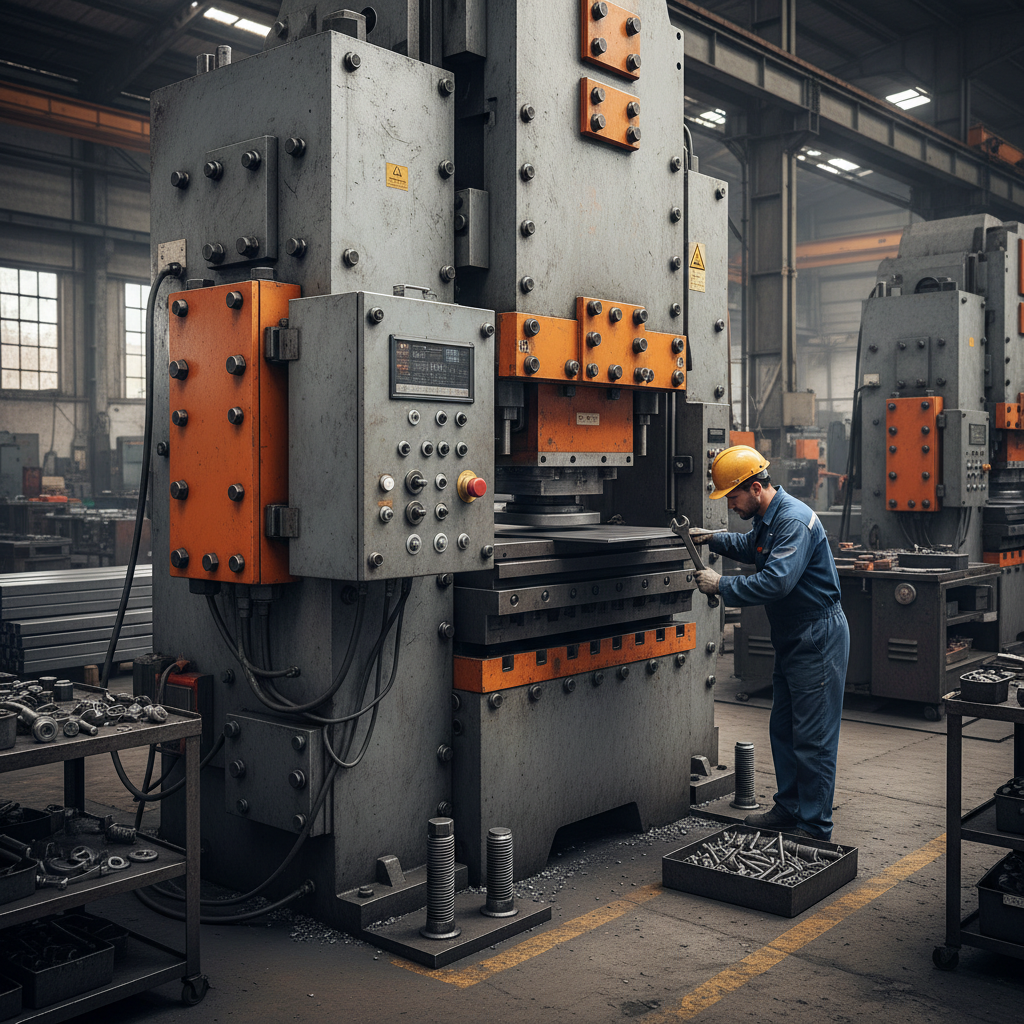
The automotive industry is a major consumer of different types of fasteners, utilizing millions of bolts, screws, and rivets in vehicle assembly. Aerospace relies heavily on high-strength, corrosion-resistant fasteners for critical structural components. Construction utilizes an enormous variety of fasteners – from concrete anchors to wood screws – in building and infrastructure projects.
The electronics industry employs miniature fasteners for assembling circuit boards and electronic devices. The manufacturing sector, in general, is heavily reliant on different types of fasteners across countless applications. Even renewable energy systems like wind turbines and solar panels require specialized fasteners to withstand harsh environmental conditions.
Advantages and Long-Term Value of Optimized Fastening
Optimizing fastener selection leads to significant cost savings. Using the right fastener can reduce assembly time, minimize material waste, and prevent costly failures. A properly fastened joint is also inherently safer, reducing the risk of accidents and injuries.
Sustainability is another key benefit. Durable fasteners extend the lifespan of products, reducing the need for frequent replacements and minimizing environmental impact. Furthermore, advancements in fastener materials and coatings are leading to more eco-friendly options.
Choosing the right fastener builds trust and enhances brand reputation. A reliable product built with quality fasteners demonstrates a commitment to excellence, fostering customer confidence and loyalty.
Future Trends and Innovations in Fastener Technology
Additive manufacturing (3D printing) is revolutionizing fastener production, enabling the creation of complex geometries and customized designs. Smart fasteners equipped with sensors can monitor stress levels, detect corrosion, and provide real-time data for predictive maintenance.
Research into self-healing materials and bio-based polymers promises to create fasteners that are more durable, sustainable, and environmentally friendly. The adoption of digital twins and virtual prototyping will further optimize fastener selection and performance.
Developments in surface treatment and coating technologies continue to enhance corrosion resistance and improve fastener lifespan. The trend towards lightweighting in industries like automotive and aerospace is driving demand for high-strength, lightweight fasteners.
Core Analysis of Future Fastener Technologies
| Technology |
Potential Impact |
Development Stage |
Implementation Cost |
| Additive Manufacturing |
Custom designs, reduced lead times |
Early Adoption |
Medium |
| Smart Fasteners |
Predictive maintenance, improved safety |
Research & Development |
High |
| Self-Healing Materials |
Increased durability, reduced failures |
Laboratory Testing |
Very High |
| Bio-Based Polymers |
Sustainable materials, reduced carbon footprint |
Pilot Production |
Medium |
| Advanced Coatings |
Enhanced corrosion resistance, longer lifespan |
Wide Adoption |
Low |
| Digital Twin Integration |
Optimized selection, virtual testing |
Early Implementation |
Medium |
FAQS
Screws are typically tapered and designed to create their own thread within a material, whereas bolts have a consistent diameter and require a pre-tapped hole or nut for fastening. Screws generally have a pointed end, while bolts usually have a hexagonal head. The application dictates the best choice - screws for lighter duties and softer materials, bolts for heavier loads and stronger connections.
Material significantly impacts a fastener's strength, corrosion resistance, and compatibility. Stainless steel provides excellent corrosion resistance, while carbon steel offers high strength at a lower cost. Alloy steels are often used for extreme conditions requiring both strength and durability. Choosing the wrong material can lead to premature failure and safety hazards.
Galvanic corrosion occurs when two dissimilar metals are in contact in the presence of an electrolyte (like water). It causes one metal to corrode preferentially. Prevention involves using compatible metals, applying protective coatings (like zinc plating), or using insulating materials between the metals.
Coated fasteners offer enhanced corrosion resistance, improved aesthetics, and increased lifespan. Common coatings include zinc, nickel, and polymer-based materials. The specific coating selected depends on the environmental conditions and the materials being joined. Coatings can also reduce friction during installation.
Determining the correct size and strength involves considering the loads the fastener will experience, the materials being joined, and the required safety factor. Engineers use calculations based on tensile strength, shear strength, and yield strength to select fasteners that can safely withstand the anticipated stresses. Proper torque application is also critical.
Emerging trends include the development of lightweight materials like titanium and aluminum alloys, high-strength steels with improved corrosion resistance, and bio-based polymers for more sustainable fasteners. Additive manufacturing also enables the creation of custom fasteners with optimized geometries and material properties. Self-healing materials are also a burgeoning area of research.
Conclusion
Understanding different types of fasteners is not merely about knowing their names, but about grasping their unique properties, strengths, and limitations. This knowledge is crucial for ensuring the safety, reliability, and longevity of structures and products across a vast array of industries. Properly selecting and applying fasteners optimizes performance, reduces costs, and promotes sustainability.
As technology continues to advance, the fastener industry will undoubtedly see further innovation in materials, manufacturing processes, and smart technologies. Staying informed about these advancements is vital for engineers, designers, and manufacturers seeking to create cutting-edge solutions. For a comprehensive selection of high-quality fasteners and expert advice, visit our website: www.lzfasteners.com





 English
  Afrikaans
  Arabic
  Bengali
  Bulgarian
  French
  German
  Hindi
Hindi  Indonesian
  Italian
  Japanese
  Korean
  Malay
Malay  Portuguese
  Russian
  Spanish
  Thai
Thai  Turkish
  Urdu
Urdu  Vietnamese