



Fastener price is a crucial, yet often overlooked, element in global infrastructure, manufacturing, and countless other industries. Understanding the factors influencing fastener price – from material costs and manufacturing processes to supply chain dynamics and geopolitical events – is essential for businesses to maintain profitability and for governments to ensure the successful completion of large-scale projects. The effective management of fastener price directly impacts project budgets, product quality, and overall economic stability.
Globally, the fastener industry represents a multi-billion dollar market, experiencing consistent growth alongside expanding construction, automotive, and aerospace sectors. Economic shifts, such as fluctuating raw material prices (steel, aluminum, titanium), play a significant role in determining fastener price. Furthermore, regional variations in labor costs, transportation fees, and import/export tariffs significantly influence the final cost to the end-user. The ability to accurately forecast and manage these variables is paramount for sustained success.
The importance of understanding fastener price extends beyond purely economic considerations. In critical applications, such as aerospace and medical devices, the integrity and reliability of fasteners are paramount. Choosing the right fastener, at the right price, involves a careful balance between cost-effectiveness and ensuring compliance with stringent safety standards. Neglecting this balance can have devastating consequences, highlighting the critical importance of informed decision-making in this often-underestimated market.

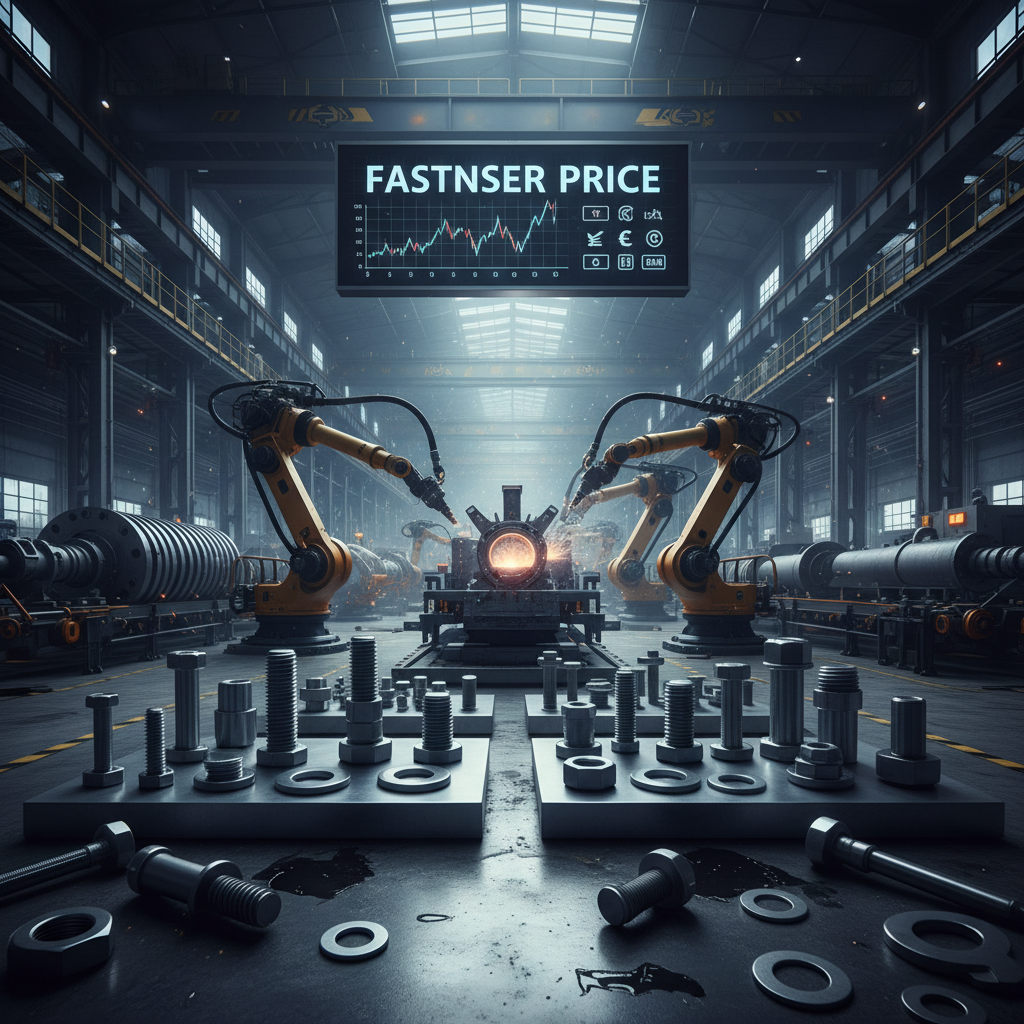
The impact of fastener price extends far beyond the cost of the components themselves. It's a critical component of total project cost, influencing profitability for manufacturers and developers. Accurate forecasting of fastener price allows for more realistic budgeting and helps avoid costly overruns. Furthermore, strategically managing fastener price can unlock opportunities for increased efficiency and improved resource allocation.
Understanding the factors that drive fastener price is not merely a financial exercise; it’s also a quality control measure. Lowering costs shouldn’t come at the expense of material integrity or performance. A holistic approach to fastener price considers both cost and quality, ensuring long-term reliability and safety in applications ranging from bridge construction to aerospace engineering.
Several factors significantly impact fastener price trends, including raw material costs (particularly steel and aluminum), global supply chain disruptions, geopolitical events, and fluctuations in energy prices. Demand from key industries like construction, automotive, and aerospace also plays a crucial role. Inflationary pressures and currency exchange rates can further influence pricing structures.
Businesses can mitigate risk through several strategies, including diversifying their supplier base to reduce reliance on single sources, negotiating long-term contracts with suppliers to lock in favorable pricing, utilizing hedging strategies to protect against commodity price fluctuations, and implementing robust inventory management systems to optimize stock levels. Regularly monitoring market trends and geopolitical events is also crucial.
Quality is paramount and directly linked to fastener price. While cheaper fasteners may appear attractive, compromising on quality can lead to failures, costly repairs, and potential safety hazards. Investing in high-quality fasteners ensures long-term reliability and reduces the total cost of ownership. It’s crucial to balance cost considerations with the required performance specifications.
Growing sustainability concerns are increasingly impacting fastener price. Demand for eco-friendly fasteners made from recycled materials or with lower carbon footprints is rising. Suppliers investing in sustainable manufacturing processes may charge a premium, but this is often offset by the long-term benefits of reduced environmental impact and enhanced corporate social responsibility. Regulations promoting sustainable practices also contribute to price adjustments.
Technological advancements like AI-powered procurement platforms, digital supply chain management systems, and automation in manufacturing are significantly influencing fastener price and procurement. These technologies enable greater transparency, more efficient sourcing, and reduced administrative costs. Data analytics help businesses forecast demand, optimize inventory levels, and negotiate better pricing terms with suppliers.
Geopolitical instability significantly impacts fastener price through disruptions to supply chains, trade wars, and tariffs. Political tensions can lead to shortages of raw materials, increased transportation costs, and uncertainty in the market. Companies need to closely monitor geopolitical events and develop contingency plans to mitigate these risks, such as diversifying their sourcing locations and building strategic reserves.
In conclusion, understanding fastener price is far more than simply knowing the cost of a component. It is a critical element of successful project management, efficient manufacturing, and sustainable business practices. By carefully considering the factors influencing fastener price – from raw material costs and manufacturing processes to supply chain dynamics and geopolitical events – businesses can optimize their procurement strategies, reduce costs, and ensure the long-term reliability and safety of their products and infrastructure.
Looking ahead, embracing digital technologies, prioritizing sustainability, and fostering strong supplier relationships will be essential for navigating the evolving landscape of fastener price. Proactive monitoring of market trends, coupled with data-driven decision-making, will empower businesses to remain competitive and resilient in a dynamic global economy. For further information on optimizing your fastener procurement and understanding current fastener price trends, visit our website.



 English
  Afrikaans
  Arabic
  Bengali
  Bulgarian
  French
  German
  Hindi
Hindi  Indonesian
  Italian
  Japanese
  Korean
  Malay
Malay  Portuguese
  Russian
  Spanish
  Thai
Thai  Turkish
  Urdu
Urdu  Vietnamese