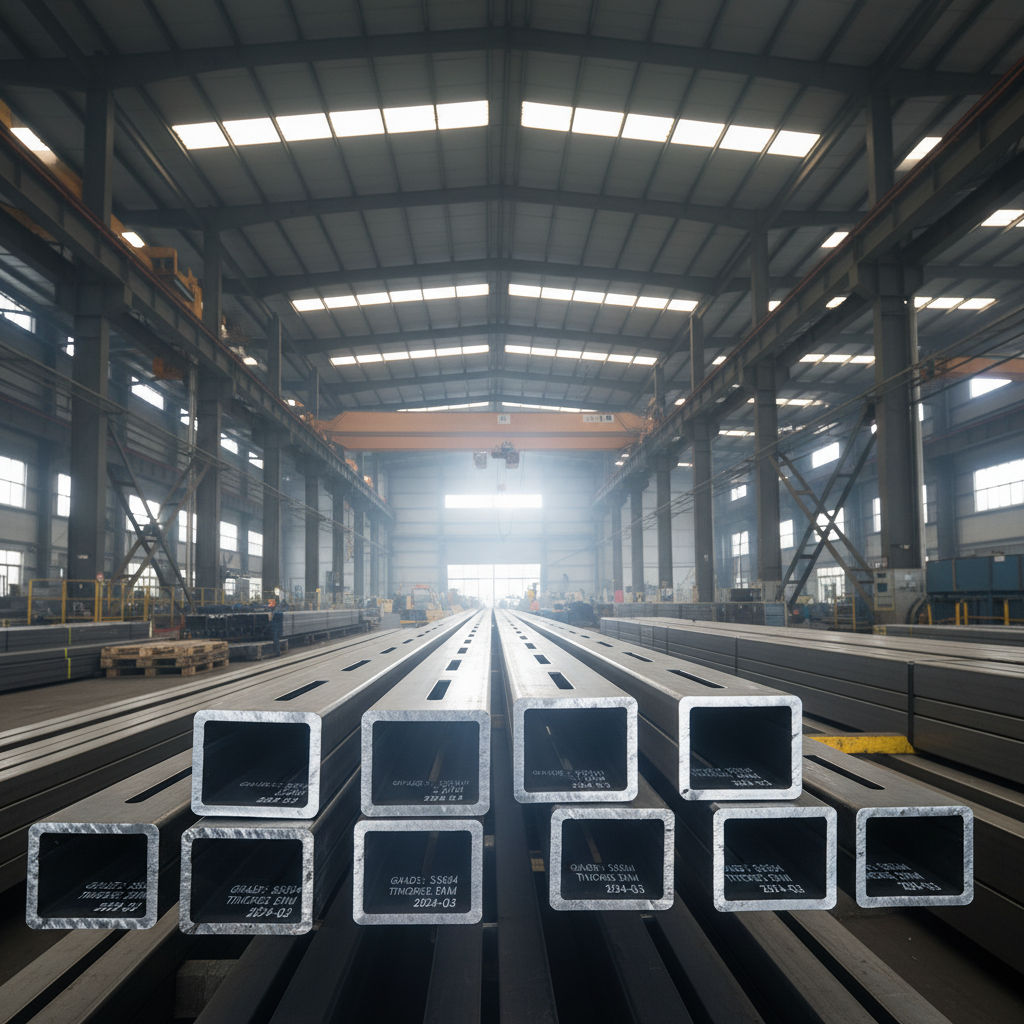
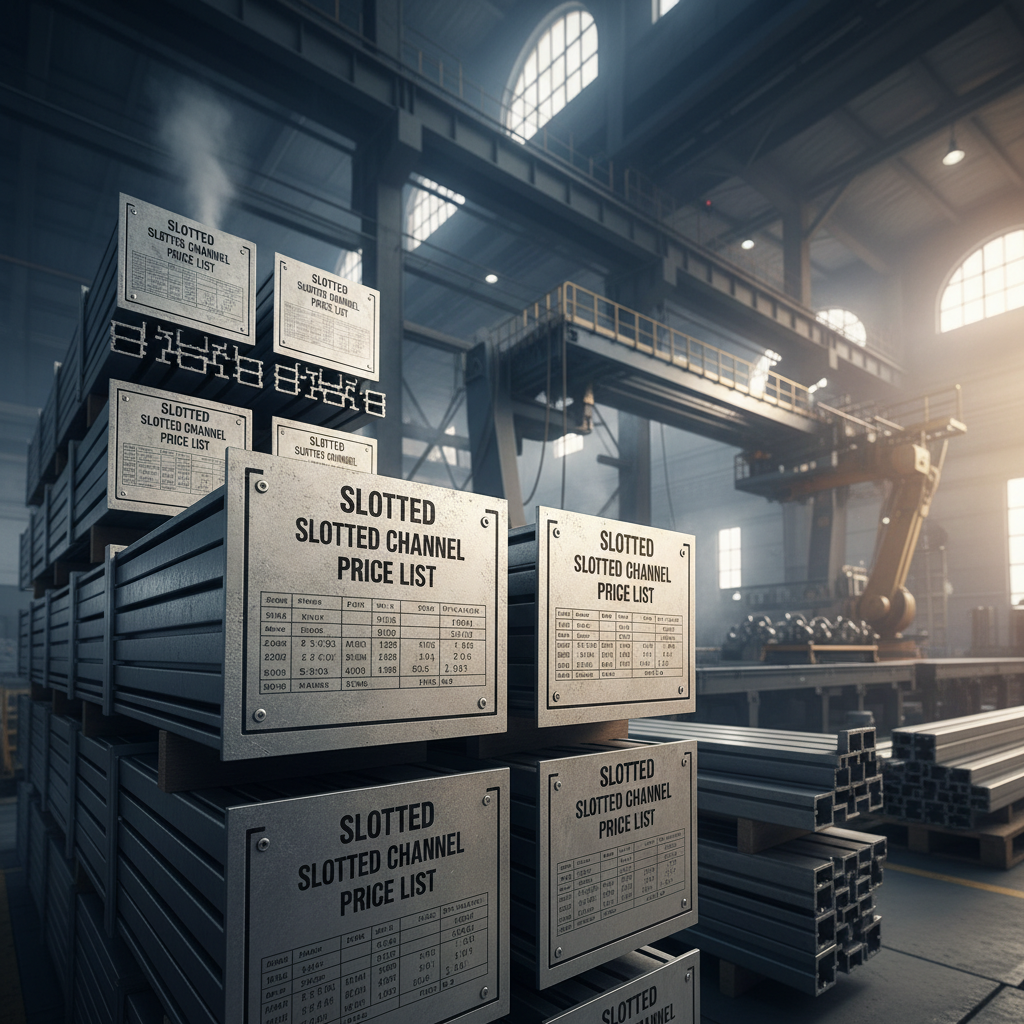
Slotted channel price represents a critical component in modern infrastructure, construction, and industrial applications. Understanding the factors influencing this price – material costs, manufacturing processes, supply chain dynamics, and regional demand – is vital for project budgeting, cost control, and efficient resource allocation. Accurate assessment of slotted channel price allows for informed decision-making, ultimately leading to successful project completion and maximized return on investment.
Globally, the demand for slotted channel systems is steadily increasing, driven by the need for versatile and adaptable support structures in diverse environments. This demand is further fueled by the growing trend towards prefabrication and modular construction, where slotted channels offer significant advantages in terms of installation speed and ease of modification. Consequently, a comprehensive understanding of slotted channel price trends is crucial for businesses operating in these sectors.
The significance of monitoring slotted channel price extends beyond individual project costs. Fluctuations in price can indicate broader economic trends, material shortages, or shifts in manufacturing capabilities. Analyzing these fluctuations allows stakeholders to anticipate potential disruptions, adjust procurement strategies, and mitigate risks effectively. Access to reliable and up-to-date information on slotted channel price is therefore essential for maintaining competitiveness and ensuring operational stability.
The Fundamentals of slotted channel price
The fundamental understanding of slotted channel price begins with recognizing the raw material costs – primarily steel, aluminum, or stainless steel – which represent a significant portion of the overall expense. These costs are subject to market fluctuations, geopolitical events, and global demand, directly influencing the price of the finished product. Understanding these underlying material dynamics is crucial for predicting price trends.
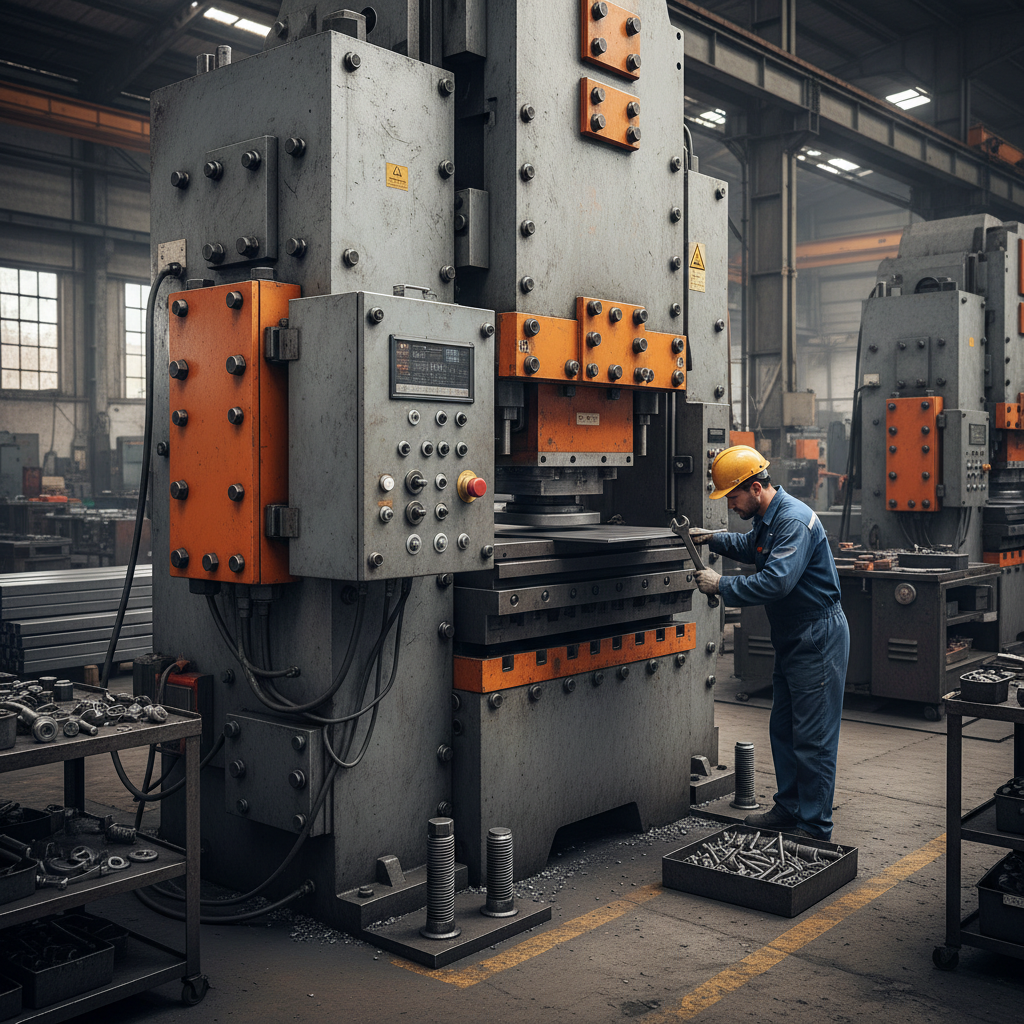
Beyond materials, manufacturing complexity and fabrication methods also play a key role. Processes like cutting, bending, welding, and coating all contribute to the final slotted channel price. Higher precision requirements, specialized finishes, and custom designs typically lead to increased manufacturing costs, impacting the final price point. Exploring options for optimizing fabrication techniques can therefore help control costs.
Defining slotted channel price in Context
Slotted channel price refers to the total cost associated with acquiring slotted channel support systems, encompassing not just the channel itself but also associated accessories like brackets, fasteners, and connectors. This price varies widely depending on the channel’s material, dimensions, finish, and quantity ordered. It’s essential to differentiate between the price per linear foot or meter, and the total cost of a complete installation, which includes labor and engineering.
In modern industry, slotted channel systems address the need for adaptable and reconfigurable support structures for electrical cabling, plumbing, HVAC ductwork, and various mechanical equipment. Their modularity and ease of modification make them invaluable in dynamic environments where frequent changes are required. Understanding slotted channel price in this context requires considering the long-term cost savings associated with reduced installation time and minimal rework.
The relevance of slotted channel price extends to humanitarian applications as well. These systems can be rapidly deployed to create temporary shelters, field hospitals, and infrastructure support in disaster relief scenarios. The ability to quickly assemble and disassemble these structures without specialized tools makes them particularly valuable in emergency situations, justifying a higher initial investment in quality components.
Core Factors Influencing slotted channel price
Durability is a significant factor affecting slotted channel price. Channels made from high-quality steel or stainless steel, with robust corrosion resistance, command a higher price but offer extended lifespan and reduced maintenance costs. The initial investment is often offset by long-term savings.
Scalability impacts slotted channel price through the ability to adapt to changing project needs. Systems offering a wide range of accessories and configurations allow for flexible expansion and modification, increasing their overall value and justifying a potentially higher initial cost. Modular design promotes scalability.
Cost efficiency is another critical consideration. While lower-priced channels may seem attractive, they may lack the durability, scalability, or corrosion resistance needed for long-term performance, leading to higher replacement costs and potential downtime. Analyzing the total cost of ownership is vital.
Applications of slotted channel price Across Industries
The construction industry heavily relies on slotted channel systems for supporting mechanical, electrical, and plumbing (MEP) services. slotted channel price is a crucial factor in project budgeting, and optimizing channel selection can lead to significant cost savings and improved efficiency. The speed of installation also affects labor costs.
In industrial settings, slotted channel price is assessed for applications like cable management, conveyor system support, and machine guarding. The durability and load-bearing capacity of the channels are paramount, often justifying a higher investment in premium materials. Safety regulations often dictate the required strength of the support systems.
Slotted Channel Price Comparison by Material
Advantages and Long-Term Value of slotted channel price
Investing in high-quality slotted channel systems translates to reduced maintenance costs and increased system longevity. The robust construction and corrosion-resistant materials minimize the need for repairs and replacements, resulting in long-term savings. Considering the life cycle cost is crucial when evaluating slotted channel price.
The modularity and adaptability of slotted channels contribute to significant time savings during installation and modification. This streamlined process reduces labor costs and minimizes downtime, particularly in dynamic industrial environments where frequent changes are common. The long-term value of slotted channel price lies in its ability to adapt to evolving needs.
Global Trends and Future Innovations in slotted channel price
Sustainability is becoming an increasingly important factor influencing slotted channel price. Manufacturers are exploring the use of recycled materials and eco-friendly coatings to reduce the environmental impact of their products. Demand for 'green' slotted channel solutions is expected to rise.
Digital integration is another emerging trend. Smart slotted channel systems, equipped with sensors and connectivity, enable real-time monitoring of cable load, temperature, and environmental conditions. These systems offer enhanced safety and operational efficiency, potentially justifying a higher slotted channel price.
Automation in manufacturing processes is driving down production costs and increasing the availability of customized slotted channel solutions. This trend is likely to lead to more competitive slotted channel price points and greater flexibility for customers.
Challenges and Solutions Regarding slotted channel price
One common challenge is price volatility caused by fluctuations in raw material costs. Implementing long-term supply agreements and diversifying sourcing can help mitigate this risk. Strategic purchasing and volume discounts can also influence slotted channel price.
Another challenge is the lack of standardized pricing across different suppliers. Conducting thorough market research and comparing quotes from multiple vendors is essential for securing the best possible slotted channel price. Online marketplaces and sourcing platforms can facilitate this process.
Ensuring the compatibility of slotted channel components from different manufacturers can also be a concern. Choosing systems with standardized designs and adhering to industry standards can prevent integration issues and reduce overall costs.
Summary of Challenges and Solutions Regarding slotted channel price
| Challenge |
Impact on slotted channel price |
Solution |
Expected Outcome |
| Raw Material Volatility |
Increased and unpredictable slotted channel price |
Long-term contracts, diversified sourcing |
Price stability, reduced risk |
| Lack of Price Standardization |
Difficulty comparing slotted channel price across vendors |
Market research, competitive bidding |
Optimal slotted channel price, informed decision-making |
| Compatibility Issues |
Potential for additional costs and delays |
Standardized designs, industry compliance |
Seamless integration, reduced installation time |
| Supply Chain Disruptions |
Increased lead times and higher slotted channel price |
Strategic inventory management, alternative suppliers |
Reduced disruptions, reliable supply |
| Customization Costs |
Higher slotted channel price for specialized requirements |
Standardized modularity, efficient design |
Cost-effective customization, faster turnaround |
| Hidden Installation Costs |
Unexpected expenses impacting overall slotted channel price |
Detailed project planning, accurate quoting |
Predictable costs, budget adherence |
FAQS
Several key factors influence slotted channel price. Raw material costs (steel, aluminum, etc.) are a major component, as are manufacturing processes, order quantity, and the specific features of the channel (material grade, finish, dimensions). Transportation costs and supplier markup also contribute to the final price. Understanding these elements is crucial for budgeting.
Material choice has a substantial impact on slotted channel price. Steel is typically the most affordable option, while aluminum offers a lighter weight but at a higher cost. Stainless steel, with its superior corrosion resistance, is the most expensive. The choice depends on the application’s environmental conditions and load-bearing requirements, balanced against budgetary constraints.
Price per foot (or meter) only reflects the cost of the channel itself. Total installed cost includes the channel price, plus the cost of all accessories (brackets, fasteners), labor for installation, engineering fees, and any associated permits. Always consider the total installed cost for an accurate comparison between different systems.
Yes, bulk orders almost always result in a lower slotted channel price. Suppliers typically offer volume discounts to incentivize larger purchases. Negotiating with suppliers and comparing quotes from multiple vendors is essential for securing the best possible price for larger projects. Careful planning and accurate quantity estimation are crucial.
Potential hidden costs include the cost of specialized tools for cutting and modifying the channel, the expense of engineering design for complex installations, and potential rework if the initial design is flawed. Proper planning, accurate measurements, and skilled installation can minimize these hidden costs.
Corrosion resistance significantly impacts the long-term slotted channel price. Channels in corrosive environments (e.g., coastal areas, chemical plants) require materials like stainless steel or galvanized steel, which are more expensive upfront. However, they dramatically reduce the need for maintenance and replacement, leading to lower lifecycle costs.
Conclusion
Understanding slotted channel price requires a holistic view encompassing material costs, manufacturing processes, scalability, durability, and long-term value. By carefully evaluating these factors, businesses and organizations can make informed decisions that optimize project budgets, minimize risks, and ensure the reliability of their infrastructure. A focus on lifecycle costs, rather than simply the initial price, is paramount.
As technology advances and sustainability becomes increasingly important, the slotted channel market is poised for further innovation. Embracing new materials, smart systems, and efficient manufacturing techniques will be crucial for reducing costs, enhancing performance, and meeting the evolving needs of a dynamic global landscape. For detailed pricing and bespoke solutions, visit our website: slotted channel price.






 English
  Afrikaans
  Arabic
  Bengali
  Bulgarian
  French
  German
  Hindi
Hindi  Indonesian
  Italian
  Japanese
  Korean
  Malay
Malay  Portuguese
  Russian
  Spanish
  Thai
Thai  Turkish
  Urdu
Urdu  Vietnamese