Hidden fasteners – they're not glamorous, I'll grant you that. But after years walking job sites, getting my hands dirty, and seeing projects succeed or fail, I can tell you they're absolutely critical. They’re the unsung heroes that keep everything looking clean and professional. We’re talking about a fundamental shift in how we build – moving away from visible fixings to systems that prioritize aesthetics and long-term durability. The demand for these systems is growing, driven by architects wanting cleaner lines, builders aiming for faster installation times, and owners wanting structures that stand the test of time. It’s not just about looks, though; it's about building smarter and more efficiently.
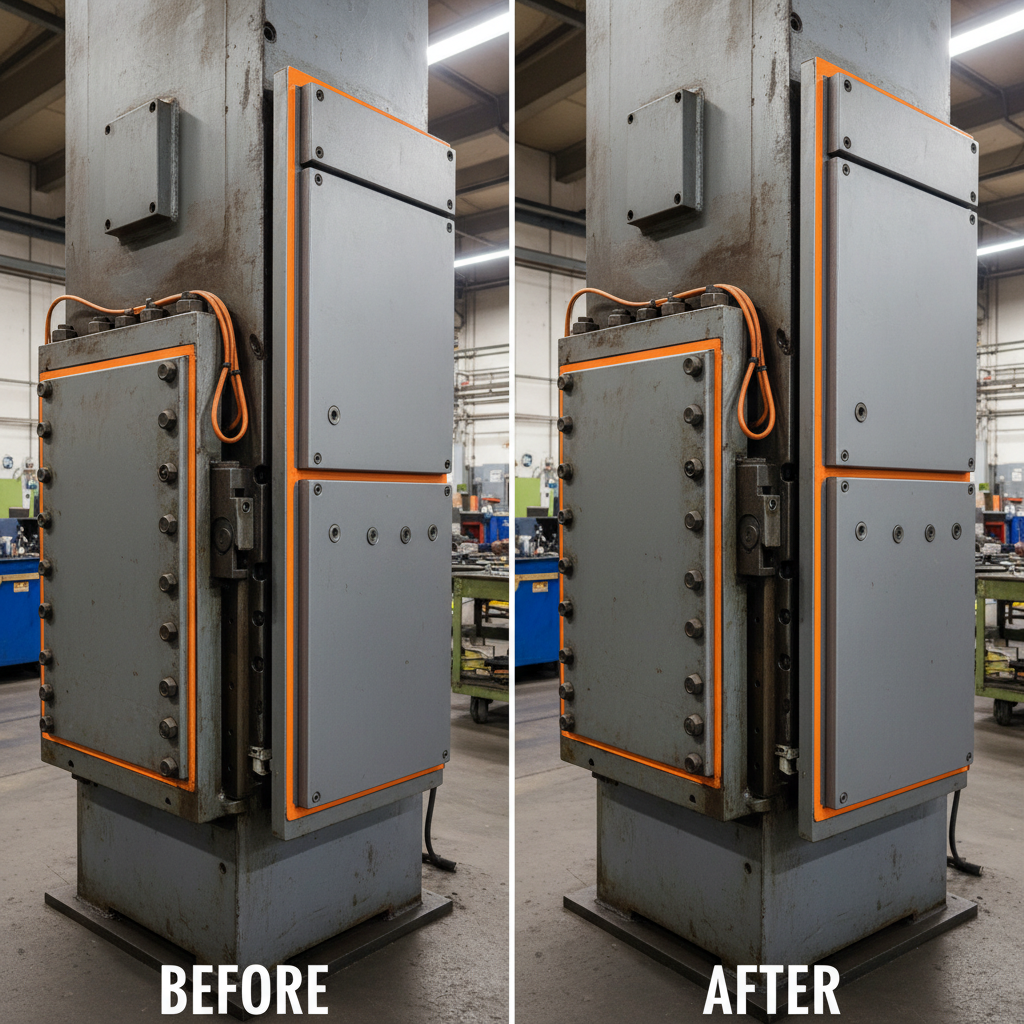
What I’ve seen in the field is that conventional fastening methods can create a lot of headaches. Visible screws and bolts corrode, loosen, and frankly, just look bad. Constant maintenance is required, and often, the fix is worse than the problem. Hidden fastener systems address this directly. They provide a cleaner, more refined finish, requiring significantly less ongoing upkeep. This isn't some luxury feature; it translates directly into lower lifecycle costs for the owner and a better reputation for the builder. And with labor costs rising, anything that speeds up installation and reduces rework is gold.
This isn’t a new concept, but the technology behind it is evolving rapidly. From innovative clip designs to advanced materials, we're seeing solutions tailored to a wider range of applications. The biggest challenge? Getting contractors comfortable with the new methods. There's a learning curve, and some resist change. But once they see the benefits firsthand – the speed, the quality, the reduced callbacks – they quickly become converts. It’s about showing them it’s not more work, it’s better work.
The Importance of Hidden Fasteners in Modern Construction
Look, I spend my days on construction sites. I see what works and what doesn't. And what I've seen is a growing demand for cleaner, more durable building solutions. Hidden fasteners fit that bill perfectly. They’re not just about aesthetics; they represent a shift towards systems that prioritize long-term performance and reduced maintenance. The global construction market is massive – estimated at over $12 trillion annually according to the UN – and a significant portion of that is driven by renovation and refurbishment projects where aesthetic upgrades are key.
The issue with traditional fasteners? They’re exposed, prone to corrosion, and require ongoing attention. This leads to higher lifecycle costs and potential safety hazards. Hidden fasteners address these concerns directly, offering a more robust and visually appealing alternative. We’re seeing it especially in high-end residential and commercial projects, but increasingly, even in more standard builds, the value proposition is becoming clear.
Global Relevance and Market Trends
The demand for hidden fasteners is directly correlated with global construction growth, particularly in developing economies. Regions like Asia-Pacific and Latin America are experiencing rapid urbanization and infrastructure development, which fuels the need for efficient and aesthetically pleasing building solutions. According to a report by the World Bank, global construction is projected to reach $18 trillion by 2030. Within that, the market for specialized fastening systems like hidden fasteners is growing at a faster rate.
One of the key drivers is the increasing focus on sustainable building practices. Hidden fasteners often allow for the use of more sustainable materials, as they don't require the same level of surface treatment to prevent corrosion. Plus, reduced maintenance translates into lower resource consumption over the building's lifespan.
We're also seeing a trend towards prefabrication and modular construction, where hidden fastener systems are becoming essential for achieving clean, seamless finishes. These methods are gaining traction because they offer faster construction times and reduced on-site waste – and hidden fasteners play a vital role in ensuring the quality and appearance of these modular units.
Defining Hidden Fastener Systems
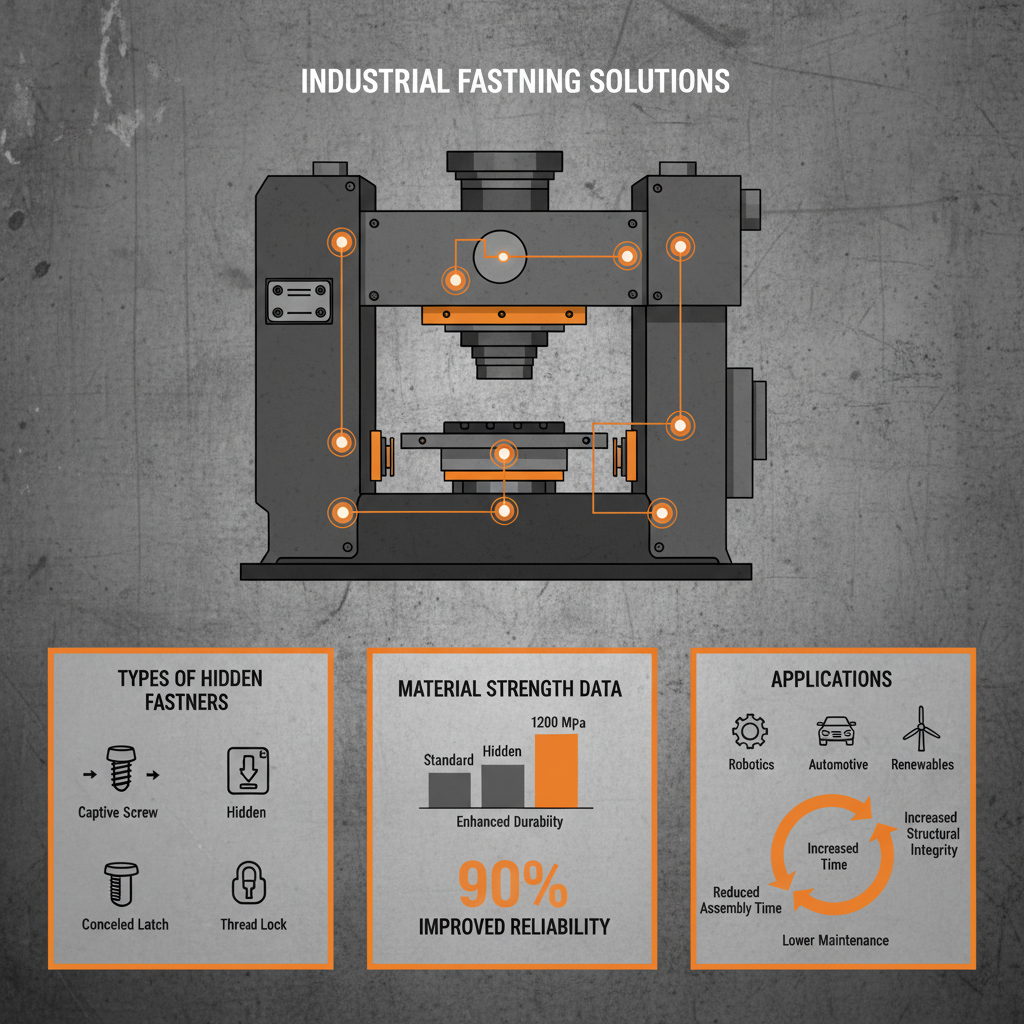
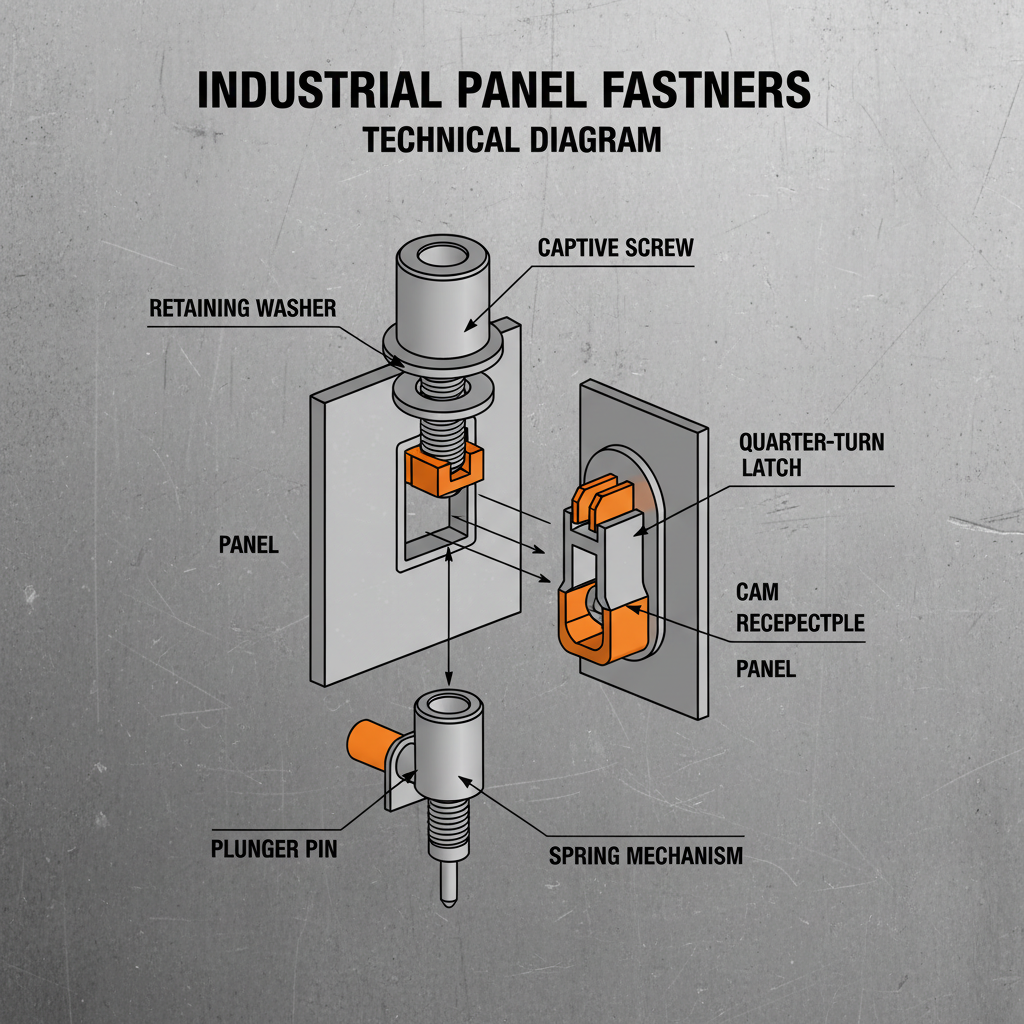
Simply put, hidden fastener systems are methods of joining building materials – typically wood, composite decking, or cladding – without exposing the fasteners themselves. Instead of screws or nails being visible on the surface, they are concealed within the material or behind a covering. This is achieved through various techniques, including specialized clips, routed grooves, or interlocking profiles.
The connection to modern industry is clear: It’s about precision engineering and a demand for high-quality finishes. It’s also about addressing a fundamental human need – a desire for aesthetically pleasing environments. From the homes we live in to the public spaces we frequent, the appearance of buildings impacts our well-being and sense of community. Hidden fasteners contribute to this by creating cleaner, more refined structures.
These systems aren’t just for looks, though. They often provide superior structural integrity, as the fasteners are protected from the elements and less prone to loosening over time. This is particularly important in harsh climates or in applications where structural stability is critical, like decking or cladding.
Key Factors Driving Adoption
Let's get down to brass tacks. Why are builders and architects switching to hidden fasteners? It boils down to a few key factors. First, durability. These systems minimize corrosion and loosening, leading to longer-lasting structures. Second, aesthetics. The clean, fastener-free appearance is a major selling point, especially in high-end projects.
Third, installation speed. Many hidden fastener systems are designed for quick and easy installation, reducing labor costs. Fourth, reduced maintenance. Less visible corrosion and fewer loose fasteners mean less ongoing upkeep. And finally, design flexibility. Hidden fasteners allow for more creative and complex designs without compromising structural integrity.
Hidden Fastener System Performance Metrics
Applications Across Industries
You'll find hidden fastener systems popping up everywhere. Decking is a huge market – homeowners want beautiful, low-maintenance outdoor spaces. Cladding, both wood and composite, is another major application, where the clean lines contribute to a more modern aesthetic.
We’re also seeing them used increasingly in landscaping – for retaining walls, fencing, and even architectural features. In post-disaster relief operations, modular shelters utilizing hidden fasteners offer a faster, more dignified housing solution compared to traditional tarps and tents. And in remote industrial zones, where maintenance access is limited, the durability of these systems is a major advantage.
Benefits and Long-Term Value Proposition
The benefits aren’t just cosmetic. Reduced lifecycle costs are a significant driver. Less maintenance means less money spent on repairs and replacements. Sustainability is another key advantage. By using durable materials and minimizing waste, hidden fastener systems contribute to a more environmentally friendly building process.
Beyond the tangible benefits, there’s a psychological element. A well-built, aesthetically pleasing structure instills a sense of pride and confidence in both the owner and the occupants. It creates a more positive and inviting environment. That's something you can’t put a price on.
And from a builder's perspective, a reputation for quality and reliability is priceless. Using hidden fasteners can help you build that reputation and secure future projects. It’s about building trust through superior craftsmanship.
Future Trends and Innovation in Hidden Fasteners
The future is looking bright for hidden fastener technology. We're seeing development of new materials – more durable, more corrosion-resistant, and more sustainable. Smart fasteners, equipped with sensors to monitor stress and corrosion levels, are on the horizon.
Automation is also playing a role. Automated installation tools are being developed to further speed up the process and reduce labor costs. And with the rise of Building Information Modeling (BIM), hidden fastener systems are being integrated into digital design workflows, allowing for more accurate and efficient project planning.
The push for green building practices will continue to drive innovation in this space. Expect to see more hidden fastener systems made from recycled materials and designed for easy disassembly and reuse, supporting a circular economy.
Overview of Hidden Fastener System Performance Metrics
| Fastener System Type |
Corrosion Resistance (1-10) |
Installation Speed (1-10) |
Aesthetic Appeal (1-10) |
| Clip-Based Wood Decking |
8 |
9 |
9 |
| Routed Groove Composite Cladding |
9 |
7 |
8 |
| Interlocking Profile Aluminum Panels |
10 |
8 |
7 |
| Hidden Screw Timber Framing |
7 |
6 |
6 |
| Stainless Steel Clip System |
9.5 |
8.5 |
8 |
| Polymer-Based Concealed Fasteners |
6 |
7 |
7 |
FAQS
Yes, the initial cost of hidden fastener systems is generally higher. However, you need to consider the long-term value. Reduced maintenance, increased durability, and enhanced aesthetic appeal often offset the higher upfront cost. I’ve seen projects where the savings in labor and reduced repair work more than paid for the difference in material cost within a few years.
Hidden fasteners are widely used with wood, composite decking, and various types of cladding materials, including PVC and aluminum. The specific type of fastener will depend on the material. It’s important to choose a system that is designed for the specific application and material to ensure proper performance and longevity. Always check the manufacturer's recommendations.
Hidden fastener systems can be suitable for most climates, but it's crucial to choose materials and systems that are corrosion-resistant, especially in coastal areas or environments with high humidity. Stainless steel and specialized composite fasteners are good options for harsh environments. Proper installation is also critical to prevent moisture intrusion.
Installation difficulty varies depending on the system. Some systems are designed for DIY installation, while others require professional expertise. Many systems offer significant time savings compared to traditional fastening methods, and automated installation tools are becoming increasingly available. Proper training and following the manufacturer's instructions are key.
For decking, hidden fasteners create a clean, smooth surface without visible screw heads, making it more comfortable for bare feet. They also provide better resistance to weathering and wear, reducing the need for maintenance. Plus, they allow for easier cleaning and staining. It's a big upgrade in aesthetics and usability.
Consider the material you're working with, the climate, and the desired aesthetic. Look for systems that are durable, corrosion-resistant, and easy to install. Check the manufacturer's warranty and ensure they provide adequate technical support. Also, consider the long-term cost of ownership, including maintenance and replacement.
Conclusion
Hidden fasteners represent a significant advancement in building technology. They offer a compelling combination of aesthetics, durability, and long-term value. From reducing maintenance costs to enhancing the appearance of structures, these systems are transforming the way we build. They’re not just a trend; they’re a fundamental shift towards smarter, more sustainable construction practices.
As the demand for high-quality, low-maintenance buildings continues to grow, hidden fasteners will play an increasingly important role. I encourage builders and architects to explore the available options and embrace this technology. The future of construction is hidden – and that’s a good thing. For more information on quality hidden fastener solutions, visit our website: hidden fasteners.






 English
  Afrikaans
  Arabic
  Bengali
  Bulgarian
  French
  German
  Hindi
Hindi  Indonesian
  Italian
  Japanese
  Korean
  Malay
Malay  Portuguese
  Russian
  Spanish
  Thai
Thai  Turkish
  Urdu
Urdu  Vietnamese