
Read More About Hebei Longze Metal Products Manufacturing Co., Ltd.
0%

Table of Contents

Hardware fasteners are the unsung heroes of modern construction and manufacturing. These seemingly simple components – screws, bolts, nuts, rivets, and more – are critical to the integrity and safety of everything from towering skyscrapers and intricate machinery to everyday household items and vital infrastructure. Understanding their properties, applications, and the evolving landscape of materials and manufacturing processes is paramount in a globally interconnected world that increasingly relies on durable, reliable, and efficient construction and assembly. hardware fasteners play a crucial role in maintaining this infrastructure.

The global hardware fasteners market is substantial and continuously growing, driven by factors like increased construction activity in emerging economies, advancements in automotive and aerospace industries, and a rising demand for prefabricated structures. The United Nations estimates that the global population will reach nearly 10 billion by 2050, necessitating massive investments in housing, transportation, and energy infrastructure, all of which are heavily reliant on robust fastening solutions. This burgeoning demand presents both opportunities and challenges, including the need for sustainable materials, efficient production processes, and reliable supply chains.

The effective application of hardware fasteners is not merely a technical detail; it’s a cornerstone of economic progress and societal well-being. From enabling the rapid deployment of emergency shelters after natural disasters to supporting the intricate assembly of complex medical devices, the ability to reliably join materials is fundamental to addressing some of the world’s most pressing challenges.
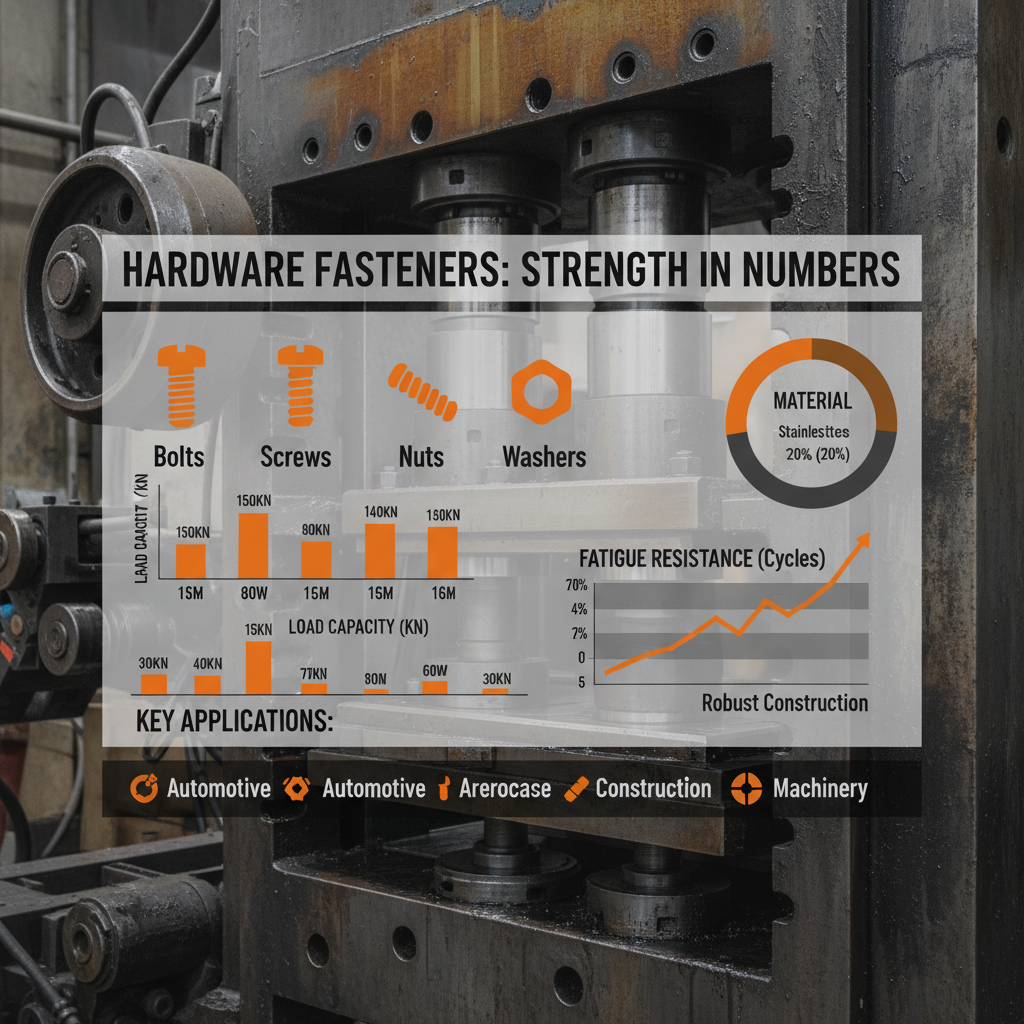
The Crucial Role of Hardware Fasteners in Modern Industries and Infrastructure

The Importance of Hardware Fasteners

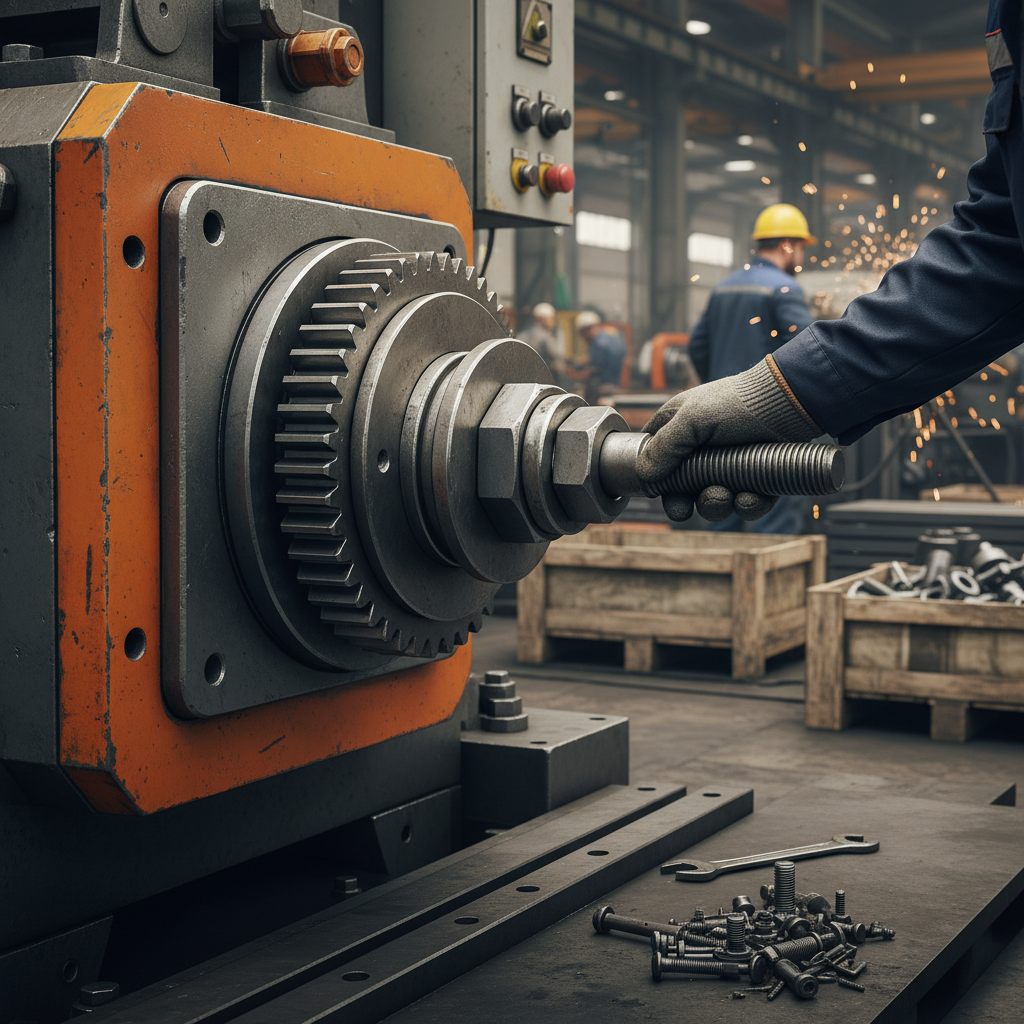
The Crucial Role of Hardware Fasteners in Modern Industries and Infrastructure

Hardware fasteners are ubiquitous, yet often overlooked, components in countless applications. Their fundamental role is to create secure and reliable connections between different materials, ensuring structural integrity and operational performance. Choosing the correct fastener isn't just about size and thread; it involves careful consideration of material compatibility, load-bearing requirements, environmental factors, and long-term durability. hardware fasteners are available in a myriad of types, each tailored to specific needs.

The significance of high-quality hardware fasteners extends far beyond simple assembly. They are critical for safety-critical applications in industries such as aerospace, automotive, and construction. A failure in a fastener can lead to catastrophic consequences, highlighting the importance of rigorous testing, quality control, and adherence to industry standards.

Global Relevance and Industry Context

The global hardware fasteners industry is a multi-billion dollar market, deeply intertwined with the overall health of the global economy. According to market research reports, the industry is projected to continue growing steadily in the coming years, driven by factors such as infrastructure development in emerging markets and the increasing demand for lightweight materials in automotive and aerospace applications. China is currently the largest producer and consumer of hardware fasteners, followed by the United States, Japan, and Germany.

However, the industry also faces several challenges. Fluctuations in raw material prices (steel, aluminum, etc.), increasing competition from low-cost producers, and evolving environmental regulations are all impacting profitability and sustainability. Moreover, the increasing complexity of modern manufacturing processes requires fasteners that can meet demanding performance requirements and offer greater precision and reliability.

Addressing these challenges requires innovation in materials science, manufacturing technologies, and supply chain management. Companies that can deliver high-quality, cost-effective, and sustainable fastening solutions will be well-positioned to thrive in the evolving global marketplace.

Defining Hardware Fasteners

Hardware fasteners are mechanical components designed to join materials together by creating a secure connection. Unlike adhesives or welding, fasteners are typically removable, allowing for disassembly and maintenance. They encompass a vast range of products, including threaded fasteners like screws and bolts, non-threaded fasteners like rivets and pins, and specialized fasteners for specific applications.

Their connection to modern industry is undeniable. Consider the automotive industry, where thousands of fasteners are used in the assembly of a single vehicle. Or the construction industry, where bolts and screws are essential for erecting buildings, bridges, and other infrastructure. Even in seemingly simple products like furniture or electronics, hardware fasteners play a vital role in holding everything together. They are crucial to our ability to build and maintain the physical world around us.

Furthermore, hardware fasteners are increasingly important in humanitarian aid efforts. Rapidly deployable shelters, emergency medical facilities, and temporary infrastructure all rely on fasteners for quick and secure assembly. Their portability and ease of use make them ideal for responding to disasters and providing essential support to communities in need.

Key Characteristics of Effective Hardware Fasteners

Several key characteristics define an effective hardware fastener. Firstly, Strength is paramount, referring to the fastener’s ability to withstand applied loads without failing. This is determined by the material used and the fastener’s geometry. Secondly, Corrosion Resistance is vital, especially in outdoor or harsh environments. Materials like stainless steel or coatings like zinc plating can prevent rust and degradation.

Thirdly, Material Compatibility is crucial to avoid galvanic corrosion or other undesirable reactions between the fastener and the joined materials. Fourthly, Precise Manufacturing ensures consistent dimensions and thread quality, leading to reliable and repeatable connections.

Fastener Performance Ratings by Method


Applications Across Industries

The applications of hardware fasteners are incredibly diverse. In the Automotive Industry, they are used extensively in chassis construction, engine assembly, and interior components. The aerospace industry relies on high-strength, corrosion-resistant fasteners to ensure the safety and reliability of aircraft. In Construction, fasteners are vital for framing buildings, securing roofing, and installing infrastructure.

The electronics industry utilizes small, precision fasteners to assemble circuit boards, housings, and connectors. Manufacturing plants around the world depend on fasteners for assembling machinery, equipment, and products of all kinds. Even in medical devices, specialized fasteners are used to create safe and reliable instruments and implants.

Advantages and Long-Term Value

Employing the right hardware fasteners delivers tangible benefits. Cost-effectiveness is a primary advantage, as fasteners are generally inexpensive compared to other joining methods like welding. Reliability is another crucial benefit; properly installed fasteners provide a secure and long-lasting connection. Moreover, they allow for easier disassembly and maintenance, reducing lifecycle costs.

Beyond the practical advantages, hardware fasteners contribute to safety by ensuring the structural integrity of products and infrastructure. They foster innovation by enabling the development of new and complex designs. Choosing the correct fasteners demonstrates a commitment to quality and trust with customers.

Future Trends and Innovations

The future of hardware fasteners is being shaped by several key trends. Sustainable materials like biodegradable polymers and recycled metals are gaining traction as manufacturers seek to reduce their environmental impact. Smart fasteners with integrated sensors are emerging, enabling real-time monitoring of stress, temperature, and other critical parameters.

Additive manufacturing (3D printing) is also revolutionizing fastener production, allowing for the creation of customized designs and complex geometries. Furthermore, digitalization and automation are streamlining the manufacturing process, improving efficiency and reducing costs. These trends are driving a shift towards more intelligent, sustainable, and efficient fastening solutions.

The integration of these technologies will require collaboration between fastener manufacturers, material scientists, and software developers to create a truly connected and optimized fastening ecosystem.

FAQS

What factors should I consider when selecting hardware fasteners for an outdoor application?

When choosing hardware fasteners for outdoor use, corrosion resistance is paramount. Opt for materials like stainless steel, hot-dip galvanized steel, or fasteners with protective coatings such as zinc or ceramic. Consider the exposure to UV radiation, salt spray, and temperature fluctuations, as these can accelerate corrosion. Additionally, ensure the fastener is compatible with the materials being joined to prevent galvanic corrosion. Selecting the right grade of stainless steel, like 316 for marine environments, will greatly enhance longevity.

How do I determine the correct size and strength of a fastener for a specific application?

Determining the appropriate fastener size and strength involves calculating the expected load and shear forces. Consult engineering tables and standards to determine the required tensile strength, shear strength, and proof load. Consider the diameter of the hole being filled and the thickness of the materials being joined. Using a fastener that is too small or weak can lead to failure, while an overly strong fastener can damage the materials. Proper torque specifications are also crucial for achieving a secure connection.

What are the differences between screws, bolts, and nuts?

Screws are typically used to fasten materials together without requiring a separate nut, often threading directly into the material. Bolts, on the other hand, are designed to be used with a nut to clamp materials together. Nuts are threaded fasteners that are used in conjunction with bolts. Generally, bolts are stronger and used for more heavy-duty applications, while screws are more versatile for a wider range of applications. Thread pitch and head style also differentiate these fastener types.

What is the importance of fastener coatings?

Fastener coatings play a vital role in enhancing corrosion resistance, improving wear resistance, and preventing galling. Common coatings include zinc plating, black oxide, and powder coating. Zinc plating provides sacrificial protection, while black oxide offers mild corrosion resistance and a decorative finish. Powder coating provides a durable, colorful finish and excellent corrosion protection. The choice of coating depends on the application's specific requirements and environmental conditions.

How can I prevent stripping the threads on a screw or bolt?

To prevent thread stripping, ensure you’re using the correct size and type of screwdriver or wrench. Apply consistent, even pressure during tightening. Avoid over-tightening, which is a common cause of stripping. Using a thread lubricant can also reduce friction and prevent damage to the threads. If encountering resistance, stop and assess the situation – forcing it can lead to irreversible damage. Pre-tapping the hole can also help to ensure a clean and properly sized thread.

What are some emerging trends in fastener materials?

Emerging trends in fastener materials include the increased use of high-strength alloys like titanium and superalloys for aerospace and defense applications. There’s also growing interest in biodegradable polymers for environmentally friendly fasteners. Furthermore, research into self-healing materials that can repair minor damage is ongoing. Additive manufacturing is allowing for the creation of complex, custom fastener geometries using advanced materials.

Conclusion

Hardware fasteners, though often unseen, are fundamental to the functionality and safety of countless structures and products worldwide. From enabling rapid construction and efficient manufacturing to supporting critical infrastructure and emergency response efforts, these components play a vital role in modern society. Understanding the principles of fastener selection, installation, and maintenance is essential for ensuring long-term reliability and performance.

Looking ahead, innovation in materials, manufacturing processes, and digital technologies will continue to drive advancements in the hardware fasteners industry. Embracing sustainable practices and prioritizing quality and safety will be crucial for addressing the evolving challenges and opportunities of a rapidly changing world.

Brian Wilson

Brian Wilson

Brian Wilson is a seasoned Sales Manager at LongZe, responsible for developing and maintaining strong customer relationships. He joined LongZe in 2016, bringing with him a wealth of experience in the fastener industry. Brian is known for his customer-centric approach and his ability to understand and meet diverse client needs.
Previous The Critical Role of Industrial Fasteners in Modern Engineering and Infrastructure
Next The Crucial Role of Furniture Fasteners in Modern Construction and Design

Need Help?
Drop us a message using the form below.

en_USEnglish