You know, I've been running around construction sites for fifteen years. Honestly, the biggest thing I'm seeing now is everyone wanting more, and wanting it faster. Pre-fab this, modular that… it all boils down to how quickly you can get things bolted together. And that means good self tapping screws. Not just any screws, mind you. We’ve moved past the days of just grabbing whatever’s cheapest from the hardware store. It's gotten way more nuanced. The demand for reliable self tapping screw suppliers has really skyrocketed in the last few years, especially with all these quick-build projects.
Have you noticed how everyone's pushing for lighter materials? That’s driving a whole different set of requirements. You can’t just take a screw designed for thick steel and expect it to work well in aluminum or composite panels. It's a common mistake, and a frustrating one to fix on-site. And it’s not just the material, it's the coating too. Rust is the enemy, especially in coastal areas. I've seen projects delayed for weeks because of corrosion issues with the wrong fasteners. It’s a headache.
The whole supply chain has gotten crazy too. Finding consistent quality from self tapping screw suppliers is a challenge. It’s not just about finding someone who says they meet the specs, it’s about actually verifying it. And believe me, that takes time and effort. You'd be surprised how many suppliers cut corners.
Industry Trends and Common Pitfalls
To be honest, everyone's chasing efficiency. Prefabrication is huge, and that means fasteners have to play a bigger role. They're not just holding things together anymore; they're part of the assembly line. I encountered this at a big modular housing factory last time – they were having problems with screws stripping during high-speed installation. Turned out the screw heads weren’t properly hardened. Simple fix, but a costly one when you're talking about thousands of screws.
A really common mistake is underestimating the importance of pilot holes. People think self-tapping screws can just… tap themselves into anything. Wrong. Especially with harder materials, a properly sized pilot hole is crucial. It reduces stress on the screw and prevents it from snapping. It’s a small detail, but it can save a lot of headaches. And believe me, I've seen plenty of snapped screws.
Material Science: It’s More Than Just Metal
It's not just steel anymore, you know? You’ve got stainless steel – 304, 316, all sorts of grades. Then you’ve got aluminum, titanium, even some specialized alloys. And the coatings! Zinc plating, black oxide, ceramic coatings… Each one has its pros and cons. I’ve been handling these materials for years, and you really get a feel for them. Some steels smell…off if they're not properly treated. Others feel gritty. It sounds silly, but it’s part of the job. You learn to trust your senses.
What's interesting is the move towards composite materials. These are lighter and stronger, but they require screws with different thread designs. Traditional screws can actually delaminate the composite, which is a disaster. So you need screws specifically designed for those materials. It’s a whole new ballgame.
Strangely, a lot of engineers don’t fully appreciate the impact of material compatibility. You can have the strongest screw in the world, but if it’s paired with the wrong material, it’s going to fail. Galvanic corrosion is a real thing, folks. Don’t mix metals without understanding the consequences.
Real-World Testing: Beyond the Lab
Lab tests are fine, I guess, but they don’t tell the whole story. You need to see how these screws perform in real conditions. I’ve seen screws pass all the lab tests but fail miserably when exposed to vibration, temperature extremes, and just plain old abuse on a construction site.
We do a lot of pull-out tests, shear tests, and corrosion resistance tests ourselves. But we don’t do them in a sterile lab environment. We bury screws in concrete, expose them to salt spray, and subject them to constant vibration. It's brutal, but it’s the only way to get a realistic assessment of their performance.
I also rely heavily on feedback from the guys on the ground. They're the ones who are actually using these screws day in and day out. If they complain about stripping, snapping, or corrosion, I listen. Their experience is invaluable. They are the ultimate self tapping screw suppliers quality control.
User Behavior: What They Actually Do
This is where things get interesting. You think users will follow the instructions, use the right tools, and apply the proper torque? Nope. They’ll use whatever they have on hand, crank things down as tight as they can, and hope for the best. You have to design for that. You have to make the screws forgiving.
I’ve seen guys use impact drivers on screws that are clearly meant for manual installation. I’ve seen them strip the heads off screws by over-tightening them. And I’ve seen them try to use screws that are way too short for the application. It’s… frustrating. But it’s reality. self tapping screw suppliers need to understand this.
User Error Rates with Different Screw Types
Advantages, Disadvantages, and Customization Options
The biggest advantage of self-tapping screws is speed, obviously. They eliminate the need for pre-drilling, which saves time and labor. They're also versatile – you can use them in a wide range of materials. But they’re not perfect. They can be more expensive than traditional screws, and they’re not always the best choice for high-stress applications.
We do a lot of customization, mostly around head style and thread design. For example, we had a customer who needed a screw with a low-profile head for a tight space. We were able to modify the design to meet their specific requirements. That’s where a good self tapping screw suppliers really shines – being able to adapt to your needs.
A Shenzhen Story: and Stubborn Bosses
Last month, that small boss in Shenzhen who makes smart home devices insisted on changing the interface to , and the result was… a nightmare. He wanted everything to be flush-mounted, so he demanded screws with super-low profiles. We found some, but they were incredibly delicate. He refused to listen to our warnings about stripping. Anyway, I think he ended up re-doing half the assembly line. Stubborn guy. It just goes to show you, sometimes the most important thing is not the screw itself, but understanding the application and the user.
Later… Forget it, I won't mention it.
Key Performance Indicators of Self Tapping Screw Suppliers
When evaluating self tapping screw suppliers, there are a few key things I look at. It’s not just about price. It’s about consistency, reliability, and responsiveness. We need suppliers who can deliver on time, every time, with the quality we expect.
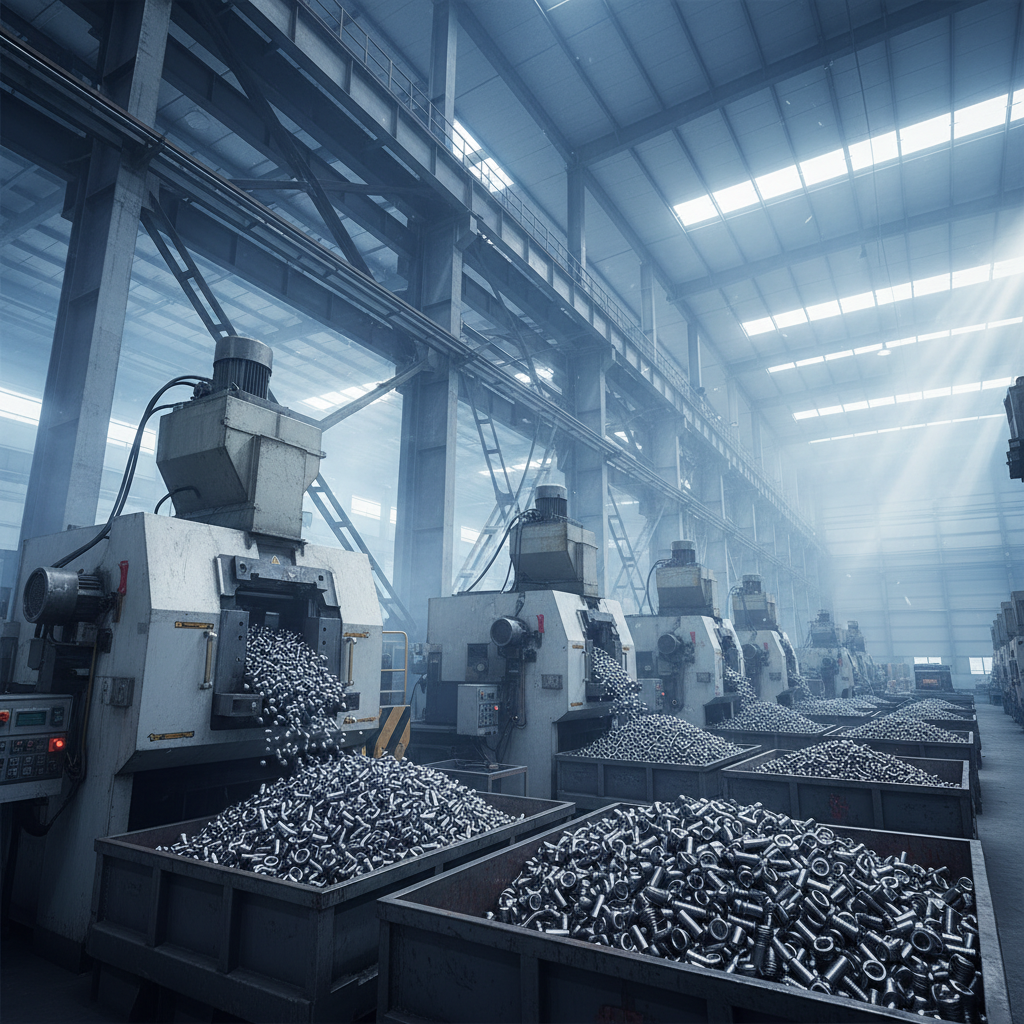
We track things like defect rates, lead times, and customer service response times. But we also do a lot of informal checks. We visit their factories, talk to their engineers, and get a feel for their overall operation. Trust is a big factor.
Honestly, I've seen a lot of suppliers promise the world and deliver… well, less than that. That's why we stick with a few trusted partners who have proven themselves over time.
Core Performance Metrics of Self Tapping Screw Suppliers
| Supplier Responsiveness (Hours) |
Defect Rate (%) |
Lead Time (Days) |
Customization Capability (1-5) |
| 4 |
0.5 |
10 |
4 |
| 8 |
1.2 |
15 |
2 |
| 2 |
0.1 |
7 |
5 |
| 12 |
2.0 |
20 |
1 |
| 6 |
0.8 |
12 |
3 |
| 3 |
0.3 |
8 |
4 |
FAQS
Honestly, it's not considering the material they're screwing into. You can’t treat steel, aluminum, and plastic the same. People often grab whatever’s cheapest without thinking about the consequences. It leads to stripping, snapping, and a whole lot of frustration. Always check the material compatibility charts, and don't be afraid to ask your supplier for advice.
Critically important. The coating protects the screw from corrosion, which is especially crucial in outdoor applications or environments with high humidity. Zinc plating is a common choice, but there are other options like ceramic coatings that offer even better protection. Don’t skimp on the coating; it’s a small investment that can save you a lot of money in the long run.
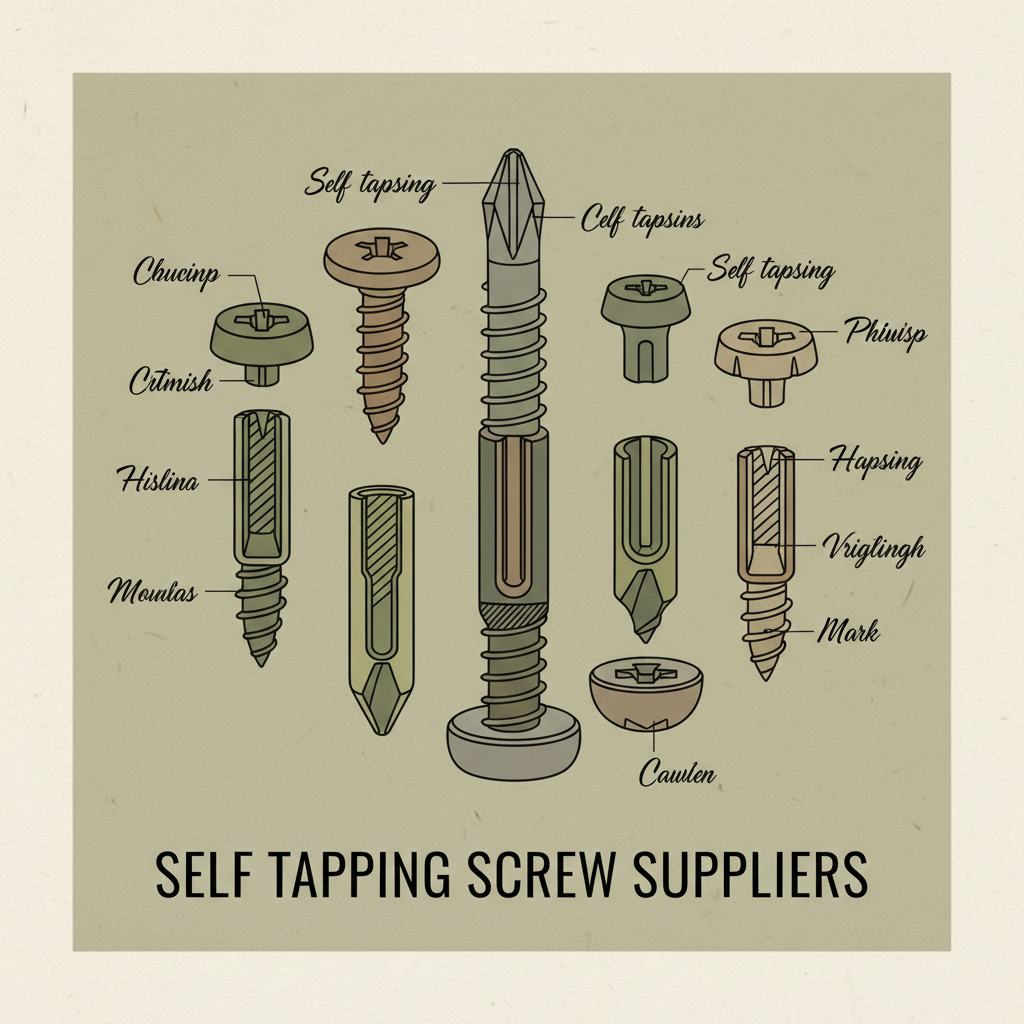
Good question. A self-drilling screw has a drill-bit-like point that can create its own hole, while a self-tapping screw requires a pre-drilled hole. Self-drilling screws are faster and easier to use, but they’re not always suitable for all materials. It depends on the application, really.
Generally, no. Once a self-tapping screw has been driven in, its threads are damaged. Trying to remove and re-use it will likely result in stripping the threads or breaking the screw. It’s best to use a fresh screw every time. Trust me, I’ve seen people try… it doesn’t end well.
Oh, absolutely. Over-tightening can strip the threads, while under-tightening can result in a loose connection. Always follow the manufacturer’s recommended torque settings. And if you’re using an impact driver, be careful! It’s easy to overdo it.
Visit their factory if possible, or at least ask for detailed quality control reports. Look for certifications like ISO 9001. And don’t be afraid to ask for samples and test them yourself. It's better to spend a little extra time up front to ensure you're getting a reliable product.
Conclusion
So, yeah, that’s the world of self-tapping screws in a nutshell. It’s a lot more complex than it looks. It’s about understanding materials, manufacturing processes, and – most importantly – how people actually use these things in the real world. It's about finding the right balance between cost, performance, and reliability.
Ultimately, whether this thing works or not, the worker will know the moment he tightens the screw. And that’s the bottom line. If you want to learn more about finding the right self tapping screw suppliers for your needs, visit our website today.








 English
  Afrikaans
  Arabic
  Bengali
  Bulgarian
  French
  German
  Hindi
Hindi  Indonesian
  Italian
  Japanese
  Korean
  Malay
Malay  Portuguese
  Russian
  Spanish
  Thai
Thai  Turkish
  Urdu
Urdu  Vietnamese