In the complex world of structural assembly, the ability to secure components when only one side is accessible is a critical engineering challenge. This is where blind fasteners become indispensable, providing a robust mechanical connection without the need for a nut, washer, or secondary support on the opposite side of the workpiece. From aerospace hulls to heavy-duty steel structures, these specialized components ensure stability and safety in the most restrictive environments.
The global shift toward modular construction and precision engineering has accelerated the demand for high-performance fastening solutions. When traditional bolting is impossible due to closed-box sections or integrated panels, blind fasteners offer a streamlined alternative that reduces assembly time and eliminates the need for costly redesigns. Their versatility makes them a cornerstone of modern manufacturing, ensuring that structural integrity is never compromised by accessibility constraints.
Understanding the nuances of blind fastening—from material selection to load-bearing capacities—is essential for engineers and procurement specialists alike. By integrating these tools into the design phase, companies can achieve significant gains in productivity and reliability. This guide explores the technical depth, global applications, and future innovations of blind fasteners, providing a comprehensive roadmap for optimizing your fastening strategy.
Global Relevance of Blind Fasteners
On a global scale, the industrialization of emerging markets has led to a surge in infrastructure projects where speed and efficiency are paramount. According to ISO standards for mechanical fasteners, the precision and reliability of joint connections are non-negotiable for safety. blind fasteners have emerged as a critical solution for these projects, particularly in the construction of steel structures and photovoltaic brackets where traditional access is limited.
The primary challenge addressed by these components is the "blind hole" dilemma—situations where the back of the material is inaccessible. Without a reliable blind fastening method, engineers would be forced to use welding or adhesives, which often introduce heat-affected zones or chemical vulnerabilities. By utilizing advanced blind fasteners, industries can maintain structural rigidity while drastically reducing the man-hours required for installation.
Defining Blind Fasteners in Modern Industry
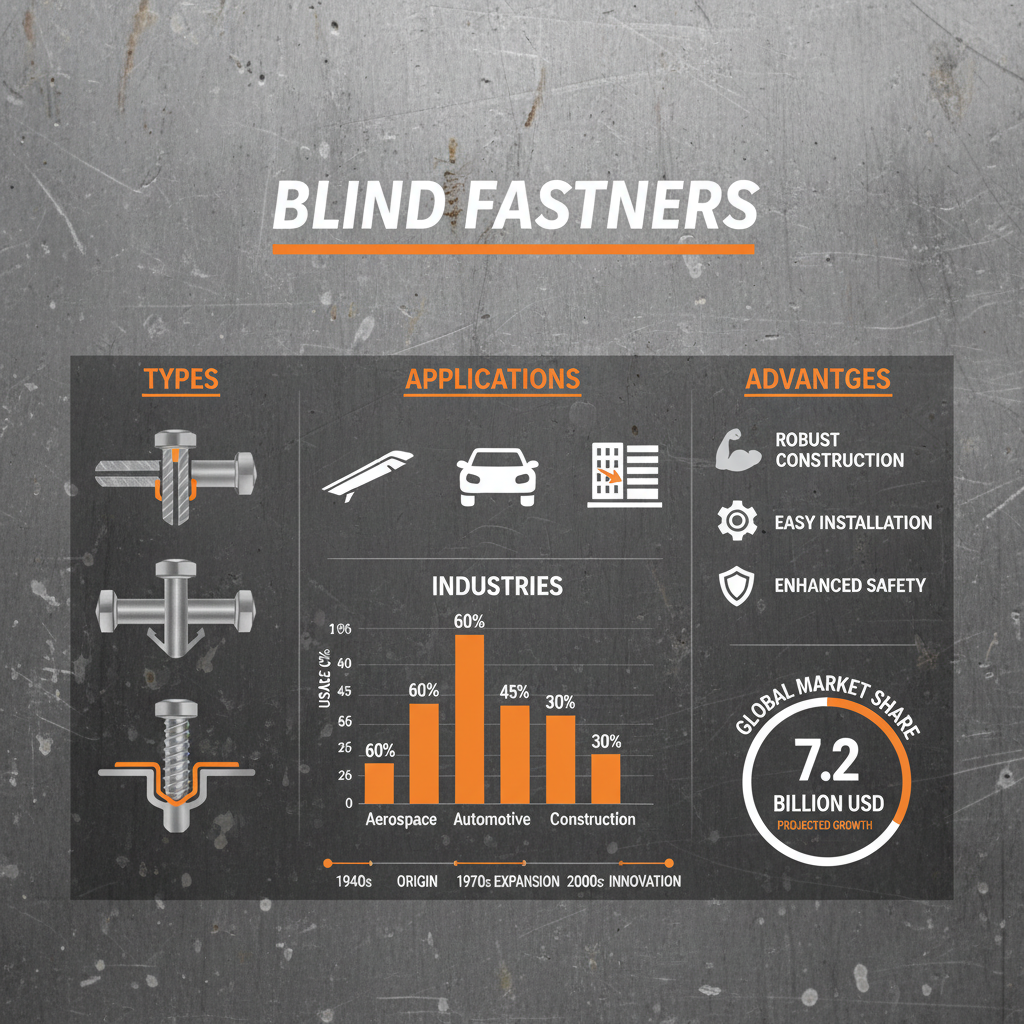
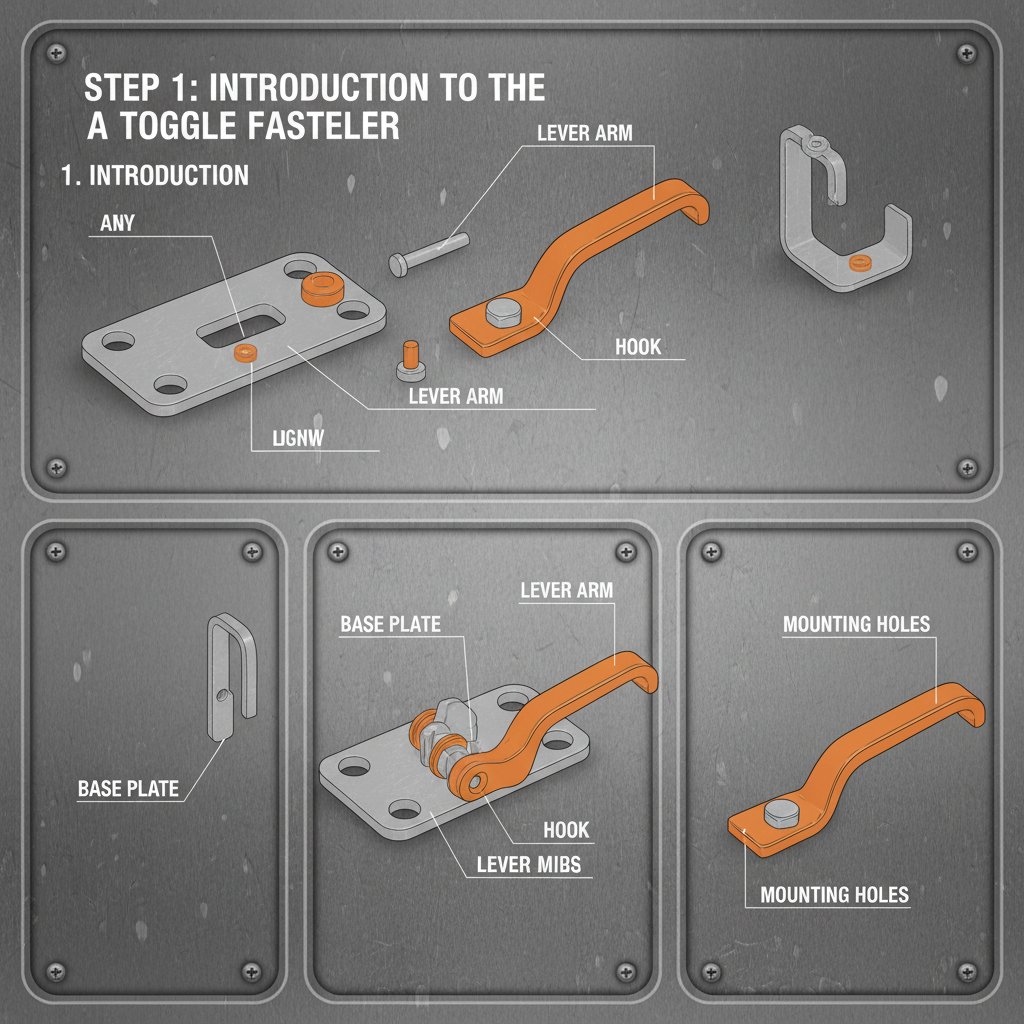
In the simplest terms, blind fasteners are mechanical devices designed to join two or more pieces of material when the installer only has access to one side of the joint. Unlike a standard bolt and nut pairing, a blind fastener creates its own anchoring mechanism—such as a bulb, a rivet head, or an expanding sleeve—on the hidden side of the assembly.
This innovation is deeply connected to the needs of modern humanitarian and industrial efforts. For instance, in the rapid deployment of emergency housing or the assembly of modular clinics in remote areas, the ability to quickly secure panels without specialized tools on both sides saves precious time and resources. It transforms complex assembly processes into streamlined, single-sided operations.
Technically, these fasteners range from blind rivets and nuts to complex blind bolts used in heavy engineering. The common thread is their ability to provide a high-strength, vibration-resistant grip that mirrors the security of a through-bolt, making them essential for everything from consumer electronics to massive industrial turbines.
Key Factors for Fastener Performance
Durability is the foremost consideration when selecting blind fasteners. Depending on the environment, materials like stainless steel, aluminum, or galvanized carbon steel are chosen to prevent corrosion and ensure the joint remains secure over decades of service, especially in saline or humid conditions.
Load-bearing capacity and shear strength are equally vital. Engineers must analyze the specific stresses the joint will encounter—whether it is tension, shear, or a combination of both. High-performance blind fasteners are engineered to distribute the clamping force evenly, preventing material deformation in thin-walled sections.
Cost efficiency and installation speed provide the commercial edge. By reducing the labor required for "two-person" fastening operations, blind fasteners lower the overall project cost. The synergy between high material quality and rapid installation creates a value proposition that is hard to ignore in competitive manufacturing.
Practical Applications and Use Cases
The application of blind fasteners spans across a vast array of sectors. In the aerospace industry, they are used to secure fuselage panels where internal access is restricted. In the renewable energy sector, specifically in the installation of photovoltaic brackets, these fasteners allow for the rapid mounting of solar panels to steel frames in rugged, outdoor terrains.
Beyond high-tech sectors, these fasteners play a pivotal role in remote industrial zones. For example, in the assembly of prefabricated warehouses in Arctic or desert regions, blind fasteners enable workers to secure structures quickly in harsh weather, reducing exposure time and ensuring that the build is airtight and structurally sound.
Performance Comparison of Blind Fastening Methods
Tangible Advantages and Long-Term Value
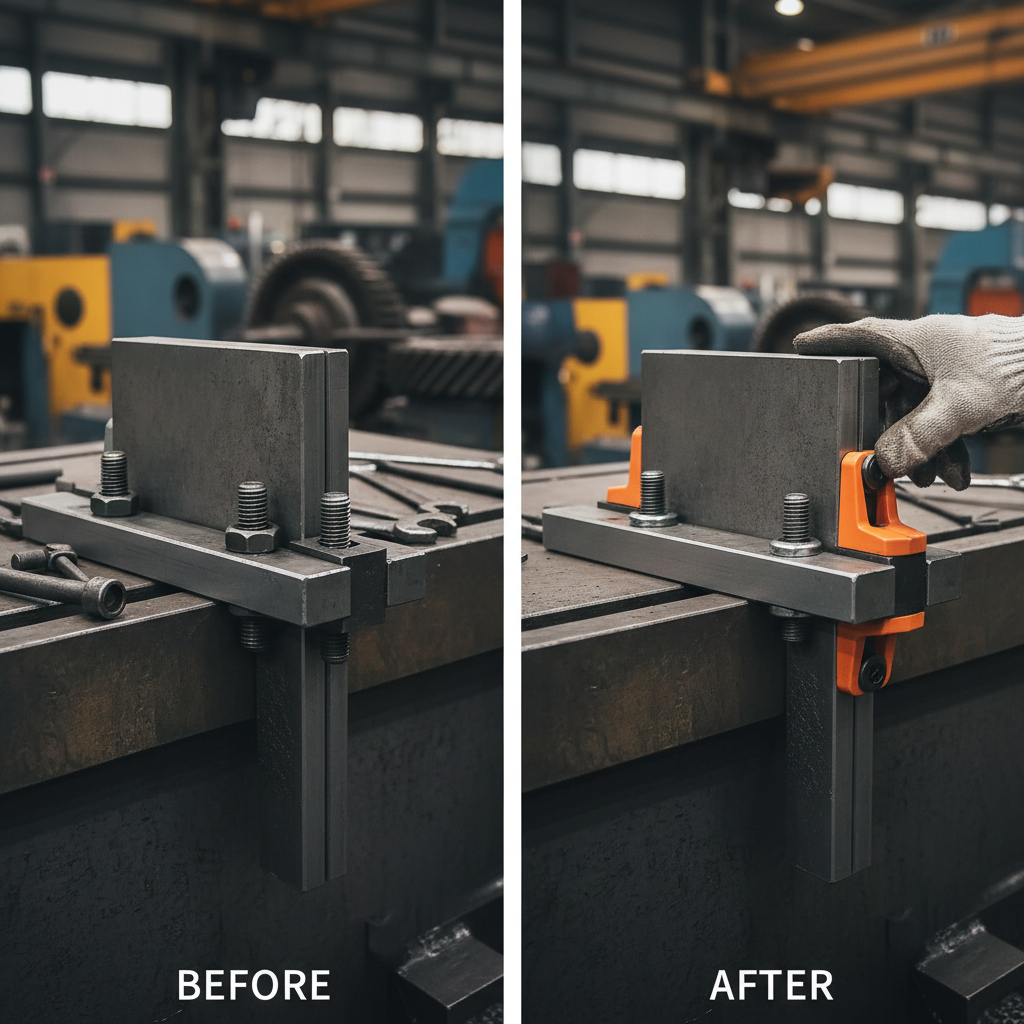
The most immediate benefit of using blind fasteners is the dramatic reduction in labor costs. By eliminating the need for a second technician to hold a nut in place, assembly lines move faster, and onsite installation times are slashed. This operational efficiency translates directly into higher profit margins and faster project turnaround.
From a long-term value perspective, these fasteners enhance safety and trust. When a joint is secured with a high-grade blind bolt, the risk of human error—such as forgetting to tighten a hidden nut—is eliminated. This reliability provides peace of mind for structural engineers and end-users, ensuring that the integrity of the build is maintained throughout its operational lifecycle.
Future Trends in Fastening Technology
The future of blind fasteners is being shaped by the push toward sustainability and the "Green Energy" transition. We are seeing the development of biodegradable materials for low-stress applications and the use of recycled high-strength alloys to reduce the carbon footprint of fastener production.
Digital transformation is also making its mark. The integration of "smart fasteners" equipped with tension-sensing technology allows for real-time monitoring of joint integrity. This means that in critical infrastructure, sensors can alert operators if a blind fastener has loosened due to fatigue, enabling predictive maintenance before a failure occurs.
Furthermore, automation and robotics are revolutionizing how these components are installed. Robotic arms equipped with precision torque controllers can now install blind fasteners with a level of consistency and speed that far exceeds human capability, further driving down costs in the automotive and aerospace sectors.
Overcoming Challenges in Implementation
Despite their advantages, implementing blind fasteners comes with challenges, most notably the risk of "incorrect hole sizing." Because the fastener relies on a precise fit to expand and lock, a hole that is even a fraction of a millimeter too large can lead to a failure in gripping force.
To overcome this, industry experts recommend the use of precision drilling equipment and standardized gauging tools. Moving toward CNC-machined holes ensures that the tolerance levels are strictly maintained, allowing the blind fasteners to perform exactly as specified in their technical data sheets.
Another challenge is material compatibility, particularly galvanic corrosion when joining dissimilar metals. The solution lies in the application of specialized coatings or the use of insulating washers. By carefully matching the material of the fastener to the substrate, engineers can ensure a lifetime of service without the risk of chemical degradation.
Comparison of Blind Fastener Types by Application Requirements
| Fastener Category |
Load Capacity |
Installation Speed |
Best Use Case |
| Blind Rivets |
Low to Medium |
Very High |
Sheet Metal/Electronics |
| Blind Bolts |
High |
Medium |
Steel Structures |
| Blind Nuts |
Medium |
High |
Modular Furniture |
| Expansion Studs |
High |
Medium |
Concrete/Heavy Pipe |
| Structural Rivets |
Very High |
Medium |
Aerospace Frameworks |
| Self-Piercing Fasteners |
Medium |
Very High |
Automotive Panels |
FAQS
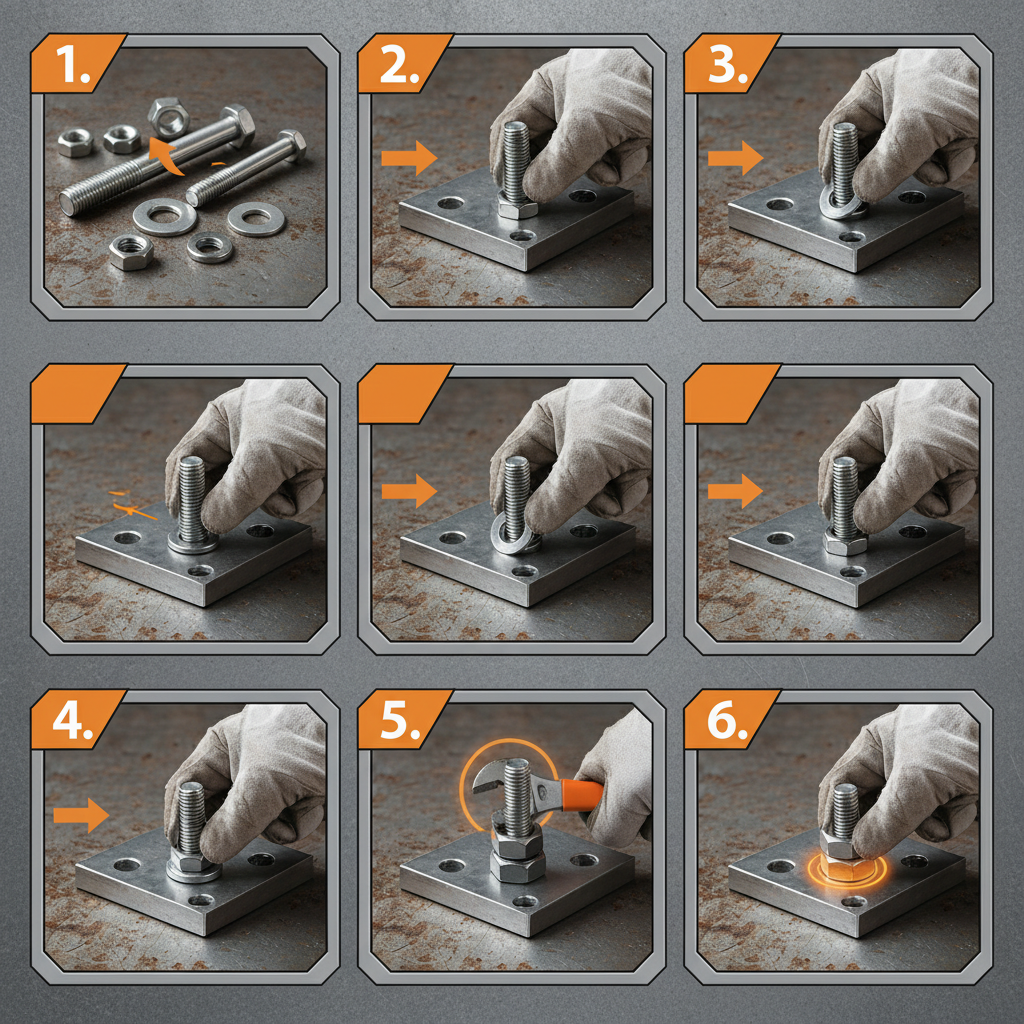
The primary difference is accessibility. A standard bolt requires a nut or a threaded hole on the opposite side to create a clamping force. blind fasteners are designed to be installed from one side only, creating their own anchor or "head" on the blind side of the material, which allows for the assembly of closed sections.
Material choice depends on the environment and load. Stainless steel is ideal for corrosive environments (marine/chemical), aluminum is best for lightweight applications (aerospace), and galvanized steel is suitable for general construction. Always ensure the fastener material is compatible with the substrate to avoid galvanic corrosion.
It depends on the type. Blind rivets are typically permanent and must be drilled out for removal. However, certain blind bolts and blind nuts are designed to be removable or replaceable, providing a threaded interface that allows the attached component to be unscrewed without disturbing the fastener itself.
Load capacity varies wildly. A small blind rivet might only handle a few hundred pounds of shear, while heavy-duty structural blind fasteners used in steel bridges or aircraft can handle thousands of pounds. Always refer to the manufacturer's technical data sheet for specific shear and tensile strengths.
Yes, highly. While the individual cost of a blind fastener may be higher than a standard bolt, the total project cost is usually lower due to the massive reduction in labor hours. The ability to install components with one person instead of two significantly lowers the payroll and assembly time.
Prevention starts with precision. Ensure the hole diameter is exactly as specified by the manufacturer. Over-drilling is the most common cause of failure. Additionally, using the correct installation tool—such as a calibrated pneumatic riveter or torque wrench—ensures the fastener is fully expanded and locked.
Conclusion
In summary, blind fasteners represent a critical intersection of engineering ingenuity and practical necessity. By solving the problem of single-sided access, these components empower industries to build more complex, durable, and efficient structures. From the meticulous requirements of aerospace to the rapid demands of photovoltaic installations, the ability to secure joints without secondary access is a game-changer for productivity and structural safety.
Looking forward, the integration of smart materials and automated installation will only further cement the role of these fasteners in the global supply chain. For companies seeking to optimize their assembly processes, investing in high-quality, precision-engineered fastening solutions is not just a technical upgrade—it is a strategic move toward greater operational reliability and cost-efficiency. Visit our website for more professional solutions: www.lzfasteners.com






 English
  Afrikaans
  Arabic
  Bengali
  Bulgarian
  French
  German
  Hindi
Hindi  Indonesian
  Italian
  Japanese
  Korean
  Malay
Malay  Portuguese
  Russian
  Spanish
  Thai
Thai  Turkish
  Urdu
Urdu  Vietnamese