Types of clips and fasteners are fundamental components across a vast range of industries, from construction and automotive to aerospace and electronics. Their importance stems from their ability to securely join materials, ensuring structural integrity and the reliable operation of countless products and systems. Understanding the diverse landscape of these seemingly simple components is crucial for engineers, designers, manufacturers, and procurement professionals alike.
Globally, the market for clips and fasteners is substantial and continually expanding, driven by infrastructure development, manufacturing growth, and technological advancements. According to market research reports, the global fasteners market size was valued at USD 87.58 billion in 2023 and is projected to reach USD 118.98 billion by 2032, exhibiting a CAGR of 3.5% during the forecast period. This growth underscores the vital role these components play in modern economies.
The challenge lies in selecting the appropriate type of clip or fastener for a given application, considering factors like material compatibility, load requirements, environmental conditions, and cost constraints. Effective selection maximizes performance, minimizes failures, and optimizes overall system efficiency.
The Fundamental Role of types of clips and fasteners
At their core, types of clips and fasteners provide the essential connection between components. They are the silent heroes of modern engineering, often unseen but critical to the function and safety of almost everything around us. The sheer variety of available options – from simple screws and bolts to complex retaining clips and specialized fastening systems – is a testament to the diverse needs of modern manufacturing.
The proper selection of a clip or fastener isn't just about mechanical strength; it encompasses considerations like corrosion resistance, temperature tolerance, and ease of installation. A poorly chosen fastener can lead to premature failure, costly repairs, and even safety hazards. Therefore, a deep understanding of the different types of clips and fasteners and their respective applications is paramount.
Defining types of clips and fasteners
Types of clips and fasteners encompass a wide array of mechanical devices used to join or secure materials together. Generally, fasteners create a non-permanent joint, allowing for disassembly, while clips, often used for temporary or aesthetic purposes, provide a lighter hold. This broad category includes threaded fasteners like screws, bolts, and nuts, as well as non-threaded options such as rivets, staples, and retaining rings.
The significance of these components extends beyond simple assembly. In modern industry, precision fastening is essential for applications demanding high levels of accuracy and reliability, such as in aerospace or medical devices. Properly chosen types of clips and fasteners contribute directly to product quality, performance, and lifespan.
Their connection to humanitarian needs lies in their essential role in constructing shelters, assembling medical equipment, and providing infrastructure in disaster relief scenarios. Durable and reliable types of clips and fasteners are critical for building resilient communities and supporting emergency response efforts.
Core Characteristics of Effective types of clips and fasteners
Several core characteristics define the effectiveness of types of clips and fasteners. First and foremost is their strength and durability, dictating their ability to withstand applied loads and environmental stresses. Materials like stainless steel, titanium, and high-strength alloys are frequently chosen for applications requiring exceptional resilience.
Another crucial factor is corrosion resistance. Exposure to moisture, chemicals, or extreme temperatures can degrade fasteners, compromising their integrity. Selecting fasteners with appropriate coatings or constructed from corrosion-resistant materials is vital for long-term performance, especially in outdoor or harsh environments.
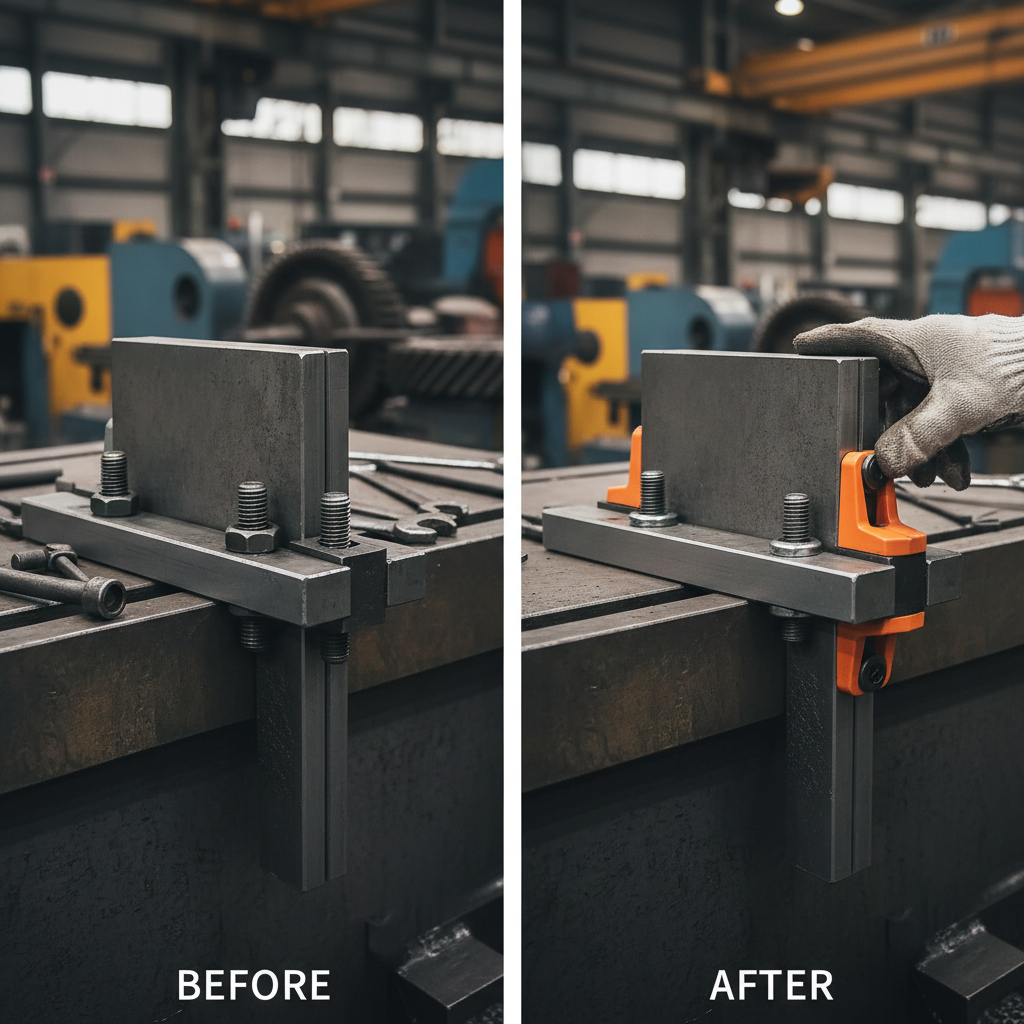
Compatibility with the materials being joined is also key. Galvanic corrosion can occur when dissimilar metals are in contact, leading to accelerated degradation. Finally, ease of installation and removal impacts manufacturing efficiency and maintenance procedures. Fasteners designed for quick and secure attachment can significantly reduce assembly time and costs.
Key Performance Indicators for types of clips and fasteners
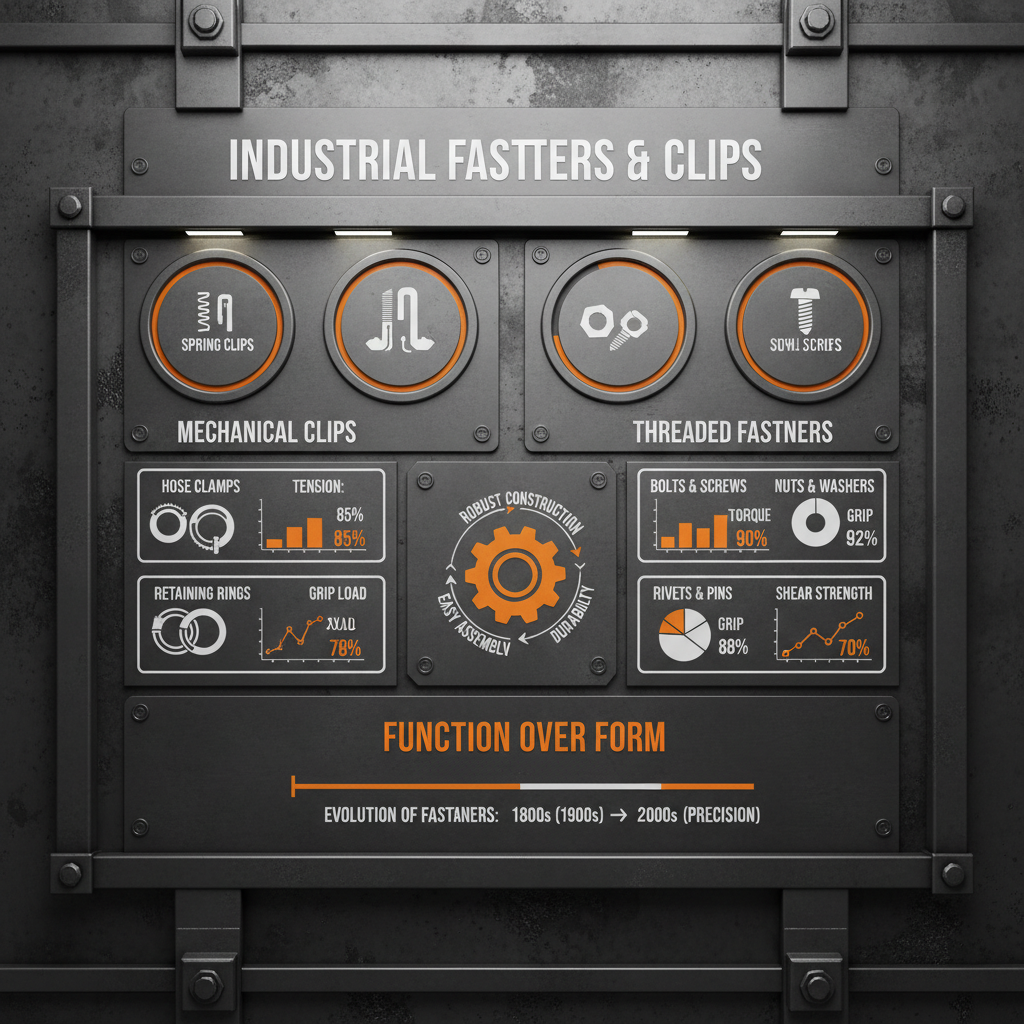
Assessing the performance of types of clips and fasteners requires considering a range of key indicators. Tensile Strength measures the maximum stress a fastener can withstand before breaking under tension. Yield Strength defines the point at which a fastener begins to deform permanently.
Shear Strength indicates a fastener's resistance to forces acting parallel to its cross-section. Fatigue Resistance is crucial for applications involving repeated loading and unloading, determining how long a fastener can endure cyclical stress before failing.
Performance Ratings of Common types of clips and fasteners
Global Applications of types of clips and fasteners
The applications of types of clips and fasteners are truly ubiquitous. In the automotive industry, they are vital for assembling vehicle components, ensuring safety and structural integrity. The aerospace sector relies on high-precision fasteners capable of withstanding extreme temperatures and stresses.
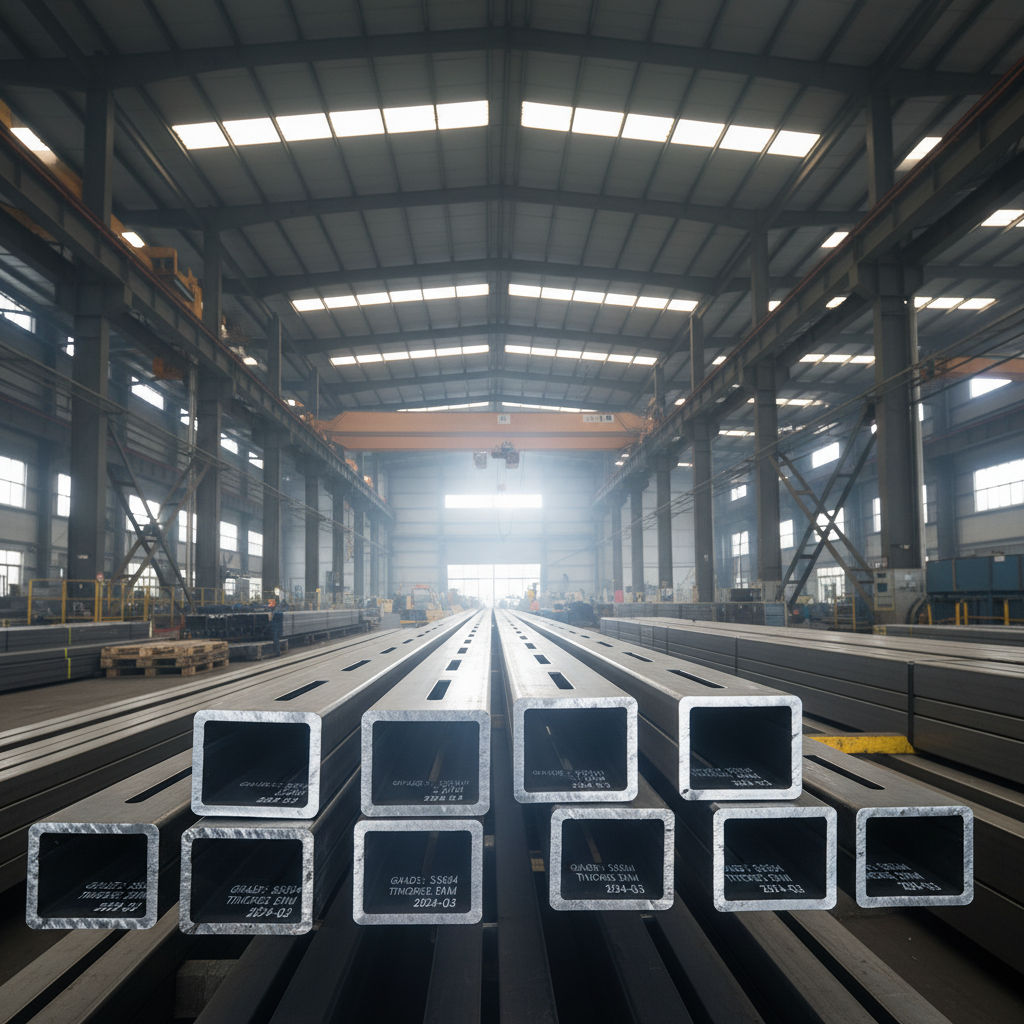
The construction industry utilizes a vast quantity of fasteners for building structures, from residential homes to skyscrapers. In electronics, small but critical fasteners secure components within devices. Even in the medical field, specialized clips and fasteners are used in surgical procedures and the assembly of medical equipment.
The Long-Term Value Proposition of types of clips and fasteners
Investing in high-quality types of clips and fasteners delivers substantial long-term value. Reduced maintenance costs are a primary benefit, as durable fasteners are less prone to failure and replacement. Improved product reliability enhances brand reputation and customer satisfaction.
Sustainability is another key advantage. Choosing corrosion-resistant materials extends product lifespan, reducing the need for frequent replacements and minimizing waste. The peace of mind that comes from knowing a structure or product is securely fastened adds an immeasurable value, promoting safety and trust.
Emerging Trends and Future Innovations in types of clips and fasteners
The future of types of clips and fasteners is marked by innovation and a focus on sustainability. Research into new materials, such as self-healing alloys and biodegradable polymers, promises to revolutionize fastening technology. Additive manufacturing (3D printing) is enabling the creation of customized fasteners tailored to specific applications.
The integration of smart fasteners equipped with sensors is also gaining traction, allowing for real-time monitoring of stress levels and early detection of potential failures. Furthermore, the increasing emphasis on circular economy principles is driving the development of reusable and recyclable fastening solutions.
These advancements align with broader trends like green energy, digital transformation, and automation, positioning types of clips and fasteners as critical enablers of a more sustainable and efficient future.
Analysis of Factors Influencing types of clips and fasteners Selection
| Material Composition |
Environmental Conditions |
Load Requirements |
Cost-Effectiveness |
| Stainless Steel |
High Humidity |
Medium (500-1000 N) |
7/10 |
| Aluminum Alloy |
Mild Climate |
Low (100-300 N) |
8/10 |
| Carbon Steel |
Dry Environment |
High (1000-2000 N) |
9/10 |
| Titanium |
Extreme Temperatures |
Very High (2000+ N) |
4/10 |
| Plastic Polymer |
Indoor Use |
Low (under 100 N) |
10/10 |
| Brass |
Moderate Humidity |
Medium (300-700 N) |
6/10 |
FAQS
Screws generally have a tapered thread and are driven into a material, creating their own thread. Bolts feature a consistent thread and are used with a nut for clamping. Rivets are permanent fasteners that deform to create a strong, non-removable joint. Choosing the right fastener depends on the application's requirements for removability, strength, and material compatibility.
Material selection is paramount. Stainless steel provides excellent corrosion resistance but can be more expensive. Carbon steel is strong but susceptible to rust if not protected. Aluminum is lightweight but has lower strength. Choosing the correct material based on the environmental conditions and load requirements directly impacts the fastener's longevity and reliability.
In corrosive environments, prioritize fasteners made from corrosion-resistant materials like stainless steel, titanium, or those with protective coatings like zinc plating or hot-dip galvanizing. Avoid using dissimilar metals in contact, as this can accelerate corrosion. Regularly inspect fasteners for signs of degradation and replace them as needed.
Consult engineering guidelines and fastener catalogs to determine the appropriate size and strength based on the applied load, material thickness, and required safety factor. Consider tensile strength, shear strength, and yield strength when making your selection. Improperly sized or specified fasteners can lead to structural failure.
Self-locking fasteners, such as those with nylon inserts or prevailing torque features, prevent loosening due to vibration or dynamic loads. They are essential in applications where maintaining a secure connection is critical, such as in automotive, aerospace, and heavy machinery. This enhances safety and reduces the risk of component failure.
Advancements include the development of biodegradable fasteners made from plant-based materials, reusable fastening systems, and fasteners made from recycled metals. These technologies aim to reduce the environmental impact of fastener production and disposal, aligning with principles of circular economy and sustainability.
Conclusion
In conclusion, understanding types of clips and fasteners is paramount to success across diverse industries. From their fundamental role in joining materials to the innovative advancements driving future development, these components are essential for ensuring the safety, reliability, and sustainability of countless products and systems. Selecting the right types of clips and fasteners optimizes performance, minimizes costs, and safeguards infrastructure.
As technology continues to evolve, and a greater emphasis is placed on environmental responsibility, the future of types of clips and fasteners will be shaped by innovation in materials, manufacturing processes, and design. Staying informed about these developments and adopting best practices in fastener selection and application will be crucial for remaining competitive and building a more resilient world.





 English
  Afrikaans
  Arabic
  Bengali
  Bulgarian
  French
  German
  Hindi
Hindi  Indonesian
  Italian
  Japanese
  Korean
  Malay
Malay  Portuguese
  Russian
  Spanish
  Thai
Thai  Turkish
  Urdu
Urdu  Vietnamese