Metal fasteners are ubiquitous components in modern life, playing a critical role in everything from the construction of towering skyscrapers to the assembly of delicate electronics. These seemingly simple devices – screws, bolts, nuts, rivets, and more – are essential for joining materials together, providing strength, stability, and reliability. The global market for metal fasteners is substantial, driven by ongoing infrastructure development, manufacturing expansion, and a growing demand for durable and secure connections across diverse industries. Understanding the nuances of metal fasteners is crucial for engineers, manufacturers, procurement professionals, and anyone involved in the design and construction of physical structures.
The importance of metal fasteners extends beyond mere functionality. The quality and integrity of these components directly impact the safety and longevity of countless products and structures. A failure in a fastener can have catastrophic consequences, leading to structural collapses, equipment malfunctions, and potential injuries. Consequently, rigorous testing, quality control, and adherence to industry standards are paramount in the production and application of these critical components. The selection of the appropriate metal fastener for a specific application requires careful consideration of factors such as material properties, load requirements, environmental conditions, and corrosion resistance.
Driven by innovation in materials science and manufacturing processes, the world of metal fasteners is constantly evolving. From high-strength alloys to specialized coatings, advancements are continuously being made to enhance performance, reduce weight, and improve corrosion resistance. This ongoing evolution is essential for meeting the increasingly demanding requirements of modern engineering and ensuring the continued reliability of critical infrastructure and manufactured goods. metal fasteners are vital.
The Fundamental Role of metal fasteners
Metal fasteners are the unsung heroes of modern engineering and construction. Their primary function – to securely join materials – is fundamental to countless applications, ranging from building bridges and automobiles to assembling furniture and electronics. The strength and reliability of a connection directly correlate to the quality of the metal fasteners used.
Beyond simple joining, metal fasteners also facilitate disassembly for maintenance, repair, or recycling. This modularity is crucial for extending the lifespan of products and reducing waste. Different types of metal fasteners offer varying degrees of holding power, corrosion resistance, and ease of installation, allowing engineers to tailor their choices to specific requirements.
Global Significance and Market Dynamics
The global market for metal fasteners is a multi-billion dollar industry, influenced by macroeconomic factors such as infrastructure spending, manufacturing output, and automotive production. Asia-Pacific is the largest consumer of metal fasteners, driven by rapid industrialization in countries like China and India. North America and Europe also represent significant markets, with a strong emphasis on high-quality, specialized fasteners.
According to recent reports from the United Nations and the World Bank, increasing urbanization and infrastructure development in emerging economies are fueling demand for metal fasteners. However, the industry also faces challenges, including fluctuating raw material prices, increasing competition, and the need for sustainable manufacturing practices. The ISO (International Organization for Standardization) plays a vital role in establishing quality standards and ensuring the interoperability of metal fasteners globally.
A significant challenge within the industry involves ensuring supply chain resilience. Recent global events have highlighted vulnerabilities in supply chains, emphasizing the importance of diversifying sourcing and building robust inventory management systems. This has driven increased investment in domestic fastener production in some regions to mitigate risk and ensure a stable supply of these critical components.
Defining metal fasteners: Components and Applications
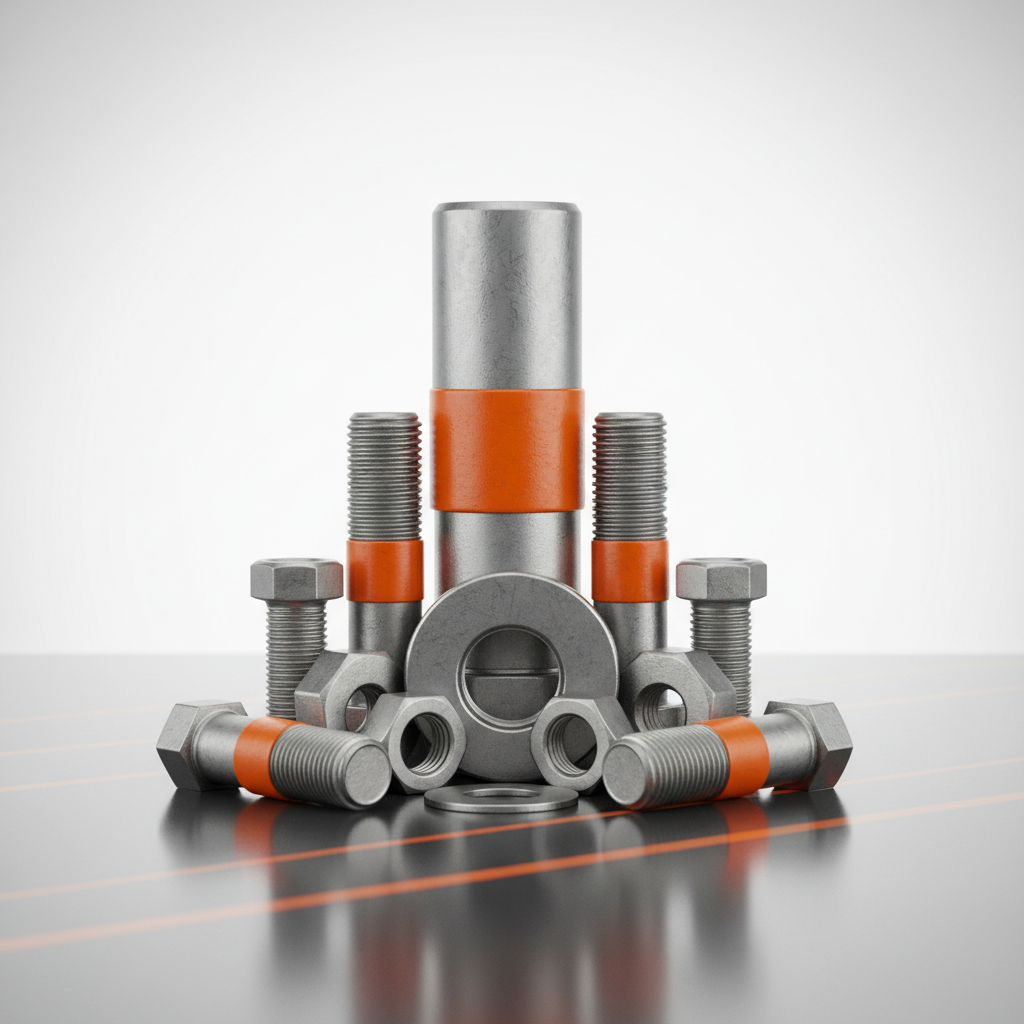
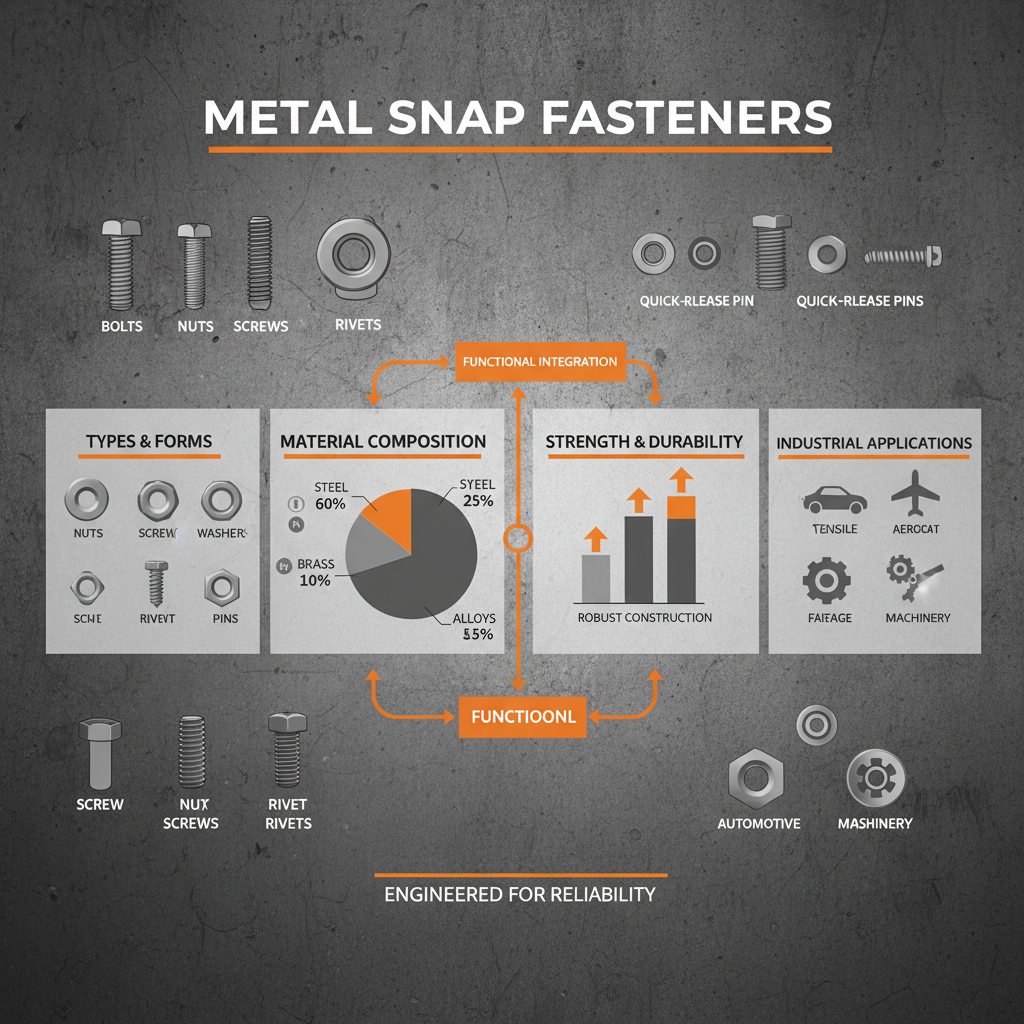
Metal fasteners encompass a broad range of components designed to mechanically join materials. Common types include threaded fasteners (bolts, screws, nuts), non-threaded fasteners (rivets, pins, staples), and specialized fasteners (self-tapping screws, set screws, anchors). The material used in the fastener, typically steel, stainless steel, aluminum, brass, or titanium, is selected based on the application's requirements for strength, corrosion resistance, and weight.
The application of metal fasteners is incredibly diverse. In construction, they are used to assemble structural steel frameworks, connect concrete elements, and secure building facades. In the automotive industry, fasteners are essential for assembling engines, chassis, and body panels. In aerospace, high-strength, lightweight fasteners are critical for ensuring the safety and reliability of aircraft. Even in everyday consumer products, such as furniture, appliances, and electronics, metal fasteners play a vital role in holding everything together.
Furthermore, the evolution of joining technologies has led to the development of specialized metal fasteners tailored to specific needs. These include self-locking fasteners, which resist loosening due to vibration, and blind rivets, which can be installed from one side of a material. Understanding the capabilities of different fastener types is paramount for selecting the optimal solution for any given application.
Core Properties of High-Quality metal fasteners
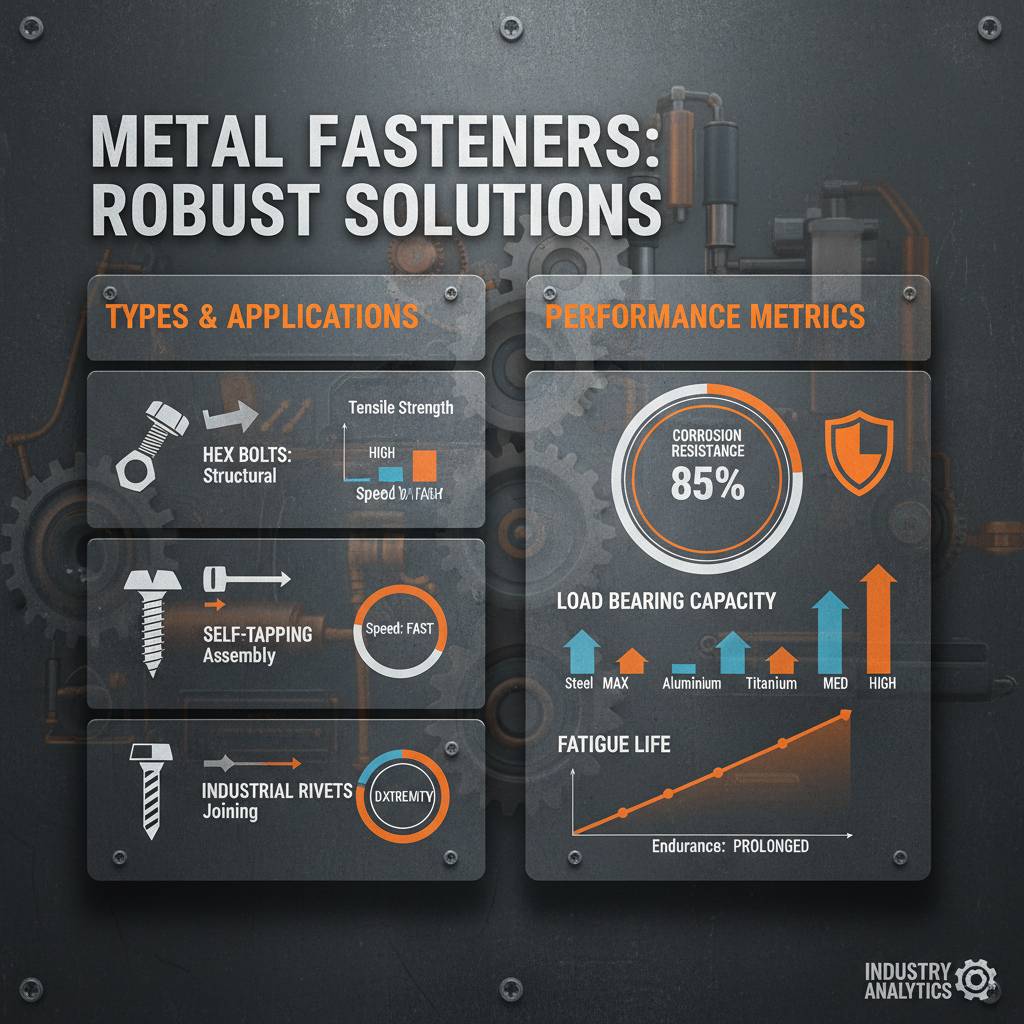
High-quality metal fasteners are characterized by several key properties that ensure their performance and longevity. These include tensile strength, which measures the fastener's resistance to being pulled apart; yield strength, which indicates the point at which the fastener begins to deform permanently; and shear strength, which assesses its ability to withstand forces acting parallel to its axis.
Corrosion resistance is another crucial property, particularly in outdoor or harsh environments. Fasteners can be protected from corrosion through various methods, including galvanizing, coating with protective polymers, or using corrosion-resistant alloys like stainless steel. Hardness is also essential, preventing the fastener from being easily damaged or stripped during installation and use.
Metal Fastener Performance Metrics
Applications Across Industries and Geographies
The applications of metal fasteners are truly global and span virtually every industry. In infrastructure projects across developing nations, robust fasteners are essential for building bridges, roads, and power plants. In Europe and North America, they play a crucial role in maintaining existing infrastructure and constructing new, sustainable buildings.
The automotive industry relies heavily on metal fasteners for assembling vehicles, and the aerospace sector demands high-precision, high-strength fasteners to ensure flight safety. Even in the renewable energy sector, metal fasteners are vital for constructing wind turbines and solar panel arrays. The versatility of metal fasteners makes them indispensable across a wide spectrum of applications.
Advantages and Long-Term Value Proposition
The advantages of utilizing high-quality metal fasteners extend beyond immediate functionality. They offer a long-term value proposition based on durability, reliability, and safety. Reduced maintenance costs, minimized downtime, and extended product lifecycles are all tangible benefits.
Furthermore, selecting the right metal fastener contributes to sustainability by enabling the repair and refurbishment of products, reducing the need for replacement. The use of corrosion-resistant materials minimizes environmental impact and reduces the risk of structural failures, ultimately fostering trust and confidence in the integrity of the finished product.
Future Trends and Technological Advancements
The future of metal fasteners is poised for innovation, driven by advancements in materials science, manufacturing processes, and digital technologies. Research into new alloys with enhanced strength and corrosion resistance is ongoing. Additive manufacturing (3D printing) is emerging as a potential method for producing customized fasteners with complex geometries.
Digital technologies, such as machine learning and artificial intelligence, are being used to optimize fastener design, predict failure rates, and improve quality control. Smart fasteners, equipped with sensors, are being developed to monitor stress levels and provide real-time data on structural health. Sustainability will continue to be a key driver of innovation, with a focus on developing eco-friendly materials and reducing the environmental impact of fastener production.
These advancements will likely lead to increasingly specialized and high-performance metal fasteners tailored to the evolving needs of various industries, promoting efficiency, safety, and sustainability in a wide range of applications.
Summary of Future Trends in metal fasteners
| Trend Category |
Technology Focus |
Impact on Fastener Performance |
Projected Timeline |
| Materials Science |
New Alloys & Coatings |
Enhanced Strength & Corrosion Resistance (Rating: 8/10) |
5-10 Years |
| Manufacturing |
Additive Manufacturing (3D Printing) |
Customization & Complex Geometries (Rating: 7/10) |
3-7 Years |
| Digitalization |
AI-Powered Design & Quality Control |
Improved Accuracy & Reduced Defects (Rating: 9/10) |
2-5 Years |
| Smart Fasteners |
Sensor Integration & Data Analytics |
Real-Time Monitoring & Predictive Maintenance (Rating: 6/10) |
7-12 Years |
| Sustainability |
Eco-Friendly Materials & Processes |
Reduced Environmental Impact (Rating: 8/10) |
Ongoing |
| Automation |
Robotic Assembly & Inspection |
Increased Efficiency & Reduced Labor Costs (Rating: 7/10) |
3-7 Years |
FAQS
Selecting the right material for a metal fastener is critical and depends on several factors, including the intended application, the loads the fastener will bear, the environmental conditions it will be exposed to, and the materials being joined. Steel offers high strength and is cost-effective, but can be prone to corrosion. Stainless steel provides excellent corrosion resistance but is more expensive. Aluminum is lightweight and corrosion-resistant, suitable for applications where weight is a concern. Titanium offers exceptional strength-to-weight ratio and corrosion resistance, ideal for aerospace and medical applications. The specific requirements of the project dictate the best choice.
Fastener coatings are exceptionally important in preventing corrosion and extending the lifespan of fasteners, particularly in harsh environments. Common coatings include zinc plating, galvanizing, black oxide, and specialized polymer coatings. Zinc plating provides sacrificial protection, corroding before the underlying metal. Galvanizing offers a thicker, more durable layer of protection. Black oxide enhances corrosion resistance and provides a decorative finish. The choice of coating depends on the specific environment and the level of protection required. Proper coating application and maintenance are essential for maximizing effectiveness.
While often used interchangeably, bolts and screws differ in how they are used. A bolt is typically used with a nut to clamp materials together, relying on friction between the bolt, nut, and joined materials. Screws, on the other hand, are designed to thread directly into the material being joined, creating their own mating threads. Screws generally require less tightening torque than bolts and are often used in applications where self-tapping is desired. The shape of the head also often differs between bolts and screws.
Fastener grade markings indicate the material’s strength and mechanical properties. These markings, typically found on the head of the fastener, provide crucial information about its tensile strength, yield strength, and shear strength. Different grades are suitable for different applications, with higher grades indicating greater strength. Always refer to engineering specifications and select a fastener grade appropriate for the load and stress it will experience. Using the correct grade is essential for ensuring structural integrity and safety.
Determining the correct torque for a fastener is crucial to ensure a secure connection without damaging the fastener or the joined materials. Torque specifications are typically provided by the manufacturer or in engineering drawings. Using a torque wrench is essential for achieving the specified torque accurately. Factors such as fastener size, material, and lubrication can influence the required torque. Over-tightening can strip threads or cause the fastener to break, while under-tightening can lead to loosening and failure.
Several exciting trends are shaping the future of metal fastener technology. These include the development of self-locking fasteners with improved performance, the use of additive manufacturing to create customized fasteners, the integration of sensors into fasteners for real-time monitoring of stress and strain, and the development of more sustainable and eco-friendly fastener materials and manufacturing processes. These innovations promise to enhance the reliability, efficiency, and sustainability of joining solutions across a wide range of industries.
Conclusion
In conclusion, metal fasteners are foundational components of modern infrastructure and manufacturing. Their seemingly simple function belies their critical importance in ensuring the safety, reliability, and longevity of countless products and structures. Understanding the various types of metal fasteners, their properties, and their applications is essential for engineers, manufacturers, and anyone involved in the design and construction process.
Looking ahead, continued innovation in materials science, manufacturing techniques, and digital technologies will drive further advancements in metal fastener technology. Embracing these advancements will be crucial for meeting the evolving demands of a rapidly changing world, promoting sustainability, and building a more resilient and interconnected future. For high-quality and reliable metal fasteners, explore our comprehensive range of products and solutions.





 English
  Afrikaans
  Arabic
  Bengali
  Bulgarian
  French
  German
  Hindi
Hindi  Indonesian
  Italian
  Japanese
  Korean
  Malay
Malay  Portuguese
  Russian
  Spanish
  Thai
Thai  Turkish
  Urdu
Urdu  Vietnamese