



Custom self tapping screws are essential fasteners utilized across a vast spectrum of industries, offering a convenient and efficient solution for joining materials. These screws, unlike standard screws, create their own threads as they are driven into a material, eliminating the need for pre-tapped holes. This characteristic dramatically reduces assembly time and cost, making them invaluable in modern manufacturing and construction. Understanding the nuances of custom self tapping screw design and application is crucial for ensuring structural integrity and optimizing performance across various projects.
The global demand for custom self tapping screw is experiencing steady growth, driven by increasing industrialization and infrastructure development, particularly in emerging economies. According to a report by Grand View Research, the global fastener market was valued at USD 85.25 billion in 2022 and is expected to grow at a compound annual growth rate (CAGR) of 4.5% from 2023 to 2030. This growth is fueled by the expanding automotive, aerospace, and construction sectors, all of which heavily rely on high-quality fastening solutions.
However, challenges remain in ensuring consistent quality, material sourcing, and environmental sustainability in the production and use of these screws. Addressing these concerns requires innovation in materials, manufacturing processes, and lifecycle management, creating opportunities for specialized suppliers like custom self tapping screw to offer tailored solutions.
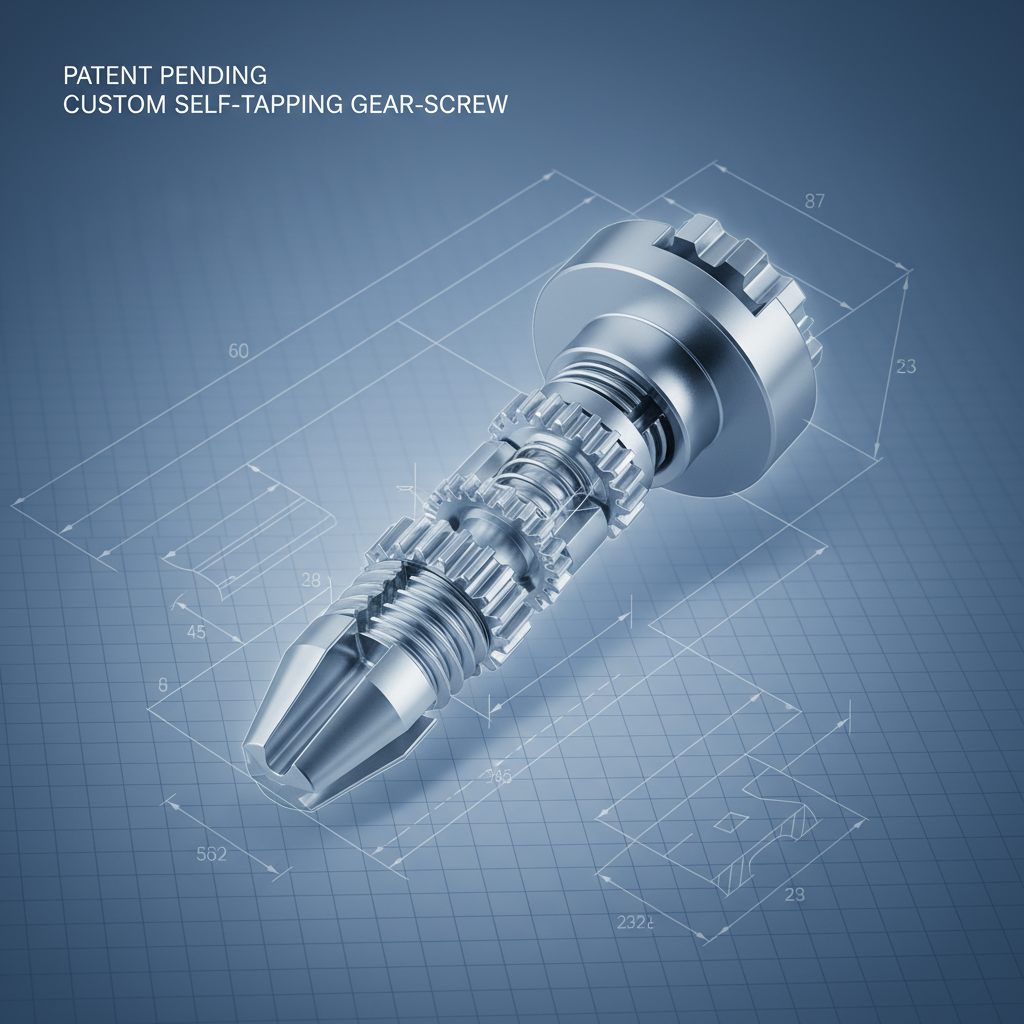
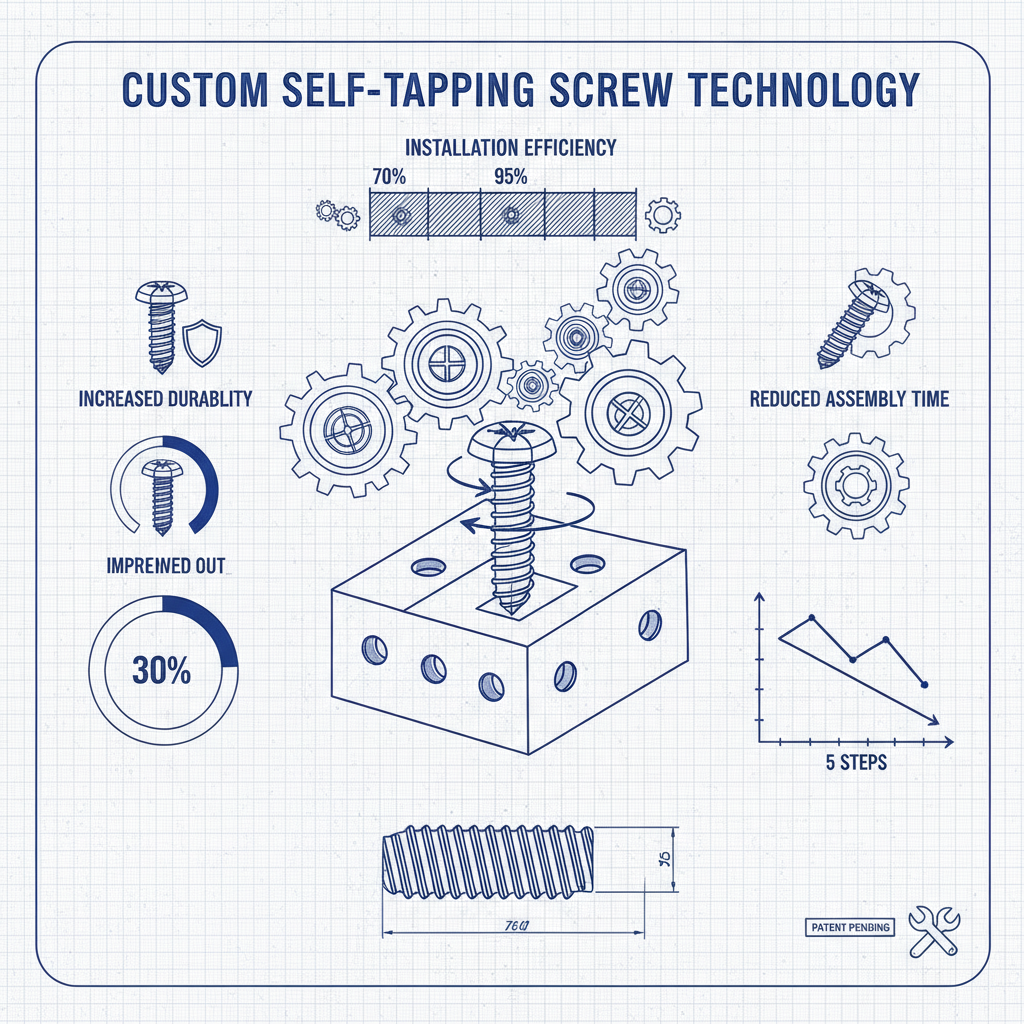
Custom self tapping screws are pivotal components in modern assembly processes, significantly impacting efficiency and product quality across numerous sectors. Their ability to form their own threads offers a streamlined and cost-effective alternative to traditional fastening methods requiring pre-tapped holes. This characteristic is particularly advantageous in industries requiring high-volume production and complex geometries.
Furthermore, the versatility of custom self tapping screw allows for material-specific designs, optimizing performance in diverse substrates such as metal, plastic, and wood. Manufacturers like custom self tapping screw specialize in tailoring these fasteners to meet precise application requirements, ensuring optimal holding power and longevity.
Type A screws are designed for thinner materials and have a blunt point, requiring a pilot hole. Type AB screws are a compromise, offering better performance in thicker materials without a pilot hole. Type B screws have a sharp point and are ideal for thicker materials, forming threads aggressively without a pilot hole. The selection depends on the material thickness and desired thread-forming performance.
Material selection depends heavily on the application and environmental conditions. Carbon steel offers high strength at a lower cost, but is susceptible to corrosion. Stainless steel provides excellent corrosion resistance, ideal for outdoor applications. Alloy steels offer specific properties like increased hardness or temperature resistance. Consider the material being fastened and potential exposure to chemicals or weather.
Coatings are applied to enhance corrosion resistance, improve lubricity, and increase screw lifespan. Common coatings include zinc plating, nickel plating, and ceramic coatings. Zinc provides sacrificial protection against corrosion, while nickel offers a more durable and aesthetically pleasing finish. Ceramic coatings reduce friction and improve wear resistance.
Yes, custom self tapping screws are often used in plastics, but proper screw selection is crucial. Screws designed for plastic applications typically have wider thread spacing and sharper cutting edges to effectively form threads without cracking the plastic. The plastic's type and thickness must also be considered when choosing a screw.
Driving torque is influenced by several factors, including the screw’s material, thread form, point style, coating, and the material being fastened. Harder materials and coarser threads require more torque. Lubricated screws typically require less torque. It's crucial to use the appropriate torque setting to avoid stripping the screw or damaging the material.
Finding a reputable supplier is key to ensuring quality and reliability. Look for companies with extensive experience, advanced manufacturing capabilities, and a commitment to quality control. custom self tapping screw specializes in providing tailored fastening solutions to meet diverse industrial needs. Check for certifications and customer testimonials.
Custom self tapping screw represent a cornerstone of modern fastening technology, offering efficiency, reliability, and versatility across a wide range of industries. Their ability to eliminate pre-tapping, coupled with the potential for tailored designs and material selections, makes them an indispensable component in countless applications. Continued innovation in materials, manufacturing processes, and digital integration will further enhance their performance and sustainability.
Looking ahead, the demand for custom self tapping screw will continue to grow, driven by global industrialization and infrastructure development. Investing in high-quality, customized fasteners is crucial for ensuring product longevity, reducing maintenance costs, and promoting sustainable manufacturing practices. Visit our website at www.lzfasteners.com to learn more about how we can provide the perfect custom self tapping screw solution for your specific needs.


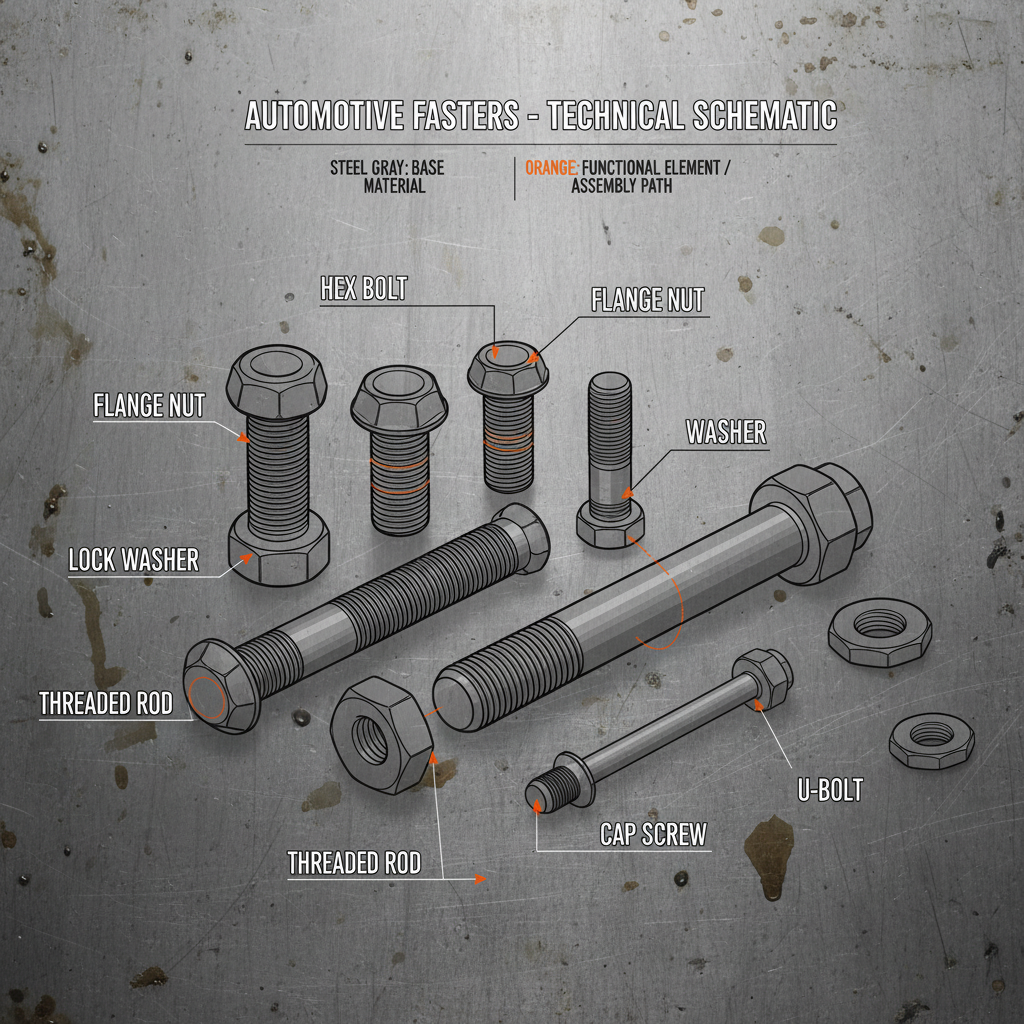
 English
  Afrikaans
  Arabic
  Bengali
  Bulgarian
  French
  German
  Hindi
Hindi  Indonesian
  Italian
  Japanese
  Korean
  Malay
Malay  Portuguese
  Russian
  Spanish
  Thai
Thai  Turkish
  Urdu
Urdu  Vietnamese