Automotive fasteners are critical components in the modern automotive industry, ensuring the safety, reliability, and longevity of vehicles. From the chassis to the engine, these seemingly small parts play a massive role in structural integrity and performance. The demand for high-quality automotive fasteners is continually growing due to increasing vehicle production, advancements in automotive technology, and stringent safety regulations.
Globally, the automotive sector is a significant economic driver, and the fasteners market is intrinsically linked to its growth. Regions with thriving automotive manufacturing, like China, Germany, the United States, and Japan, represent major consumer bases for these specialized fasteners. The continued push for lighter vehicles and improved fuel efficiency is also driving innovation in fastener materials and designs, demanding specialized solutions from manufacturers.
Understanding the intricacies of automotive fasteners, from material science to manufacturing processes, is vital for automotive engineers, designers, and suppliers. Choosing the right fastener for a specific application can directly impact vehicle safety and performance, making it a crucial aspect of automotive development and production.
The Significance of Automotive Fasteners
Automotive fasteners aren't merely about holding things together; they are integral to vehicle safety and performance. These components withstand immense stresses from vibration, temperature fluctuations, and corrosive environments. Their reliability directly impacts crashworthiness, structural integrity, and the overall lifespan of a vehicle.
The automotive industry demands fasteners that meet extremely high standards, exceeding those of general industrial applications. This necessitates rigorous testing, precise manufacturing tolerances, and advanced material science to ensure consistent performance under demanding conditions. The ever-increasing complexity of modern vehicles also demands a diverse range of specialized fasteners.
Defining Automotive Fasteners
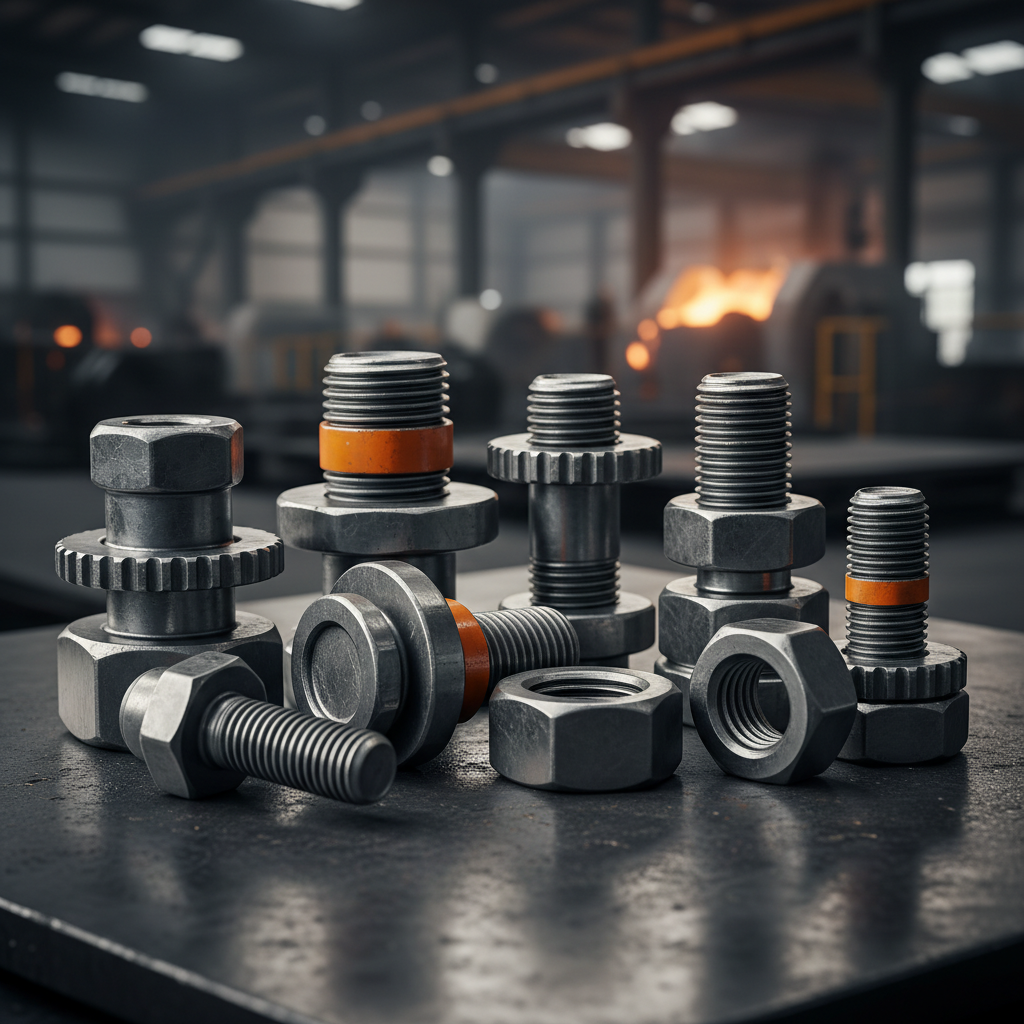
Automotive fasteners are specialized components designed to securely join parts within a vehicle. This category encompasses a wide range of items including bolts, nuts, screws, rivets, studs, and washers. Unlike general-purpose fasteners, automotive fasteners are specifically engineered to withstand the unique stresses and environmental conditions encountered in automotive applications.
They are often manufactured from high-strength alloys, coated with protective finishes, and subjected to stringent quality control measures. The design and materials used are dictated by factors like load requirements, temperature resistance, corrosion protection, and the specific application within the vehicle.
In essence, automotive fasteners are critical engineering components, not just simple connecting devices. Their performance is directly tied to vehicle safety, reliability, and durability, reflecting the vital role they play in modern transportation.
Key Characteristics of Automotive Fasteners
Durability is paramount. Automotive fasteners must withstand constant vibration, temperature changes, and exposure to corrosive elements like road salt and moisture. This necessitates high-strength materials and protective coatings.
Precise Tolerances are essential. Automotive assembly often involves automated processes requiring fasteners with extremely tight dimensional tolerances. Even slight variations can disrupt assembly and compromise the integrity of the joint.
Corrosion Resistance is critical. Vehicles operate in diverse and often harsh environments. Fasteners must resist corrosion to prevent failure and maintain structural integrity over the vehicle’s lifespan. This is achieved through specialized coatings like zinc, phosphate, or other protective treatments.
Automotive Fastener Materials and Coatings
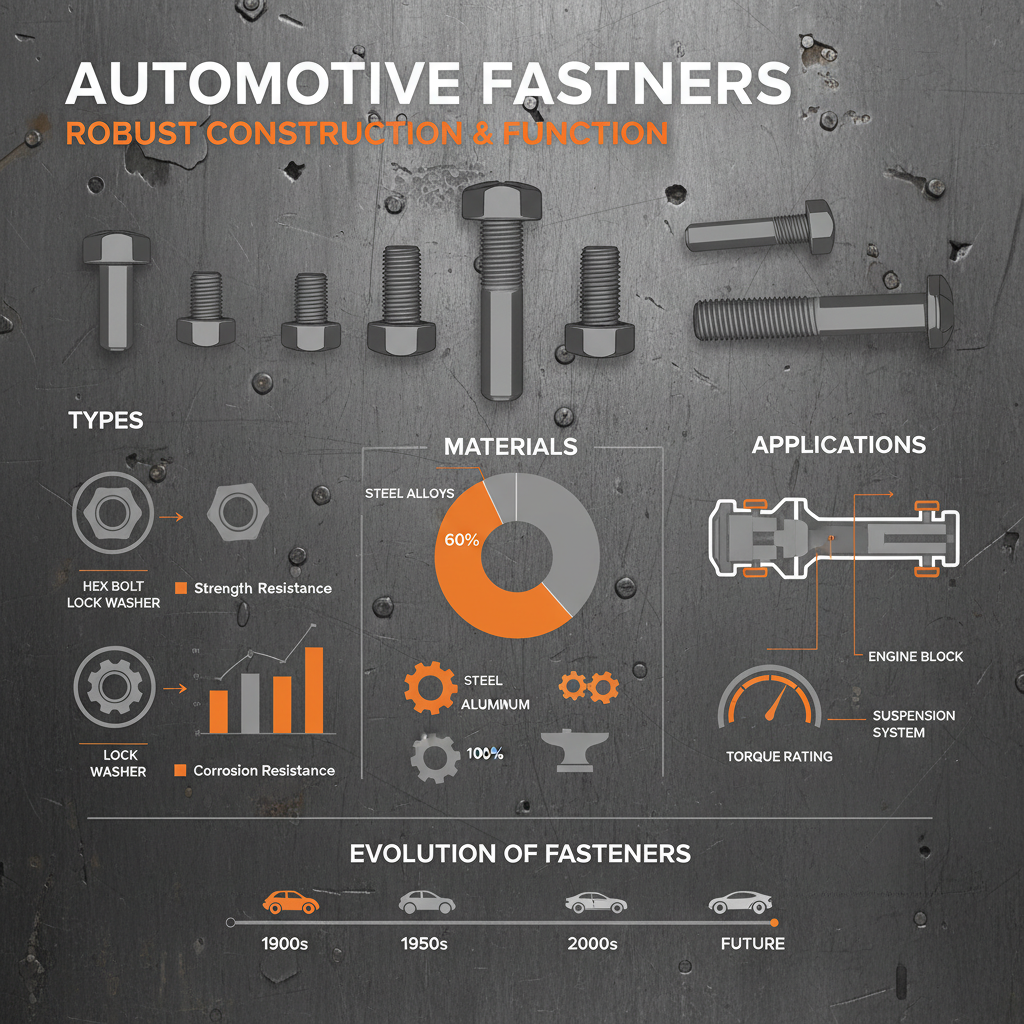
The selection of materials for automotive fasteners is a critical decision, based on the specific application and required performance characteristics. Common materials include carbon steel, alloy steel, stainless steel, and aluminum alloys. High-strength alloy steels are often used for critical structural components, while stainless steel provides excellent corrosion resistance.
To further enhance performance, various coatings are applied. Zinc plating is a widely used corrosion protection method, while phosphate coatings improve paint adhesion and provide a base for subsequent coatings. Other advanced coatings include Geomet, Delta-Coat, and ceramic coatings, offering superior corrosion resistance and friction reduction.
Automotive Fastener Material Performance
Global Applications in Automotive Manufacturing
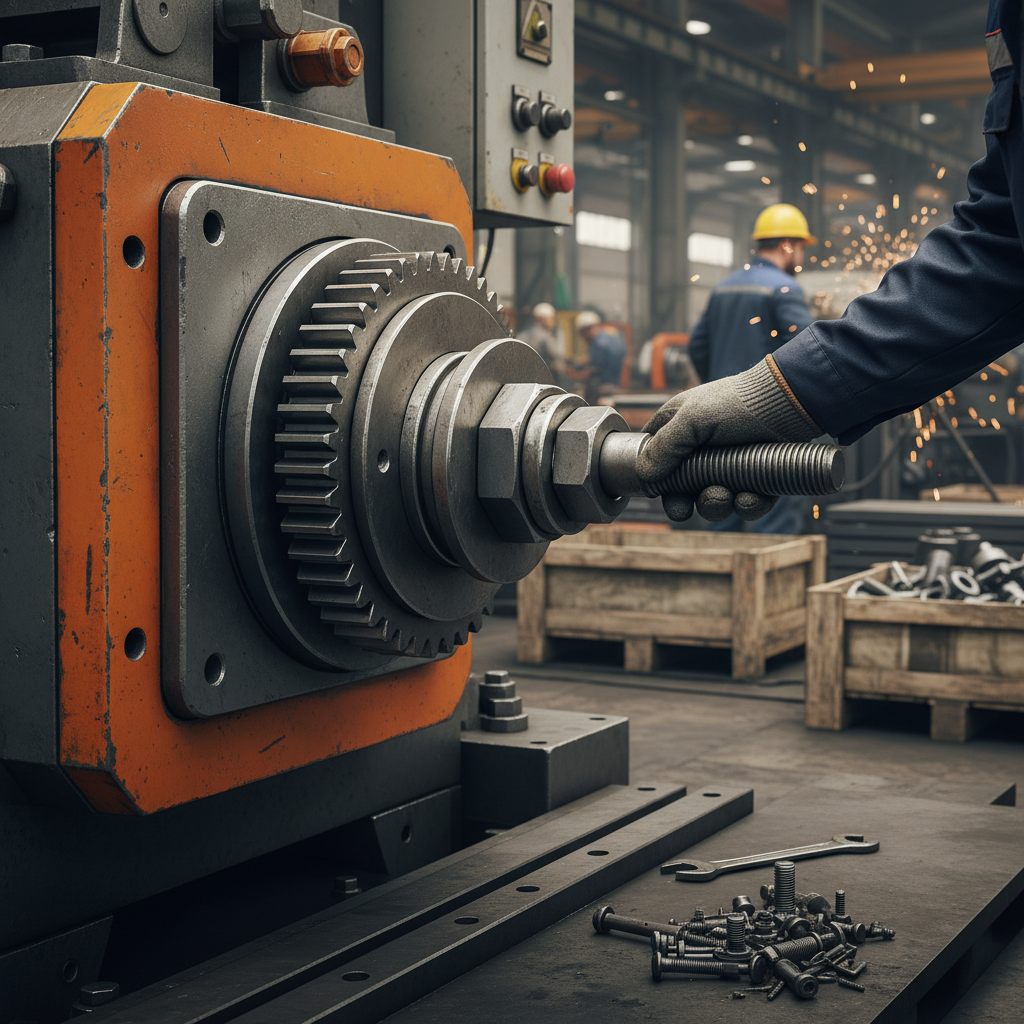
Automotive fasteners are utilized throughout the entire vehicle assembly process. They secure the chassis, engine components, body panels, interior trim, and countless other parts. Specific applications range from high-stress engine bolts to smaller, precision fasteners for electronic modules.
Major automotive manufacturing hubs, such as those in Germany, the United States, China, Japan, and Mexico, are the primary consumers of these fasteners. The increasing adoption of electric vehicles (EVs) is also driving demand for specialized fasteners designed for battery packs and electric motor assemblies.
Advantages of High-Quality Automotive Fasteners
Employing high-quality automotive fasteners delivers numerous benefits. Increased vehicle safety is paramount, as reliable fasteners prevent component failure and maintain structural integrity during operation and in the event of a collision. Improved durability extends the vehicle's lifespan, reducing maintenance costs and enhancing customer satisfaction.
Furthermore, precise fasteners contribute to streamlined assembly processes, reducing production time and minimizing defects. By utilizing advanced materials and coatings, manufacturers can also minimize corrosion and ensure long-term reliability in harsh operating environments.
Investing in superior fasteners ultimately translates to a higher-quality, safer, and more reliable vehicle, strengthening brand reputation and fostering customer loyalty.
Future Trends in Automotive Fastener Technology
The automotive fastener industry is undergoing a period of rapid innovation. Lightweighting is a major trend, driving demand for fasteners made from materials like aluminum, titanium, and advanced composites. The rise of electric vehicles is also leading to the development of specialized fasteners for battery packs and electric motor components.
Smart fasteners, incorporating sensors to monitor stress, torque, and corrosion, are emerging as a promising technology. These smart fasteners can provide valuable data for predictive maintenance and improve overall vehicle safety. Furthermore, advancements in coating technologies are focused on enhancing corrosion resistance and reducing friction.
Sustainable manufacturing practices are also gaining prominence, with manufacturers exploring eco-friendly materials and processes to minimize their environmental impact.
Summary of Automotive Fastener Technology Trends
| Trend Category |
Key Focus |
Impact on Automotive Fasteners |
Expected Timeline |
| Material Science |
Lightweighting |
Increased use of aluminum, titanium, and composites in fastener production. |
2-5 years |
| Sensor Technology |
Predictive Maintenance |
Development of ‘smart’ fasteners with embedded sensors for real-time monitoring. |
5-10 years |
| Coating Technology |
Corrosion Resistance |
Advanced coatings for increased protection in harsh environments. |
Ongoing |
| EV Integration |
Battery Pack Assembly |
Specialized fasteners designed for the unique requirements of EV battery packs. |
1-3 years |
| Manufacturing Processes |
Sustainability |
Adoption of eco-friendly materials and manufacturing processes. |
Ongoing |
| Automation |
Precision Assembly |
Automated fastening systems to improve speed and accuracy. |
2-5 years |
FAQS
Automotive fasteners undergo significantly more rigorous testing and adhere to tighter tolerances than standard industrial fasteners. They are also often made from specialized materials and coatings to withstand the unique stresses and environmental conditions found in vehicles, such as extreme temperatures, vibration, and corrosion. Compliance with automotive industry standards is also a key distinction.
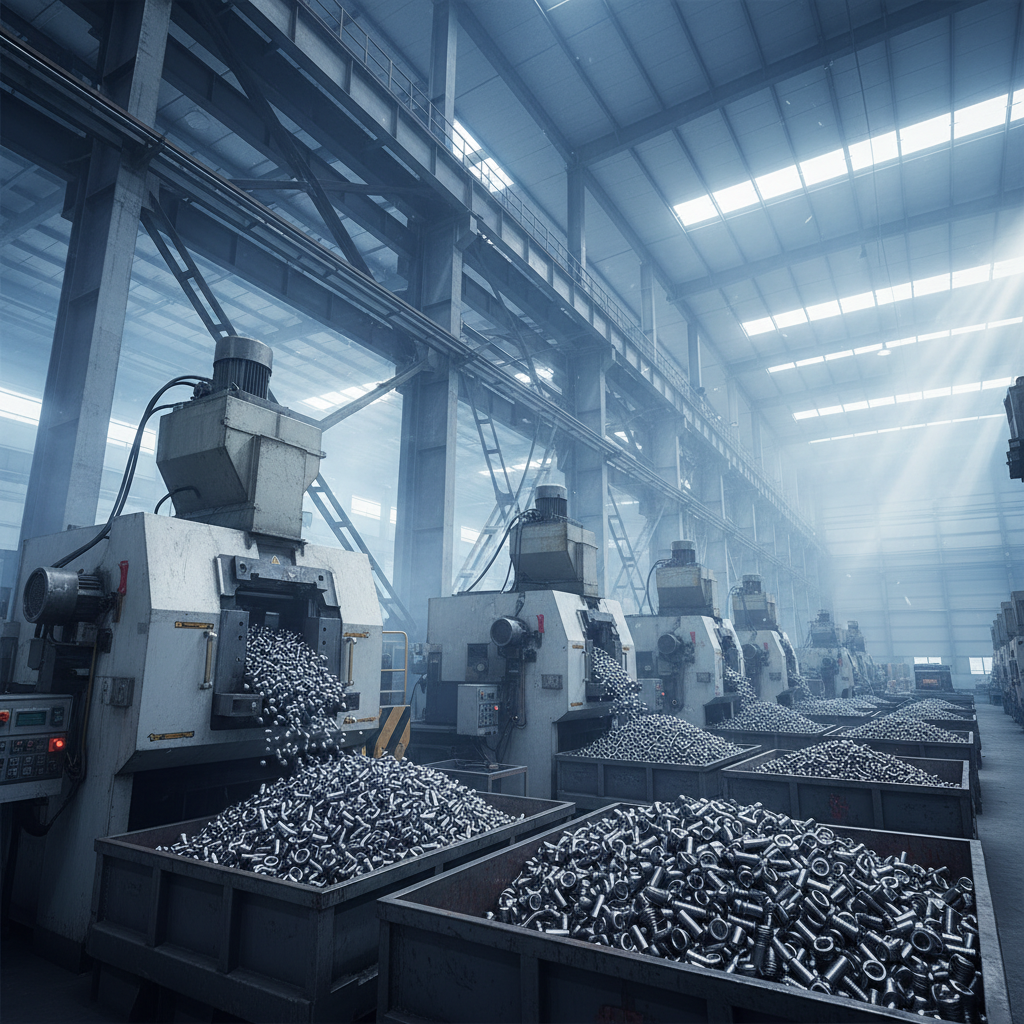
Quality assurance involves numerous steps, including material verification, precise manufacturing processes, dimensional inspections, and destructive testing. Manufacturers utilize sophisticated equipment and adhere to stringent quality control protocols, like TS 16949, to guarantee the reliability and performance of their fasteners. Traceability is also essential, allowing for tracking throughout the entire supply chain.
Common corrosion protection methods include zinc plating, phosphate coatings, and various organic coatings like Geomet and Delta-Coat. These coatings create a barrier against moisture and corrosive elements, preventing rust and maintaining the fastener’s integrity. The specific coating chosen depends on the intended application and environmental exposure.
Precise torque control is crucial for ensuring proper clamping force and joint integrity. Incorrect torque can lead to fastener loosening, component failure, or even structural damage. Automotive assembly lines utilize calibrated torque wrenches and automated fastening systems to achieve consistent and accurate torque values, following specified guidelines.
The automotive industry’s push for fuel efficiency is driving the adoption of lightweight materials like aluminum, titanium, and composites in fastener production. These materials reduce overall vehicle weight, improving fuel economy and reducing emissions. However, using these materials requires careful consideration of strength, durability, and cost factors.
Future innovations include the development of smart fasteners with embedded sensors, advanced coating technologies for enhanced corrosion resistance, and the increased use of additive manufacturing (3D printing) for customized fastener solutions. Furthermore, advancements in material science will continue to yield lighter, stronger, and more durable fasteners.
Conclusion
In conclusion, automotive fasteners are far more than simple connecting devices. They represent a critical component of vehicle safety, reliability, and performance. From material selection and manufacturing processes to quality control and future innovations, every aspect of fastener design and production plays a vital role in ensuring the integrity of modern vehicles.
Looking ahead, continued advancements in materials, coatings, and smart technologies will further enhance the performance and capabilities of automotive fasteners. Investing in high-quality fasteners is essential for automotive manufacturers seeking to deliver safer, more durable, and more sustainable vehicles. Visit our website at www.lzfasteners.com to learn more about our automotive fastener solutions.







 English
  Afrikaans
  Arabic
  Bengali
  Bulgarian
  French
  German
  Hindi
Hindi  Indonesian
  Italian
  Japanese
  Korean
  Malay
Malay  Portuguese
  Russian
  Spanish
  Thai
Thai  Turkish
  Urdu
Urdu  Vietnamese