Custom fasteners are specialized components critical to a vast range of industries, from aerospace and automotive to construction and medical devices. Unlike standard fasteners, they are engineered to meet specific performance requirements, material specifications, and application constraints. This demand for tailored solutions is driven by the increasing complexity of modern engineering designs and the need for optimized performance, reliability, and safety. Understanding the nuances of custom fastener design, manufacturing, and application is crucial for innovation and maintaining a competitive edge in today’s global market.
The global fastener market is a multi-billion dollar industry, with custom fasteners representing a significant and growing segment. According to recent reports, the demand for specialized fasteners is outpacing that of standard products, fueled by technological advancements and the increasing need for lightweighting, corrosion resistance, and high-strength materials. This trend is particularly pronounced in emerging economies where rapid infrastructure development and industrial expansion are driving demand.
The ability to procure high-quality, precisely engineered custom fasteners addresses critical challenges faced by manufacturers – enabling them to create more efficient, durable, and innovative products. This capability is no longer a luxury but a necessity for companies aiming to excel in their respective fields, safeguarding their operations and enabling them to compete effectively on a global scale.
Introduction to Custom Fasteners
Custom fasteners are more than just threaded components; they are precision-engineered solutions tailored to specific application demands. The process of creating a custom fastener involves a collaborative effort between engineers, designers, and manufacturers to develop a product that perfectly matches the required specifications. This often includes considerations for material selection, head style, thread type, coating, and dimensional tolerances.
The increasing complexity of modern engineering designs necessitates the use of custom fasteners to achieve optimal performance and reliability. Standard fasteners often fall short when faced with unique challenges such as extreme temperatures, corrosive environments, or high stress loads. Therefore, investing in custom fastener solutions can significantly enhance product quality, reduce failure rates, and extend service life.
Defining Custom Fasteners
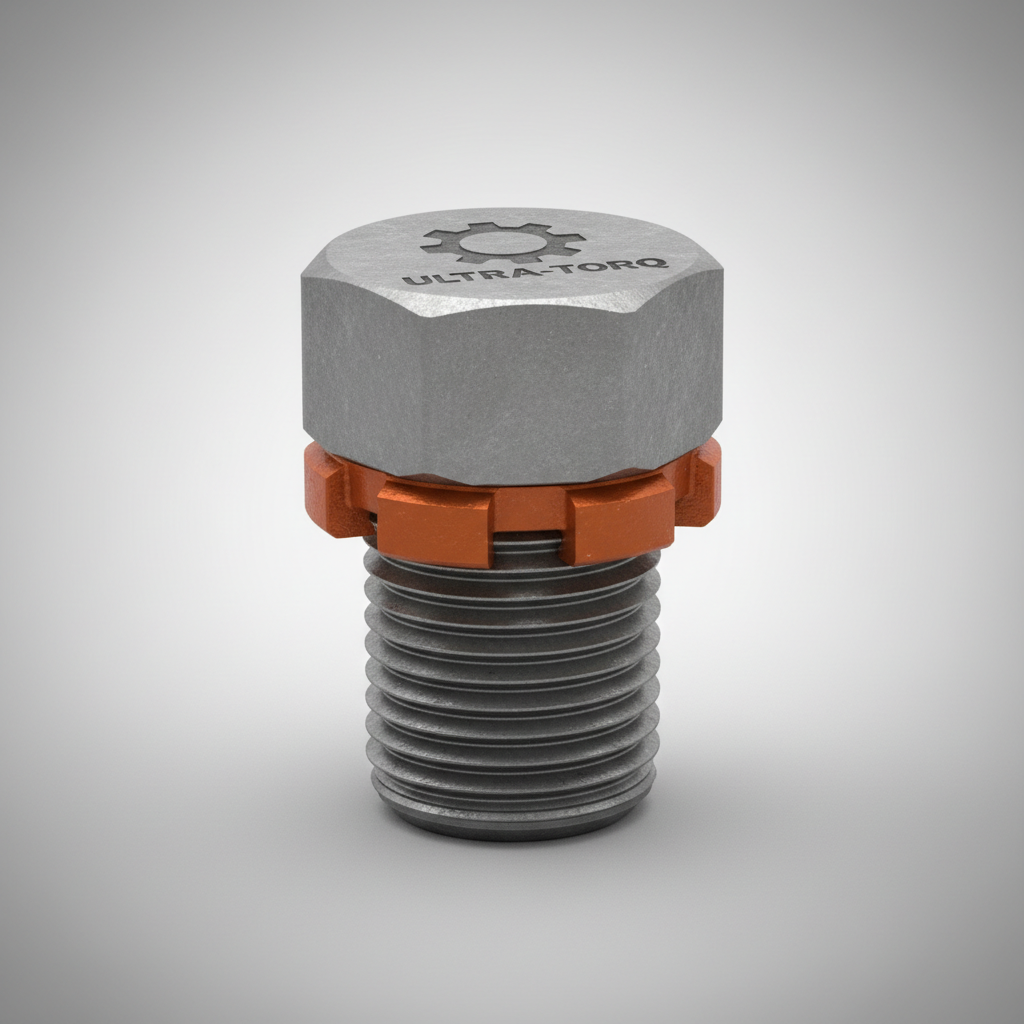
A custom fastener is a fastening component designed and manufactured to meet specific, non-standard requirements. These requirements can relate to dimensions, materials, finishes, or performance characteristics. Unlike off-the-shelf fasteners that adhere to industry standards, custom fasteners are created to address unique engineering challenges and optimize performance within a specific application.
The connection between custom fasteners and modern industry lies in the drive for innovation and efficiency. As products become more sophisticated and demanding, standard components often prove inadequate. Custom fasteners enable manufacturers to overcome these limitations and achieve superior results, unlocking new possibilities in design and functionality.
From a humanitarian perspective, custom fasteners can play a vital role in the development of specialized equipment and infrastructure for disaster relief, medical aid, and sustainable development projects. The ability to create durable, reliable, and application-specific fasteners ensures the long-term effectiveness of these initiatives, directly contributing to improved quality of life in challenging environments.
Core Components of Custom Fastener Solutions
Several key factors contribute to the effectiveness of custom fastener solutions. Firstly, material selection is paramount, requiring careful consideration of strength, corrosion resistance, weight, and cost. Materials range from common steels and alloys to specialized materials like titanium, Inconel, and plastics. Secondly, dimensional precision ensures proper fit and function, minimizing the risk of assembly errors and performance issues.
Thirdly, coating and finishing provide essential protection against corrosion, wear, and other environmental factors. Options include zinc plating, nickel plating, black oxide, and specialized coatings tailored to specific application requirements. Finally, head style and drive type are critical for ease of installation, accessibility, and aesthetic considerations, influencing the overall usability and functionality of the fastener.
These components work synergistically to deliver a custom fastener solution that is perfectly aligned with the intended application. Ignoring even one of these factors can compromise the performance and reliability of the entire system. Therefore, a holistic approach to design and manufacturing is essential for achieving optimal results.
Key Performance Characteristics
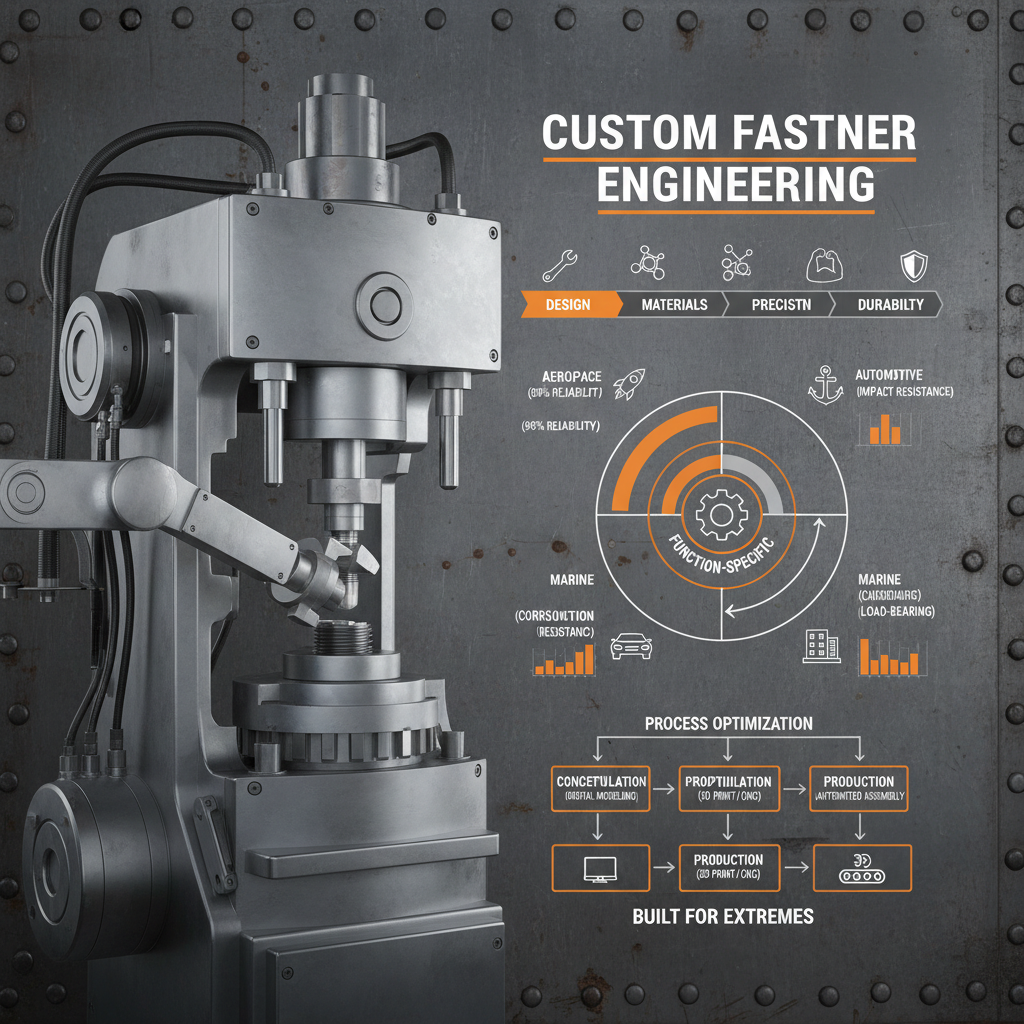
Evaluating the performance of custom fasteners requires considering several key characteristics. Tensile Strength defines the fastener’s ability to resist pulling forces, crucial for load-bearing applications. Yield Strength indicates the point at which permanent deformation begins, informing safe operating limits.
Corrosion Resistance is vital for environments exposed to moisture, chemicals, or harsh weather conditions, prolonging service life and minimizing maintenance.
Custom Fastener Performance Ratings
Global Applications and Industry Impact
Custom fasteners find application across a remarkably diverse range of industries. In the aerospace sector, they are essential for constructing lightweight, high-strength aircraft components. The automotive industry utilizes them in engine assembly, chassis construction, and safety systems. Construction projects rely on custom fasteners for structural integrity and seismic resistance.
In medical device manufacturing, custom fasteners play a critical role in ensuring the safety and reliability of implants and surgical instruments. Regions with significant manufacturing activity, such as China, Germany, and the United States, are major consumers of custom fasteners. Organizations involved in infrastructure development in emerging economies, such as the World Bank, also contribute to the demand for these specialized components.
Advantages & Long-Term Value Proposition
The advantages of utilizing custom fasteners extend beyond mere functionality. Cost savings can be realized through optimized material usage, reduced assembly time, and minimized failure rates. Sustainability is enhanced by the ability to select eco-friendly materials and design for extended product lifecycles.
The long-term value proposition lies in the increased reliability, safety, and performance of the final product. This translates into reduced downtime, lower maintenance costs, and enhanced customer satisfaction. The emotional benefit of knowing that a product is built with precision and care fosters trust and brand loyalty.
Investing in custom fasteners represents a commitment to quality, innovation, and long-term success, allowing businesses to establish a competitive advantage and build lasting relationships with their customers.
Future Trends and Innovations in Custom Fasteners
The future of custom fasteners is intertwined with advancements in materials science, manufacturing technologies, and digital integration. The development of new alloys with enhanced strength-to-weight ratios, along with the adoption of additive manufacturing (3D printing) techniques, are poised to revolutionize fastener design and production.
Digital twin technology enables virtual prototyping and testing, reducing development time and costs. Automation and robotics are increasing manufacturing efficiency and precision. Furthermore, the growing emphasis on sustainability is driving the development of biodegradable and recyclable fasteners. These trends are expected to shape the industry landscape in the coming years, leading to more efficient, sustainable, and innovative fastening solutions.
Integration with IoT (Internet of Things) sensors is also emerging, allowing for real-time monitoring of fastener performance and predictive maintenance, enhancing reliability and safety in critical applications.
FAQS
Lead times vary depending on the complexity of the design and the quantity required. Generally, you can expect a quote within 2-5 business days of submitting your specifications. Production lead times typically range from 4-8 weeks, depending on material availability and manufacturing capacity. We prioritize clear communication throughout the process to ensure timely delivery.
We accept a wide range of file formats, including 2D drawings in PDF, DWG, and DXF, as well as 3D models in STEP, IGES, and SolidWorks. Providing detailed specifications, including material requirements, dimensions, tolerances, and finishing requirements, is crucial for accurate quoting and manufacturing.
We have extensive experience working with a diverse range of materials, including carbon steel, stainless steel (304, 316, etc.), aluminum, titanium, brass, and various plastics. We can also source specialized alloys and exotic materials upon request, ensuring that your fasteners meet the specific demands of your application.
Yes, we offer a comprehensive range of testing and quality control procedures, including dimensional inspection, material verification, hardness testing, tensile testing, and corrosion resistance testing. We adhere to strict quality standards to ensure that every custom fastener meets your exact specifications and performs reliably in its intended application.
The MOQ varies depending on the complexity of the design and the manufacturing process. While we strive to accommodate small-batch orders, certain designs may require a minimum quantity to be economically viable. We will discuss MOQ requirements upfront during the quoting process.
Absolutely! Our experienced engineering team can provide expert assistance with fastener design, material selection, and manufacturing process optimization. We work closely with our clients to understand their specific needs and develop customized solutions that meet their performance and cost objectives.
Conclusion
In conclusion, custom fasteners are critical components driving innovation and efficiency across diverse industries. Their ability to address unique engineering challenges, enhance product performance, and ensure long-term reliability makes them indispensable for modern manufacturing. From aerospace and automotive to medical devices and construction, the demand for tailored fastening solutions continues to grow.
Looking ahead, advancements in materials science, manufacturing technologies, and digital integration will further revolutionize the custom fastener industry. Embracing these innovations and collaborating with experienced fastener manufacturers like custom fastener specialists will be key to unlocking new levels of performance, sustainability, and competitiveness.






 English
  Afrikaans
  Arabic
  Bengali
  Bulgarian
  French
  German
  Hindi
Hindi  Indonesian
  Italian
  Japanese
  Korean
  Malay
Malay  Portuguese
  Russian
  Spanish
  Thai
Thai  Turkish
  Urdu
Urdu  Vietnamese