
High-Performance lock nut types for Venezuelan Industrial Infrastructure

Providing precision-engineered fastening solutions tailored for the rigorous demands of Venezuela's energy, mining, and manufacturing sectors.

Industrial Fastening Landscape in Venezuela

Analyzing the demand for durability in high-humidity and high-corrosion environments.

The Venezuelan industrial sector, heavily centered around oil, gas, and mining, faces extreme environmental challenges. The prevalence of high humidity and saline air along the Caribbean coast necessitates the use of high-grade metal fasteners that can withstand aggressive oxidation and stress corrosion cracking.

Economic fluctuations in the region have led to a shift toward maximizing the lifecycle of existing machinery. This has increased the demand for specialized mechanical fasteners that reduce maintenance frequency and prevent costly downtime in remote drilling sites and refining plants.

Currently, there is a growing trend toward upgrading legacy equipment with advanced locking mechanisms. The transition from standard nuts to high-torque solutions is critical for stabilizing infrastructure subject to heavy seismic activity and constant machinery vibration.
Evolution of Fastening Technology in the Region

From basic hardware to precision-engineered vibration-proof solutions.

Market Development History

Between 1980 and 2000, the Venezuelan market relied primarily on generic carbon steel fasteners. These early iterations often failed prematurely due to the corrosive nature of the petroleum industry, leading to frequent replacements and safety risks.

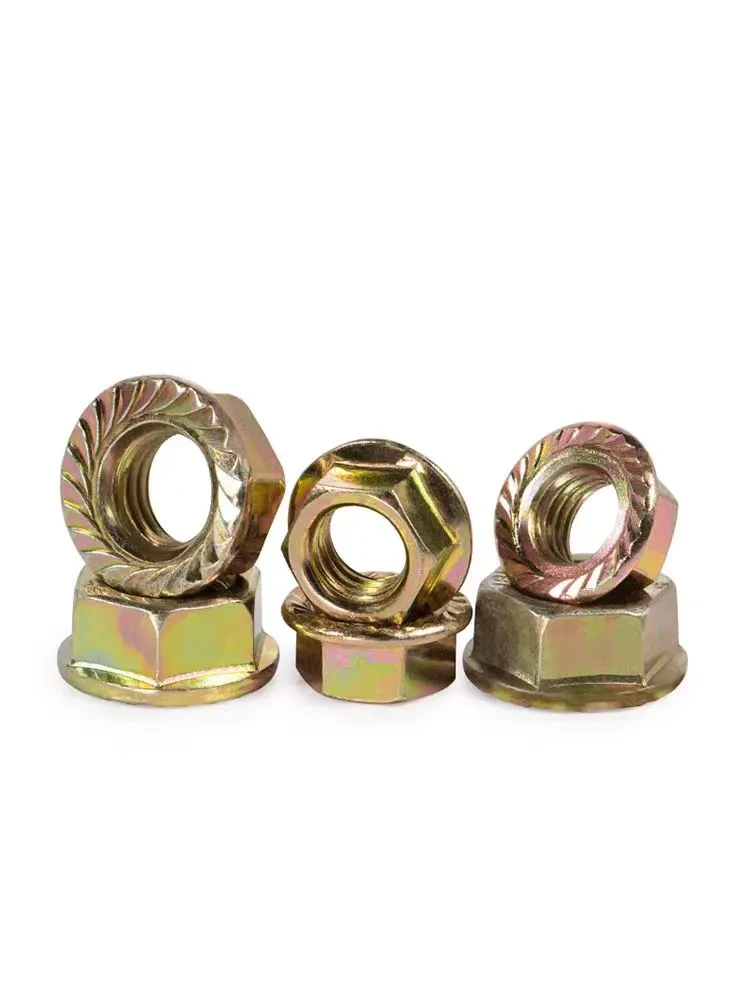
From 2000 to 2015, the industry saw a transition toward galvanized and alloy steel components. The introduction of flanged nut designs became common in automotive and light assembly, reducing the need for separate washers and improving load distribution.

In recent years, the focus has shifted toward "zero-failure" components. The adoption of specialized coatings and high-tensile locking geometries has become the standard for the energy sector to ensure operational safety under extreme pressure.

Future Development Trends

Smart Materials Integration

The integration of self-sensing materials into fasteners to monitor tension and bolt fatigue in real-time is expected to gain traction in the oil sector.

Eco-Friendly Coating Systems

A shift away from hexavalent chromium toward sustainable, high-corrosion-resistant coatings to meet international environmental standards.

Hyper-Specialized Locking Geometries

Increased demand for custom-engineered fasteners that eliminate the need for secondary locking devices in high-vibration environments.

Industry Trends and Future Outlook

Strategic projections for the fastening industry in South America.

Anti-Vibration Priority
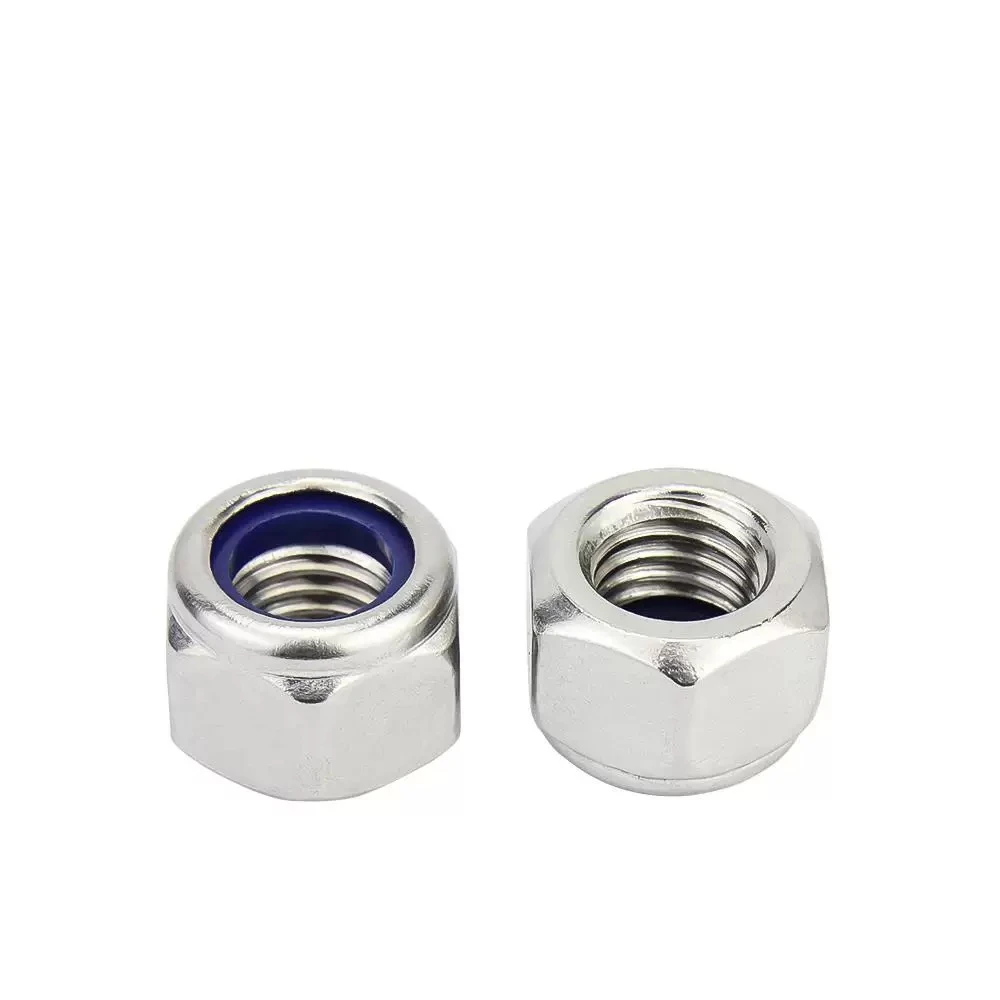
Rising demand for black lock nuts and nylon-insert nuts to prevent loosening in heavy machinery.
Material Upgrading
Migration from basic carbon steel to high-alloy and stainless steel for coastal refinery projects.
Precision Standardization
Stricter adherence to DIN and ISO standards to facilitate international equipment replacement.
Supply Chain Optimization
Direct-from-manufacturer sourcing to reduce lead times and costs for Venezuelan SMEs.

Industry Outlook

Based on current search trends and industrial shifts, we predict a 15% increase in demand for corrosion-resistant fastening systems in the Orinoco Belt. The focus is shifting toward proactive maintenance where high-grade components are installed to prevent catastrophic structural failure.

As Venezuela seeks to revitalize its industrial capacity, the adoption of precision-engineered fasteners will be a cornerstone of modernization, ensuring that new infrastructure is built to global safety and durability standards.

Local Application Scenarios in Venezuela

Real-world deployment of our fastening solutions across key Venezuelan industries.

1. Petroleum Refinery Maintenance

Implementing high-tensile locking nuts in heat exchangers and pressure vessels to withstand extreme thermal cycling and high-pressure environments in refinery plants.

2. Mining Equipment Stabilization

Using heavy-duty mechanical fasteners for the assembly of ore crushers and conveyor systems in the mining regions to combat intense vibration.

3. Coastal Infrastructure Projects

Utilizing specialized stainless steel and coated fasteners for bridge and port construction to prevent chloride-induced corrosion from the Caribbean sea air.

4. Heavy Transport and Logistics

Applying flanged nut solutions to truck chassis and heavy trailers to ensure joint stability on rugged interior roads.

5. Power Grid Infrastructure

Deployment of weather-resistant fasteners in electrical transmission towers to ensure structural integrity against tropical storms and humidity.

Brand Story

Global Development Journey of Hebei Longze Metal Products Manufacturing Co., Ltd.

Foundational Excellence

Established with a mission to master the art of precision forging, focusing on the core fundamentals of high-strength fastener metallurgy.

Technical Innovation

Invested in advanced CNC machining and cold-heading technology to reduce tolerances and increase the load-bearing capacity of every bolt and nut.

Global Market Expansion

Expanded operations to serve the South American market, solving the pain point of inconsistent quality in local fastener supply chains.

Quality Certification

Achieved international quality certifications, ensuring that every shipment meets the stringent safety requirements of the energy and aerospace sectors.

Future Vision

Striving to be the global leader in intelligent fastening solutions, focusing on sustainability and extreme-environment durability.

Common Questions for Local Industrial Fasteners

Expert answers to technical queries regarding fastening in the South American region.

Which lock nut types are best for high-vibration mining equipment?

For mining equipment, we recommend nylon-insert lock nuts or all-metal prevail-type nuts that provide a permanent mechanical lock to prevent loosening under constant shock loads.

How do black lock nuts perform in corrosive refinery environments?

Our black lock nuts feature advanced phosphate or oxide coatings that provide an initial layer of protection; however, for extreme saline environments, we suggest our stainless steel or fluorocarbon-coated options.

What are the advantages of using a flanged nut in automotive assembly?

A flanged nut integrates the washer into the nut itself, increasing the bearing surface and distributing the load more evenly, which is critical for the chassis of heavy-duty transport vehicles.

Can these mechanical fasteners be customized for non-standard industrial sizes?

Yes, we provide full OEM/ODM services. We can manufacture fasteners according to specific drawings or custom blueprints to meet the unique requirements of legacy machinery in Venezuela.

What is the difference between standard metal fasteners and alloy steel versions?

Alloy steel fasteners are heat-treated to provide significantly higher tensile strength and fatigue resistance compared to standard carbon steel, making them essential for structural load-bearing parts.

How to ensure the correct torque for critical locking nuts?

We provide detailed torque specification charts for all our lock nuts. Using a calibrated torque wrench is essential to ensure the locking mechanism is engaged without overstressing the threads.

Get Expert Fastening Advice

Our engineering team is ready to support your industrial projects in Venezuela with high-precision components and technical guidance.

Contact Us Now

Need Help?
Drop us a message using the form below.

  • what1

    what1

    t1

    t1

    Whatsapp: Linda

You have selected 0 products