
Read More About Hebei Longze Metal Products Manufacturing Co., Ltd.
0%

Table of Contents

Leather fasteners, encompassing a wide range of materials and designs, play a crucial role in numerous industries globally. From footwear and apparel to automotive and aerospace, their ability to securely join materials while offering flexibility and aesthetic appeal makes them indispensable. Understanding the nuances of leather fasteners – their types, manufacturing processes, and applications – is vital for professionals involved in design, production, and quality control.

The global demand for leather fasteners is driven by factors such as increasing consumer spending on leather goods, growing automotive production, and advancements in fastening technologies. According to a report by the UN Comtrade database, the trade value of fasteners (including those used with leather) exceeded $80 billion USD in 2022. However, challenges remain in ensuring sustainable sourcing of materials and minimizing the environmental impact of production processes, particularly in developing economies.

Ultimately, understanding and innovating within the realm of leather fasteners isn't just about joining materials; it's about enabling product durability, functionality, and aesthetic value across a diverse range of applications. Investing in research and development, coupled with adopting sustainable practices, will be key to meeting the evolving demands of this dynamic industry.
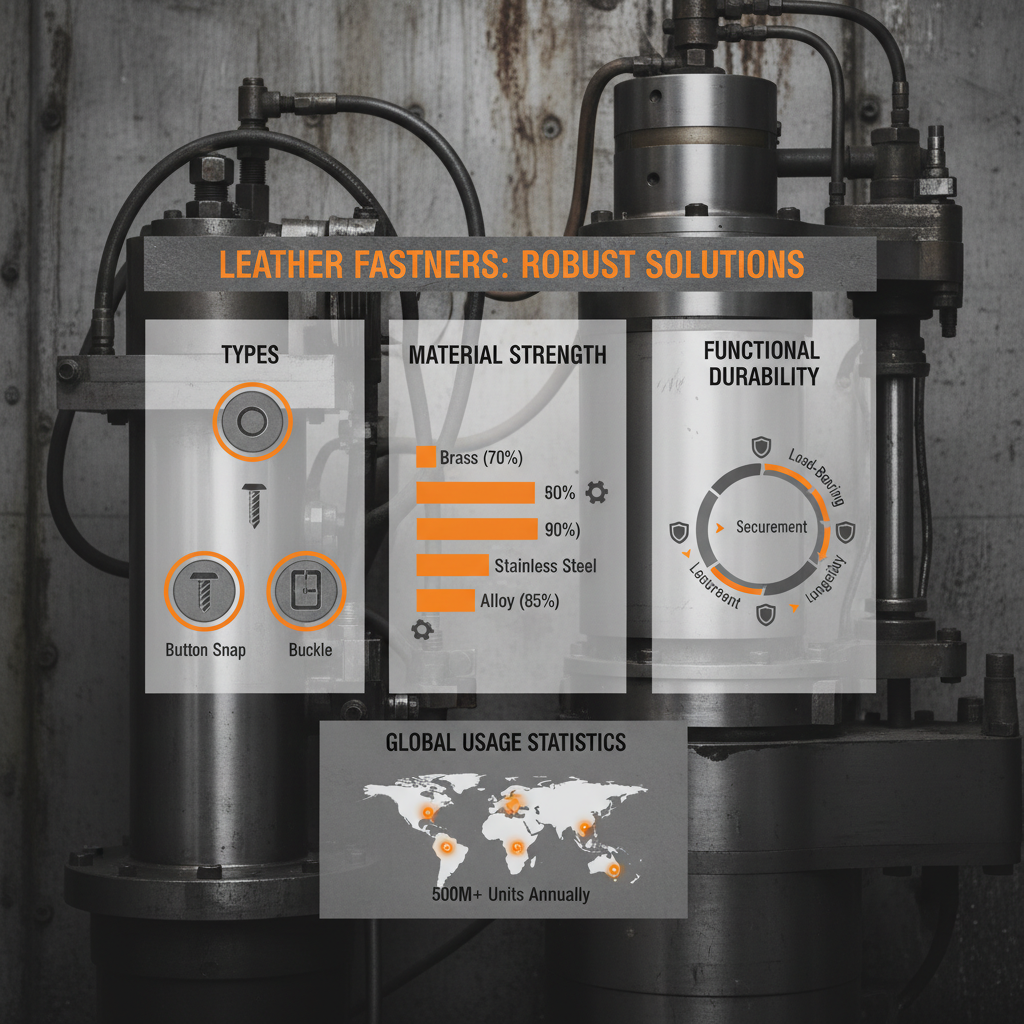
Exploring the World of Leather Fasteners Applications and Innovations

Introduction to leather fasteners

Exploring the World of Leather Fasteners Applications and Innovations

Leather fasteners represent a diverse category of joining elements specifically designed for use with leather materials. They’re integral to crafting durable and aesthetically pleasing leather products, ranging from simple belts and wallets to complex equestrian gear and high-end furniture. The design and material choices significantly impact the lifespan and performance of the finished item.

The evolution of leather fasteners has mirrored the broader advancements in materials science and manufacturing techniques. Historically, these fasteners were primarily made of metal, wood, or even bone. Today, plastic, specialized alloys, and innovative hybrid materials are increasingly common, offering enhanced strength, corrosion resistance, and aesthetic options. This constant improvement ensures that leather fasteners continue to meet the demands of modern applications.

Defining Leather Fasteners

Leather fasteners are components used to join or secure pieces of leather together, or to attach leather to other materials. Unlike general-purpose fasteners, they are often specifically chosen or designed to accommodate the unique properties of leather – its flexibility, susceptibility to stretching, and potential for cracking. This requires careful consideration of factors like hole placement, fastener shape, and the applied force.

The definition extends beyond simple buckles and snaps. It encompasses rivets, studs, zippers, laces, Velcro, and even specialized adhesives formulated for leather bonding. Each type of fastener offers a different balance of strength, ease of use, and aesthetic impact. Selecting the appropriate fastener depends heavily on the intended application and desired aesthetic.

The connection to modern industry is clear. High-quality leather fasteners are fundamental to the production of durable and stylish goods, supporting both luxury brands and everyday consumer products. Furthermore, they are vital in specialized sectors like medical supports, automotive interiors, and protective gear where reliability and performance are paramount.

Core Characteristics of leather fasteners

Durability is paramount for any leather fastener. Leather goods are often expected to withstand significant wear and tear, and the fasteners must hold up under constant stress and environmental exposure. This necessitates the use of robust materials and secure fastening mechanisms. A poorly chosen fastener can lead to premature failure of the entire product.

Aesthetic integration is another critical characteristic. Leather fasteners are rarely hidden; they often serve as a design element, contributing to the overall look and feel of the product. Matching the fastener’s finish, shape, and style to the leather and the intended aesthetic is crucial for a cohesive and high-quality appearance.

Ease of use is also essential, particularly in applications where frequent adjustments or repairs are anticipated. Fasteners like buckles and snaps should be easily operated without causing damage to the leather. This consideration is especially important for items like belts, bags, and footwear.

Key Aspects of leather fasteners Performance

Corrosion resistance is a vital aspect, particularly in environments with high humidity or exposure to salt water. Metal fasteners used with leather should be treated or manufactured from materials resistant to corrosion to prevent staining or weakening of the leather over time. Stainless steel and specialized coatings are often employed to address this issue.

Leather Fastener Performance Metrics


Applications Across Industries

The fashion industry represents a major consumer of leather fasteners, utilizing them extensively in handbags, shoes, belts, and apparel. High-end designers often prioritize aesthetic integration and durability, demanding fasteners that complement the luxury materials used.

The equestrian industry relies heavily on robust leather fasteners for saddles, bridles, and other gear. These applications require exceptional strength and reliability to withstand the rigors of equestrian activities. Stainless steel and brass are common choices for these demanding applications.

Automotive interiors frequently incorporate leather upholstery and trim, secured using specialized fasteners designed to withstand temperature fluctuations and vibrations. These fasteners often need to meet stringent safety standards and contribute to the overall aesthetic of the vehicle's cabin.

Advantages and Value Proposition

Using appropriate leather fasteners translates directly into increased product lifespan. A secure and well-chosen fastener prevents premature failure, reducing the need for repairs or replacements. This is a significant cost saving for both consumers and manufacturers.

Aesthetically, quality leather fasteners enhance the perceived value of a product. A well-integrated fastener can elevate the overall design and craftsmanship, attracting discerning customers who appreciate attention to detail.

From a sustainability standpoint, choosing durable fasteners reduces waste. By extending the life of leather goods, we minimize the demand for new production, conserving resources and reducing environmental impact.

Future Trends and Innovations in leather fasteners

Bio-based polymers are emerging as a sustainable alternative to traditional plastics in leather fastener manufacturing. These materials offer reduced carbon footprints and lower reliance on fossil fuels, aligning with growing environmental concerns.

Smart fasteners incorporating RFID or NFC technology are being developed for applications like inventory management and anti-counterfeiting measures. These technologies enable tracking and authentication, enhancing supply chain security.

Additive manufacturing (3D printing) is revolutionizing fastener design, allowing for the creation of customized shapes and intricate features tailored to specific leather applications. This offers increased design flexibility and reduced material waste.

Summary of Key Considerations for Future Leather Fastener Development

Material Innovation Technological Integration Sustainability Impact Performance Enhancement
Bio-based polymers RFID/NFC Integration Reduced Carbon Footprint Increased Durability
Recycled Metals Smart Fasteners Waste Reduction Enhanced Corrosion Resistance
Plant-Based Leather Alternatives Automated Inspection Circular Economy Improved Load Capacity
Biodegradable Coatings Digital Twins for Design Responsible Sourcing Minimized Weight
Self-Healing Materials AI-Powered Quality Control Ethical Production Reduced Maintenance
Graphene-Enhanced Composites Predictive Maintenance Systems Reduced Environmental Impact Optimal Performance

FAQS

What are the most common types of leather fasteners used in high-end handbags?

High-end handbags typically employ a combination of several leather fastener types. Rivets are frequently used for reinforcing stress points and attaching handles, while concealed snaps are favored for closures where a clean aesthetic is desired. Buckles, often crafted from polished metals, are common for straps, and zippers, particularly those with designer pulls, are utilized for secure compartment closures. The choice often depends on the bag's style, function, and brand identity. The goal is always durability and a luxurious appearance.

How can I prevent leather from cracking around rivet or buckle holes?

Preventing cracking around fastener holes requires careful preparation and installation. Before punching holes, use a leather conditioning balm to soften the leather. Utilize a hole punch specifically designed for leather, avoiding twisting or excessive force. Consider reinforcing the hole with a leather washer or using a rivet with a wide flange to distribute stress. Regular conditioning of the leather around the fasteners will also help maintain its flexibility and prevent cracking over time.

What's the difference between a spur and a snap fastener for leather?

Spurs and snaps are both commonly used to join leather pieces, but they function differently. A spur uses a post and a receiving socket – it’s a more permanent closure, usually requiring a special tool to separate. Snaps, on the other hand, consist of two interlocking metal pieces that are easier to open and close without tools. Snaps are generally used for less demanding closures like pockets or flaps, while spurs are more common for heavier-duty applications like belts or straps.

Are there eco-friendly alternatives to traditional metal leather fasteners?

Yes, several eco-friendly alternatives are emerging. Bio-based plastics derived from renewable resources are gaining traction as a substitute for traditional plastic fasteners. Using recycled metals, such as stainless steel or aluminum, significantly reduces the environmental impact compared to virgin materials. Furthermore, innovative materials like mushroom leather (Mylo) can be combined with biodegradable fasteners for a fully sustainable solution.

How do I choose the correct size rivet for a specific leather thickness?

Selecting the correct rivet size is crucial for a secure and aesthetically pleasing result. The rivet's length must be sufficient to pass through both layers of leather and provide enough material for flaring. Consult a rivet size chart, which typically correlates leather thickness with rivet length. A good rule of thumb is to ensure the rivet extends at least 2-3mm beyond the leather on the flared side. Using a rivet that's too short will result in a weak connection, while one that’s too long can be unsightly.

What are the best practices for maintaining leather fasteners to prevent corrosion?

Regular maintenance is key to preventing corrosion. Keep leather goods clean and dry, especially those exposed to moisture. Periodically apply a leather conditioner to protect the leather and fasteners from the elements. For metal fasteners, a light coating of beeswax or a specialized metal protectant can provide an additional layer of defense against corrosion. Avoid storing leather items in damp environments or directly in sunlight, as these conditions accelerate corrosion.

Conclusion

In conclusion, leather fasteners are more than just components; they’re essential elements defining the functionality, durability, and aesthetic appeal of countless products. From the choice of material and design to installation techniques and future innovations, a deep understanding of leather fasteners is crucial for professionals across diverse industries. Sustainable practices and emerging technologies will continue to shape this field, driving improvements in both performance and environmental responsibility.

Looking ahead, the leather fastening industry will likely see increased adoption of bio-based materials, smart fasteners, and advanced manufacturing processes. Continued research and development, coupled with a commitment to sustainability, will unlock even greater potential for leather fasteners to meet the evolving needs of a global market. To explore the possibilities and discover premium leather fastening solutions, visit our website: www.lzfasteners.com.

Brian Wilson

Brian Wilson

Brian Wilson is a seasoned Sales Manager at LongZe, responsible for developing and maintaining strong customer relationships. He joined LongZe in 2016, bringing with him a wealth of experience in the fastener industry. Brian is known for his customer-centric approach and his ability to understand and meet diverse client needs.
Previous The Essential Guide to Toggle Fasteners Applications and Future Trends
Next Optimizing Energy Efficiency with High Performance Insulation Fasteners

Need Help?
Drop us a message using the form below.

en_USEnglish