Fastener for sale are the unsung heroes of modern infrastructure and manufacturing. From the towering skyscrapers that define city skylines to the intricate mechanisms within our everyday devices, these essential components hold everything together. Understanding the nuances of fastener for sale – their types, materials, applications, and emerging trends – is crucial for professionals across countless industries, driving efficiency, safety, and innovation. This guide provides a comprehensive overview of the world of fasteners, exploring their global significance and practical applications.
The global fastener market is a multi-billion dollar industry, demonstrating consistent growth driven by construction, automotive, aerospace, and general industrial manufacturing. According to recent reports, the market is expected to continue expanding, fueled by increasing infrastructure development in emerging economies and the rising demand for lightweight materials in transportation. Effective fastener for sale management is essential not just for project completion, but for long-term structural integrity and minimizing costly failures.
The increasing complexity of modern engineering demands increasingly sophisticated fastener solutions. This requires a deep understanding of material science, manufacturing processes, and quality control. This guide will delve into these areas, providing insights into the factors influencing fastener selection, performance, and overall value. Choosing the right fastener for sale can significantly reduce project costs, enhance product reliability, and contribute to a more sustainable future.
The Importance of Fastener for Sale
The availability of reliable fastener for sale is foundational to countless industries. Without these seemingly small components, large-scale projects would be impossible to realize. Choosing the appropriate fastener for sale can significantly impact the structural integrity, longevity, and overall safety of any assembly. Sourcing from reputable suppliers is therefore paramount to guarantee quality and performance.
The global supply chain for fastener for sale is complex, involving numerous manufacturers, distributors, and end-users. Understanding this network and identifying trusted partners is crucial for ensuring a consistent supply of high-quality fasteners at competitive prices. A strategic approach to fastener for sale procurement can lead to significant cost savings and improved operational efficiency.
Understanding Fastener for Sale: A Global Perspective
The demand for fastener for sale is directly correlated with global economic activity, particularly in the construction and manufacturing sectors. Regions experiencing rapid industrialization, such as Asia-Pacific, represent significant growth markets for fastener suppliers. The United Nations’ Sustainable Development Goals (SDGs) also influence demand, driving the need for durable and reliable infrastructure in developing countries.
The fastener industry is also heavily influenced by international standards and regulations, such as those set by the International Organization for Standardization (ISO). Adherence to these standards ensures consistent quality and compatibility across different regions. Companies involved in international trade must navigate these regulations carefully to avoid compliance issues.
One challenge facing the fastener industry is the increasing prevalence of counterfeit products. These substandard fasteners can compromise structural integrity and pose significant safety risks. Robust quality control measures and vigilant supply chain monitoring are essential to combat counterfeiting and protect end-users. A reliable source for fastener for sale is crucial for maintaining safety standards.
Defining Fastener for Sale and Its Role
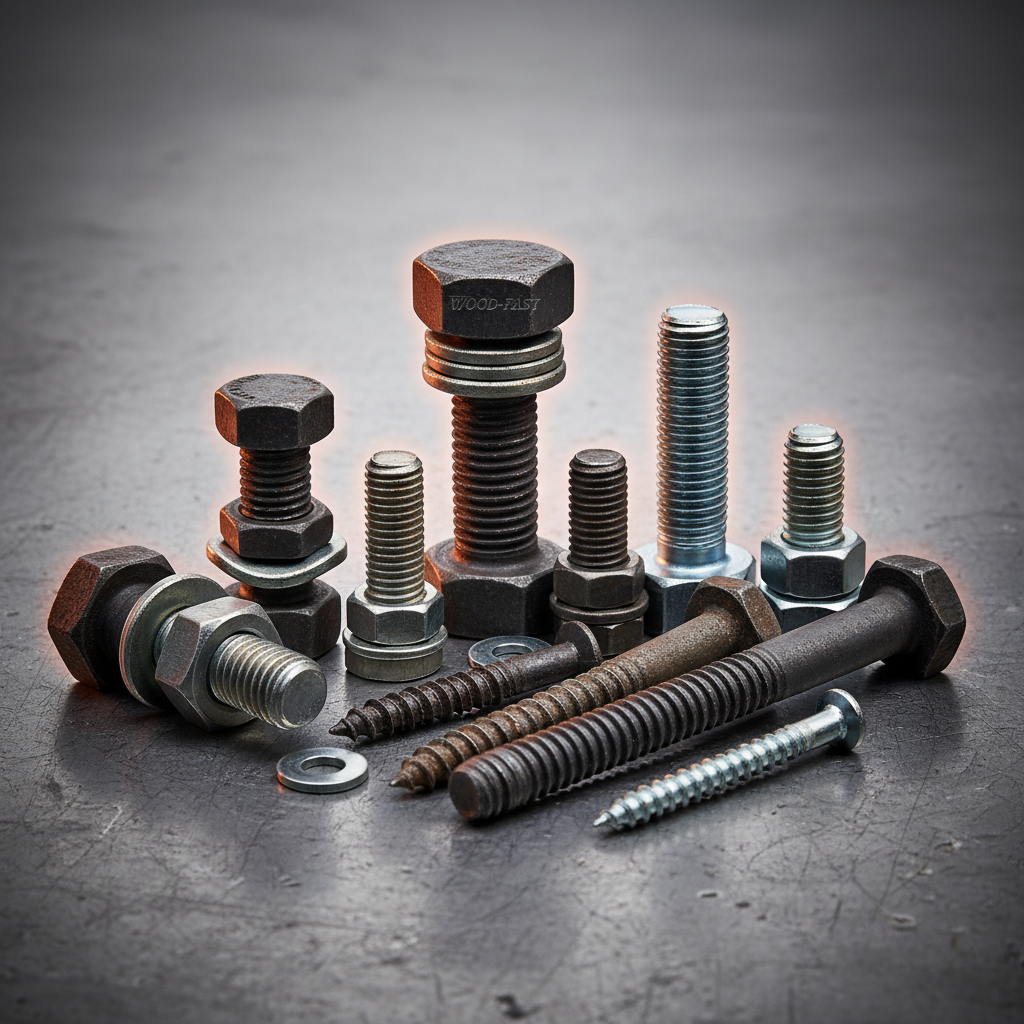
Fastener for sale encompasses a wide range of mechanical components used to join materials together. These include bolts, screws, nuts, rivets, washers, and anchors, each designed for specific applications and load-bearing requirements. Understanding the different types of fasteners and their properties is essential for selecting the appropriate component for a given task.
The role of fastener for sale extends far beyond simple joining. They are critical for ensuring the structural integrity of buildings, bridges, vehicles, and countless other products. Properly selected and installed fasteners contribute to safety, reliability, and longevity, minimizing the risk of failures and costly repairs.
In modern industry, fastener for sale are often viewed as commodity items, but their importance should not be underestimated. Investing in high-quality fasteners and employing best practices for installation can yield significant long-term benefits, reducing maintenance costs and enhancing overall product performance. fastener for sale are often available in a variety of materials to suit a broad range of conditions.
Key Characteristics of Quality Fastener for Sale
Several key characteristics define a high-quality fastener for sale. First and foremost is material composition. The material must be appropriate for the intended application, considering factors like strength, corrosion resistance, and temperature tolerance. Common materials include carbon steel, stainless steel, aluminum, and titanium.
Secondly, mechanical properties such as tensile strength, yield strength, and hardness are critical. These properties determine the fastener's ability to withstand loads and resist deformation. Thirdly, dimensional accuracy is essential for ensuring proper fit and function. Fasteners must be manufactured to precise tolerances to guarantee a secure and reliable connection.
Fastener for Sale Performance Metrics
Global Applications and Use Cases of Fastener for Sale
Fastener for sale are ubiquitous across a diverse range of industries. In the construction sector, they are fundamental to building structures, securing roofing, and installing facades. The automotive industry relies heavily on fasteners for assembling vehicle components, ensuring safety and performance.
Aerospace applications demand high-strength, lightweight fasteners capable of withstanding extreme temperatures and stresses. Manufacturing processes across all sectors utilize fasteners to assemble products, from electronics to machinery. Even in post-disaster relief operations, fastener for sale play a crucial role in erecting temporary shelters and repairing damaged infrastructure.
Advantages and Long-Term Value of Fastener for Sale
Investing in quality fastener for sale offers significant long-term value. Durable fasteners reduce the need for frequent replacements, minimizing maintenance costs and downtime. Choosing corrosion-resistant materials extends the lifespan of structures and equipment, protecting against environmental damage.
Properly installed fasteners contribute to enhanced safety and reliability, reducing the risk of accidents and failures. Furthermore, utilizing sustainable fastener materials and manufacturing processes promotes environmental responsibility and aligns with corporate social responsibility goals.
The peace of mind that comes with knowing your assembly is securely fastened is invaluable. Reliable fasteners foster trust and confidence in the products and structures they support, protecting your reputation and bottom line.
Future Trends and Innovations in Fastener for Sale
The fastener industry is undergoing a period of rapid innovation. Emerging trends include the development of self-locking fasteners that eliminate the need for separate locking devices, and smart fasteners equipped with sensors to monitor stress and detect potential failures.
The increasing adoption of lightweight materials, such as composites and plastics, is driving demand for specialized fasteners designed to bond effectively with these materials. Digitalization and automation are also transforming the manufacturing process, enabling greater precision and efficiency.
Sustainability is a major driver of innovation, with manufacturers exploring the use of recycled materials and eco-friendly coatings. The integration of additive manufacturing (3D printing) offers the potential to create customized fasteners with complex geometries, tailored to specific applications.
Summary of Key Innovation Areas in Fastener Technology
| Innovation Area |
Technology Description |
Impact on Fastener for Sale |
Implementation Timeline |
| Smart Fasteners |
Fasteners with integrated sensors that monitor stress, torque, and temperature. |
Proactive failure detection, predictive maintenance, improved safety. |
5-10 years |
| Additive Manufacturing |
3D printing of fasteners with complex geometries and customized materials. |
Reduced lead times, design flexibility, optimized performance. |
2-5 years |
| Self-Locking Fasteners |
Fasteners with integrated locking mechanisms that eliminate the need for separate components. |
Simplified assembly, reduced costs, improved reliability. |
Currently available |
| Biomimicry in Fastener Design |
Inspired by natural structures (e.g., bone, spider silk) to create more efficient and resilient fasteners. |
Enhanced strength-to-weight ratio, improved impact resistance, sustainable materials. |
5-15 years |
| Sustainable Materials |
Use of recycled metals, bioplastics, and other eco-friendly materials in fastener manufacturing. |
Reduced environmental impact, circular economy principles. |
Ongoing |
| Automated Quality Control |
Implementation of AI-powered vision systems and robotic inspection for precise fastener quality assessment. |
Improved accuracy, reduced defects, enhanced process efficiency. |
2-5 years |
FAQS
When selecting fasteners for outdoor use, corrosion resistance is paramount. Opt for materials like stainless steel, hot-dip galvanized steel, or those with specialized protective coatings. Consider the environment – saltwater exposure requires more robust corrosion protection than freshwater. Also, factor in the expected temperature fluctuations, as these can impact fastener performance. Proper sealant application can also extend the lifespan of fasteners exposed to the elements.
Determining the correct fastener size and strength involves calculating the load requirements of your application. Consider tensile, shear, and bending forces. Consult engineering tables and standards to determine the appropriate diameter, length, and grade of fastener. Over-specifying can lead to unnecessary costs, while under-specifying can compromise safety and structural integrity. If unsure, it’s always best to consult with a qualified engineer.
Bolts are typically used with nuts to clamp materials together, while screws thread directly into the material being fastened. Bolts generally have a wider tolerance for hole size and are better suited for applications where frequent disassembly is required. Screws offer a more secure and permanent connection, and are often used in thinner materials. The choice depends on the application and desired level of holding power.
Preventing fastener corrosion starts with selecting the appropriate material for the environment. Applying protective coatings like galvanization, zinc plating, or powder coating can also enhance corrosion resistance. Regularly inspect fasteners for signs of corrosion and replace them as needed. Using compatible materials (avoiding dissimilar metal contact) can minimize galvanic corrosion. Proper lubrication can also help prevent corrosion.
Always wear appropriate personal protective equipment (PPE), including safety glasses and gloves, when working with fasteners. Avoid over-tightening, as this can strip threads or damage the materials being joined. Use the correct tools for the job and ensure they are in good working condition. Be mindful of pinch points and potential hazards associated with power tools. Follow manufacturer's instructions for proper installation and torque specifications.
Sourcing from reputable suppliers is crucial for ensuring quality and reliability. Look for suppliers with established quality control processes and certifications. Check their product specifications and ensure they meet your application requirements. LZ Fasteners is a trusted provider of high-quality fasteners for a wide range of industries. Review customer testimonials and seek recommendations from industry peers to make an informed decision.
Conclusion
In conclusion, understanding fastener for sale – their types, materials, applications, and emerging trends – is essential for professionals across numerous industries. Investing in high-quality fasteners and employing best practices for installation contribute to safety, reliability, and long-term cost savings. As technology advances and sustainability becomes increasingly important, the fastener industry continues to innovate, offering solutions to meet the evolving needs of modern engineering.
Looking ahead, the future of fastener for sale lies in the integration of smart technologies, sustainable materials, and automated manufacturing processes. By embracing these innovations, we can create more resilient, efficient, and environmentally friendly infrastructure and products. For a reliable source of premium fastener for sale, explore our comprehensive catalog and expert services.






 English
  Afrikaans
  Arabic
  Bengali
  Bulgarian
  French
  German
  Hindi
Hindi  Indonesian
  Italian
  Japanese
  Korean
  Malay
Malay  Portuguese
  Russian
  Spanish
  Thai
Thai  Turkish
  Urdu
Urdu  Vietnamese