



Premium Metric Fasteners: Stainless & Steel Threaded Solutions
The Indispensable Role of Metric Fasteners in Modern Industry
In the realm of B2B manufacturing and industrial infrastructure, precision and reliability are paramount. At the core of robust mechanical assemblies and structural integrity lie metric fasteners, components engineered to meet stringent international standards for dimensional accuracy and performance. These essential elements ensure secure connections across diverse applications, from heavy machinery to delicate electronic systems. Our focus here is to delve into the intricate world of these critical components, exemplified by products like the Round Head Solid Steel Rivet, which represent the pinnacle of fastening technology.
The demand for high-quality metric fasteners spans numerous sectors, necessitating a deep understanding of their manufacturing, technical specifications, and application benefits. This article provides a comprehensive overview for engineers, procurement specialists, and project managers seeking to optimize their fastening solutions.
Precision Manufacturing: The Journey of Metric Fasteners
The manufacturing of high-performance metric fasteners is a sophisticated process, demanding rigorous control over materials, forming, and finishing. Taking the Round Head Solid Steel Rivet as an example, the typical process flow ensures superior mechanical properties and consistent quality.
Process Flow for Solid Steel Rivets:
- 1. Material Selection: The foundation of any reliable fastener is its material. For solid steel rivets, high-strength alloy steels (e.g., carbon steel, alloy steel) are selected based on the required tensile strength, shear strength, and fatigue resistance. These materials adhere to standards like ASTM A31/A502 or DIN 679/660, ensuring metallurgical integrity.
- 2. Wire Drawing & Annealing: Raw steel rod is drawn through dies to achieve the precise diameter required for the fastener. This process enhances strength. Annealing, a heat treatment, then softens the wire, making it pliable for subsequent forming operations.
- 3. Cold Heading/Cold Forging: This is the primary forming process for rivets. High-speed, multi-die cold heading machines precisely shear sections of wire and form the rivet head (e.g., round head) without heating the material above its recrystallization temperature. Cold working significantly increases the material's strength and improves surface finish, minimizing material waste compared to machining.
- 4. Thread Rolling (for Threaded Fasteners): For threaded fasteners, the shank is rolled between dies to create the threads. This process, unlike cutting, maintains the material grain flow, resulting in stronger, more fatigue-resistant threads.
- 5. Trimming & Pointing: Excess material (flash) is trimmed from the rivet head, and the end is formed into a precise point or chamfer, aiding installation.
- 6. Heat Treatment: For specific applications requiring enhanced hardness and strength, fasteners undergo heat treatment processes such as quenching and tempering. This fine-tunes the material's microstructure for optimal mechanical properties.
- 7. Surface Treatment/Coating: To improve corrosion resistance, lubricity, or appearance, fasteners may undergo processes like zinc plating, hot-dip galvanizing, phosphating, or application of specialized coatings. For stainless steel fasteners, passivation is crucial to enhance their inherent corrosion resistance.
- 8. Quality Control & Testing: Throughout the entire process, stringent quality control measures are implemented. This includes dimensional checks, material composition analysis (spectrometry), mechanical testing (tensile, shear, hardness, impact), and non-destructive testing (NDT) to ensure compliance with international standards such as ISO 898-1, ANSI B18.2.1, and DIN EN ISO 4014. These tests ensure a predictable service life, often exceeding decades in static applications, and verifiable performance under dynamic loads.
- 9. Packaging & Dispatch: Finished fasteners are carefully packaged to prevent damage and contamination during transit, ready for global distribution.
Target Industries & Advantages: These robust steel fasteners are indispensable in critical sectors like petrochemical (pipelines, refineries), metallurgy (furnaces, structural frames), water supply & drainage (pipe joints, infrastructure), construction (bridges, buildings), and automotive (chassis, engine mounts). In these demanding environments, the advantages of using precisely manufactured solid steel rivets include superior fatigue resistance, high shear strength, and excellent vibration dampening, leading to enhanced structural integrity and reduced maintenance costs over their long service life.
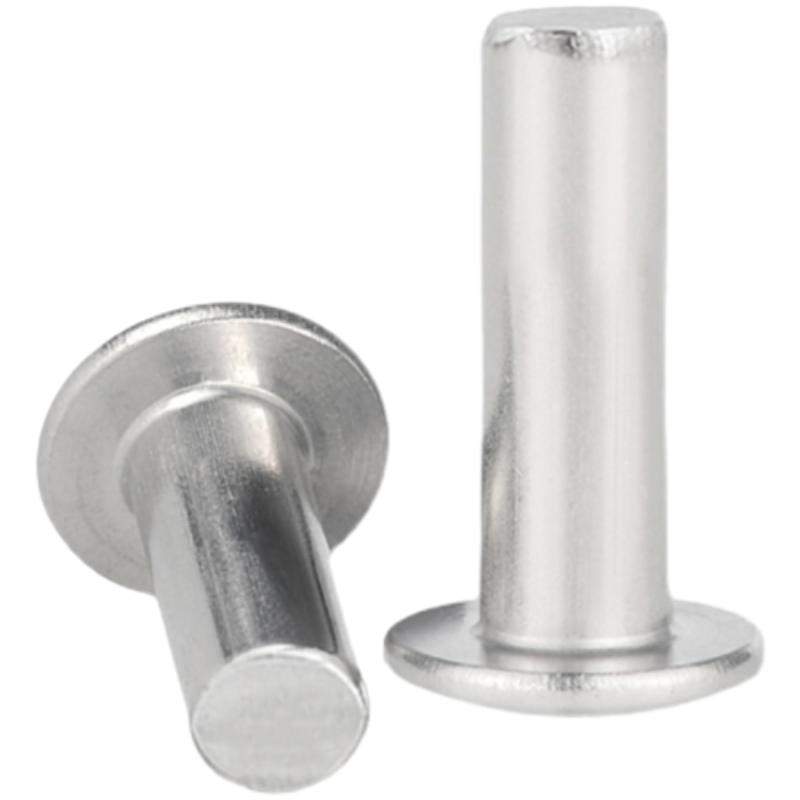
Figure 1: Illustration of cold heading for metric fasteners manufacturing.
Current Industry Trends in Fastener Technology
The fastener industry is dynamic, continually evolving to meet new engineering challenges and regulatory demands. Several key trends are shaping the future of metric fasteners:
- Advanced Materials: Beyond traditional steel, there's a growing demand for fasteners made from advanced alloys (e.g., Inconel, Monel) and composite materials for extreme environments requiring superior strength-to-weight ratios or specialized corrosion resistance, especially notable for applications currently using stainless fasteners.
- Smart Fasteners: Integration of sensors into fasteners for real-time monitoring of tension, vibration, and temperature. This trend is crucial for preventative maintenance and enhancing safety in critical infrastructure.
- Sustainability & Lightweighting: Driven by environmental regulations and efficiency goals, there's a push for lighter fasteners that reduce overall product weight and improve fuel efficiency in automotive and aerospace sectors. Sustainable manufacturing practices are also gaining traction.
- Automation & AI in Manufacturing: Fastener production lines are becoming increasingly automated, leveraging AI for defect detection, predictive maintenance, and optimizing manufacturing parameters, leading to higher precision and reduced lead times.
- Global Standardization: The adoption of international standards like ISO and DIN continues to strengthen, ensuring interoperability and consistent quality across global supply chains. This is particularly vital for panel fasteners and other components used in multinational projects.
Technical Specifications and Performance Parameters
Understanding the technical specifications of metric fasteners is critical for ensuring optimal performance and safety in any application. These parameters define the fastener's structural integrity, load-bearing capacity, and suitability for specific environmental conditions. For a Round Head Solid Steel Rivet, key parameters include its nominal diameter, length, head dimensions, material grade, and surface finish.
Typical Specifications for Round Head Solid Steel Rivet (Example):
| Parameter | Description | Typical Value/Standard |
|---|---|---|
| Material Grade | Carbon Steel (e.g., C1008, C1010, C1035), Alloy Steel | ASTM A31, A502 Gr. 1, DIN 679/660 |
| Nominal Diameter (D) | Shank diameter before upsetting | 2mm to 30mm (M2 to M30) |
| Length (L) | Length from under head to end of shank | Up to 200mm (depends on D) |
| Head Diameter (Dk) | Diameter of the round head | Approx. 1.75 x D |
| Head Height (k) | Height of the round head | Approx. 0.7 x D |
| Tensile Strength | Maximum stress material can withstand before breaking | 350 - 600 MPa (Grade dependent) |
| Shear Strength | Resistance to shearing forces | 200 - 350 MPa (Grade dependent) |
| Hardness | Resistance to indentation | 70-90 HRB (Rockwell B) |
| Surface Finish | Plain, Zinc Plated, Hot-Dip Galvanized, Phosphate, etc. | ISO 4042, ASTM B695 |
| Tolerance Class | Precision of dimensions | ISO 2768-1 m, ISO 4759-1 |
These specifications are crucial for engineers designing assemblies that require reliable and consistent performance. The adherence to international standards ensures interchangeability and compatibility, a vital aspect for global manufacturing and repair operations.
Versatile Application Scenarios
The versatility of metric fasteners makes them indispensable across a multitude of industries. Their standardized dimensions facilitate integration into international designs, while their robust construction ensures structural integrity in demanding environments.
- Construction & Infrastructure: In large-scale structural steelwork, bridges, and commercial buildings, heavy-duty steel fasteners are used for critical connections, providing high shear resistance and long-term stability. The ability to form permanent, tamper-resistant joints is vital.
- Automotive Industry: From chassis assembly to engine components, various metric fasteners ensure safety and performance under dynamic loads, vibration, and temperature fluctuations. Precision is key to vehicle reliability.
- Marine & Offshore: Due to harsh saltwater environments, stainless steel fasteners and specialized corrosion-resistant alloys are paramount for shipbuilding, offshore platforms, and subsea equipment, preventing galvanic corrosion and ensuring operational longevity.
- Manufacturing & Heavy Machinery: Securely joining components in industrial machinery, robotics, and manufacturing lines. The reliability of these connections directly impacts operational efficiency and safety.
- Energy Sector: Fasteners for power generation equipment, wind turbines, and petrochemical facilities must withstand extreme temperatures, pressures, and corrosive agents. This often necessitates high-strength threaded fasteners with specialized coatings.
- Furniture & Joinery: While not heavy industrial, specialized fasteners like newel post fastener components require precision and aesthetic consideration, often involving unique designs for specific timber or composite applications.
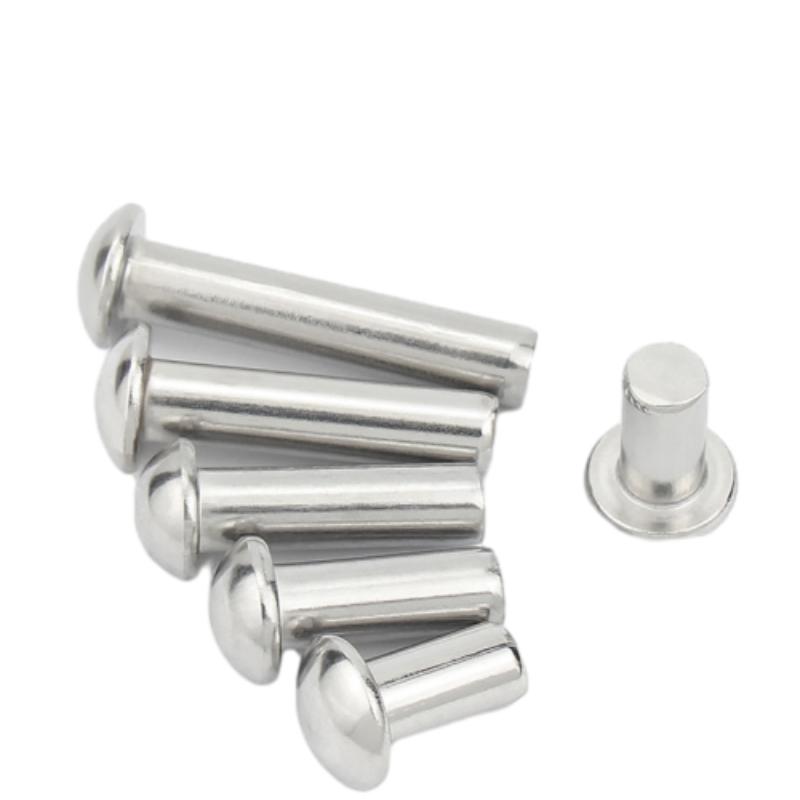
Figure 2: Diverse applications of robust metric fasteners.
Technical Advantages of High-Quality Metric Fasteners
Investing in high-quality metric fasteners yields significant technical advantages that translate into long-term cost savings and enhanced operational safety.
- Superior Strength and Durability: Engineered from high-grade materials and manufactured with precision cold-forming, these fasteners offer exceptional tensile, shear, and fatigue strength, ensuring robust and long-lasting connections even under extreme dynamic loads or static stresses.
- Corrosion Resistance: Options such as stainless steel fasteners (304, 316 grades) or specially coated steel fasteners provide excellent resistance to environmental degradation, critical in outdoor, marine, or chemical processing applications. This minimizes downtime and extends the life of assemblies.
- Dimensional Accuracy & Interchangeability: Adherence to ISO, DIN, and ANSI metric standards guarantees precise dimensions, ensuring perfect fit, simplified assembly, and global interchangeability of components, which is vital for multinational projects and maintenance.
- Enhanced Vibration Resistance: Properly designed and installed fasteners, particularly rivets, offer inherent vibration resistance, crucial in machinery and vehicles, preventing loosening and catastrophic failures.
- Cost-Effectiveness Through Longevity: While initial investment might be slightly higher, the extended service life, reduced maintenance, and avoidance of catastrophic failures far outweigh the marginal cost difference, leading to a lower total cost of ownership.
Vendor Comparison: Factors for Selection
Selecting the right vendor for metric fasteners is as crucial as selecting the fasteners themselves. B2B decision-makers must evaluate several key factors beyond just price:
Key Vendor Evaluation Criteria:
- Quality Certifications: Look for vendors with ISO 9001 (Quality Management System), ISO 14001 (Environmental Management), and specific product certifications (e.g., CE marking). This demonstrates a commitment to consistent quality and adherence to international standards.
- Technical Expertise & Support: A vendor should offer in-depth technical assistance, including material selection, design optimization, and application engineering support.
- Customization Capabilities: The ability to provide tailored solutions for unique project requirements, including custom dimensions, materials, and coatings.
- Lead Times & Logistics: Reliable lead times and efficient global logistics are essential for minimizing project delays and managing supply chain costs.
- Testing & Traceability: Robust in-house testing facilities and full material traceability from raw material to finished product provide assurance of quality and compliance.
- Customer Service & Warranty: Comprehensive pre-sales and after-sales support, coupled with clear warranty commitments, are indicators of a trustworthy partner.
Fastener Type Comparison (Illustrative):
| Feature | Solid Rivet (e.g., Round Head Steel Rivet) | Standard Bolt & Nut (Threaded Fastener) | Blind Rivet (Panel Fastener) |
|---|---|---|---|
| Joint Type | Permanent | Dismountable | Permanent (Single-sided access) |
| Installation | Requires access to both sides, hammering/bucking | Requires access to both sides, wrenching | Requires access to one side, rivet gun |
| Vibration Resistance | Excellent | Good (can loosen without locking mechanisms) | Good |
| Strength (Shear/Tensile) | Very High (forms solid metal joint) | High (grade dependent) | Moderate to High |
| Material Cost | Lower per unit (simpler part) | Higher per unit (more complex) | Moderate to High |
| Typical Use | Aircraft, heavy structures, automotive | General machinery, structural, assemblies | Sheet metal, aerospace, electronics enclosures |
Customized Solutions for Unique Challenges
Many industrial applications present unique fastening challenges that cannot be met by off-the-shelf components. This is where customized metric fasteners become essential. Leading manufacturers offer comprehensive design and production services to create bespoke solutions.
- Tailored Dimensions: Precise lengths, diameters, and head configurations to fit specific assembly geometries.
- Specialty Materials: Utilization of exotic alloys (e.g., Titanium, Nickel-based alloys) for extreme temperature, chemical, or radiation environments.
- Optimized Coatings: Application of specialized coatings (e.g., PTFE, ceramic, anti-galling) to enhance corrosion resistance, reduce friction, or provide electrical insulation for specific stainless fasteners.
- Unique Head Styles & Drives: Custom head designs (e.g., extra low profile, flush, specific recessed drives) for aesthetic or functional requirements, like tamper-proofing.
- Performance Engineering: Collaborating with clients to engineer fasteners with specific load-bearing capacities, fatigue life, or installation characteristics.
This collaborative approach ensures that the fastener solution is perfectly aligned with the project's technical, operational, and economic objectives.
Application Case Studies: Proving Reliability
Real-world application demonstrates the tangible benefits of high-quality metric fasteners. Here are examples of where robust fastening solutions have made a significant impact:
-
Case Study 1: High-Speed Rail Bogie Assembly
A leading rail manufacturer required extremely high-strength, fatigue-resistant steel fasteners for bogie assemblies, capable of withstanding constant vibration and dynamic loads at speeds exceeding 300 km/h. Custom-engineered heat-treated alloy steel bolts, precisely manufactured to ISO 898-1 Class 10.9, were supplied. These fasteners demonstrated extended service life, reduced the frequency of inspection, and significantly enhanced the safety and operational reliability of the entire fleet. -
Case Study 2: Offshore Wind Turbine Tower Construction
For the construction of offshore wind turbine towers in the North Sea, 316L stainless steel fasteners were specified to resist severe marine corrosion and high cyclic loads. Large-diameter threaded rods and nuts, manufactured with meticulous surface passivation and stringent quality checks, ensured the structural integrity of the massive tower sections. This prevented premature material degradation and minimized costly underwater maintenance, maximizing energy generation uptime. -
Case Study 3: Petrochemical Plant Expansion
A major petrochemical client required specialized threaded fasteners for critical piping systems handling corrosive chemicals at elevated temperatures. Custom Inconel 625 bolts and nuts were provided, engineered for specific creep resistance and chemical inertness. The fasteners endured extreme operating conditions without failure, demonstrating superior performance and ensuring the safety and leak-free operation of the high-pressure system, resulting in substantial savings by avoiding unplanned shutdowns.
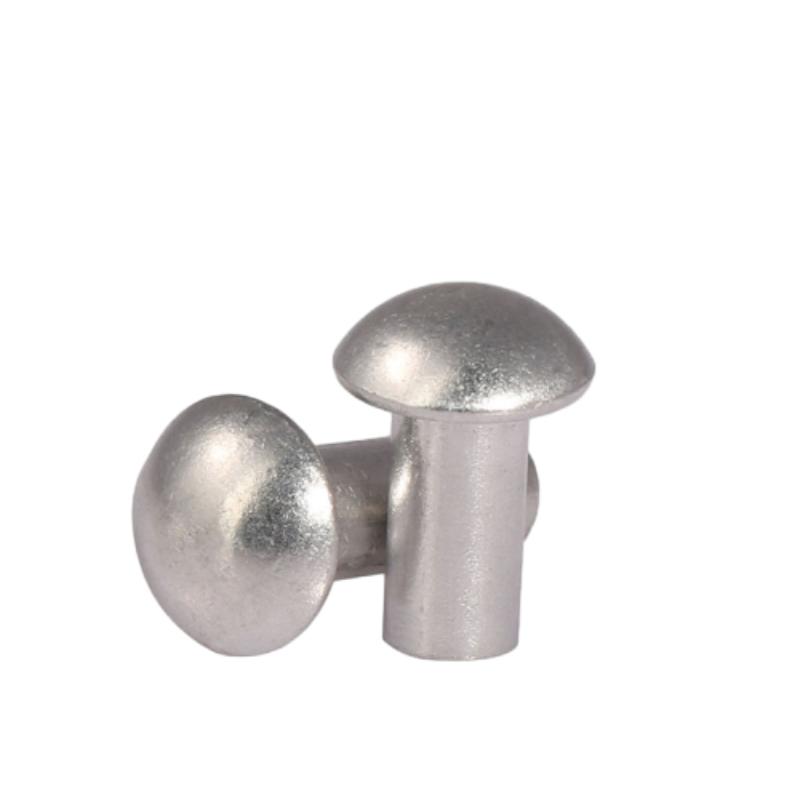
Figure 3: Rigorous quality control ensures the reliability of metric fasteners.
Trustworthiness & Support
Frequently Asked Questions (FAQ):
- Q1: What is the typical lead time for custom metric fasteners?
- A1: Lead times vary depending on material availability, complexity, and order volume. Standard items typically ship within 2-4 weeks, while custom orders may range from 6-12 weeks, with expedited options available upon request.
- Q2: What warranty is offered on your steel fasteners?
- A2: We stand by the quality of our products with a standard 1-year warranty against manufacturing defects from the date of purchase. Extended warranties are available for specific long-term projects and high-volume orders.
- Q3: Do you provide material test certificates for your stainless steel fasteners?
- A3: Yes, all our fasteners are supplied with full material traceability and corresponding Mill Test Certificates (MTCs), ensuring compliance with international standards such as EN 10204 3.1 or 3.2 upon request.
- Q4: How can I get technical support or assistance with product selection?
- A4: Our dedicated team of technical sales engineers is available for consultation. You can reach us via phone, email, or through our website's contact form for expert guidance on material selection, application design, and custom fastener solutions.
Lead Time & Fulfillment:
We maintain strategic inventory levels for standard metric fasteners to ensure rapid fulfillment. For specialized or custom orders, we work closely with clients to establish realistic production schedules and provide transparent communication throughout the manufacturing and delivery process. Our global logistics network is designed for efficient and timely delivery worldwide.
Warranty & After-Sales Support:
Beyond our standard product warranty, we offer comprehensive after-sales support, including troubleshooting, replacement part assistance, and technical advice for the entire lifespan of your project. Our commitment extends to ensuring complete customer satisfaction and the optimal performance of our fasteners in your applications.
Conclusion
The selection and implementation of metric fasteners are critical decisions that directly impact the safety, efficiency, and longevity of industrial applications. By understanding their detailed manufacturing processes, technical specifications, diverse applications, and the benefits of high-quality solutions, B2B stakeholders can make informed choices that drive operational excellence. Partnering with a reputable manufacturer that prioritizes expertise, quality, and comprehensive support ensures that projects are built on a foundation of reliability and performance.
The continuous innovation in fastener technology, from advanced materials to smart integration, underscores the evolving demands of modern industry. Embracing these advancements and ensuring strict adherence to global standards will continue to be paramount for success in an increasingly interconnected and technically demanding world.
References:
- ISO. International Organization for Standardization. ISO 898-1: Mechanical properties of fasteners made of carbon steel and alloy steel.
- ASTM International. ASTM A31/A31M: Standard Specification for Steel Rivets and Bars for Rivets, Pressure Vessels.
- DIN. Deutsches Institut für Normung. DIN 679: Rivets; small rivets, round head.
- European Committee for Standardization. EN 10204: Metallic products – Types of inspection documents.
- Screws, Bolts, and Fasteners. Technical handbook by Industrial Fasteners Institute (IFI).
Latest news
-
Reliable DIN 127 Spring Washers for Industrial Applications | LZ Fasteners
NewsDec.03,2025
-
Comprehensive Guide to DIN 126 Washer: Specifications, Uses & Benefits
NewsDec.03,2025
-
Durable and High-Quality Din 125a A2 Washers for Industry | LZ Fasteners
NewsDec.03,2025
-
Comprehensive Guide to DIN 125A Washers – Specifications, Applications & Vendors
NewsDec.03,2025
-
Din 125 Washer - Reliable Industrial Fastening Solutions from LZ Fasteners
NewsDec.03,2025
-
What is a DIN 125 Flat Washer? Global Significance, Specs & Vendors
NewsDec.03,2025
 English
  Afrikaans
  Arabic
  Bengali
  Bulgarian
  French
  German
  Hindi
Hindi  Indonesian
  Italian
  Japanese
  Korean
  Malay
Malay  Portuguese
  Russian
  Spanish
  Thai
Thai  Turkish
  Urdu
Urdu  Vietnamese