



Reliable 12mm Anchor Fastener | Premium Strength & Durability
Industry Trends in Advanced Fastening Solutions
The industrial landscape for fastening solutions is continually evolving, driven by demands for increased performance, efficiency, and sustainability. For critical components like the anchor fastener 12mm, innovation is paramount. Key trends include the proliferation of advanced material science, leading to fasteners with superior corrosion resistance and enhanced load-bearing capabilities. There's a growing emphasis on smart fastener integration, incorporating sensors for real-time monitoring of tension and structural integrity, especially in critical infrastructure projects.
Moreover, sustainable manufacturing practices and the use of recyclable materials are becoming non-negotiable. The expansion of renewable energy sectors, such as wind and solar, along with complex infrastructure developments, has spurred demand for highly reliable and durable fastening solutions. These trends necessitate a focus on precision engineering, robust testing, and tailored solutions that meet stringent industry standards, ensuring the longevity and safety of structures and equipment. The integration of digital tools for design and simulation further optimizes fastener selection and application, pushing the boundaries of what traditional `auto fasteners` can achieve in demanding industrial contexts.
Technical Specifications of the anchor fastener 12mm
The anchor fastener 12mm is a critical component in numerous structural and mechanical applications, designed for robust anchorage into concrete, masonry, and other base materials. Understanding its precise technical specifications is essential for engineers and project managers to ensure optimal performance and safety. This section delves into the material science, dimensional parameters, and performance metrics that define a high-quality 12mm anchor fastener.
Material Composition and Properties
High-performance anchor fastener 12mm units are typically manufactured from robust materials such as carbon steel (grades 4.6, 8.8, 10.9), stainless steel (AISI 304, 316, 316L), and specialized high-strength alloys for demanding environments. Carbon steel fasteners often undergo various surface treatments like hot-dip galvanizing, electro-galvanizing (zinc plating), or mechanical galvanizing to enhance corrosion resistance. Stainless steel variants, particularly 316L, offer superior resistance to chlorides and acidic conditions, making them ideal for marine or chemical processing applications. The choice of material directly impacts the fastener's tensile strength, shear strength, and long-term durability.
Key Parameters and Load Capacities
Beyond the nominal 12mm diameter, other crucial parameters include effective embedment depth, minimum edge distance, and spacing requirements, all governed by international standards such as ISO and ANSI. The load-bearing capacity, often expressed in kilonewtons (kN) for both tensile (pull-out) and shear forces, is a primary selection criterion. Torque requirements during installation are also vital to ensure proper expansion and securement without material fatigue.
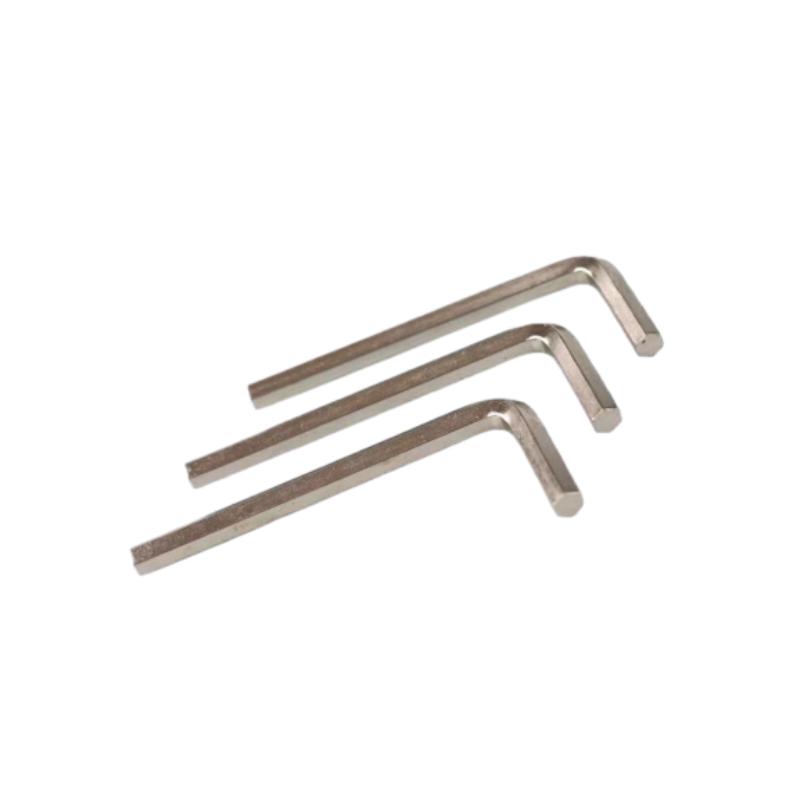
Table 1: Typical Specifications for a 12mm Wedge Anchor (Carbon Steel, Zinc Plated)
| Parameter | Value / Description | Unit / Standard |
|---|---|---|
| Nominal Diameter | 12 mm | Metric |
| Material Grade | Carbon Steel (8.8) | EN ISO 898-1 |
| Surface Treatment | Zinc Plated, Yellow Chromated | ISO 4042 |
| Overall Length Range | 80 - 200 mm | mm |
| Minimum Embedment Depth | 60 mm | mm |
| Ultimate Tensile Load (Concrete C20/25) | 25 kN | kN |
| Ultimate Shear Load (Concrete C20/25) | 35 kN | kN |
| Installation Torque | 40 Nm | Nm |
Note: Load capacities are for ideal conditions in uncracked concrete and may vary based on specific product design and application. Safety factors must always be applied.
The Manufacturing Process of a anchor fastener 12mm
The production of a high-quality anchor fastener 12mm involves a sophisticated multi-stage manufacturing process, ensuring precision, strength, and durability. Each step is meticulously controlled to meet stringent industrial standards.
Schematic Steps:
- Material Selection & Preparation: High-grade steel coils (e.g., SAE 1018, 10B21 for carbon steel; AISI 304/316 for stainless steel) are selected based on the required mechanical properties and corrosion resistance. The material is then descaled and lubricated.
- Cold Forging/Heading: The wire is fed into a cold heading machine, where it is cut to length and then sequentially formed into the desired anchor body shape (e.g., stud, sleeve, cone for wedge anchors) through a series of dies. This process increases material density and strength.
- Thread Rolling: Threads are formed onto the anchor's shaft using thread rolling dies. This method creates stronger, more uniform threads compared to cutting, as it rearranges the material's grain structure rather than cutting through it.
- Heat Treatment (for Carbon Steel): For enhanced mechanical properties, carbon steel anchors undergo heat treatment processes like hardening and tempering. This optimizes the fastener's strength, toughness, and ductility.
- Surface Finishing: To protect against corrosion and improve aesthetics, fasteners receive surface treatments. Common options for carbon steel include zinc plating (electro-galvanizing), hot-dip galvanizing, or specialized coatings like Dacromet or Geomet. Stainless steel fasteners typically undergo passivation to restore their passive oxide layer.
- Assembly & Secondary Operations: For multi-component anchors (e.g., wedge anchors with clips, nuts, washers), assembly is performed. Secondary operations like drilling, milling, or specific branding may also occur.
- Quality Control & Testing: Throughout the entire process, rigorous quality control checks are implemented. This includes dimensional inspections, material composition analysis (e.g., XRF), mechanical property testing (tensile strength, shear strength, hardness), salt spray testing for corrosion resistance, and critical pull-out tests to verify performance in target base materials. Adherence to standards like ISO 9001, ANSI/ASTM, and ETAG (European Technical Approval Guideline) is paramount.
- Packaging & Dispatch: Finished fasteners are carefully packaged to prevent damage during transit, ready for distribution to target industries.
The meticulous control over each manufacturing stage ensures a service life of decades for properly specified and installed anchor fastener 12mm units, especially when deployed in target industries such as petrochemical, metallurgy, and water supply & drainage, where corrosion resistance and long-term stability are non-negotiable advantages.
Technical Advantages of anchor fastener 12mm
The widespread adoption of the anchor fastener 12mm across various industrial sectors is testament to its inherent technical advantages. These advantages translate directly into enhanced project safety, longevity, and operational efficiency for B2B applications.
- Superior Load-Bearing Capacity: A 12mm anchor is engineered to handle substantial tensile and shear loads, making it suitable for securing heavy equipment, structural steel elements, and critical building components. This high capacity reduces the number of fasteners required, simplifying design and installation.
- Versatility Across Base Materials: These anchors are designed for reliable performance in diverse base materials, including uncracked and cracked concrete, solid masonry, and even certain types of structural steel. This adaptability makes them a versatile choice for complex construction and industrial projects.
- Exceptional Corrosion Resistance: With options like hot-dip galvanized carbon steel or various grades of stainless steel (e.g., 316L), 12mm anchor fasteners offer excellent protection against environmental degradation. This is crucial for applications in corrosive environments such as petrochemical plants, marine structures, and wastewater treatment facilities, contributing to significant energy saving by preventing premature structural failure and enabling longer operational cycles.
- Robust Durability: Engineered to withstand dynamic loads, vibrations, and temperature fluctuations, these fasteners ensure long-term structural integrity. Their robust construction and adherence to international quality standards (e.g., ISO, ETA) guarantee a reliable, extended service life, minimizing maintenance and replacement costs.
- Optimized Installation Efficiency: Many 12mm anchor designs, such as wedge anchors or through-bolt anchors, facilitate quick and straightforward installation. This reduces labor time and project costs, while maintaining high levels of security and performance.
- Compliance with Safety Standards: Manufacturers of quality 12mm anchor fasteners ensure their products meet or exceed international safety and performance standards, providing engineers and contractors with confidence in their structural integrity and reliability.
Application Scenarios for anchor fastener 12mm
The versatility and strength of the anchor fastener 12mm make it indispensable across a broad spectrum of industrial and construction applications. Its robust design is particularly suited for environments where structural integrity and safety are paramount.
Target Industries:
- Petrochemical: Securing heavy pipelines, processing equipment, and structural supports in environments prone to chemical exposure and high temperatures.
- Metallurgy: Anchoring furnace components, rolling mills, and heavy machinery foundations where extreme loads and heat cycling are common.
- Water Supply & Drainage: Fastening pump stations, large diameter pipes, and critical infrastructure within water treatment plants and distribution networks, often requiring superior corrosion resistance.
- Construction & Infrastructure: Essential for anchoring structural steel beams, concrete facades, heavy cladding, safety barriers, and bridge components.
- Energy Sector: Used in power generation facilities for securing heavy turbines, generators, and support structures, as well as in renewable energy for wind turbine bases and solar panel arrays.
- Automotive Manufacturing: While direct application as `auto fasteners` or `automotive clips and fasteners` for vehicle assembly is less common for 12mm anchors, they are critical for anchoring heavy manufacturing equipment, robotic assembly lines, and plant infrastructure. These might complement `automotive plastic fasteners` used within vehicles themselves, providing foundational support for the production environment.
Typical Application Scenarios:
- Machinery Anchorage: Permanently securing heavy industrial machinery to concrete foundations, preventing movement and ensuring operational stability.
- Structural Connections: Forming critical connections between steel structures and concrete bases, or for attaching secondary steelwork to main structural frames.
- Pipe and Cable Tray Supports: Providing robust overhead or wall-mounted support for heavy pipe runs, ventilation ducts, and electrical cable trays.
- Racking and Shelving Systems: Anchoring industrial racking in warehouses and distribution centers to ensure stability and prevent collapse, particularly critical when considering seismic activity.
- Seismic Restraint Systems: Integral to earthquake-resistant designs, securing non-structural components and critical equipment to withstand seismic forces.
In these demanding scenarios, the 12mm anchor fastener's ability to resist high tensile and shear forces, coupled with its material-specific corrosion resistance, ensures long-term performance and safety, directly contributing to the structural integrity and operational uptime of major industrial assets. The robustness also extends to areas where specialized fasteners like `blind fasteners` or even small `brad fastener` units would be wholly inadequate for the loads involved.
Vendor Comparison for High-Performance Fasteners
Selecting the right vendor for industrial fasteners, particularly for critical components like the anchor fastener 12mm, goes beyond mere product specifications. It encompasses material quality, manufacturing consistency, supply chain reliability, and technical support. A thorough vendor comparison helps B2B decision-makers mitigate risks and ensure project success.
Key Evaluation Criteria:
- Quality Certifications: Adherence to international standards (ISO 9001, CE, ETA for construction products, ASTM, DIN) demonstrates commitment to quality.
- Material Traceability: The ability to trace raw materials back to their origin is crucial for quality assurance and compliance, especially for specialized alloys.
- R&D Capabilities: Vendors with strong research and development can offer innovative solutions and custom designs for unique project challenges.
- Manufacturing Process & Technology: Modern manufacturing facilities with advanced machinery ensure precision and consistent product quality.
- Lead Times & Logistics: Reliable lead times and efficient global logistics are vital for project scheduling and minimizing downtime.
- Technical Support & Expertise: Access to engineering support for application design, installation guidance, and troubleshooting adds significant value.
- Customization Capabilities: The ability to provide bespoke solutions for unique project requirements.
- Reputation & References: A strong track record and positive client testimonials indicate trustworthiness and proven performance.
Table 2: Comparative Analysis of Anchor Fastener Suppliers (Hypothetical Data)
| Feature | Supplier A (Premium) | Supplier B (Balanced) | Supplier C (Value) |
|---|---|---|---|
| Product Certifications | ISO 9001, ETA-10/0123, CE Mark | ISO 9001, ASTM-compliant | ISO 9001 |
| Material Traceability | Full Mill Certs, Batch Traceability | Batch Traceability | Limited Traceability |
| Technical Support | Dedicated Engineering Team | Standard Technical Support | Basic Product Information |
| Customization Options | Extensive (materials, coatings, designs) | Moderate (lengths, basic coatings) | Limited to Standard Products |
| Typical Lead Time (Standard 12mm Anchor) | 2-4 Weeks | 3-6 Weeks | 4-8 Weeks |
| Pricing Level | Premium | Competitive | Economical |
Note: This table presents hypothetical vendor capabilities for illustrative comparison purposes only. Actual vendor offerings may vary.
Customized Solutions for anchor fastener 12mm
In complex industrial projects, off-the-shelf fasteners often cannot meet the unique demands of specific applications. This is where customized anchor fastener 12mm solutions become indispensable, offering tailored performance characteristics for challenging environments and specialized structural requirements.
Customization can involve a range of modifications, from selecting specific high-performance alloys for extreme temperatures or corrosive media, to designing unique geometries for specialized load distributions or confined spaces. For instance, a project in a highly acidic processing plant might require anchors made from Duplex or Super Duplex stainless steels, far exceeding the capabilities of standard 316L. Similarly, applications requiring specific seismic resistance might necessitate custom thread profiles or expanded washer designs.
Professional fastener manufacturers work closely with engineering teams to develop these bespoke solutions. This collaborative process typically includes:
- Detailed Requirement Analysis: Understanding the exact environmental conditions, load types (static, dynamic, fatigue), substrate characteristics, and expected service life.
- Material Engineering: Recommending and sourcing specialized materials to combat extreme temperatures, chemical exposure, or unusual mechanical stresses.
- Design & Prototyping: Utilizing CAD/CAM and finite element analysis (FEA) to design the anchor, followed by prototyping and iterative refinement.
- Specialized Manufacturing: Employing advanced manufacturing techniques such as CNC machining, hot forging, or even additive manufacturing for highly complex geometries.
- Custom Coatings & Treatments: Applying specialized coatings (e.g., fluoropolymer, ceramic, thermal spray) for enhanced wear resistance, anti-galling properties, or specific corrosion protection beyond standard galvanization.
- Rigorous Testing: Conducting comprehensive testing to validate performance against project-specific criteria, often involving third-party certification.
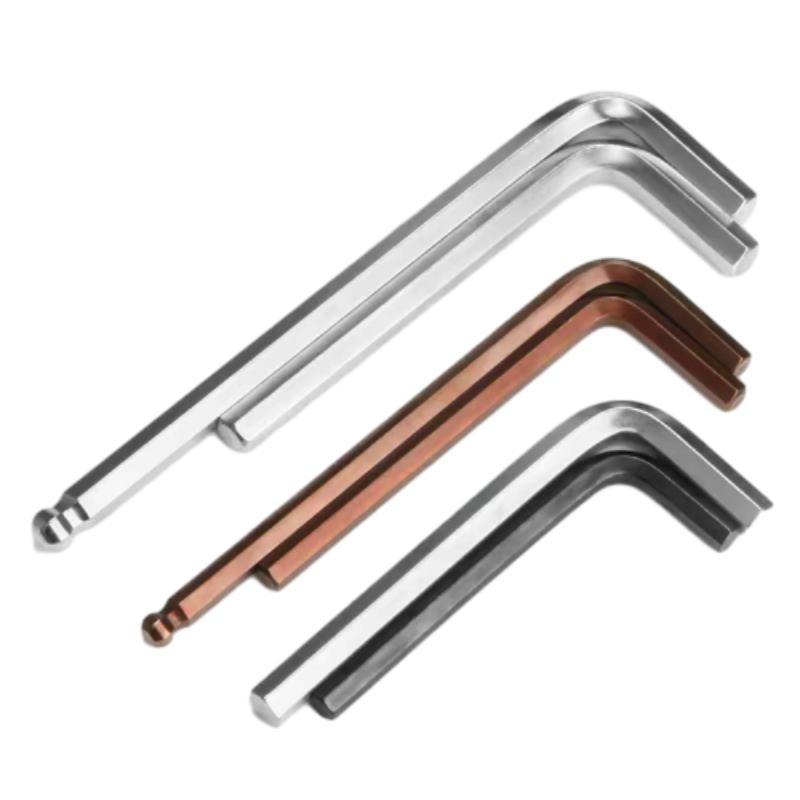
These customized solutions ensure optimal performance, reduce the risk of failure, and can significantly extend the operational life of critical infrastructure, providing substantial long-term value for clients.
Application Case Studies
Case Study 1: Petrochemical Plant Expansion – Corrosion Resistance in Aggressive Environments
A major petrochemical company embarked on expanding its processing facility, which involved new pipelines and structural supports in areas exposed to harsh chemicals and high humidity. Standard galvanized anchors previously failed prematurely, leading to costly downtime and maintenance.
Solution: After extensive consultation, customized anchor fastener 12mm wedge anchors made from AISI 316L stainless steel, specifically selected for superior chloride and acid resistance, were specified for all critical structural attachments. These anchors were tested to ASTM A193/A194 standards for elevated temperature service and met stringent ISO 3506 corrosion resistance requirements.
Outcome: Over five years since installation, the 316L 12mm anchors have shown no signs of corrosion or material degradation, significantly exceeding the service life of previous solutions. This has resulted in a 30% reduction in maintenance costs for fastening elements and zero unplanned shutdowns related to anchor failure, demonstrating exceptional long-term reliability and cost-effectiveness. The client provided positive feedback, praising the fasteners' durability and the supplier's technical support.
Case Study 2: Bridge Deck Anchorage – High Load Capacity and Dynamic Resistance
A critical infrastructure project involved anchoring pre-fabricated bridge deck sections to existing concrete piers in a seismically active zone. The fasteners needed to withstand extremely high static and dynamic shear loads, as well as seismic forces, while ensuring long-term structural integrity.
Solution: High-strength, hot-dip galvanized anchor fastener 12mm stud anchors, engineered to meet specific ETA (European Technical Approval) requirements for cracked concrete and seismic applications, were selected. These anchors featured enhanced thread engagement and a robust expansion mechanism designed for predictable performance under dynamic loading. Extensive pull-out and shear tests were conducted on-site to validate their performance in the actual concrete substrate, exceeding minimum design requirements by 15%.
Outcome: The installation proceeded efficiently, and the bridge sections were securely anchored. Post-installation monitoring over a two-year period, including during minor seismic events, confirmed the anchors' unwavering performance. The engineering firm lauded the fasteners for their high load capacity and consistent quality, which contributed to the project being completed ahead of schedule and within budget, with enhanced safety margins.
Frequently Asked Questions (FAQ)
Q: What is the typical load capacity for a anchor fastener 12mm?
A: The ultimate load capacity for a 12mm anchor fastener can vary significantly based on its type (e.g., wedge, sleeve, chemical), material, embedment depth, and the strength of the base material (e.g., concrete grade). As per Table 1, a typical carbon steel 12mm wedge anchor in C20/25 concrete can have an ultimate tensile load of approximately 25 kN and ultimate shear load of 35 kN. Always refer to the manufacturer's specific technical data for your chosen product and apply appropriate safety factors.
Q: What materials are suitable for chemical anchors, especially in 12mm?
A: Chemical anchors typically use an internally threaded sleeve or a threaded rod (often 12mm diameter) combined with a resin-based adhesive. The rods are usually made of galvanized carbon steel, stainless steel (A2/304 or A4/316), or high-strength steel (e.g., Grade 5.8 or 8.8). The choice depends on the required load capacity and environmental conditions, especially resistance to corrosion and chemical exposure. Chemical anchors are highly versatile for cracked and uncracked concrete and masonry.
Q: How do I select the right anchor for a specific substrate?
A: Proper selection involves assessing the base material (concrete strength, brick type, hollow block), load requirements (tensile, shear, dynamic), environmental conditions (moisture, temperature, corrosion), and installation constraints (edge distance, spacing). For concrete, mechanical anchors (wedge, sleeve) are common, while chemical anchors offer superior performance in cracked concrete or for heavier loads. For hollow or weak materials, specialized anchors like toggle bolts or injection resins are often preferred. Always consult a structural engineer and the manufacturer's technical guides.
Q: What are the common failure modes of anchor fasteners?
A: Common failure modes include steel failure (tensile or shear fracture of the anchor bolt), concrete cone failure (a cone of concrete breaking out around the anchor), pull-out failure (the anchor pulling out of the drilled hole due to insufficient bond or expansion), and splitting failure (the base material cracking due to excessive expansion forces, often from incorrect edge distance). Corrosion-induced failures can also occur in unsuitable environments.
Q: Are `blind fasteners` or `brad fastener` types available in 12mm and for what applications?
A: While the primary focus of 12mm anchors is heavy-duty structural applications, `blind fasteners` (like toggles or molly bolts) are typically used for fastening into hollow sections or when access is only available from one side, but usually in smaller diameters or for lighter loads than a structural 12mm anchor. `Brad fastener` units, designed for lightweight wood joinery, are entirely different and not available in 12mm for structural anchoring. The 12mm anchor fastener is engineered for much greater load capacities and material penetrations.
Logistics & Support
Lead Time & Fulfillment
We understand the critical importance of timely delivery for industrial projects. Our standard lead times for common anchor fastener 12mm variants range from 2 to 4 weeks, depending on order volume and specific material requirements. For custom solutions or large-scale project orders, detailed lead times are provided during the quotation phase, typically ranging from 6 to 10 weeks, accounting for design, prototyping, and specialized manufacturing. We maintain strategically located global distribution centers and leverage advanced logistics partnerships to ensure efficient and reliable fulfillment worldwide. Expedited shipping options are available upon request for urgent requirements.
Warranty Commitments
All our anchor fastener 12mm products are backed by a comprehensive 5-year warranty against manufacturing defects and material failures under normal operating conditions and proper installation as per our guidelines. This commitment underscores our confidence in the quality and durability of our fastening solutions. Our products are manufactured to meet or exceed relevant international standards such as ISO 9001, ASTM, and DIN, ensuring reliability and performance. Specific project warranties for extended durations can be negotiated for large-scale or high-value contracts.
Customer Support & Technical Assistance
Our dedicated customer support team and experienced engineering specialists are available to provide unparalleled technical assistance. This includes:
- Pre-Sales Consultation: Expert guidance on fastener selection, material suitability, and design optimization for your specific application.
- Installation Support: Provision of detailed installation guides, best practice recommendations, and on-site training if required.
- Post-Sales Troubleshooting: Rapid response and resolution for any performance issues or technical queries that may arise during or after installation.
- Documentation & Certification: Access to comprehensive product documentation, test reports, and material certificates (MTCs) to ensure full compliance and traceability.
We are committed to building long-term partnerships by providing exceptional products and unwavering support throughout the entire project lifecycle.
References
- American Concrete Institute (ACI). (2019). Building Code Requirements for Structural Concrete (ACI 318-19) and Commentary. Farmington Hills, MI: American Concrete Institute.
- European Organization for Technical Approvals (EOTA). (2018). Guideline for European Technical Approval of Metal Anchors for Use in Concrete (ETAG 001). Brussels, Belgium: EOTA.
- International Organization for Standardization (ISO). (2020). Fasteners — Mechanical properties of fasteners made of carbon steel and alloy steel — Part 1: Bolts, screws and studs with specified property classes — Coarse thread and fine pitch thread. Geneva, Switzerland: ISO.
- ASTM International. (2021). ASTM F1554: Standard Specification for Anchor Bolts, Steel, 36, 55, and 105-ksi Yield Strength. West Conshohocken, PA: ASTM International.
- Corrosion Handbook. (2015). Guide to Corrosion in Industrial Environments. NACE International.
Latest news
-
Reliable DIN 127 Spring Washers for Industrial Applications | LZ Fasteners
NewsDec.03,2025
-
Comprehensive Guide to DIN 126 Washer: Specifications, Uses & Benefits
NewsDec.03,2025
-
Durable and High-Quality Din 125a A2 Washers for Industry | LZ Fasteners
NewsDec.03,2025
-
Comprehensive Guide to DIN 125A Washers – Specifications, Applications & Vendors
NewsDec.03,2025
-
Din 125 Washer - Reliable Industrial Fastening Solutions from LZ Fasteners
NewsDec.03,2025
-
What is a DIN 125 Flat Washer? Global Significance, Specs & Vendors
NewsDec.03,2025
 English
  Afrikaans
  Arabic
  Bengali
  Bulgarian
  French
  German
  Hindi
Hindi  Indonesian
  Italian
  Japanese
  Korean
  Malay
Malay  Portuguese
  Russian
  Spanish
  Thai
Thai  Turkish
  Urdu
Urdu  Vietnamese