Auto fasteners are the unsung heroes of modern manufacturing, and frankly, of just about everything we build. I spend my days on construction sites, in fabrication shops, and with engineers, and I can tell you firsthand—without reliable fasteners, nothing goes together. It's not glamorous, but it's foundational. We’re talking about the components that hold our infrastructure, our vehicles, and even our appliances together. The evolution of auto fasteners, from simple bolts and screws to sophisticated self-locking systems and specialized materials, has been crucial for increased efficiency, safety, and reliability across industries. It’s a constantly evolving field, pushing boundaries in strength, corrosion resistance, and ease of installation. auto fasteners aren't just about holding things together; they're about building a better, more durable world.
The global demand for auto fasteners is massive and growing, directly tied to growth in automotive production, construction, aerospace, and general manufacturing. The United Nations projects continued global population growth and urbanization, driving infrastructure development worldwide. The World Bank estimates trillions of dollars will be invested in infrastructure over the next decade, and that all translates into a need for billions of fasteners. We’re seeing particularly strong demand in emerging markets, where infrastructure is rapidly expanding. However, this growth isn't without its challenges. Ensuring consistent quality, managing supply chain disruptions, and meeting increasingly stringent environmental regulations are critical concerns for manufacturers and end-users alike. The need for innovative fastening solutions that address these challenges is paramount.
Simply put, auto fasteners are components used to mechanically join materials together. They come in an astonishing variety of shapes, sizes, and materials – everything from standard steel bolts to high-strength titanium screws and specialized plastic rivets. Their connection to modern industry is obvious; look around you, and you’ll find them everywhere. But their relevance extends to addressing fundamental humanitarian needs. Consider disaster relief – rapid deployment shelters and temporary infrastructure rely heavily on quick and easy-to-install fastening systems. They’re integral to the fabrication of medical devices, the assembly of agricultural equipment, and the maintenance of essential public utilities. Without reliable fasteners, progress in all these areas would be significantly hampered.
The Importance of Auto Fasteners in Modern Infrastructure
You can’t build anything lasting without fasteners. I've seen too many projects delayed or compromised by skimping on quality here. It’s not the place to cut corners. The strength and reliability of auto fasteners are directly tied to the safety and longevity of structures, vehicles, and equipment. Proper selection and installation are crucial to prevent failures, reduce maintenance costs, and ensure overall structural integrity. auto fasteners dictate how well things hold up over time, especially when exposed to harsh environmental conditions.
From bridges and skyscrapers to automobiles and aircraft, these components are essential for joining materials and distributing loads. Investing in high-quality fasteners is a proactive approach to mitigating risk and maximizing the lifespan of infrastructure and equipment. It’s about building for the future, not just for today. Choosing the right material, finish, and design for specific applications is paramount to ensuring optimal performance and preventing costly failures down the line.
Global Demand and Industry Trends
The automotive industry remains the largest consumer of auto fasteners, with increasing demand driven by rising vehicle production in Asia-Pacific and the growing adoption of electric vehicles (EVs). EVs, in particular, require specialized fasteners due to the unique materials and construction techniques used in battery packs and electric drivetrains. The construction sector is also a significant driver, fueled by infrastructure projects worldwide. We’re also seeing increased demand from the aerospace industry, where lightweight and high-strength fasteners are critical for reducing fuel consumption and improving aircraft performance.
Supply chain volatility, geopolitical instability, and rising raw material costs are all impacting the auto fastener market. Manufacturers are increasingly focused on diversifying their supply chains and investing in automation to improve efficiency and reduce costs. There’s a growing emphasis on sustainability and environmentally friendly fastening solutions, with a shift towards recyclable materials and reduced waste. auto fasteners manufacturers are responding by developing innovative products and processes that address these challenges.
Furthermore, the increasing adoption of Building Information Modeling (BIM) and digital twins is creating new opportunities for optimized fastener selection and integration into building designs. This trend towards digitalization is streamlining the construction process and improving overall project efficiency.
Defining Auto Fasteners and Their Role
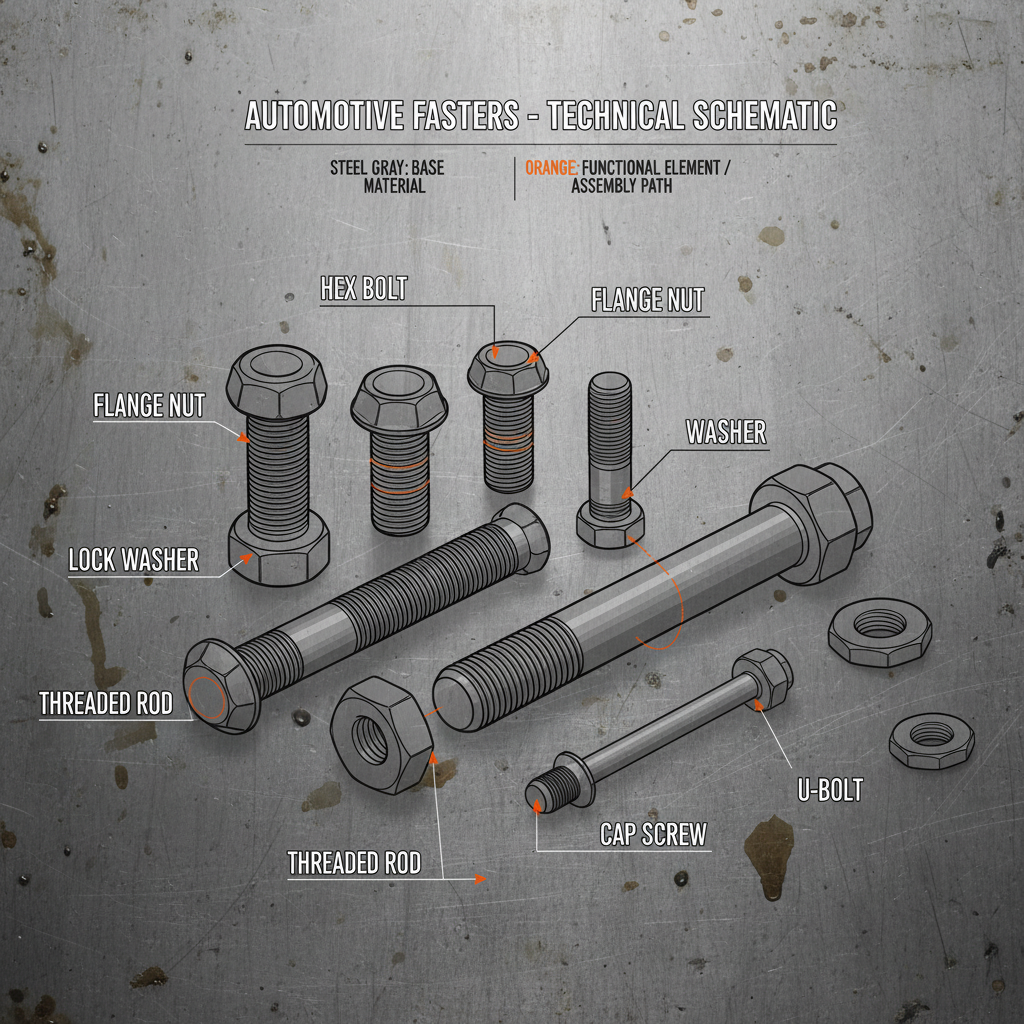
Auto fasteners encompass a broad range of mechanical joining components, including bolts, screws, nuts, rivets, washers, and specialty fasteners like self-tapping screws and structural adhesives. The “auto” prefix historically referred to their initial prominence in automotive applications, but now they’re utilized across almost every industry imaginable. They’re designed to create a strong, reliable connection between materials, resisting shear, tension, and vibration forces. Their primary function is to hold parts together, but they also play a role in distributing loads, preventing loosening, and providing sealing capabilities.
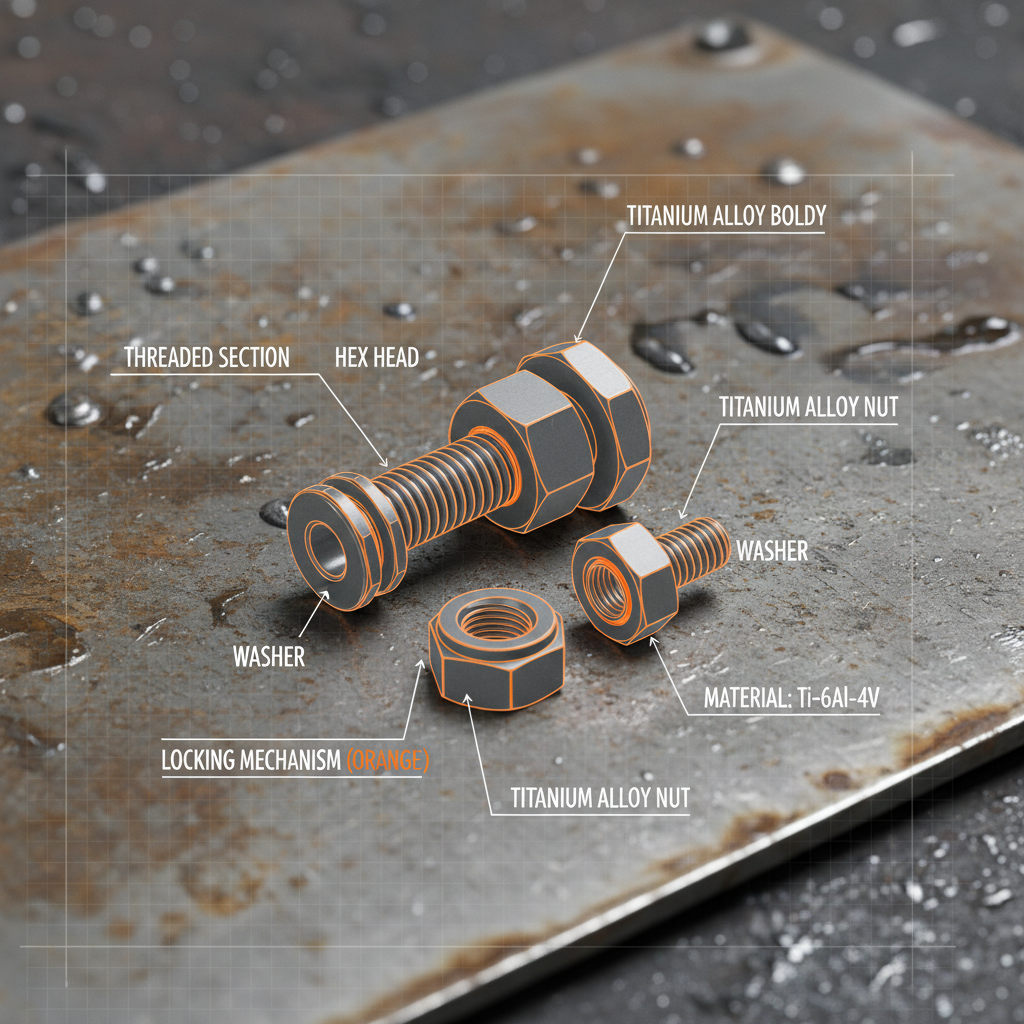
The choice of fastener depends on various factors, including the materials being joined, the applied load, the environmental conditions, and the desired level of security. Different materials offer varying degrees of strength, corrosion resistance, and cost. For instance, stainless steel fasteners are ideal for outdoor applications due to their excellent corrosion resistance, while high-strength alloy steel fasteners are used in critical structural applications requiring maximum load-bearing capacity.
Understanding the different types of auto fasteners and their properties is crucial for selecting the right component for a specific application. A seemingly small mistake in fastener selection can lead to catastrophic failures and costly repairs. That’s why proper training and adherence to industry standards are so important. It’s a surprisingly complex field, and staying up-to-date on the latest innovations is a constant learning process.
Key Characteristics of High-Quality Auto Fasteners
Durability is paramount. A fastener needs to withstand the stresses and strains of its application over its entire lifespan. This means using high-quality materials, employing proper manufacturing processes, and applying appropriate surface treatments. Strength is another critical factor – the fastener must be able to withstand the applied load without yielding or fracturing. Corrosion resistance is essential for outdoor applications or environments exposed to harsh chemicals. auto fasteners need to maintain their integrity, even in challenging conditions.
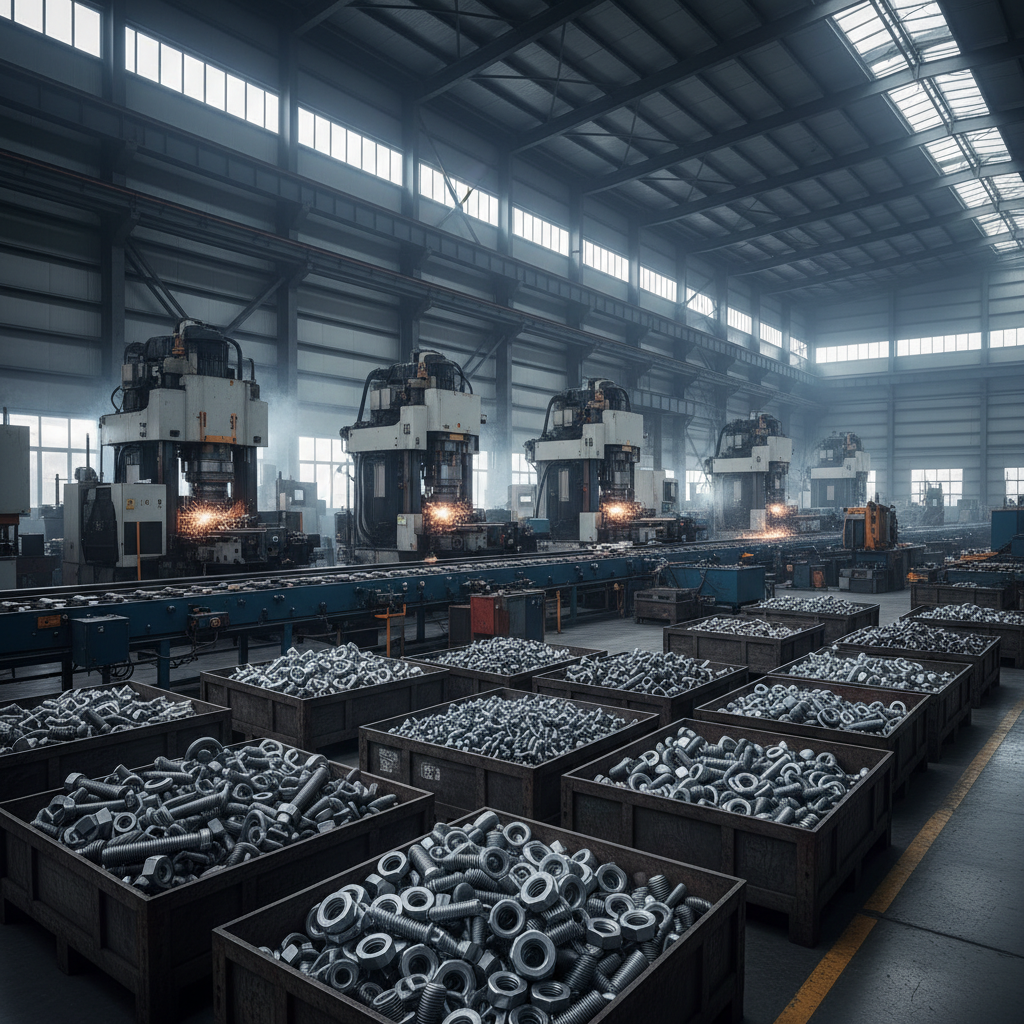
Consistency in manufacturing is crucial. Variations in dimensions, material properties, or surface treatments can compromise the fastener's performance and reliability. Proper testing and quality control procedures are essential to ensure that every fastener meets the required specifications. Ease of installation is also an important consideration – fasteners should be easy to install and tighten without damaging the materials being joined.
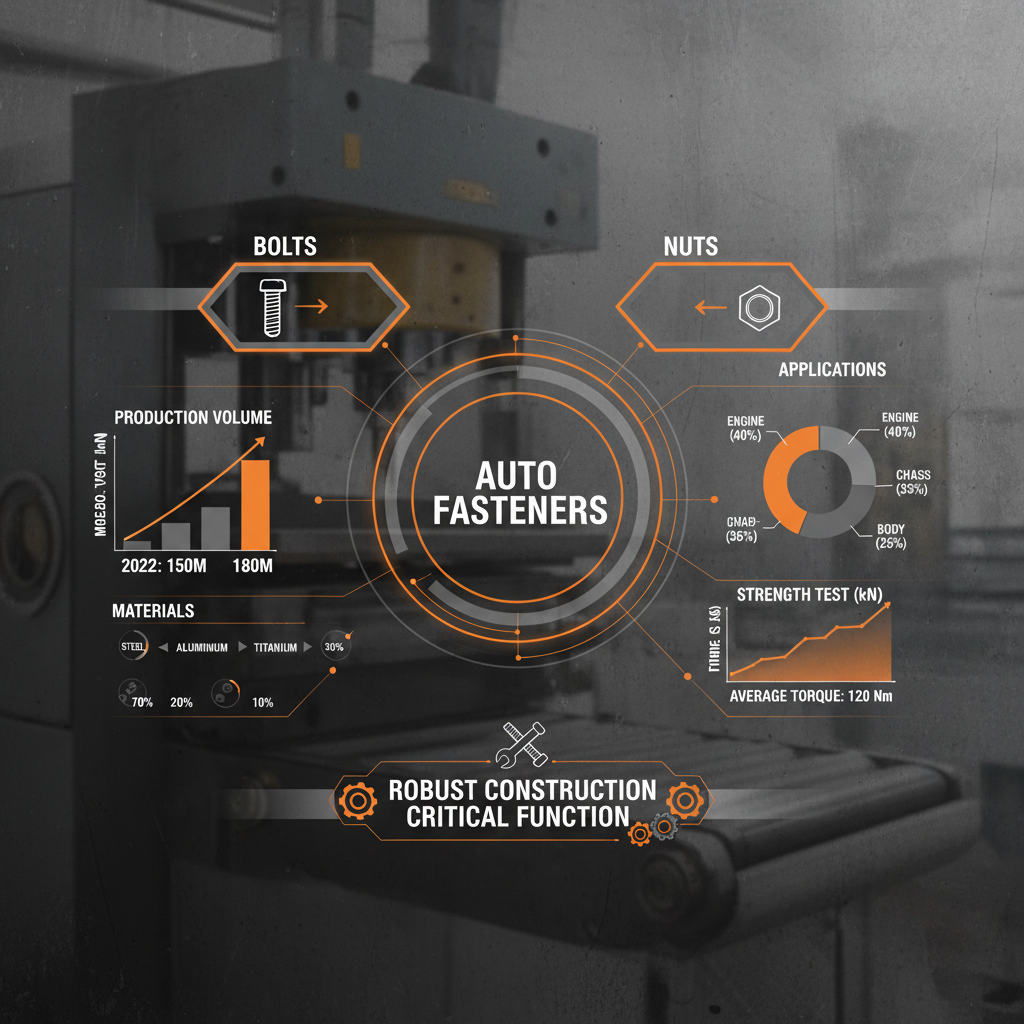
Auto Fastener Performance Metrics
Applications Across Diverse Industries
In the automotive sector, auto fasteners are used in everything from engine assembly to chassis construction. The demand for lightweight fasteners is increasing as automakers strive to improve fuel efficiency. The aerospace industry relies on high-strength, corrosion-resistant fasteners to ensure the safety and reliability of aircraft. Construction utilizes a vast array of fasteners for structural connections, roofing, and cladding.
The electronics industry employs specialized fasteners for securing components in circuit boards and enclosures. Even the medical device industry relies on precision fasteners for assembling intricate surgical instruments and implants. The versatility of auto fasteners makes them indispensable across a wide spectrum of applications.
Advantages and Long-Term Value Proposition
Investing in quality auto fasteners translates to significant cost savings over the long term. Reduced maintenance, fewer repairs, and increased product lifespan all contribute to a lower total cost of ownership. Reliable fasteners enhance safety and prevent catastrophic failures, protecting both people and assets. Sustainability is also a key benefit – durable fasteners reduce the need for replacements, minimizing waste and conserving resources.
Choosing the right fastener can improve efficiency in assembly processes, reducing labor costs and increasing production throughput. It builds trust and confidence in the final product, enhancing brand reputation and customer satisfaction.
Future Trends and Innovations in Auto Fasteners
We’re seeing a growing trend towards smart fasteners equipped with sensors that can monitor stress, torque, and temperature. These “intelligent fasteners” provide valuable data for predictive maintenance and structural health monitoring. The development of self-healing fasteners that can repair minor damage is also gaining traction. Additive manufacturing (3D printing) is enabling the creation of customized fasteners with complex geometries and optimized performance characteristics.
The use of advanced materials, such as carbon fiber reinforced polymers and shape memory alloys, is expanding the capabilities of auto fasteners. Sustainability is driving the development of biodegradable and recyclable fasteners. Digitalization and the integration of fasteners into Building Information Modeling (BIM) workflows are streamlining the design and construction process. auto fasteners will continue to evolve, driven by the need for improved performance, sustainability, and efficiency.
The convergence of materials science, engineering, and digital technologies is paving the way for a new generation of fasteners that will revolutionize the way we build and manufacture.
Summarizing Key Future Trends in Auto Fastener Technology
| Trend Category |
Specific Innovation |
Potential Impact |
Adoption Timeline |
| Materials Science |
Carbon Fiber Composites |
Reduced Weight, Increased Strength |
5-10 Years |
| Sensor Technology |
Smart Fasteners with Strain Gauges |
Predictive Maintenance, Structural Health Monitoring |
3-5 Years |
| Manufacturing Processes |
Additive Manufacturing (3D Printing) |
Customization, Complex Geometries |
2-5 Years |
| Sustainability |
Biodegradable Polymers |
Reduced Environmental Impact |
5-10 Years |
| Digital Integration |
BIM Integration & Digital Twins |
Optimized Fastener Selection, Streamlined Design |
Currently Emerging |
| Self-Healing Materials |
Microcapsule-Based Repair Systems |
Extended Fastener Lifespan, Reduced Maintenance |
10+ Years |
FAQS
When choosing auto fasteners for corrosive environments, prioritize material selection. Stainless steel (304, 316) are excellent choices, as is galvanized steel. Consider coatings like zinc-nickel or ceramic coatings for enhanced protection. Also, avoid dissimilar metal combinations that can cause galvanic corrosion. The severity of the environment—saltwater exposure, chemical fumes—will dictate the necessary level of protection. Finally, proper sealing and installation are vital to prevent moisture ingress.
Incorrect torque is a major cause of fastener failure. Always consult the manufacturer’s specifications for the recommended torque value. Factors like fastener size, material, and surface finish influence the optimal torque. Use a calibrated torque wrench to ensure accurate tightening. Over-tightening can strip threads or yield the fastener, while under-tightening can lead to loosening and joint failure. A joint's specific requirements will also affect the chosen torque value.
Self-locking fasteners, such as nylon insert lock nuts or prevailing torque nuts, prevent loosening due to vibration or dynamic loads. This is crucial in applications where fastener security is paramount, like in automotive or aerospace industries. They provide increased reliability and reduce the need for secondary locking devices like lock washers. However, be mindful of potential drawbacks like reduced reusability and increased cost compared to standard fasteners.
This is a common question! Generally, a bolt is designed to be used with a nut to clamp materials together. It typically has a hex head and a threaded shank. A screw, on the other hand, is designed to thread directly into a material, creating its own mating thread. Screws often have pointed tips and various head styles. While the terms are often used interchangeably, understanding the difference is important for proper application.
Thread galling happens when friction between mating threads causes them to seize or damage each other. To prevent it, use an anti-seize lubricant specifically designed for fasteners. Ensure proper lubrication during installation, particularly with stainless steel fasteners. Avoid cross-threading and apply even torque. Clean threads thoroughly before assembly to remove any debris that could contribute to galling.
Proper storage is essential to maintain fastener integrity. Store fasteners in a dry, climate-controlled environment to minimize humidity. Use original packaging or corrosion-resistant containers. For long-term storage, consider using desiccant packs to absorb moisture. Regularly inspect stored fasteners for signs of corrosion. Proper storage practices significantly extend the lifespan of your fasteners.
Conclusion
In conclusion, auto fasteners are far more than just simple components; they are critical enablers of modern infrastructure, manufacturing, and innovation. Their strength, durability, and reliability are fundamental to the safety and longevity of countless applications. Understanding the nuances of fastener selection, installation, and maintenance is essential for engineers, construction professionals, and anyone involved in building and maintaining our world.
Looking ahead, advancements in materials science, sensor technology, and manufacturing processes will continue to drive innovation in the auto fastener industry. Embracing these advancements and prioritizing sustainability will be crucial for meeting the challenges of a rapidly changing world. For those seeking high-quality, reliable auto fasteners, visit our website to explore our comprehensive product range and expert support.





 English
  Afrikaans
  Arabic
  Bengali
  Bulgarian
  French
  German
  Hindi
Hindi  Indonesian
  Italian
  Japanese
  Korean
  Malay
Malay  Portuguese
  Russian
  Spanish
  Thai
Thai  Turkish
  Urdu
Urdu  Vietnamese