



License Plate Fasteners – Rustproof, Secure, Easy Install
Practical Guide to License Plate Fasteners, With a Hex Coupling Nut Twist
If you’ve ever fought a rusty screw on a rainy afternoon, you already know the value of good license plate fasteners. I’ve spent enough time in shops and on test benches to learn that “just any screw” isn’t a plan. In fact, there’s a neat trick more fleet managers use than they admit: a hex coupling nut as a spacer or security element behind the plate frame—clean, modular, and surprisingly robust.
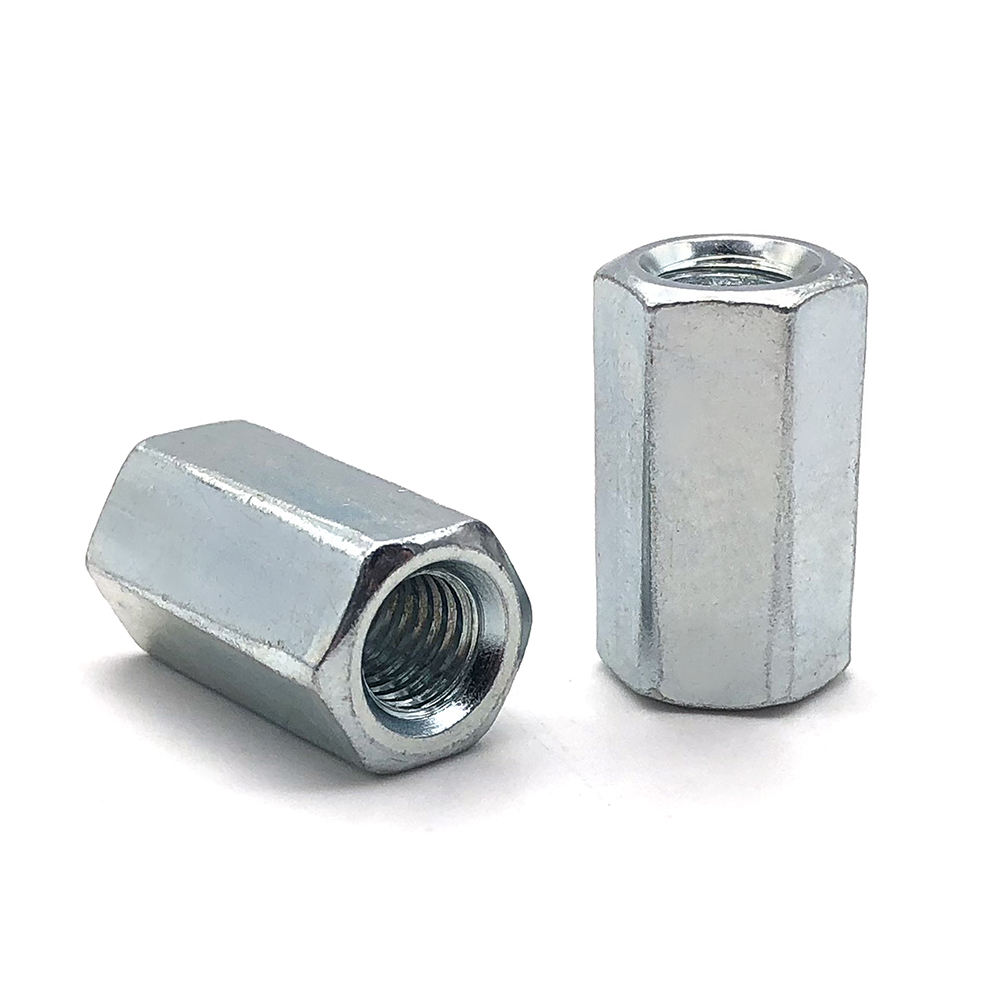
Why a Hex Coupling Nut for license plate fasteners?
Coupling nuts connect two male threads—yes—but in plate mounting they double as a low-profile standoff, helping align frames, accommodate camera brackets, or add anti-tamper covers. The Hex Coupling Nut from LZ Fasteners (Yongnian District, Handan City, Hebei; west side of Jianshe Road) slots right into this use case. To be honest, it’s not flashy. It just works.
Industry trends I’m seeing
- More stainless and zinc-nickel for corrosion; coastal fleets demand 480–720 h salt-spray resistance.
- Light tamper resistance: pin-in Torx screws paired with coupling nuts as hidden anchors.
- Modular mounting: dash cams and plate lights drive spacer-based solutions.
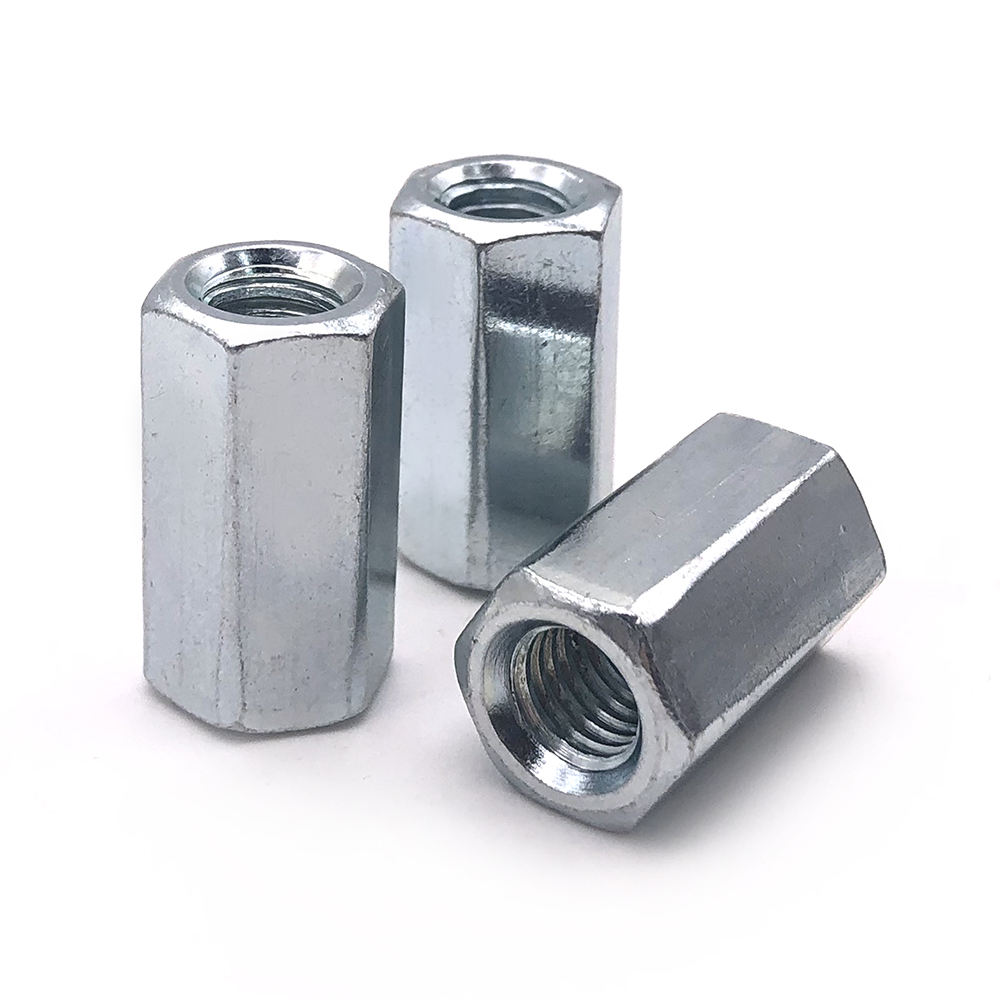
Product snapshot: Hex Coupling Nut (for license plate fasteners setups)
| Parameter | Typical spec (≈/around; real-world use may vary) |
|---|---|
| Material | Carbon steel (Class 8/10 per ISO 898-2), stainless steel (A2/A4 per ISO 3506-1) |
| Threads | M5–M8; #10-32; 1/4-20 |
| Lengths | 20–40 mm common for plate spacers; custom on request |
| Finishes | Zinc, black oxide, zinc-nickel; passivation for stainless |
| Corrosion (salt spray) | ≥96 h (zinc), 240–480 h (Zn-Ni), stainless: no red rust in 480 h typical (ASTM B117/ISO 9227) |
| Torque pairing | With M6 plate screws: 3–5 N·m recommended; verify per substrate |
Applications: private cars, fleet vans, police upfitters, dealership detail shops, and frankly any retrofit that needs a tidy spacer behind the plate. Many customers say the rattle just… disappears.
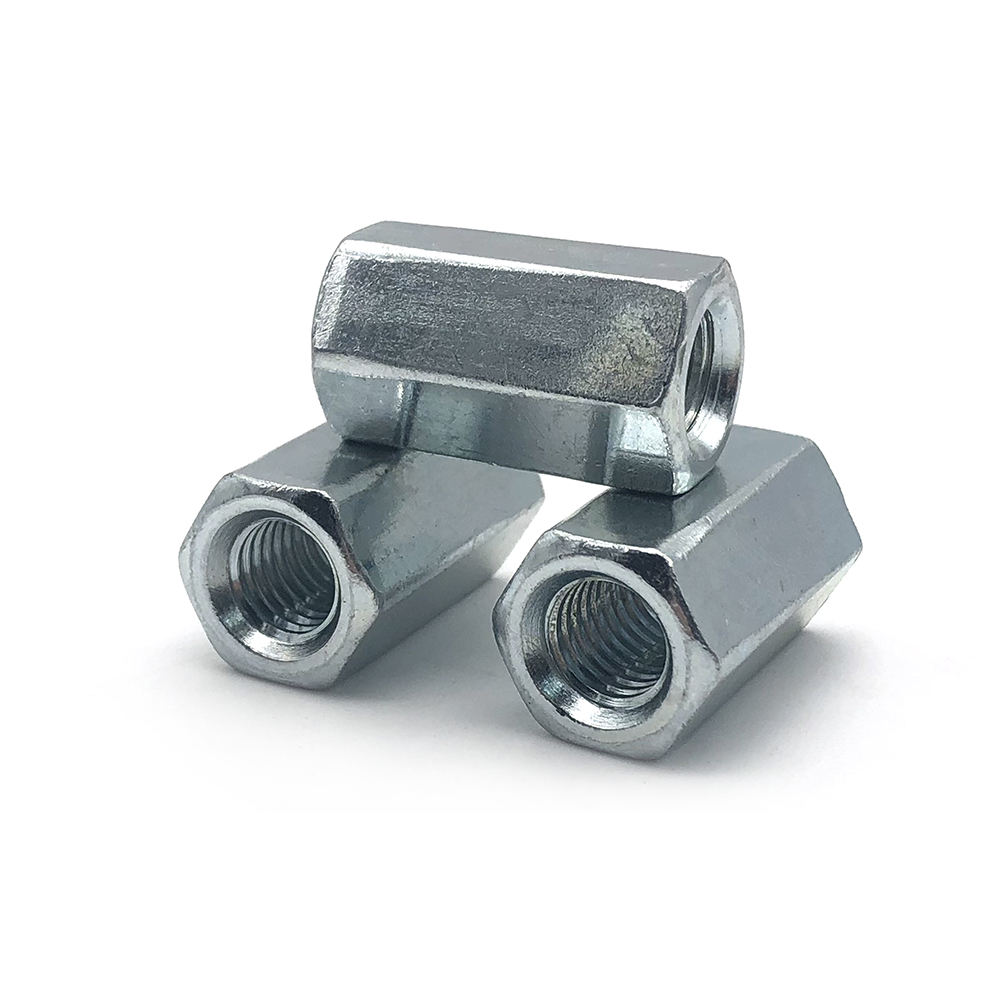
Process, testing, and service life
Materials are cut, cold-formed, tapped, and surface-treated; threads are checked with GO/NO-GO gauges. Batch salt-spray (ASTM B117 or ISO 9227) verifies coating. Property class per ISO 898-2 and stainless grade per ISO 3506-1. Typical service life: 5–8 years road use; coastal regions may need stainless or Zn-Ni plus periodic rinse.
Certifications to request: ISO 9001, material COCs, RoHS/REACH compliance; for automotive programs, IATF 16949 documentation.
Vendor comparison (quick take)
| Vendor | Strengths | Certs (ask for current) | Lead time | MOQ / Price band |
|---|---|---|---|---|
| LZ Fasteners (Yongnian, Hebei) | Custom runs, common metric/imperial, flexible finishes | ISO 9001 typically requested; RoHS/REACH on materials | ≈10–20 days standard | Low–mid MOQ; competitive |
| Regional Supplier A | Fast domestic ship, limited custom lengths | ISO 9001 | 3–7 days in-stock | Small MOQ; higher unit price |
| Global Brand B | Broad catalog, premium coatings | ISO 9001, IATF 16949 (varies by site) | 2–6 weeks | Higher MOQ; premium pricing |
Customization and fit notes
- Threads: match OEM studs (often M6 or 1/4-20). Avoid cross-threading—check pitch.
- Finish: zinc for dry regions; stainless or Zn-Ni if winters are salty.
- Add-on: pair coupling nuts with pin-in Torx screws for license plate fasteners that deter casual theft.
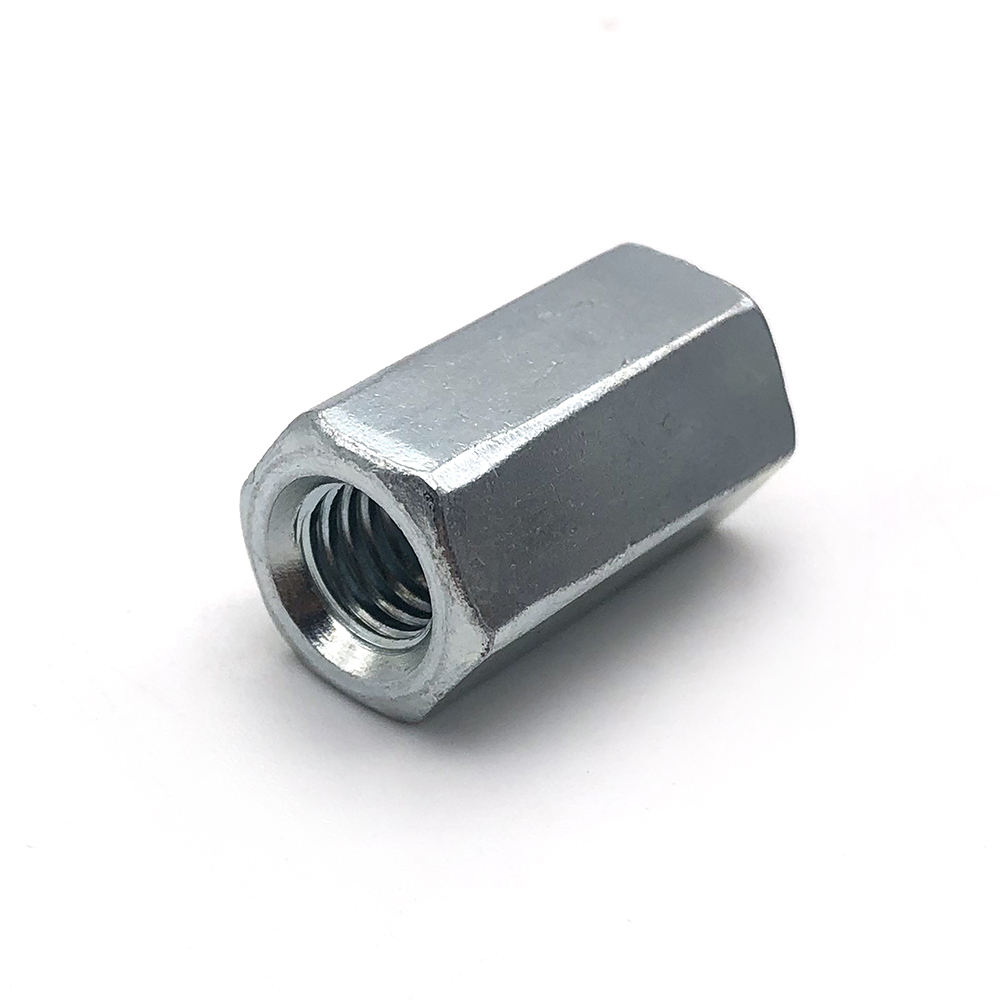
Mini case studies
Dealer group (Midwest): Swapped mixed screws for stainless screws plus M6 coupling nuts as spacers. Result: cleaner alignment, near-zero rattle complaints after 6 months.
Municipal fleet (coastal): Zn-Ni coated hardware; 480 h salt-spray spec. After one winter, technicians reported easy removal—no seized hardware. That’s gold in February.
Testing data you can request
- Salt spray reports (ASTM B117 or ISO 9227), target ≥240 h for coated steel in winter states.
- Thread gauge logs and hardness per ISO 898-2 (carbon steel) or chemistry for ISO 3506 stainless.
- Torque-to-failure samples on your substrate; aim for safe install torque 3–5 N·m on M6.
Bottom line: a humble hex coupling nut can elevate your license plate fasteners from “good enough” to tidy, serviceable, and quietly premium.
Authoritative references
Latest news
-
Reliable DIN 127 Spring Washers for Industrial Applications | LZ Fasteners
NewsDec.03,2025
-
Comprehensive Guide to DIN 126 Washer: Specifications, Uses & Benefits
NewsDec.03,2025
-
Durable and High-Quality Din 125a A2 Washers for Industry | LZ Fasteners
NewsDec.03,2025
-
Comprehensive Guide to DIN 125A Washers – Specifications, Applications & Vendors
NewsDec.03,2025
-
Din 125 Washer - Reliable Industrial Fastening Solutions from LZ Fasteners
NewsDec.03,2025
-
What is a DIN 125 Flat Washer? Global Significance, Specs & Vendors
NewsDec.03,2025
 English
  Afrikaans
  Arabic
  Bengali
  Bulgarian
  French
  German
  Hindi
Hindi  Indonesian
  Italian
  Japanese
  Korean
  Malay
Malay  Portuguese
  Russian
  Spanish
  Thai
Thai  Turkish
  Urdu
Urdu  Vietnamese