



Comprehensive Guide to M16 Stainless Steel Washer Selection and Applications
Understanding the Versatility of M16 Stainless Steel Washers
In the realm of fastening solutions, the seemingly simple washer plays a critical role in ensuring secure and durable assemblies. Among the various types available, the M16 stainless steel washer stands out for its corrosion resistance, strength, and wide range of applications. This article delves into the specifications, benefits, applications, and considerations when choosing M16 stainless steel washers, providing a comprehensive guide for engineers, purchasers, and DIY enthusiasts alike. Proper selection of a washer can significantly impact the longevity and performance of your projects.
What is an M16 Stainless Steel Washer?
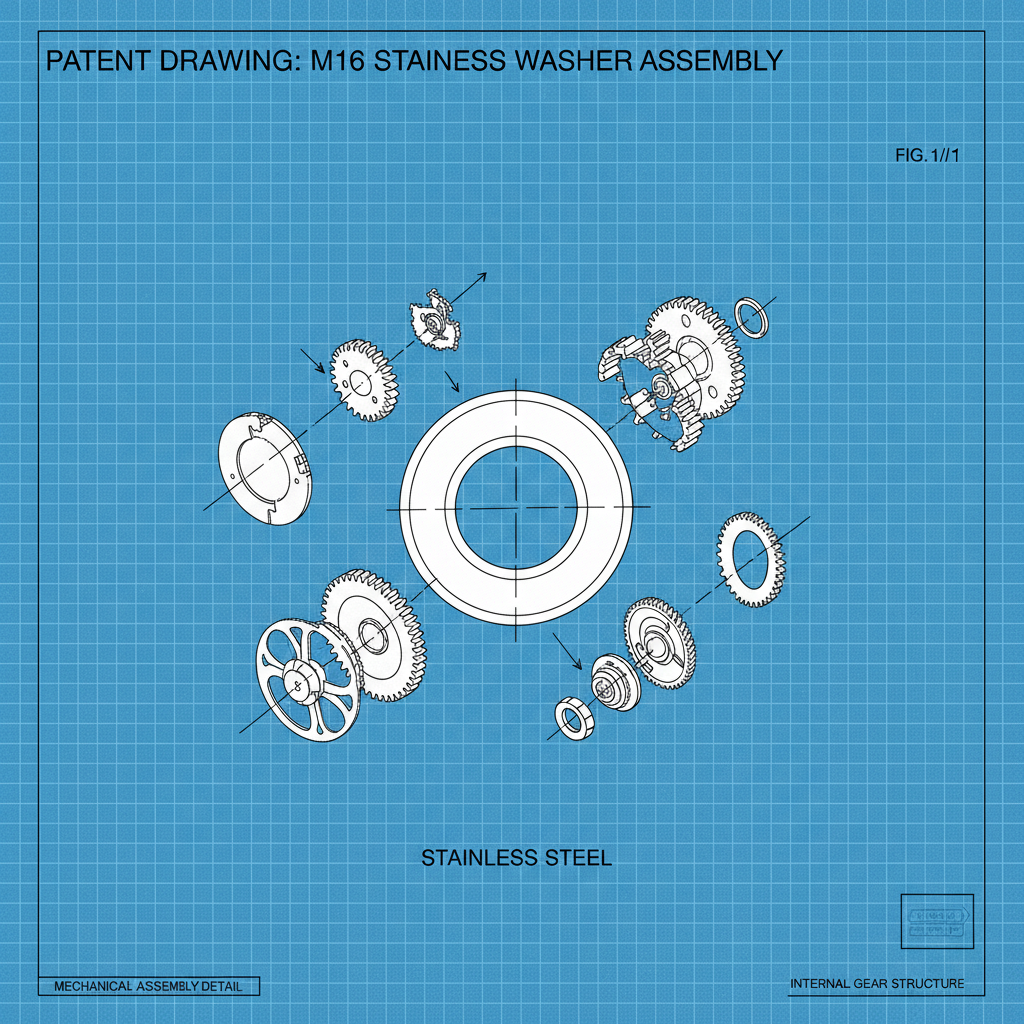
An M16 stainless steel washer is a flat, ring-shaped component designed to distribute the load of a fastener, such as a bolt or screw, over a wider area. The "M16" designation refers to the metric thread diameter the washer is designed to accompany – in this case, 16 millimeters. Stainless steel, typically grade 304 or 316, provides exceptional corrosion resistance, making these washers ideal for both indoor and outdoor applications. The washer’s function isn't merely to prevent damage to the surface being fastened; it also helps maintain consistent clamping force, which is essential for joint integrity. LZ Fasteners offers a comprehensive range of M16 stainless steel washers to meet diverse needs.
Key Benefits of Using M16 Stainless Steel Washers
Choosing M16 stainless steel washers provides numerous advantages. Their inherent corrosion resistance prevents rust and degradation, ensuring long-term reliability, even in harsh environments. Stainless steel also offers high tensile strength, capable of withstanding significant loads and stresses. Moreover, these washers help prevent loosening of fasteners by providing a consistent bearing surface. Finally, their aesthetically pleasing appearance can be important in visible applications. Utilizing the right washer isn’t just about functionality; it's about protecting your investment and ensuring lasting performance.
Key Advantages: Corrosion resistance, high tensile strength, prevention of loosening, long-term reliability, and aesthetic appeal.
Applications of M16 Stainless Steel Washers
M16 stainless steel washers find use in a vast array of industries and applications. They are commonly used in marine environments, chemical processing plants, food and beverage industries, and outdoor construction projects due to their exceptional corrosion resistance. They are also prevalent in automotive applications, machinery assembly, and general manufacturing. Specifically, you'll find them securing components in structural frameworks, plumbing systems, and electrical installations. LZ Fasteners supplies these washers to a diverse clientele across these sectors.
M16 Stainless Steel Washer Types: A Comparison
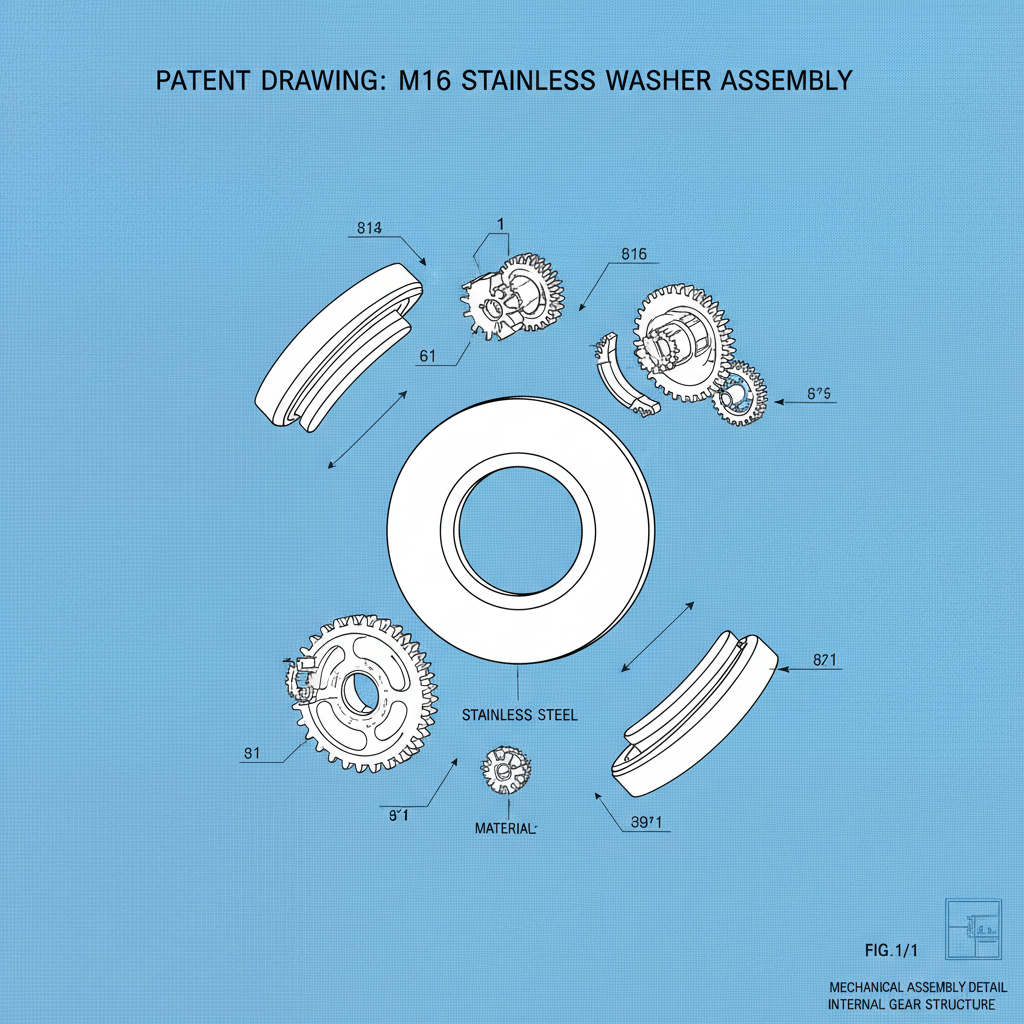
Several types of M16 stainless steel washers cater to different needs. Flat washers distribute load, while lock washers (split or star) provide resistance to loosening through friction. Countersunk washers are designed to sit flush with the surface. Choosing the right type depends on the application's requirements for load distribution, vibration resistance, and surface finish. Below is a comparative table:
Selecting the Right M16 Stainless Steel Washer
Consider several factors when selecting M16 stainless steel washers. The material grade (304 or 316) depends on the corrosion exposure level. 316 offers superior resistance in harsh environments. The washer's thickness should be appropriate for the applied load. Finally, choose the correct type (flat, lock, countersunk) based on the application's specific needs. Contacting a fastener specialist at LZ Fasteners can help ensure you select the ideal washer for your project.
Conclusion: The Importance of Quality Washers
Investing in high-quality M16 stainless steel washers from a reputable supplier like LZ Fasteners is crucial for ensuring the longevity, safety, and performance of your assemblies. By understanding the different types and applications, you can make informed decisions and avoid costly failures. Don't underestimate the power of a small component – a quality washer can make a significant difference.
Frequently Asked Questions (FAQs)
What is the difference between 304 and 316 stainless steel washers?
Both 304 and 316 stainless steel offer excellent corrosion resistance, but 316 contains molybdenum, which significantly enhances its resistance to chloride corrosion (like saltwater). This makes 316 ideal for marine environments, chemical processing plants, and applications exposed to harsh chemicals. While 304 is sufficient for many indoor and outdoor applications, 316 provides superior protection in corrosive environments, justifying its higher cost in certain situations. Choosing the appropriate grade is critical for long-term durability.
Can M16 stainless steel washers be used with other materials?
Yes, M16 stainless steel washers can be used with a variety of materials, including steel, aluminum, and plastic. However, it's important to consider galvanic corrosion when pairing dissimilar metals. Using a stainless steel washer with a carbon steel bolt, for example, could lead to corrosion of the carbon steel over time. Using a non-conductive material between the two metals or choosing compatible materials can mitigate this issue. Consult with our experts at LZ Fasteners for guidance on material compatibility.
How do I determine the correct thickness of an M16 washer?
The correct washer thickness depends on the load being applied and the hardness of the materials being fastened. A thicker washer distributes the load over a larger area, reducing stress on the materials. Generally, for standard applications, a washer thickness equal to or slightly greater than the bolt's nut thickness is sufficient. For high-load applications or softer materials, a thicker washer is recommended. Consulting engineering guidelines or contacting a fastener specialist at LZ Fasteners is recommended for critical applications.
Latest news
-
Essential Guide to ms15795 856 Fasteners Precision and Reliability
NewsApr.16,2026
-
High Precision ms15795 852 Fasteners for Aerospace Applications
NewsApr.09,2026
-
Comprehensive Guide to MS15795 848 Fasteners for Aerospace and Industrial Applications
NewsApr.07,2026
-
Comprehensive Guide to MS15795 846 Fasteners for Aerospace and Industrial Use
NewsApr.04,2026
-
Comprehensive Guide to MS15795 844 Fasteners for Aerospace and Defense Applications
NewsMar.31,2026
-
Comprehensive Guide to MS15795 842 Fasteners for Aerospace and Defense
NewsMar.28,2026
 English
  Afrikaans
  Arabic
  Bengali
  Bulgarian
  French
  German
  Hindi
Hindi  Indonesian
  Italian
  Japanese
  Korean
  Malay
Malay  Portuguese
  Russian
  Spanish
  Thai
Thai  Turkish
  Urdu
Urdu  Vietnamese