



Essential Guide to ms15795 856 Fasteners Precision and Reliability
Essential Guide to ms15795 856 Fasteners: Precision and Reliability
In the world of high-precision engineering and aerospace assembly, the integrity of every single component is non-negotiable. The ms15795 856 represents a standard of excellence in fastening technology, designed to meet rigorous industrial demands where vibration resistance and structural stability are critical. Whether you are managing a large-scale manufacturing project or performing specialized maintenance, understanding the nuances of these fasteners ensures long-term safety and operational efficiency. In this comprehensive guide, we will explore the technical specifications, material advantages, and practical applications that make the ms15795 856 a preferred choice for global engineers.
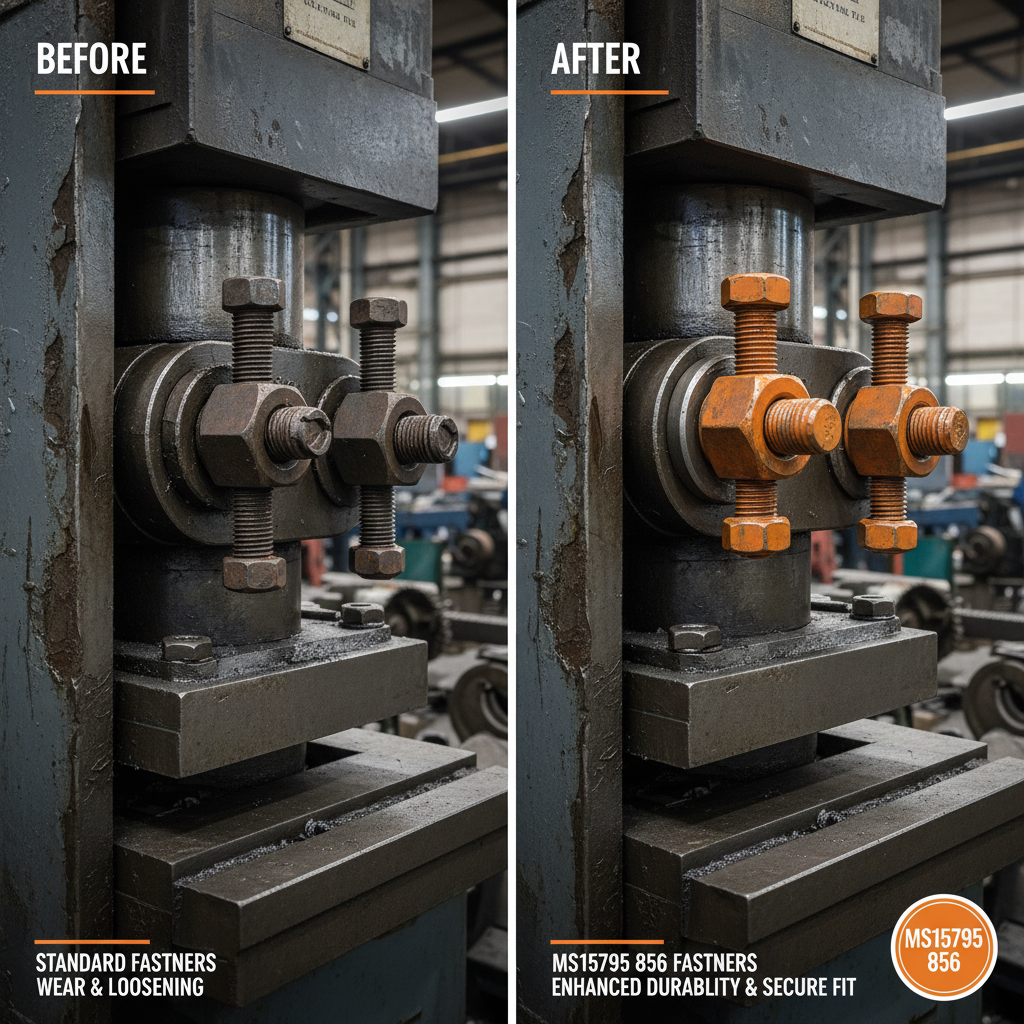
The Engineering Excellence of ms15795 856
The ms15795 856 is engineered for environments where failure is not an option. These fasteners are characterized by their precise threading and superior tensile strength, allowing them to maintain a secure grip even under extreme thermal expansion or mechanical stress. By utilizing advanced metallurgy, the production process ensures that each piece exhibits consistent hardness and fatigue resistance. This level of precision is what separates industrial-grade fasteners from commercial alternatives, providing the peace of mind required for critical infrastructure and aerospace components.
Key Highlights: The ms15795 856 is optimized for high-vibration environments, offering exceptional shear strength and a corrosion-resistant finish that extends the service life of the entire assembly.
Material Composition and Durability
Durability is the cornerstone of the ms15795 856. Depending on the specific application, these fasteners are often crafted from high-strength alloys or stainless steel to prevent oxidation and chemical degradation. This is particularly important in maritime or chemical processing plants where saltwater or corrosive agents are prevalent. The surface treatment applied to these fasteners not only enhances their aesthetic appeal but also creates a barrier against environmental wear, reducing the frequency of replacements and lowering overall maintenance costs for the end-user.
Technical Specifications of ms15795 856 Fasteners
To ensure a perfect fit and maximum load-bearing capacity, it is essential to adhere to the exact specifications of the ms15795 856. Precision measurements in diameter, pitch, and length prevent stripping and ensure that the torque applied during installation is distributed evenly across the threads. Below is a detailed specification table to help procurement managers and engineers select the correct variant for their needs.
Comparing ms15795 856 vs. Standard Fasteners
When choosing between the ms15795 856 and standard off-the-shelf fasteners, the difference lies in the "margin of safety." Standard fasteners are adequate for general construction, but they often lack the precise tolerances and material purity required for high-stress applications. The ms15795 856 is specifically designed to resist loosening under cyclic loading, which is a common cause of failure in mechanical systems. By investing in a higher grade of fastener, companies can significantly reduce the risk of catastrophic failure and decrease long-term operational downtime.
Industrial Applications of the ms15795 856
The versatility of the ms15795 856 allows it to be deployed across multiple high-stakes industries. In the aerospace sector, these fasteners secure critical fuselage and engine components. In the automotive industry, they are used in high-performance racing engines where heat and vibration are extreme. Additionally, the energy sector utilizes them in wind turbine assemblies and oil rigs, where environmental exposure is harsh. Regardless of the field, the primary goal remains the same: achieving a permanent, secure bond that withstands the test of time and pressure.
Conclusion: Ensuring Stability with ms15795 856
Selecting the right fastening solution is an investment in the longevity and safety of your project. The ms15795 856 provides the perfect balance of strength, precision, and durability, making it an indispensable component for modern engineering. By prioritizing quality over cost, businesses can ensure their structures remain secure under the most demanding conditions. For those seeking unmatched reliability, the ms15795 856 is the definitive choice.
Frequently Asked Questions (FAQs)
How do I verify the authenticity of ms15795 856 fasteners?
Verifying authenticity starts with sourcing from a reputable supplier like LZ Fasteners. Authentic ms15795 856 components should come with a Material Test Report (MTR) or a Certificate of Conformance (CoC). These documents provide a traceable history of the material's chemical composition and physical properties. Additionally, check for precise marking on the head of the fastener, which indicates the grade and manufacturer. Avoid unusually low-priced options that lack proper documentation, as counterfeit fasteners can lead to structural failure.
What is the recommended torque for installing the ms15795 856?
The recommended torque for the ms15795 856 depends on the material of the joint and the lubrication used. Over-tightening can lead to bolt stretching or thread stripping, while under-tightening can cause the fastener to loosen under vibration. It is highly recommended to use a calibrated torque wrench and refer to the specific engineering manual provided for your assembly. Generally, following the "torque-tension" relationship for the specific alloy used ensures that the fastener reaches its optimal clamping force without exceeding its elastic limit.
Can the ms15795 856 be reused after installation?
Whether a fastener can be reused depends on whether it was tightened beyond its yield point. For critical aerospace or industrial applications, the general rule is to replace fasteners that have been subjected to high-tension loads. If the ms15795 856 has experienced significant plastic deformation or shows signs of thread wear and corrosion, it must be replaced immediately. To maintain the highest safety standards, we recommend a "one-time use" policy for high-load structural bolts to ensure the integrity of the joint is never compromised.
How does the ms15795 856 handle extreme temperature fluctuations?
The ms15795 856 is designed with thermal stability in mind. The selected alloys have a controlled coefficient of thermal expansion, which prevents the fastener from loosening or becoming excessively tight during temperature swings. This makes it ideal for jet engines or industrial ovens where temperatures can fluctuate by hundreds of degrees. The specialized coatings also prevent the material from becoming brittle at cryogenic temperatures or softening at high heat, ensuring a consistent grip across a wide thermal spectrum.
Latest news
-
Essential Guide to ms15795 856 Fasteners Precision and Reliability
NewsApr.16,2026
-
High Precision ms15795 852 Fasteners for Aerospace Applications
NewsApr.09,2026
-
Comprehensive Guide to MS15795 848 Fasteners for Aerospace and Industrial Applications
NewsApr.07,2026
-
Comprehensive Guide to MS15795 846 Fasteners for Aerospace and Industrial Use
NewsApr.04,2026
-
Comprehensive Guide to MS15795 844 Fasteners for Aerospace and Defense Applications
NewsMar.31,2026
-
Comprehensive Guide to MS15795 842 Fasteners for Aerospace and Defense
NewsMar.28,2026
 English
  Afrikaans
  Arabic
  Bengali
  Bulgarian
  French
  German
  Hindi
Hindi  Indonesian
  Italian
  Japanese
  Korean
  Malay
Malay  Portuguese
  Russian
  Spanish
  Thai
Thai  Turkish
  Urdu
Urdu  Vietnamese