



MS15795 818 Fasteners A Comprehensive Guide to Applications and Benefits
Understanding MS15795 818 Fasteners: A Comprehensive Guide
In the world of industrial fastening solutions, selecting the right component is crucial for ensuring structural integrity, performance, and longevity. The MS15795 818 fastener, a specialized type of rivet, plays a significant role in various industries, particularly in aerospace, automotive, and general manufacturing. This article delves into the specifics of MS15795 818 fasteners, covering their features, applications, material options, and benefits, providing a thorough understanding for engineers, procurement professionals, and anyone involved in fastening solutions. Choosing the right fastener can prevent costly failures and ensure the reliability of your projects.
What are MS15795 818 Fasteners?
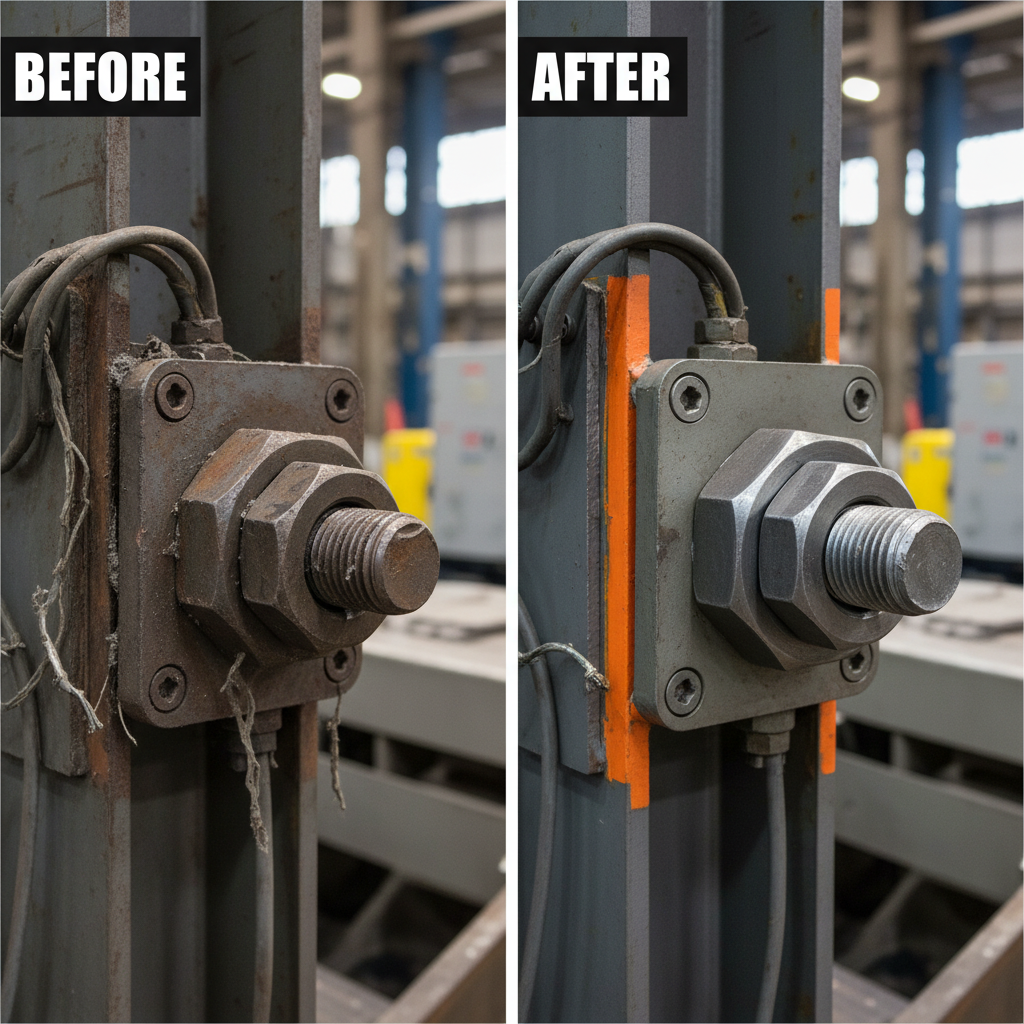
MS15795 818 fasteners are solid shank rivets designed for applications requiring high shear and tensile strength. They're manufactured to a military standard, ensuring consistent quality and reliability. The "818" designation refers to a specific head style and diameter, making it a precise component for demanding applications. These rivets are commonly used in sheet metal joining, providing a permanent and robust connection. They are preferred in scenarios where vibration and fatigue are concerns, offering a secure and durable fastening solution.
Key Highlights: Solid shank design for high strength, Manufactured to military standard MS15795, Designed for permanent sheet metal joining.
MS15795 818: Key Features and Specifications
Understanding the specifications of MS15795 818 fasteners is crucial for proper selection and application. Key features include a consistent diameter, specific head height, and precise material compositions. These rivets are typically made from aluminum alloys, stainless steel, or titanium, depending on the application requirements. The solid shank provides superior strength compared to hollow rivets. They are installed using a riveting tool, creating a strong, permanent joint.
Material Options: Choosing the Right Alloy
The selection of the appropriate material for your MS15795 818 fastener depends on the environmental conditions and performance requirements. Aluminum alloys offer a good balance of strength, weight, and corrosion resistance. Stainless steel provides superior corrosion resistance and higher strength, ideal for harsh environments. Titanium is the strongest and lightest option, frequently used in aerospace applications where weight is critical. LZ Fasteners provides a wide range of material options to suit your specific needs.
Material Comparison:
• Aluminum Alloy: Lightweight, good corrosion resistance, cost-effective.
• Stainless Steel: Superior corrosion resistance, high strength, durable.
• Titanium: Highest strength-to-weight ratio, excellent corrosion resistance, premium cost.
Applications of MS15795 818 Fasteners
MS15795 818 fasteners find applications across a diverse range of industries. In aerospace, they are used in aircraft structures, control surfaces, and interior components. The automotive industry utilizes them for body panel attachment and structural reinforcement. General manufacturing applications include electronics housings, machinery assembly, and equipment mounting. Their reliability and strength make them a preferred choice in any application requiring a permanent and secure fastening solution.
Benefits of Using MS15795 818 Fasteners
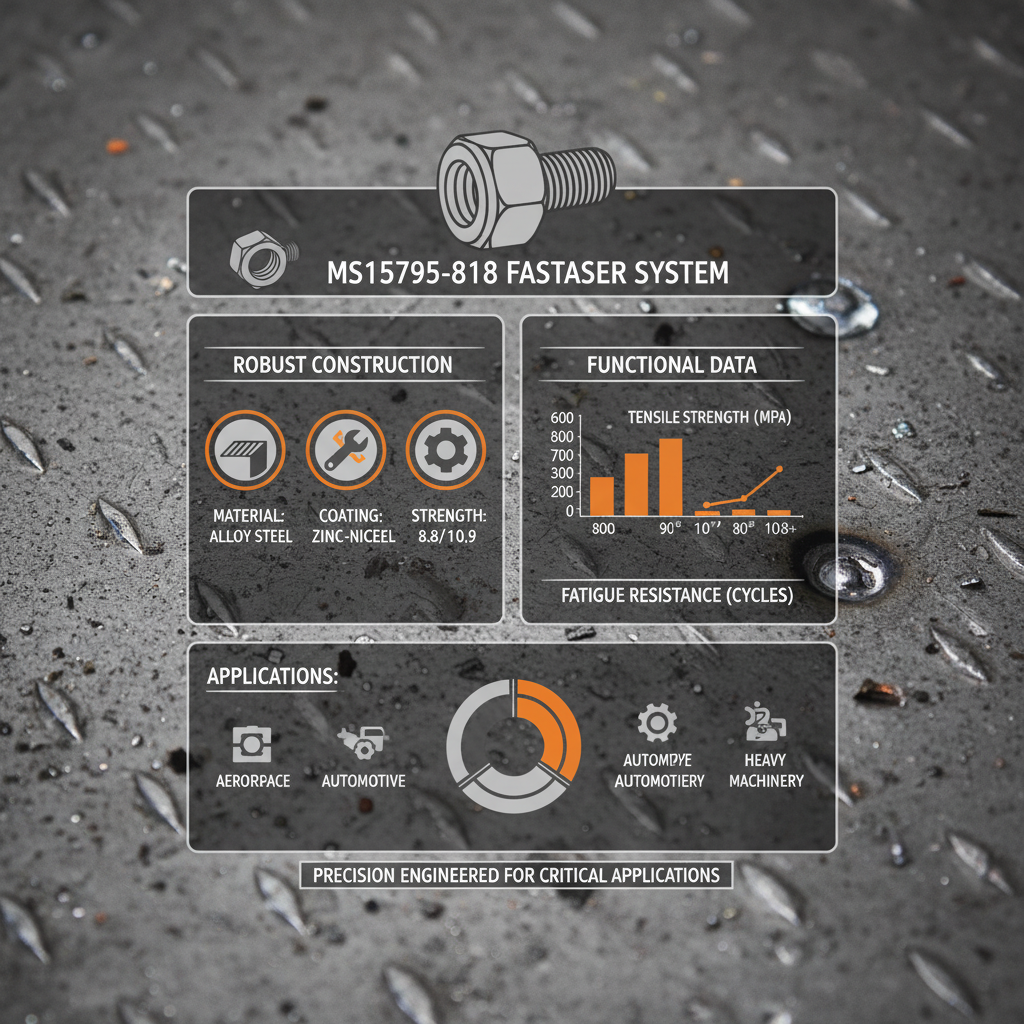
Choosing MS15795 818 fasteners offers several advantages. Their high shear and tensile strength provide a secure and durable connection. The solid shank construction minimizes the risk of failure under vibration and stress. The military standard manufacturing ensures consistent quality and reliability. They are also relatively easy to install with standard riveting tools, reducing assembly time and costs.
Conclusion: Reliable Fastening Solutions with MS15795 818
The MS15795 818 fastener represents a robust and reliable solution for a wide variety of fastening applications. From aerospace to automotive and beyond, its strength, durability, and adherence to stringent military standards make it a preferred choice for engineers and manufacturers. Selecting the appropriate material and ensuring proper installation are key to maximizing its benefits. Contact LZ Fasteners today to learn more about our MS15795 818 offerings.
Frequently Asked Questions (FAQs)
What tools are required to install MS15795 818 fasteners?
MS15795 818 fasteners are typically installed using a pneumatic or manual riveting tool. The specific tool required depends on the application and the volume of fasteners being installed. A bucking bar is also necessary to provide support on the backside of the fastener during installation. It's crucial to use the correct tooling to ensure a proper and secure rivet installation. Proper training and adherence to safety guidelines are also essential when using riveting tools.
What is the typical lead time for MS15795 818 fasteners?
Lead times for MS15795 818 fasteners can vary depending on the quantity, material, and current stock levels. Standard items in commonly used materials are typically available for immediate shipment. Custom sizes or orders requiring specific material certifications may have longer lead times. LZ Fasteners maintains a large inventory and offers competitive lead times. We recommend contacting our sales team for an accurate quote and delivery schedule.
Are MS15795 818 fasteners corrosion resistant?
Corrosion resistance depends on the material of the fastener. Aluminum alloy rivets offer good corrosion resistance in many environments. However, for applications requiring higher corrosion resistance, stainless steel or titanium are recommended. These materials are inherently resistant to corrosion and can withstand exposure to harsh chemicals and saltwater. Proper surface treatments and coatings can further enhance corrosion resistance.
What are the advantages of using solid shank rivets over hollow rivets?
Solid shank rivets, like the MS15795 818, offer significantly higher shear and tensile strength compared to hollow rivets. The solid shank provides more material and greater resistance to deformation under load. This makes them ideal for applications subject to vibration, fatigue, or high stress. While hollow rivets may be suitable for lighter-duty applications, solid shank rivets are preferred when structural integrity and reliability are paramount.
Latest news
-
Essential Guide to ms15795 856 Fasteners Precision and Reliability
NewsApr.16,2026
-
High Precision ms15795 852 Fasteners for Aerospace Applications
NewsApr.09,2026
-
Comprehensive Guide to MS15795 848 Fasteners for Aerospace and Industrial Applications
NewsApr.07,2026
-
Comprehensive Guide to MS15795 846 Fasteners for Aerospace and Industrial Use
NewsApr.04,2026
-
Comprehensive Guide to MS15795 844 Fasteners for Aerospace and Defense Applications
NewsMar.31,2026
-
Comprehensive Guide to MS15795 842 Fasteners for Aerospace and Defense
NewsMar.28,2026
 English
  Afrikaans
  Arabic
  Bengali
  Bulgarian
  French
  German
  Hindi
Hindi  Indonesian
  Italian
  Japanese
  Korean
  Malay
Malay  Portuguese
  Russian
  Spanish
  Thai
Thai  Turkish
  Urdu
Urdu  Vietnamese