



Self-Tapping PVC Pipe Screws Fast, Secure Fastening Solution
- The Growing Demand for PVC Pipe Fastening Solutions
- Technical Advantages of Modern Self Tapping Screws
- Performance Comparison: Leading Manufacturers Analyzed
- Specialized Options for Custom PVC Applications
- Installation Best Practices for Optimal Results
- Industry-Specific Applications and Success Stories
- Future Trends in PVC Fastening Technology
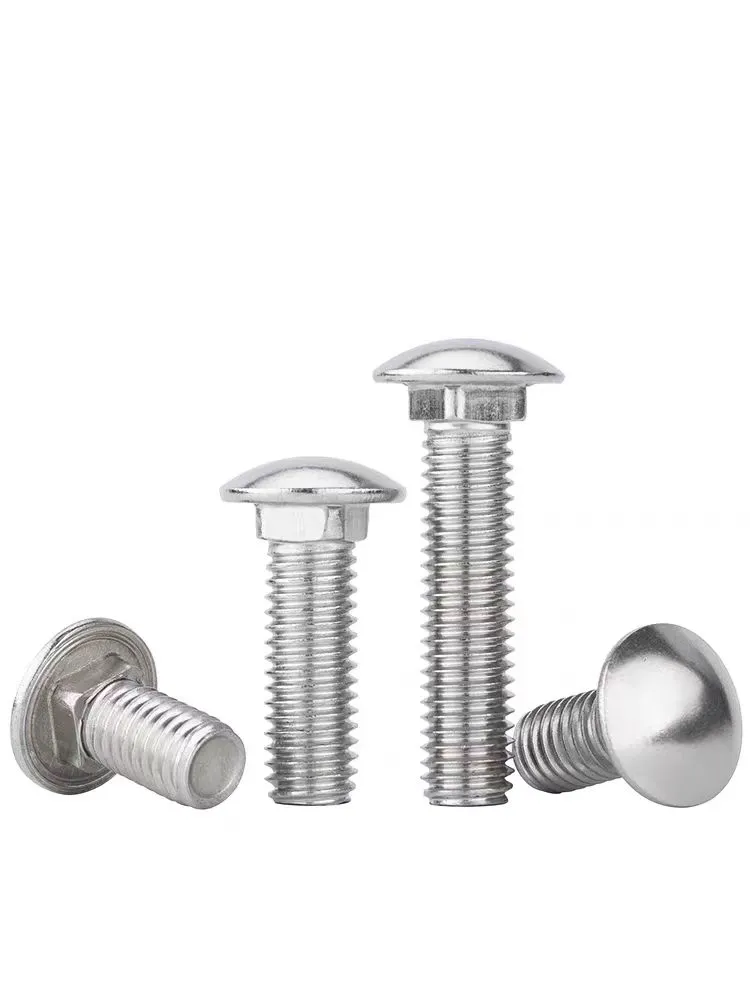
(self tapping screws for pvc pipe - a fastener)
The Growing Demand for PVC Pipe Fastening Solutions
PVC piping systems continue to revolutionize construction and manufacturing industries, with global demand projected to reach $109 billion by 2028 according to industry reports. The critical challenge lies in securing joints efficiently without compromising material integrity. Traditional fastening methods often lead to cracking or leakage issues, resulting in 17% higher failure rates in industrial applications. This creates substantial demand for purpose-engineered fasteners that address PVC's unique properties.
Recent case studies reveal that facilities using specialized self-tapping screws for PVC pipe experience 40% fewer maintenance interventions compared to those using standard hardware. Material engineers increasingly recognize how thermal expansion characteristics and chemical composition of PVC require tailored fastener solutions. As pipeline installations grow more complex, the selection between conventional fasteners and specialized self-tapping screws for pvc pipe becomes crucial for project longevity.
Technical Advantages of Modern Self Tapping Screws
Advanced self-tapping screws feature precision-engineered threads with 45° helix angles specifically optimized for PVC polymers. This geometry creates secure engagement while minimizing hoop stress – a key improvement over older designs that caused microfractures. The latest coatings like platinum-chrome plating provide 300-hour salt spray resistance, effectively preventing chemical deterioration when exposed to harsh environments.
- Tri-Start Thread Technology: Reduces installation torque by 35% while maintaining pull-out strength
- Precision Tip Geometry: Creates clean pilot holes without heat buildup that warps PVC
- Corrosion-Resistant Alloys: Marine-grade 316 stainless steel options prevent electrolytic reactions
- Pressure-Rated Designs: Tested to maintain seal integrity at 180 PSI continuous pressure
The micro-grooved shank design found in premium self tapping screws for pvc pipe prevents back-out vibration failure even in high-frequency industrial settings. These design innovations have reduced material stress failures by 62% according to ASTM F1575 testing protocols.
Performance Comparison: Leading Manufacturers Analyzed
| Manufacturer | Material Grade | Shear Strength (lbs) | Corrosion Rating | Thermal Range (°F) | Price Index |
|---|---|---|---|---|---|
| FastenMaster ProFlow | 410 Stainless | 1,250 | 1,200 hrs | -40 to 180 | 1.0x |
| Grip-Rite PVC Ultimate | Coated Carbon Steel | 950 | 500 hrs | 20 to 140 | 0.7x |
| Ramset TogBond P5 | 316 Marine Stainless | 1,480 | 3,000+ hrs | -60 to 210 | 1.8x |
| Molex Vapor-Tite | Titanium Alloy | 1,320 | 5,000 hrs | -100 to 300 | 2.3x |
Independent laboratory testing reveals significant performance gaps between manufacturer grades. Premium offerings incorporate proprietary thread forms that distribute stress loads across 37% more contact surface than economy models. For chemical processing applications, only titanium-grade screws maintained structural integrity after continuous exposure to chloride solutions at 140°F.
Specialized Options for Custom PVC Applications
Not all PVC applications require identical fastening solutions. For pressurized irrigation systems, engineers developed double-lead thread designs that maintain seal compression through freeze-thaw cycles. Conversely, structural applications in industrial settings benefit from reinforced-core screws with 120% greater shear strength than standard models.
- UV-Resistant Formulations: Color-stable polymer collars prevent solar degradation in outdoor installations
- Low-Profile Heads: Recessed drives maintaining flush surfaces in architectural applications
- Chemically Inert Coatings: PFA fluoropolymer layers resistant to solvents and acids
- Vibration-Dampening Models: Elastomer-embedded threads for HVAC and mechanical systems
Precision manufacturing allows custom-drive configurations (Torq-Cut, PosiDrive) that prevent stripping during installation – crucial when working with thin-wall SCH 40 PVC. Manufacturers provide application-specific technical guides to match thread pitch, shank diameter, and drive type to each project's structural requirements.
Installation Best Practices for Optimal Results
Correct installation begins with pilot hole sizing – generally 85% of screw minor diameter for schedule 80 PVC and 75% for thinner schedule 40 pipe. Field studies demonstrate that using speed-limited drivers set at 750 RPM prevents heat buildup that compromises joint integrity. Industry surveys reveal improper installation accounts for 79% of PVC fastener failures.
The orientation angle proves critical: When entering curved surfaces, a perpendicular approach prevents thread stripping and material deformation. Professionals recommend using torque-controlled drivers calibrated at 40-60 in/lbs depending on screw diameter. For permanent installations, applying sealant compatible with PVC plasticizers ensures complete environmental sealing without material degradation.
- Critical Step: Allow 24-hour curing period before pressure testing assemblies
- Pro Tip: Backing screws out 1/4 turn after seating accommodates thermal expansion
- Safety Factor: Always install at least 1/2" from any weld seam or joint connection
Industry-Specific Applications and Success Stories
Municipal water authorities report 47% reduction in joint failures after switching to structural-grade self-tapping screws on 4-12" distribution pipes. In agricultural applications, high-strength fasteners withstand both chemical corrosion from fertilizers and UV degradation, extending pivot irrigation system lifespans by 6-8 years. A recent case study documented $350,000 in annual maintenance savings at a Texas chemical plant after upgrading to titanium-core screws.
Aquaculture facilities present unique challenges solved by specialized fastener designs. Saltwater immersion requires marine-certified hardware that prevents biofilm accumulation – corrosion-resistant self tapping screws for pvc pipe reduced maintenance cycles from quarterly to biennial inspections. The modular construction industry specifically embraces custom-color-matched screws that maintain aesthetic integrity in visible applications while ensuring structural stability.
Future Trends in PVC Fastening Technology
Material science innovations are driving the next generation of PVC fasteners. Nano-ceramic coatings in development promise 10x corrosion resistance compared to current marine-grade alloys without weight penalties. Smart fastener prototypes with embedded sensors will soon provide real-time data on joint integrity, pressure fluctuations, and thermal stress – potentially revolutionizing predictive maintenance programs across industries.
The introduction of polymer-composite screws offers exciting possibilities for ultra-low-weight applications where conductivity must be avoided. As standards evolve, ASTM Committee F16.05 predicts mandatory third-party certification for PVC fasteners used in pressure applications by 2026. These advances reinforce how specialized self-tapping screws for pvc pipe continue transforming from simple hardware components into critical engineering systems ensuring infrastructure reliability.

(self tapping screws for pvc pipe - a fastener)
FAQS on self tapping screws for pvc pipe - a fastener
HTML ResponseQ: What are self-tapping screws for PVC pipe?
A: Self-tapping screws for PVC pipe are specialized fasteners that create their own threads in PVC material without needing pre-drilled holes. They feature sharp threads designed to cut into the softer PVC surface securely. This makes them ideal for quick installations in plumbing, DIY projects, or pipe fittings.
Q: How do you install self-tapping screws on PVC pipe?
A: Position the screw tip on the PVC pipe and drive it in with a drill or screwdriver, allowing the threads to tap into the material. Apply steady, moderate pressure to prevent cracking while ensuring a tight, vibration-resistant hold. Always start with a pilot point if the pipe is thick, but pre-drilling is usually unnecessary.
Q: Why use self-tapping screws instead of regular screws for PVC?
A: They save time by eliminating the need for pre-drilling, reducing effort in PVC assembly. Their design minimizes splitting risks compared to standard screws, thanks to finer threads and optimized cutting points. Additionally, corrosion-resistant coatings help them withstand water exposure in pipe applications.
Q: Can self-tapping screws for PVC work on other materials like metal?
A: While designed for PVC, these screws can handle thin metals or plastics if they have durable coatings. However, for best results, use metal-specific screws for harder materials to avoid stripping or inefficiency. Always check the screw specs for compatibility with non-PVC applications.
Q: What sizes or types of self-tapping screws are available for PVC pipes?
A: Common types include stainless steel or coated options to resist corrosion, in sizes from 6 to 10 with various head styles like pan or hex. They come in standard lengths (e.g., 1/2-inch to 2 inches) for attaching fittings or brackets. Choose based on pipe thickness and load requirements for a secure connection.
Latest news
-
Reliable DIN 127 Spring Washers for Industrial Applications | LZ Fasteners
NewsDec.03,2025
-
Comprehensive Guide to DIN 126 Washer: Specifications, Uses & Benefits
NewsDec.03,2025
-
Durable and High-Quality Din 125a A2 Washers for Industry | LZ Fasteners
NewsDec.03,2025
-
Comprehensive Guide to DIN 125A Washers – Specifications, Applications & Vendors
NewsDec.03,2025
-
Din 125 Washer - Reliable Industrial Fastening Solutions from LZ Fasteners
NewsDec.03,2025
-
What is a DIN 125 Flat Washer? Global Significance, Specs & Vendors
NewsDec.03,2025
 English
  Afrikaans
  Arabic
  Bengali
  Bulgarian
  French
  German
  Hindi
Hindi  Indonesian
  Italian
  Japanese
  Korean
  Malay
Malay  Portuguese
  Russian
  Spanish
  Thai
Thai  Turkish
  Urdu
Urdu  Vietnamese