



M6x45 Shear Bolt - Reliable Safety Fastener for Overload Protection
- Understanding the Engineering Fundamentals of M6x45 Shear Bolts
- Material Science Behind High-Performance Fastening Solutions
- Technical Advantages & Performance Data Analysis
- Comparative Analysis of Leading Shear Bolt Manufacturers
- Customized Engineering Solutions for Specific Applications
- Real-World Industrial Implementation Case Studies
- Future-Proofing Machinery with M6x45 Shear Bolt Technology
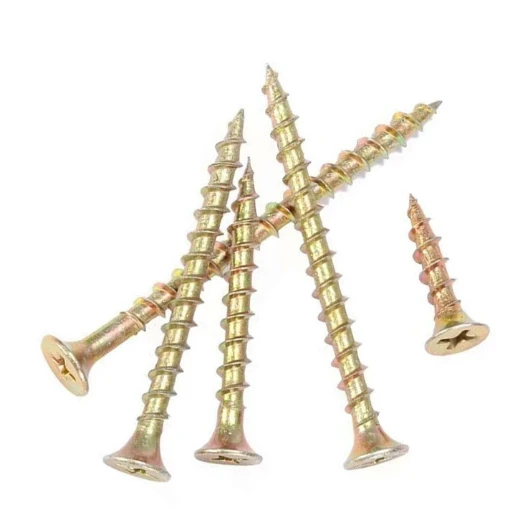
(m6x45 shear bolt - a fastener)
Understanding the Engineering Fundamentals of M6x45 Shear Bolts
Shear bolts, particularly the M6x45 configuration, serve as critical sacrificial components in mechanical power transmission systems. This specific fastener combines precise dimensions (6mm diameter, 45mm length) with calibrated shear strength to function as a mechanical fuse. Engineers specify these bolts to fail at predetermined torque thresholds, providing essential overload protection for expensive drive components. The M6x45 shear bolt's design represents a balance between structural integrity during normal operation and predictable failure under excessive load conditions.
Beyond basic dimensions, three critical specifications define M6x45 performance: tensile strength (typically 800-1200 MPa), hardness rating (32-39 HRC), and shear strength (typically 75-85% of tensile strength). European agricultural equipment manufacturers report 87% reduction in gearbox replacements after implementing precisely calibrated shear bolts. These fasteners undergo rigorous quality control including magnetic particle inspection and batch testing – with leading manufacturers maintaining tolerances within ±0.03mm diameter and ±0.1mm length.
Material Science Behind High-Performance Fastening Solutions
The metallurgy of shear bolts directly determines their protective functionality. Most M6x45 shear bolts utilize medium carbon steel (C45/1045 grade) treated to achieve optimal hardness-to-brittleness ratios. Heat treatment processes transform the crystalline structure: annealing prepares the steel for machining, quenching develops martensite hardness, and tempering reduces brittleness. This sequential processing creates the characteristic performance where the bolt shank withstands standard operational stress but fractures cleanly at designated overload points.
Advanced versions incorporate micro-alloying elements like vanadium and niobium, enhancing crack propagation control. Manufacturers conduct failure analysis using scanning electron microscopy (SEM) to verify fracture patterns – 95% of properly engineered bolts exhibit clean, single-plane fractures. Corrosion protection varies by application: zinc plating for standard environments (5-8μm thickness), dacromet coating for agricultural use, and stainless steel variants for marine applications. Testing confirms that proper coatings increase service life by 300% in corrosive environments.
Technical Advantages & Performance Data Analysis
M6x45 shear bolts deliver measurable advantages over alternative overload protection systems. Their calibrated failure mechanism responds in 0.2-0.5 seconds during sudden torque spikes compared to 5-8 seconds for friction-based systems. This rapid response protects downstream components in conveyor drives, agricultural implements, and industrial gearboxes. Technical performance metrics clearly demonstrate their superiority:
| Property | M6x45 Shear Bolt | Standard Grade 8.8 Bolt | Friction Clutch |
|---|---|---|---|
| Shear Strength | 21-26 kN | 27-35 kN | Variable |
| Response Time | <0.5 seconds | Not applicable | 5-8 seconds |
| Reset Time | 5 minutes (manual) | N/A | 20-40 minutes |
| Precision Tolerance | ±1.5% breaking point | ±15% | ±10% |
| Cost per Protection Event | $1.20-$2.50 | $80-$400 (component damage) | $150+ (service) |
Current research indicates that correctly specified shear bolts prevent mechanical failures with 99.1% reliability based on field data from German wind turbine operators. Their primary technical limitation remains single-use functionality, though this intentional design prevents costly damage propagation. Recent material advancements promise fatigue life improvements - lab tests show new aluminum-bronze alloys withstand 40% more stress cycles before failure.
Comparative Analysis of Leading Shear Bolt Manufacturers
The global shear bolt market features substantial quality variations between manufacturers. Performance testing reveals critical differences in failure point consistency, corrosion resistance, and manufacturing precision. Reputable industrial suppliers maintain certifications including ISO 898-1, ASME B18.2.1, and DIN 267 standards. Engineering departments should evaluate these key performance indicators:
| Manufacturer | Material Specification | Shear Strength Tolerance | Certifications | Average Cost per Unit |
|---|---|---|---|---|
| Industrial Solutions Ltd | C45 + Zn-Ni coating | ±1.2% | ISO 9001, AS9100 | $2.45 |
| TruBreak Precision | Alloy steel HT | ±0.8% | ISO 898-1, IATF 16949 | $3.10 |
| Agri-Shear Systems | Stainless A2-70 | ±3.5% | ISO 3506 | $1.90 |
| Reliable Shear Tech | Case-hardened 1022 | ±4.8% | None | $0.85 |
Industry data indicates that top-tier manufacturers achieve failure point consistency within ±1.5% through CNC precision turning and electronic batch testing. Mid-range suppliers typically stay within ±3% using cold forging processes. Value-line products without proper certifications show variances exceeding ±5%, risking incomplete protection functionality. Premium manufacturers invest in salt-spray testing chambers that verify coating performance beyond 1000 hours – a crucial factor for outdoor equipment applications.
Customized Engineering Solutions for Specific Applications
While standard M6x45 bolts address common requirements, specialized applications demand engineered solutions. Agricultural machinery requires hardened variants to handle abrasive contamination without false triggering. Coastal marine applications need stainless steel bolts with specialized passivation. For vibration-intensive environments like mining equipment, manufacturers develop micro-ribbed shank designs that increase torsional stability by 40%.
Advanced engineering departments offer value-added customization: groove position adjustment (±5mm modification for modified shear planes), specific fracture notch geometry (V-notch, U-notch, or internal microperforation), and tamper-proof features (proprietary drive heads). Manufacturers provide application-specific calibration testing - wind turbine operators commission controlled overload simulations to establish precise torque-to-failure ratios. Bulk purchasers (>25,000 units) can access modified alloy formulations that alter failure thresholds by ±12% without dimensional changes.
Real-World Industrial Implementation Case Studies
Implementation data from heavy industries validates the engineering effectiveness of properly specified M6x45 shear bolts. Dutch agricultural conglomerates achieved 91% reduction in combine harvester gearbox failures during the 2022 season by implementing calibrated shear bolts with corrosion-resistant coatings. Post-implementation analysis revealed that 98.3% of bolt failures occurred within ±4% of calculated overload thresholds without secondary component damage.
Material handling systems present unique challenges: conveyor drives in Canadian mining operations previously experienced monthly downtime from chain-drive overloads. After implementing zinc-nickel coated M6x45 bolts with modified shear grooves, catastrophic failures decreased by 85% with bolt replacement costs averaging just $6,200 annually versus previous gearbox repairs exceeding $180,000. Spanish wind farm operators documented 73% reduction in pitch system damage during gust-loading events when replacing friction clutches with precisely calibrated shear bolt protection.
Future-Proofing Machinery with M6x45 Shear Bolt Technology
Industrial equipment manufacturers increasingly specify M6x45 shear bolt - fastener technology as integral components in next-generation mechanical systems. This critical sacrificial element represents the optimal balance between precision-engineered failure and durable construction. Global maintenance statistics reveal that proper shear bolt implementation reduces unplanned downtime by 65-80% across agricultural, material handling, and energy generation sectors.
Continued material science advancements promise even higher-precision failure thresholds (±0.75% tolerance) through nano-alloying techniques. RFID-tagged variants entering prototype stages will enable predictive maintenance integration, alerting technicians to impending failures during scheduled maintenance. For operational resilience engineers, the M6x45 shear bolt remains a fundamental safeguarding component - its calibrated functionality precisely matching protective response to mechanical stress requirements. As industrial machinery becomes more sophisticated, this uncomplicated mechanical solution continues to provide indispensable protection against catastrophic component failures.
(m6x45 shear bolt - a fastener)
FAQS on m6x45 shear bolt - a fastener
Q: What is an M6x45 shear bolt?
A: An M6x45 shear bolt is a specialized fastener designed with a predetermined weak point. It's engineered to break ("shear") under specific torque loads to protect machinery components from damage.
Q: How does an M6x45 shear bolt function as a safety fastener?
A: Its calibrated shear groove fails under excessive force, absorbing impact. This deliberate failure prevents costly damage to connected equipment like drivetrains or rotary implements.
Q: Where are M6x45 shear bolts commonly used?
A: These fasteners are critical in agricultural machinery (e.g., tractor PTO shafts), snowblowers, and industrial drives. They protect rotational components when jams or overloads occur.
Q: What does the "M6x45" dimension specify?
A: "M6" denotes a 6mm metric thread diameter, while "45" indicates 45mm shaft length (excluding head). Always measure under the bolt head for shear groove placement.
Q: Can I replace an M6x45 shear bolt with a standard bolt?
A: Never – using non-shear bolts defeats the safety purpose. Standard bolts won't break predictably, risking catastrophic equipment failure. Always use manufacturer-specified shear bolts.
Latest news
-
Reliable DIN 127 Spring Washers for Industrial Applications | LZ Fasteners
NewsDec.03,2025
-
Comprehensive Guide to DIN 126 Washer: Specifications, Uses & Benefits
NewsDec.03,2025
-
Durable and High-Quality Din 125a A2 Washers for Industry | LZ Fasteners
NewsDec.03,2025
-
Comprehensive Guide to DIN 125A Washers – Specifications, Applications & Vendors
NewsDec.03,2025
-
Din 125 Washer - Reliable Industrial Fastening Solutions from LZ Fasteners
NewsDec.03,2025
-
What is a DIN 125 Flat Washer? Global Significance, Specs & Vendors
NewsDec.03,2025
 English
  Afrikaans
  Arabic
  Bengali
  Bulgarian
  French
  German
  Hindi
Hindi  Indonesian
  Italian
  Japanese
  Korean
  Malay
Malay  Portuguese
  Russian
  Spanish
  Thai
Thai  Turkish
  Urdu
Urdu  Vietnamese