



Hot Dip Galvanized Bolts-LongZe|Corrosion Resistance&High Strength
Hot dip galvanized bolts are essential fasteners in modern engineering, offering exceptional durability and corrosion resistance. These bolts are coated with a layer of zinc through a hot-dip galvanizing process, which provides long-term protection against rust and environmental degradation. This article explores the functional capabilities, technical specifications, applications, and company background of high-quality hot dip galvanized bolts, with a focus on products offered by LongZe.
Product Overview
Hot dip galvanized bolts are designed to meet rigorous industrial standards while maintaining structural integrity under demanding conditions. They are available in a wide range of sizes, materials, and grades, making them suitable for diverse applications. The LongZe product line includes grade 8.8 hex bolts, stainless steel hex bolts, and customizable options, ensuring versatility for both standard and specialized use cases.
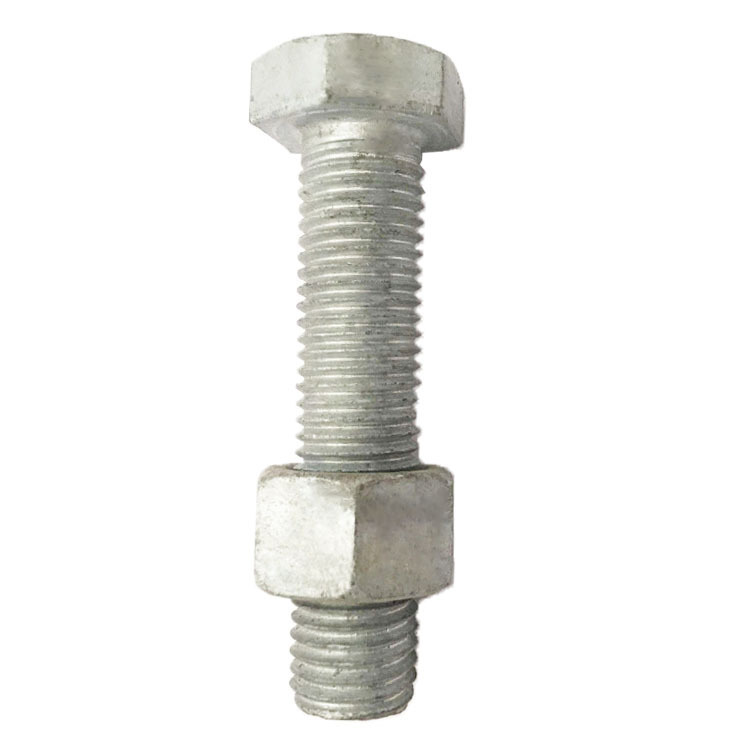
Figure 1: Hot dip galvanized bolts with a smooth zinc coating for enhanced corrosion resistance.
Technical Specifications
The technical specifications of hot dip galvanized bolts are critical to their performance and application. Below is a detailed table summarizing key parameters:
| Parameter | Details |
|---|---|
| Size | M6-M60, 1/4"–2.5" (customizable) |
| Length | 40mm–6000mm (customizable) |
| Standards | ISO, DIN, ANSI, ASME, ASTM, BS, JIS, DIN933, DIN931, ISO 4017, EN 24017 |
| Material | Carbon steel (Q235, 35K, 45K, 40Cr, 20MnTiB), stainless steel (A2, A4) |
| Grade | 4.8, 5.8, 6.8, 8.8, 10.9 |
| Surface Finish | Hot dip galvanized (HDG), zinc-plated, black oxide, Teflon, DACROMET |
Key Features and Advantages
Hot dip galvanized bolts are prized for their corrosion resistance, strength, and versatility. Here are the primary benefits:
- Corrosion Resistance: The zinc coating acts as a sacrificial anode, protecting the underlying steel from oxidation even if the coating is scratched. This makes them ideal for outdoor and marine environments.
- High Strength: Grade 8.8 and 10.9 bolts offer exceptional tensile strength, suitable for heavy-duty applications such as construction and machinery.
- Customization: LongZe provides customizable sizes, lengths, and surface finishes to meet specific project requirements.
- Compliance with Global Standards: Adherence to ISO, DIN, and ASTM standards ensures compatibility with international engineering practices.
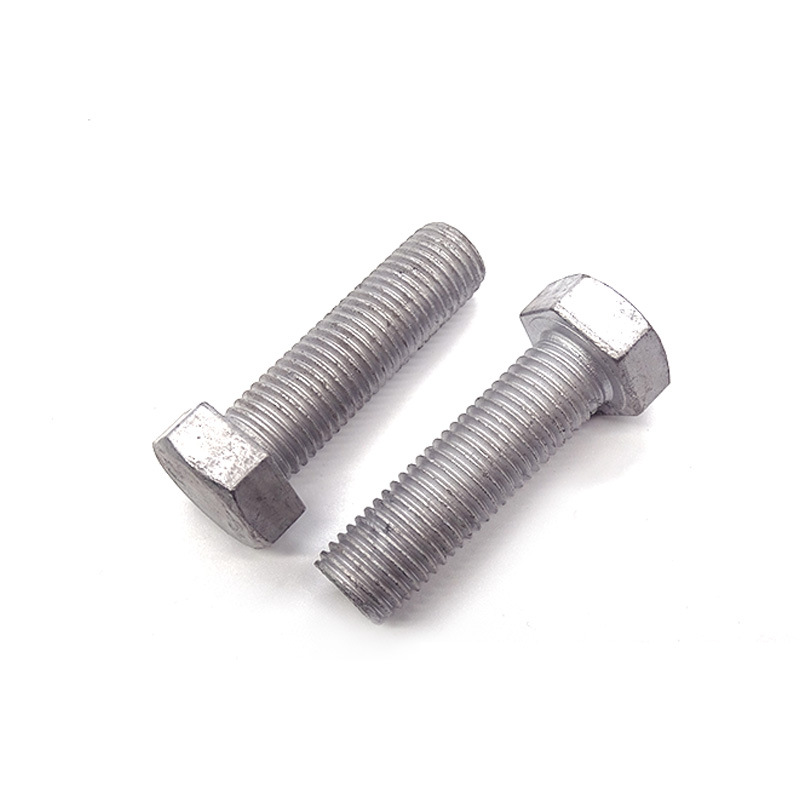
Figure 2: M6 hot dip galvanized bolt with a uniform zinc coating.
Applications
Hot dip galvanized bolts are used across industries where durability and reliability are paramount. Key applications include:
- Construction: For structural steel connections, bridges, and scaffolding.
- Marine Engineering: In shipbuilding and offshore platforms due to their resistance to saltwater corrosion.
- Automotive: For vehicle chassis and components exposed to harsh weather conditions.
- Industrial Machinery: In heavy equipment and manufacturing systems requiring high-strength fasteners.
- Infrastructure: For utility poles, fencing, and highway signs.
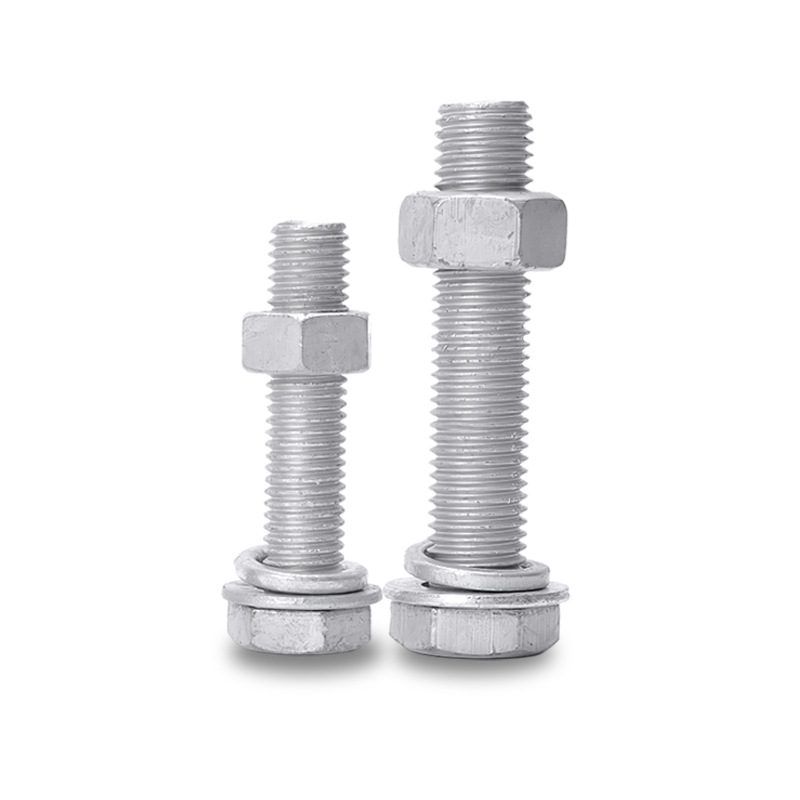
Figure 3: M6 hot dip galvanized bolts used in industrial machinery.
Company Background: LongZe
LongZe is a leading manufacturer of high-quality fasteners, specializing in hot dip galvanized bolts and other industrial components. With over two decades of experience, the company has established itself as a trusted supplier to clients worldwide. Their commitment to innovation and quality is reflected in their adherence to international standards and advanced production techniques.
LongZe's facilities are equipped with state-of-the-art machinery for precision manufacturing, ensuring that each bolt meets stringent quality control protocols. The company's product range includes not only hot dip galvanized bolts but also a variety of screws, nuts, and washers, catering to diverse engineering needs.
Industry Standards and NIST References
The performance and reliability of hot dip galvanized bolts are governed by NIST (National Institute of Standards and Technology) guidelines. While NIST does not directly regulate fasteners, its role in developing measurement standards and material specifications ensures that products like these meet global benchmarks. For example, NIST's research on corrosion resistance and material durability informs best practices in the fastener industry 1.
According to NIST, "Precise measurement and standardized testing are critical for ensuring the longevity and performance of materials used in infrastructure and industrial applications" 1. This underscores the importance of adhering to standards such as ISO and ASTM when manufacturing and selecting fasteners.
Conclusion
Hot dip galvanized bolts are indispensable in modern engineering, offering a combination of strength, durability, and corrosion resistance. The products offered by LongZe exemplify the highest standards of quality and innovation. Whether for construction, marine applications, or industrial machinery, these bolts provide reliable solutions for demanding environments.
For more information about LongZe's products, visit their website. To explore NIST's role in advancing material standards, visit the NIST website.
References
1 National Institute of Standards and Technology (NIST). "Standards and Measurements." https://www.nist.gov/standards-and-measurements. Accessed October 2023.
Latest news
-
Reliable DIN 127 Spring Washers for Industrial Applications | LZ Fasteners
NewsDec.03,2025
-
Comprehensive Guide to DIN 126 Washer: Specifications, Uses & Benefits
NewsDec.03,2025
-
Durable and High-Quality Din 125a A2 Washers for Industry | LZ Fasteners
NewsDec.03,2025
-
Comprehensive Guide to DIN 125A Washers – Specifications, Applications & Vendors
NewsDec.03,2025
-
Din 125 Washer - Reliable Industrial Fastening Solutions from LZ Fasteners
NewsDec.03,2025
-
What is a DIN 125 Flat Washer? Global Significance, Specs & Vendors
NewsDec.03,2025
 English
  Afrikaans
  Arabic
  Bengali
  Bulgarian
  French
  German
  Hindi
Hindi  Indonesian
  Italian
  Japanese
  Korean
  Malay
Malay  Portuguese
  Russian
  Spanish
  Thai
Thai  Turkish
  Urdu
Urdu  Vietnamese