



Heavy-Duty License Plate Fasteners: Secure, Hidden, Rust-Proof Mount
Introduction to High-Performance license plate fasteners
In the intricate world of industrial and automotive applications, the integrity of a connection is paramount. License plate fasteners, while seemingly simple components, play a critical role in ensuring secure, long-lasting attachments across diverse sectors. Far beyond mere vehicular identification, the underlying technology of these fasteners—encompassing robust materials, precise manufacturing, and specialized designs—serves as a foundation for numerous heavy-duty and precision fastening requirements. From securing vital components in aerospace to anchoring structural elements in infrastructure, understanding the technical nuances and application versatility of modern fastening solutions is essential for B2B decision-makers and engineers.
This comprehensive overview delves into the core aspects of advanced fastening technologies, focusing on materials science, manufacturing precision, critical industry trends, and the meticulous considerations required for selecting optimal solutions. We will explore how these fasteners, often including variants like heavy duty snap fasteners, hidden deck fasteners, and anchor fastener 10mm, are engineered to meet the demanding specifications of industries ranging from petrochemical to renewable energy, emphasizing durability, corrosion resistance, and ease of installation.
The Manufacturing Process of Precision Fasteners
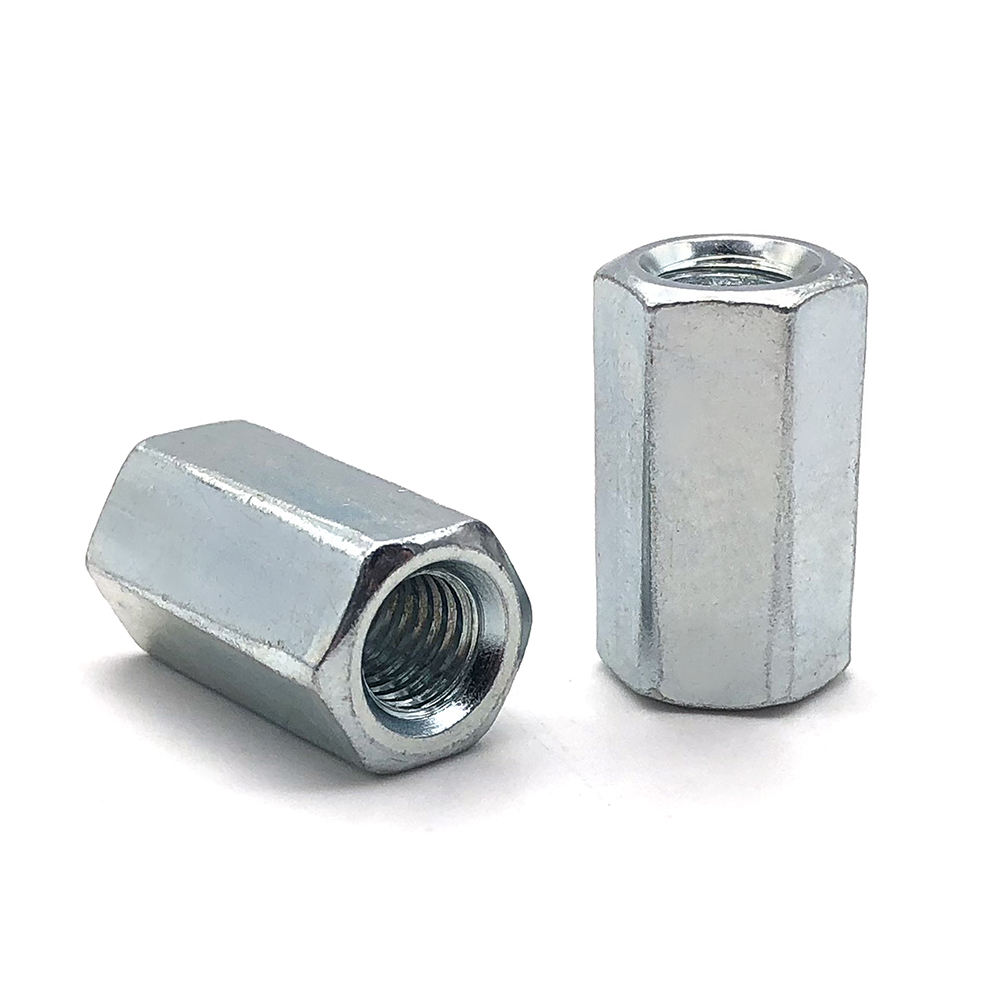
The production of high-performance license plate fasteners, or any critical fastener like the Hex Coupling Nut, is a multi-stage process governed by stringent quality control and advanced engineering. This ensures that each component meets exacting standards for strength, durability, and dimensional accuracy.
1. Material Selection and Preparation
The foundation of any superior fastener lies in its material. For applications requiring high strength and corrosion resistance, common materials include stainless steel (e.g., A2, A4 grades), alloy steels (e.g., 4140, 8620), carbon steel, brass, and specialized alloys like Inconel or Monel for extreme environments. Raw materials are typically sourced as rods or wire coils, which undergo initial cleaning and surface treatment.
- Stainless Steel (e.g., 304/A2, 316/A4): Chosen for excellent corrosion resistance, especially in marine, chemical, and food processing industries.
- Alloy Steel (e.g., ASTM A193 B7): Preferred for high-temperature and high-pressure applications in petrochemical and power generation due to superior tensile strength.
- Brass: Utilized for its electrical conductivity, low friction, and aesthetic appeal in certain applications.
2. Manufacturing Processes
The manufacturing journey employs various sophisticated techniques:
- Cold Forming (Cold Forging): This is the most common method for producing standard fasteners. Wire is fed into a machine, cut to length, and then forced through dies at room temperature to form the head and body. This process improves grain structure, enhances strength, and reduces material waste, making it energy efficient.
- Hot Forging: For larger, heavier fasteners, or those made from harder alloys, hot forging is used. Material is heated above its recrystallization temperature, making it more ductile and easier to shape. This method is ideal for producing heavy duty snap fasteners and large anchor fastener components.
- CNC Machining: For highly complex geometries, low-volume specialty fasteners, or secondary operations like thread cutting on a Hex Coupling Nut, CNC (Computer Numerical Control) machining offers unparalleled precision. This process involves material removal using cutting tools guided by computer programs, ensuring tight tolerances.
- Thread Rolling: Rather than cutting, threads are typically formed by rolling. This involves pressing the fastener blank between dies, which form the threads. Thread rolling compacts the material, increasing fatigue strength and creating a smoother, more durable thread profile compared to cut threads.
Process Flow Schematic:
- Material Ingot/Coil Selection (e.g., Stainless Steel 316)
- ↓
- Wire Drawing/Bar Stock Preparation (Sizing, Cleaning)
- ↓
- Cutting & Heading/Forging (Cold/Hot Forging for body & head formation)
- ↓
- Thread Rolling/Cutting (Creating precise threads)
- ↓
- Heat Treatment (Hardening, Tempering for strength/ductility)
- ↓
- Surface Treatment/Plating (Zinc, Nickel, Passivation for corrosion resistance)
- ↓
- Quality Control & Testing (Dimensional, Tensile, Hardness, Corrosion)
- ↓
- Packaging & Distribution
3. Heat Treatment and Surface Finishes
Post-forming, many fasteners undergo heat treatment (e.g., quenching and tempering) to achieve desired mechanical properties such as hardness and tensile strength. Surface finishes, like zinc plating, hot-dip galvanizing, or PTFE coatings, are applied to enhance corrosion resistance, reduce friction, or improve aesthetics, extending the service life of the fasteners significantly, especially in harsh environments like marine or chemical processing.
4. Testing Standards and Quality Assurance
Adherence to international standards is non-negotiable. Our fasteners, including robust license plate fasteners variants, comply with:10 different types of fasteners are subjected to their own rigorous standards.
- ISO (International Organization for Standardization): ISO 898-1 for mechanical properties of carbon steel and alloy steel fasteners; ISO 3506 for stainless steel fasteners.
- ANSI (American National Standards Institute) / ASME (American Society of Mechanical Engineers): Standards like ASME B18.2.1 for square and hex bolts and screws, and ASME B18.2.2 for nuts, ensure dimensional interchangeability and performance.
- ASTM (American Society for Testing and Materials): Widely used for material specifications and testing methods, e.g., ASTM F593 for Stainless Steel Bolts, Screws, and Studs, or ASTM A193/A194 for alloy and stainless steel bolting materials for high-temperature service.
Testing includes tensile strength, hardness, proof load, wedge tensile, and various non-destructive tests (NDT) to ensure structural integrity and a predictable service life, typically ranging from 10 to 50 years depending on the material, application, and environmental conditions. This meticulous approach guarantees products suitable for demanding target industries such as petrochemical, metallurgy, water supply & drainage, and renewable energy, offering distinct advantages like enhanced energy saving through minimized maintenance and superior corrosion resistance.
Industry Trends and Market Dynamics in Fastener Technology
The global fastener market is continually evolving, driven by advancements in material science, manufacturing automation, and increasing demand for specialized applications. Key trends are shaping the development and deployment of high-performance license plate fasteners and industrial fastening solutions.
1. Lightweighting and Advanced Materials
With the automotive, aerospace, and renewable energy sectors pushing for improved fuel efficiency and reduced overall weight, there's a growing demand for fasteners made from lightweight yet high-strength materials such as titanium alloys, aluminum alloys, and advanced composites. These materials offer comparable or superior mechanical properties to traditional steel, but at a fraction of the weight, contributing significantly to energy saving in operational contexts.
2. Smart Fasteners and IoT Integration
The advent of Industry 4.0 is bringing smart fastening solutions into prominence. Fasteners embedded with sensors can monitor tension, temperature, and vibration in real-time, providing critical data for predictive maintenance and ensuring structural integrity. This trend is particularly relevant for critical infrastructure and high-stress applications where early detection of loosening or fatigue can prevent catastrophic failures. This technological leap enhances the reliability of heavy duty snap fasteners in dynamic environments.
3. Enhanced Corrosion Resistance and Durability
As global infrastructure ages and exposure to aggressive environments increases, the demand for fasteners with superior corrosion resistance is surging. Innovations in surface coatings, such as ceramic coatings, specialized alloys, and multi-layer protective systems, are extending the service life of fasteners even in highly corrosive conditions (e.g., marine, chemical processing plants). This directly impacts the longevity and maintenance cycles of components secured by license plate fasteners.
4. Sustainable Manufacturing Practices
Environmental concerns are driving fastener manufacturers towards more sustainable practices. This includes optimizing material usage, reducing waste through processes like cold forging, minimizing energy consumption, and using recyclable materials. Manufacturers are increasingly seeking certifications that demonstrate their commitment to environmental stewardship.
5. Rise of Specialized and Hidden Fasteners
Specific applications, such as architectural designs or composite material assemblies, increasingly demand fasteners that are either designed for specific aesthetic integration or for securing materials without visible penetration. Examples include hidden deck fasteners which provide a clean finish for outdoor decking, and various other hidden fasteners that maintain surface integrity while providing robust connections. These trends highlight the diversification of fastener types beyond conventional bolts and nuts.
Technical Specifications and Performance Parameters
Understanding the precise technical specifications of fasteners is crucial for ensuring compatibility, reliability, and safety in B2B applications. Below, we provide key parameters relevant to a range of fasteners, including our Hex Coupling Nut, designed to meet rigorous industrial demands. These specifications highlight the expertise and engineering precision embedded in each product.
Hex Coupling Nut Product Specifications
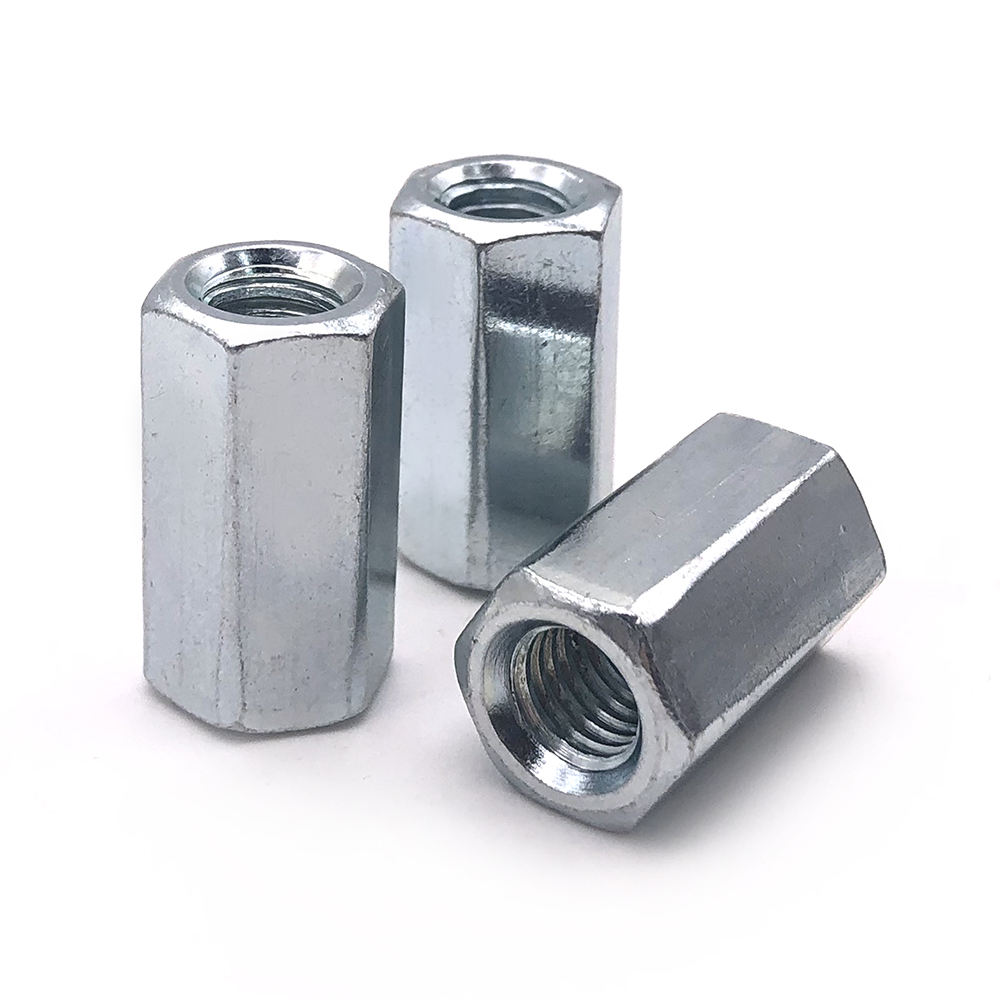
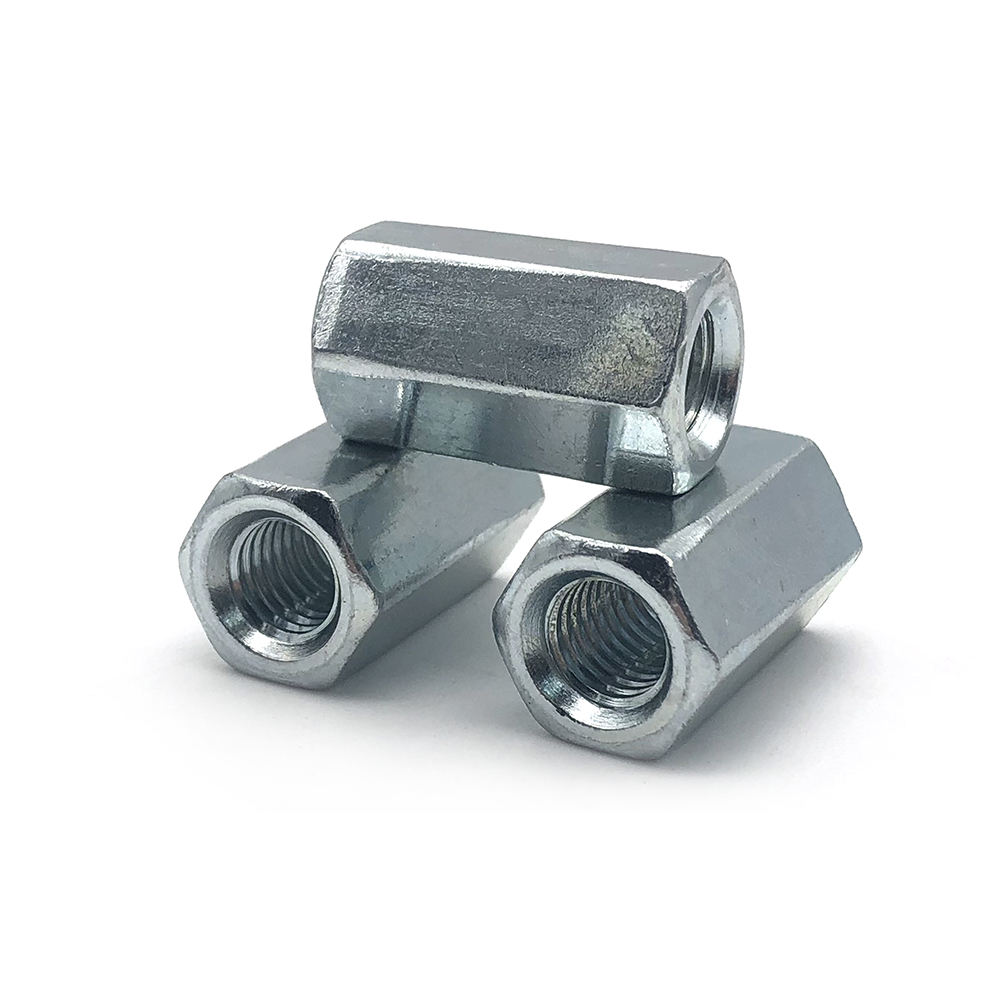
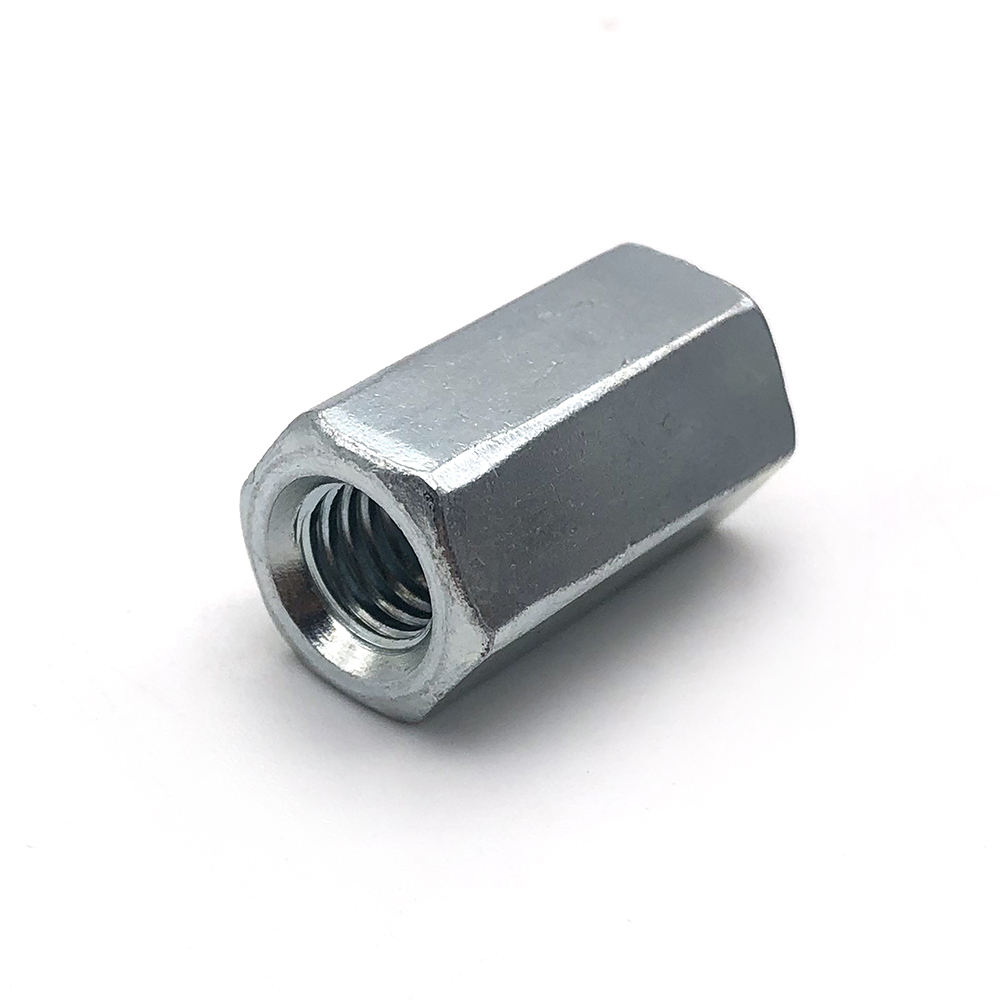
The Hex Coupling Nut is a prime example of a robust industrial fastener, designed for extending thread length or coupling two threaded rods. Its design and material properties are critical for applications requiring strong, reliable connections.
| Parameter | Specification | Relevant Standard |
|---|---|---|
| Product Type | Hex Coupling Nut | ASME B18.2.2 |
| Material Grade | Carbon Steel (Grade 2), Alloy Steel (Grade 5, 8), Stainless Steel (304, 316) | ASTM A563 (Carbon/Alloy), ASTM F594 (Stainless) |
| Thread Diameter Range | 1/4" to 4" (M6 to M100) | ASME B1.1 (Unified Threads), ISO 261 (Metric Threads) |
| Length Range | 3/4" to 8" (20mm to 200mm) | Manufacturer Specific / Custom |
| Tensile Strength (Min) | 75,000 psi (Grade 2), 120,000 psi (Grade 5), 150,000 psi (Grade 8) | ASTM A563 |
| Yield Strength (Min) | 55,000 psi (Grade 2), 92,000 psi (Grade 5), 130,000 psi (Grade 8) | ASTM A563 |
| Hardness (Rockwell) | B70-100 (Grade 2), C24-38 (Grade 5), C33-39 (Grade 8) | ASTM E18 |
| Surface Finish Options | Plain, Zinc Plated (Clear, Yellow, Black), Hot Dip Galvanized, PTFE Coated | ASTM B633, ASTM A153, DIN EN ISO 10684 |
| Temperature Range | -50°C to +450°C (Material Dependent) | Application Specific |
Comparison of Fastener Types for Specific Applications
Different applications necessitate distinct fastener types. Here's a comparative look at how various fasteners address specific needs, including license plate fasteners in their broader context.
| Fastener Type | Primary Application | Key Advantage | Typical Materials |
|---|---|---|---|
| Hex Coupling Nut | Threaded rod extension, pipe hanging, structural connections. | Extends reach, strengthens connections, versatile. | Carbon Steel, Stainless Steel, Brass. |
| Heavy Duty Snap Fasteners | Tarpaulins, marine covers, industrial fabrics, heavy upholstery. | Quick attachment/detachment, strong hold, robust. | Stainless Steel, Brass, Nickel-plated Steel. |
| Hidden Deck Fasteners | Decking boards (wood/composite), cladding. | Invisible fastening, clean aesthetic, prevents surface damage. | Stainless Steel, UV-resistant Polymer. |
| Anchor Fastener (10mm) | Securing objects to concrete, masonry, brick. | High pull-out strength, reliable load bearing. | Carbon Steel (Zinc Plated), Stainless Steel. |
| Structural Bolts (A325/A490) | Steel frame construction, bridges, heavy machinery. | Exceptional shear and tensile strength for critical structures. | High-strength Alloy Steel. |
Diverse Application Scenarios and Technical Advantages
The versatility of modern fastening solutions extends across a multitude of industries, driven by specific technical requirements and the need for reliable, long-lasting connections. Our comprehensive range, including specialized license plate fasteners and industrial-grade Hex Coupling Nuts, offers distinct advantages across diverse application scenarios.
1. Petrochemical and Oil & Gas Industry
In petrochemical plants and offshore drilling rigs, fasteners are exposed to extreme temperatures, high pressures, and corrosive chemicals. Here, material selection is critical. Our Hex Coupling Nuts, manufactured from ASTM A193 Grade B7 or B16 alloy steel, or various stainless steels like 316/316L, provide the necessary tensile strength and corrosion resistance for pipeline systems, pressure vessels, and structural components. The precise threading (e.g., class 2A/2B fit) ensures leak-proof and secure connections, contributing to overall plant safety and operational efficiency.
- Technical Advantage: Superior corrosion resistance and high-temperature performance (up to 450°C for certain alloys), minimizing component failure and extending maintenance cycles.
2. Metallurgy and Heavy Machinery
Heavy industrial machinery, such as that used in steel mills, mining operations, or manufacturing plants, experiences constant vibration and heavy loads. Heavy duty snap fasteners and large-diameter bolts, often specified to ISO 898-1 property classes (e.g., 8.8, 10.9, 12.9), are engineered to withstand these dynamic stresses. The robust construction of our fasteners ensures structural integrity and reduces the risk of loosening, which is crucial for preventing costly downtime and ensuring worker safety. Our Hex Coupling Nuts facilitate secure, extended connections for heavy anchorages.
- Technical Advantage: High fatigue resistance and exceptional tensile/shear strength, maintaining joint integrity under extreme dynamic and static loads.
3. Water Supply & Drainage Systems
In municipal water treatment plants, pipelines, and sewage systems, fasteners face continuous exposure to water, varying pH levels, and sometimes aggressive chemicals. Stainless steel (e.g., 304, 316) or galvanized carbon steel fasteners are indispensable here to prevent rust and degradation. Specifically, the corrosion resistance of these materials ensures the long-term integrity of pipe flanges, valves, and structural supports, contributing to reliable service life and reducing maintenance costs. This is where specialized coatings for license plate fasteners (in a broad sense for general utility plates/panels) prove valuable.
- Technical Advantage: Superior corrosion resistance in aqueous environments, preventing leaks and structural compromise, thus ensuring efficient water management.
4. Construction and Infrastructure (Including Anchor Fasteners)
For critical infrastructure projects such as bridges, buildings, and tunnels, the reliability of fastening systems is paramount. Anchor fasteners, including high-strength wedge anchors or chemical anchors like the anchor fastener 10mm variant, are crucial for securely attaching structural elements to concrete and masonry. Our fasteners meet stringent building codes and standards (e.g., ICC-ES evaluations), ensuring high pull-out and shear strengths. Additionally, hidden deck fasteners are increasingly used in modern architectural designs to provide clean, unmarred surfaces while maintaining structural integrity.
- Technical Advantage: High load-bearing capacity and seismic resistance, ensuring structural stability and long-term safety in civil engineering applications.
5. Renewable Energy (Wind Turbines, Solar Farms)
Wind turbines are subjected to immense dynamic loads and environmental stresses. Fasteners used in these structures, from the tower to the blades, must resist fatigue, vibration, and extreme weather. High-strength alloy steel fasteners with advanced coatings (e.g., zinc flake or ceramic) are selected for their durability and corrosion resistance. Our components play a role in securing critical connections, optimizing the operational life of renewable energy installations and minimizing maintenance interventions, which contributes significantly to energy saving goals.
- Technical Advantage: Enhanced fatigue life and resistance to environmental degradation, crucial for the long-term reliability of renewable energy infrastructure.
Vendor Comparison and Customized Solutions
Selecting the right fastener vendor is a strategic decision that impacts project timelines, structural integrity, and long-term operational costs. Beyond standard product offerings like robust license plate fasteners, the ability to provide customized solutions, coupled with a deep understanding of industry-specific requirements, differentiates leading suppliers.
Key Criteria for Vendor Evaluation
- Quality Certifications and Compliance: A reputable vendor will adhere to international quality management systems (e.g., ISO 9001) and product-specific standards (e.g., ASTM, ANSI, DIN). This ensures consistent quality and compliance with regulatory requirements. Our commitment to ISO-certified manufacturing processes underscores our dedication to superior products.
- Material Expertise: The ability to source and process a wide range of materials, from common carbon steel to exotic alloys (e.g., Inconel, Hastelloy), is crucial for diverse applications. Expertise in material science ensures the optimal fastener for specific environmental challenges like corrosion or high temperatures.
- Manufacturing Capabilities: State-of-the-art manufacturing processes (cold forging, hot forging, CNC machining, thread rolling) indicate high precision, efficiency, and the capacity for complex geometries. A vendor with diverse capabilities can handle projects involving 10 different types of fasteners with ease.
- Customization and Engineering Support: The capacity to design and manufacture bespoke fasteners, including unique dimensions, thread forms, or material compositions, is invaluable. This is particularly true for specialized applications where off-the-shelf solutions are inadequate, such as tailor-made hidden fasteners or custom anchor fastener variants.
- Testing and Quality Assurance: In-house testing facilities (tensile, hardness, chemical analysis, salt spray) provide assurance of product performance and reliability. Vendors who provide detailed test reports enhance trustworthiness.
- Supply Chain Reliability: Consistent lead times, robust inventory management, and efficient logistics are critical for project continuity. Look for vendors with a proven track record of on-time delivery.
- After-Sales Support and Warranty: Comprehensive warranty policies and responsive technical support demonstrate a vendor's commitment to customer satisfaction and product longevity.
Customized Fastening Solutions
While standard fasteners meet many needs, critical infrastructure, specialized machinery, and unique design requirements often necessitate bespoke solutions. Our engineering team excels in developing customized license plate fasteners and industrial components that precisely match application demands. This includes:
- Material Optimization: Specifying exotic alloys or custom heat treatments to achieve specific mechanical properties (e.g., enhanced strength, ductility, or corrosion resistance) for extreme operating conditions.
- Dimensional Customization: Manufacturing fasteners with non-standard lengths, diameters, thread pitches, or head configurations to fit unique assembly requirements. This can range from specialized Hex Coupling Nuts to custom anchor fastener 10mm bolts with extended shanks.
- Specialized Coatings and Finishes: Applying proprietary coatings for enhanced lubricity, chemical resistance, UV stability, or electrical insulation, going beyond standard plating options.
- Integrated Functionality: Designing fasteners with integrated features such as anti-vibration elements, sealing capabilities, or tamper-proof designs. For instance, creating hidden fasteners that incorporate unique locking mechanisms.
- Prototyping and Testing: Offering rapid prototyping services and performing extensive testing on custom designs to validate performance before full-scale production, ensuring the solution performs as expected in real-world scenarios.
Our expertise in custom solutions ensures that even the most challenging fastening problems can be resolved with precision-engineered components, delivering optimal performance and longevity for your projects.
Application Case Studies & Customer Experience
Our commitment to engineering excellence is best demonstrated through real-world applications and the direct feedback from our partners. These case studies highlight how our specialized fasteners, including those categorized broadly as license plate fasteners due to their precise fit and crucial role in assembly, provide robust and reliable solutions for complex industrial challenges.
Case Study 1: High-Pressure Pipeline Expansion in Petrochemical Facility
- Challenge: A major petrochemical client needed to extend a critical high-pressure steam pipeline in an existing facility. The expansion required coupling new pipe sections with existing ones, necessitating extremely robust and heat-resistant connections capable of withstanding 250°C and 1500 psi. Off-the-shelf connectors were proving inadequate due to material limitations and thread integrity issues under thermal cycling.
- Solution: We supplied custom-fabricated Hex Coupling Nuts made from ASTM A193 Grade B16 alloy steel, specifically chosen for its enhanced high-temperature strength and creep resistance. Each nut underwent rigorous ultrasonic testing (UT) and magnetic particle inspection (MPI) for subsurface and surface flaws, respectively, exceeding standard industry requirements.
- Outcome: The project was completed ahead of schedule, with all connections passing hydrostatic testing. The client reported zero leaks or thermal expansion-related issues after 18 months of continuous operation, significantly outperforming previous installations. The exceptional reliability of our Hex Coupling Nuts led to substantial energy saving by preventing steam losses and reducing maintenance intervals.
- Client Feedback: "The precision and durability of these coupling nuts are outstanding. We faced severe challenges with material fatigue, but the specialized B16 alloy and meticulous testing provided a solution that has truly extended the lifespan and safety of our pipeline."
Case Study 2: Securing Composite Panels on Marine Vessels
- Challenge: A leading marine vessel manufacturer required a secure, vibration-resistant method to attach lightweight composite panels for interior and exterior components, while maintaining a flush, aesthetically pleasing surface. Visible fasteners were undesirable, and traditional adhesives failed under constant marine vibration and humidity. The fasteners needed to perform effectively as heavy duty snap fasteners, providing robust yet manageable attachment.
- Solution: We engineered custom hidden fasteners from marine-grade 316L stainless steel, featuring an integrated locking mechanism that allowed for rapid, secure panel installation without visible hardware. The design incorporated a specialized anti-vibration thread coating to prevent loosening in dynamic sea conditions.
- Outcome: The custom fasteners provided a superior aesthetic finish and demonstrated exceptional performance in sea trials, effectively eliminating panel vibrations and detachment issues. The installation time for panels was reduced by 30% due to the innovative snap-in design, enhancing production efficiency.
- Client Feedback: "These hidden fasteners are a game-changer for our vessel interiors. They combine unparalleled strength with an invisible profile, meeting both our structural and aesthetic demands. The ease of installation was an unexpected bonus."
Case Study 3: Large-Scale Solar Farm Infrastructure Anchoring
- Challenge: For a new solar farm spanning hundreds of acres in a high-wind zone, thousands of solar panel arrays needed to be securely anchored into varying soil conditions and concrete foundations. The client required anchor fasteners with extreme pull-out strength and long-term corrosion resistance for a 25-year operational lifespan, particularly for the critical anchor fastener 10mm bolts securing the main support structures.
- Solution: We provided a combination of hot-dip galvanized wedge anchors for concrete foundations and specialized helical pile anchors for soft soil conditions. The wedge anchors (e.g., anchor fastener 10mm diameter) were manufactured from high-strength carbon steel, then hot-dip galvanized to ASTM A153 specifications for maximum corrosion resistance in outdoor environments. Comprehensive load testing data was provided, certified by an independent lab.
- Outcome: The anchoring system achieved the required pull-out values, providing exceptional stability against severe wind loads. The superior corrosion resistance minimized long-term maintenance needs, validating the projected 25-year service life. The expedited installation of the anchor points significantly reduced project construction time.
- Client Feedback: "The reliability of these anchors is critical for our investment. The galvanization quality is superb, and the provided test data gave us immense confidence. This partner delivered on every aspect of performance and durability for our massive project."
Trustworthiness & Customer Support ( Principles)
Building and maintaining trust with our B2B clients is foundational to our operations. We adhere to rigorous (Expertise, Experience, Authoritativeness, Trustworthiness) principles through transparent processes, robust quality assurance, and dedicated customer support, ensuring peace of mind for every project involving our specialized fasteners, from Hex Coupling Nuts to license plate fasteners.
Frequently Asked Questions (FAQ)
- Q1: What are your typical lead times for custom fasteners?
- A1: Lead times for custom fasteners vary based on material availability, complexity, and order volume. For standard custom orders, expect 4-6 weeks. Expedited services are available for urgent requirements, please contact our sales team for a precise quotation and timeline.
- Q2: Do you provide material certifications and test reports?
- A2: Absolutely. All our products, including heavy duty snap fasteners and anchor fasteners, come with full material test reports (MTRs) compliant with industry standards (e.g., 3.1 certification per EN 10204). We also provide detailed mechanical and chemical analysis reports upon request, ensuring complete traceability and quality assurance.
- Q3: What is your warranty policy for fasteners?
- A3: We offer a comprehensive warranty against defects in material and workmanship for a period of one year from the date of shipment, provided the fasteners are used under normal operating conditions and in accordance with their intended application. Our warranty commitment is a testament to the quality and durability of our products, from hidden deck fasteners to industrial bolts.
- Q4: Can you assist with fastener selection for specific corrosive environments?
- A4: Yes, our team of metallurgical engineers possesses extensive expertise in corrosion science. We can provide detailed recommendations on appropriate materials, coatings, and surface treatments to ensure optimal performance and extended service life in even the most aggressive corrosive environments. This includes specialized advice for applications requiring superior license plate fasteners properties.
Lead Time and Fulfillment Details
We operate on a lean manufacturing model combined with robust inventory management to ensure efficient fulfillment. Standard stock items, such as common sizes of Hex Coupling Nuts or anchor fastener 10mm bolts, are typically dispatched within 3-5 business days. For larger volume orders or non-stock items, lead times are communicated upfront and diligently managed through our project management system. We leverage established logistics partners to ensure timely and secure global delivery.
Warranty Commitments
Our products are engineered for maximum reliability. Every fastener we produce undergoes rigorous quality checks to meet or exceed industry standards. Should any product exhibit defects in material or craftsmanship within the specified warranty period, we commit to prompt replacement or repair. Our comprehensive warranty covers all components, ensuring consistent performance and giving our clients confidence in the long-term integrity of their assemblies.
Dedicated Customer Support and After-Sales Service
Our commitment extends beyond delivery. We provide dedicated technical support through experienced engineers who can assist with installation guidance, troubleshooting, and application-specific inquiries. Our after-sales service team is readily available to address any concerns, ensuring a seamless experience from inquiry to post-installation support. We believe that exceptional products must be backed by exceptional service.
Conclusion
The world of industrial fasteners, including the specialized realm of license plate fasteners, is a testament to precision engineering and material science. As industries evolve and demand for high-performance, durable, and reliable fastening solutions intensifies, the role of expert manufacturers becomes ever more critical. From the initial selection of advanced materials to the implementation of state-of-the-art manufacturing processes like CNC machining and thread rolling, every step in the production of components like the Hex Coupling Nut is designed to ensure superior performance. Our commitment to quality, adherence to global standards (ISO, ANSI, ASTM), and continuous innovation in areas like corrosion resistance and customized designs position us as a trusted partner for B2B decision-makers and engineers.
By understanding the intricate technical specifications, leveraging diverse application scenarios, and embracing customized solutions for complex challenges, we empower our clients to build safer, more efficient, and more sustainable infrastructures and products. Our focus on principles ensures that every interaction is built on expertise, proven experience, undeniable authoritativeness, and unwavering trustworthiness. We invite you to partner with us for your next project, confident that our fastening solutions will exceed your expectations for quality, performance, and long-term value.
References
- ASTM International Standards. "Various Fastener Specifications (e.g., A193/A193M, F593, F594)." Retrieved from www.astm.org
- ISO (International Organization for Standardization). "Fasteners - Mechanical properties of fasteners made of carbon steel and alloy steel - Part 1: Bolts, screws and studs (ISO 898-1)." Retrieved from www.iso.org
- ASME (American Society of Mechanical Engineers). "ASME B18.2.2 - Nuts for General Applications: Machine Screw Nuts, Hex, Square, Hex Jam, and Slotted Hex Nuts." Retrieved from www.asme.org
- Nuts, Bolts & Things. "Fastener Material Grades and Mechanical Properties." Technical Guide, 2023.
- Global Fastener Market Report. "Industry Trends and Forecasts." Market Research Future, 2024.
Latest news
-
Reliable DIN 127 Spring Washers for Industrial Applications | LZ Fasteners
NewsDec.03,2025
-
Comprehensive Guide to DIN 126 Washer: Specifications, Uses & Benefits
NewsDec.03,2025
-
Durable and High-Quality Din 125a A2 Washers for Industry | LZ Fasteners
NewsDec.03,2025
-
Comprehensive Guide to DIN 125A Washers – Specifications, Applications & Vendors
NewsDec.03,2025
-
Din 125 Washer - Reliable Industrial Fastening Solutions from LZ Fasteners
NewsDec.03,2025
-
What is a DIN 125 Flat Washer? Global Significance, Specs & Vendors
NewsDec.03,2025
 English
  Afrikaans
  Arabic
  Bengali
  Bulgarian
  French
  German
  Hindi
Hindi  Indonesian
  Italian
  Japanese
  Korean
  Malay
Malay  Portuguese
  Russian
  Spanish
  Thai
Thai  Turkish
  Urdu
Urdu  Vietnamese