



Fasteners Manufacturers: ISO-Certified, Custom & Bulk Supply
Riding Card: What Buyers Really Expect from fasteners manufacturers
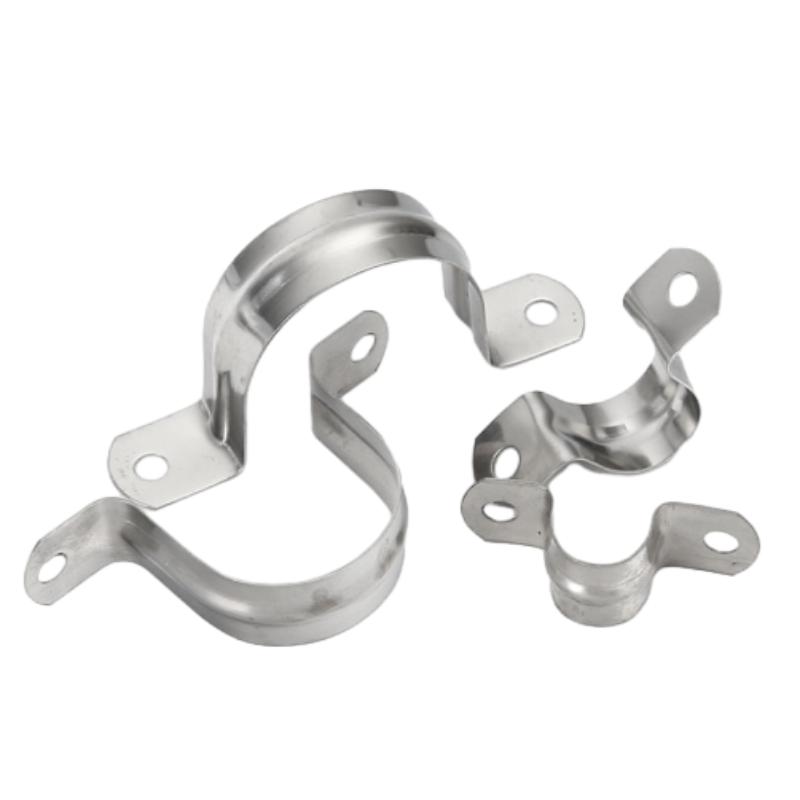
If you source clamps or pipe brackets for MEP, solar, or rail, you’ve probably noticed the market shifting—faster lead times, stricter corrosion specs, and a lot more talk about traceability. I’ve spent years walking factory floors in Hebei and beyond; honestly, not all suppliers keep up. The Riding Card (a robust pipe/strut saddle clamp) is a neat litmus test for capability: simple shape, difficult to get consistently right.
Where it’s made and why it matters
Origin: South of Xi Zhaozhuang Village, Lin Luoguan Town, Yongnian District, Handan City, Hebei Province (West side of Jianshe Road). This corridor supplies much of North Asia’s hardware. Many buyers tell me they value Hebei for metal stamping depth and, surprisingly, reliable galvanizing capacity during peak seasons.
Product snapshot: Riding Card (pipe/strut clamp)
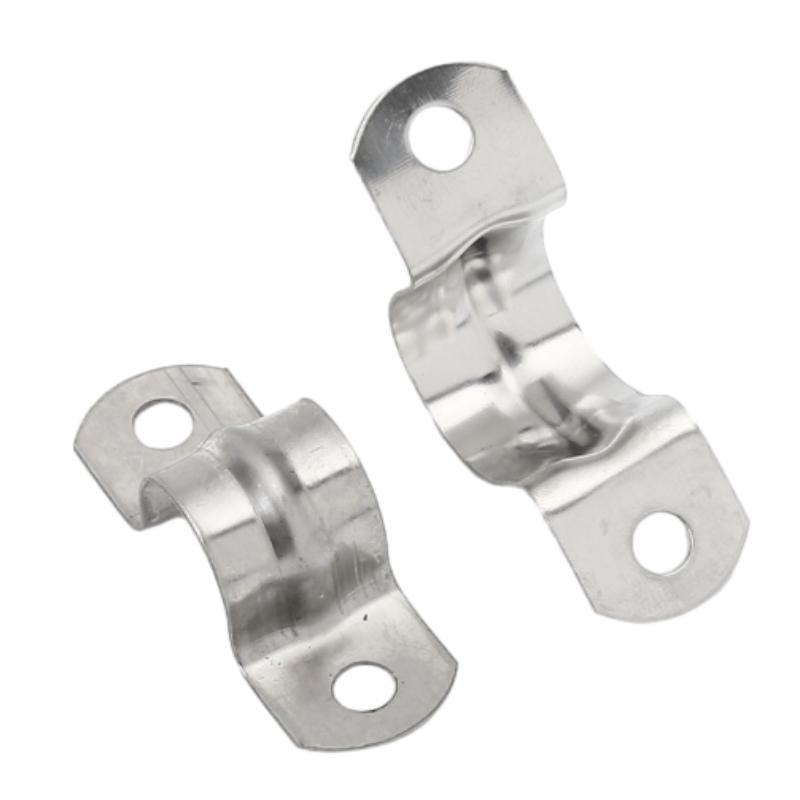
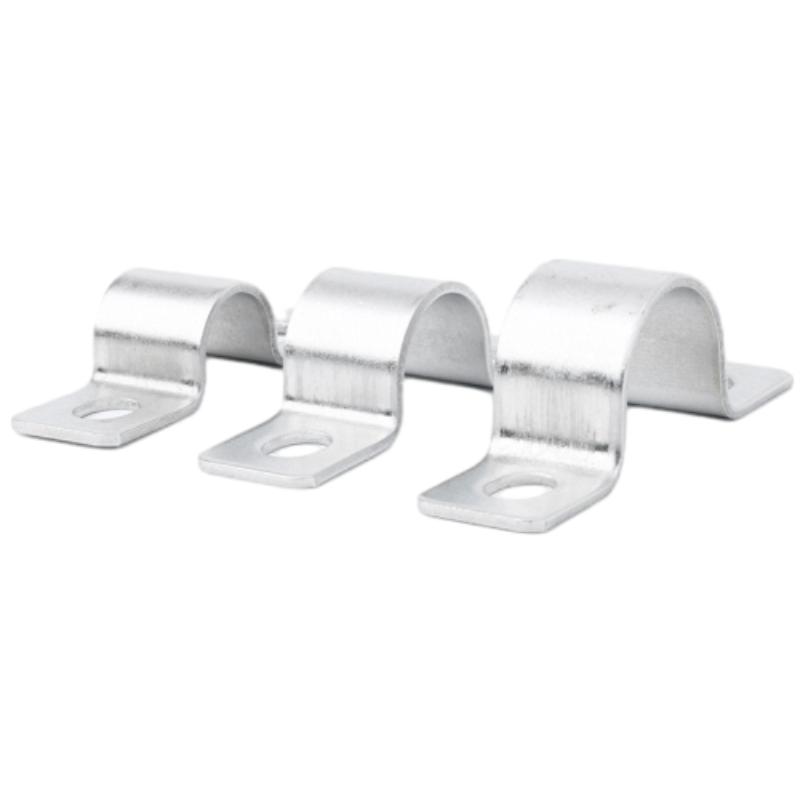
Designed for securing round pipe or conduit onto strut channels. Typical materials include carbon steel (Q235/SAE 1008–1010) and stainless (304/316) with protective finishes. Real-world performance hinges on material thickness uniformity and coating quality—two things serious fasteners manufacturers never compromise.
| Spec | Riding Card (typical) |
|---|---|
| Material | Q235 carbon steel; 304/316 SS optional |
| Finish | Electro-zinc (8–12 μm), HDG (≥55 μm), Dacromet/Geomet on request |
| Size range | DN15–DN100 (≈ 1/2"–4") |
| Thickness | 1.5–3.0 mm (±0.10 mm typical) |
| Static load | Up to 3.8 kN per clamp (size-dependent; verify application) |
| Corrosion test | ISO 9227 NSS: Zn ≈ 96–240 h; HDG ≈ 480–1200 h (no red rust) |
| Compliance | ISO 9001; RoHS/REACH; mechanical per ISO 898-1 (C-steel), ISO 3506 (SS) |
Process flow (why consistency costs less in the end)
- Coil incoming: PMI and hardness checks; flatness ≤2 mm/m.
- Stamping + forming: Progressive dies; burr ≤0.1 mm; radii per drawing.
- Threaded insert/bolt pairing: IFI/ISO threads; proof load tested.
- Deburr + shot clean: To stabilize coating adhesion.
- Surface treat: Zn, HDG, or Dacromet; cure and thickness map.
- Testing: Dimensional CMM; salt spray (ISO 9227); torque-to-slip; vibration test (where needed).
- Packaging: Anti-scuff liners; QR-batch traceability. Service life: around 10–25 years, environment-dependent.
Vendor comparison (quick reality check)
| Vendor | Lead time | MOQ | Certifications | Customization |
|---|---|---|---|---|
| LZ Fasteners (Riding Card) | 10–18 days typical | ≈ 2,000 pcs | ISO 9001; RoHS/REACH reports | Logo emboss, thickness tweaks, HDG/Dacromet, QR trace |
| Regional Vendor A | 20–30 days | 5,000 pcs | ISO 9001 | Limited size range |
| Trading House B | Varies (outsourced) | Negotiable | Supplier-dependent | Spec-by-spec; pricing less predictable |
Applications and feedback
Used in MEP piping, HVAC ducting supports, solar racking, light industrial lines, and, occasionally, coastal rail utilities. Many customers say the HDG version pays for itself on maintenance avoided. To be honest, I’ve seen cheap copies slip under vibration—torque-to-slip data matters.
Case notes
- Coastal solar farm (Class C5): HDG Riding Card, ISO 9227 tested to 1,000 h no red rust; site inspections at 18 months show no notable degradation.
- Hospital HVAC refit: 304 SS with neoprene liner; noise reduced ≈ 3–5 dB and maintenance tickets dropped in first winter season.
What to ask your fasteners manufacturers
- Coating test evidence (ISO 9227 hours, thickness map).
- Material certs (EN 10204 3.1) and coil hardness range.
- Torque-to-slip values on your actual strut profile.
- Batch traceability and RoHS/REACH statements.
- Optional: IATF 16949 process discipline if you run critical infrastructure.
Standards and references
Mechanical performance follows ISO 898-1 (carbon steel) and ISO 3506 (stainless). Corrosion verified by ISO 9227 salt spray. Threads per ISO/IFI. For pipe clamp geometry, many buyers align to DIN-style clamp dimensions or project-specific drawings; real-world use may vary.
- ISO 898-1: Mechanical properties of fasteners — carbon steel and alloy steel.
- ISO 3506 series: Mechanical properties of corrosion-resistant stainless steel fasteners.
- ISO 9227: Corrosion tests in artificial atmospheres — Salt spray tests.
- ASTM B633 / ISO 4042: Electrodeposited coatings on steel.
- EN 10204: Metallic products — Types of inspection documents.
Latest news
-
Reliable DIN 127 Spring Washers for Industrial Applications | LZ Fasteners
NewsDec.03,2025
-
Comprehensive Guide to DIN 126 Washer: Specifications, Uses & Benefits
NewsDec.03,2025
-
Durable and High-Quality Din 125a A2 Washers for Industry | LZ Fasteners
NewsDec.03,2025
-
Comprehensive Guide to DIN 125A Washers – Specifications, Applications & Vendors
NewsDec.03,2025
-
Din 125 Washer - Reliable Industrial Fastening Solutions from LZ Fasteners
NewsDec.03,2025
-
What is a DIN 125 Flat Washer? Global Significance, Specs & Vendors
NewsDec.03,2025
 English
  Afrikaans
  Arabic
  Bengali
  Bulgarian
  French
  German
  Hindi
Hindi  Indonesian
  Italian
  Japanese
  Korean
  Malay
Malay  Portuguese
  Russian
  Spanish
  Thai
Thai  Turkish
  Urdu
Urdu  Vietnamese