



Premium Metal Fasteners: Durable Stainless Steel & Metric Options
The Critical Role and Evolution of metal fasteners in Modern Industry
In the intricate landscape of B2B manufacturing and construction, the reliability and performance of fastening solutions are paramount. metal fasteners, ranging from standard bolts and nuts to specialized components like metal snap fasteners and stainless steel fasteners, are the unseen heroes that ensure structural integrity, operational safety, and long-term durability across virtually every sector. This article delves into the current trends, technical intricacies, and strategic importance of these essential components, providing insights for engineers, procurement specialists, and project managers.
Industry Trends and Market Dynamics
The global market for industrial fasteners is witnessing robust growth, driven by increasing demand in automotive, construction, and general manufacturing sectors. Key trends include a heightened focus on lightweight materials, improved corrosion resistance, and the integration of smart fastening technologies. The demand for stainless fasteners, particularly 304 and 316 grades, is escalating due to their superior performance in harsh environments, aligning with stringent regulatory requirements for safety and environmental protection. Furthermore, advancements in material science are leading to the development of higher-strength alloys and specialized coatings, extending service life and reducing maintenance costs.
Recent market analysis indicates that the global industrial fasteners market is projected to reach USD 118.9 billion by 2028, growing at a CAGR of 4.5% from 2021 to 2028 (Source: Grand View Research). This growth is significantly influenced by infrastructure development, renewable energy projects, and the ongoing shift towards automation in manufacturing, all of which heavily rely on robust and precise fastening solutions. The push for efficiency and cost reduction also drives innovation in fastener design and manufacturing processes.
Manufacturing Process Flow of Metal Fasteners
The production of high-quality metal fasteners involves a series of meticulously controlled stages, ensuring consistency, strength, and adherence to specified tolerances. Our commitment to excellence is reflected in a multi-stage process that leverages advanced technology and stringent quality checks.
1. Material Selection & Preparation
This critical first step involves selecting raw materials such as carbon steel, alloy steel, stainless steel fasteners (e.g., AISI 304, 316), brass, or aluminum, based on the fastener's intended application, required strength, and environmental conditions. Materials are sourced from certified suppliers and undergo initial inspection for chemical composition and mechanical properties. Rods or wires are then cleaned and prepared for subsequent processing.
2. Cold Forming (Cold Heading)
The most common method for producing many fasteners, cold forming, involves shaping the raw material at room temperature using high-speed heading machines. This process deforms the metal into the desired shape (e.g., bolt heads, shanks, or nuts like the Four Jaw Nut Tee Nut) without generating waste chips, leading to significant material savings and enhanced mechanical properties due to work hardening.
3. Thread Rolling
Instead of cutting threads, which can weaken the fastener, thread rolling forms the threads by plastically deforming the material using dies. This process results in continuous, unbroken grain flow, significantly increasing the fastener's tensile strength, fatigue resistance, and shear strength compared to machined threads.
4. Heat Treatment
For specific applications requiring enhanced hardness and strength, fasteners undergo heat treatment processes such as hardening and tempering. This involves heating the components to a high temperature, quenching them, and then tempering to achieve the desired balance of hardness, ductility, and toughness. This is crucial for applications demanding high performance from metric fasteners and other precision components.
5. Surface Finishing & Coating
To provide corrosion resistance, aesthetic appeal, and lubricity, fasteners are often coated. Common finishes include zinc plating, galvanization, nickel plating, phosphating, and specialized polymer coatings. These coatings extend the service life, especially in aggressive environments. For panel fasteners, specific finishes might be chosen for appearance or low friction during installation.
6. Quality Control & Testing
Throughout the entire manufacturing process, rigorous quality control measures are implemented. Fasteners are subjected to various tests, including dimensional checks, mechanical property tests (tensile strength, yield strength, hardness, proof load), metallurgical examinations, and coating thickness tests. Our products consistently meet international standards such as ISO 898-1 (mechanical properties of carbon steel and alloy steel fasteners), ANSI/ASME B18 series, and relevant ASTM specifications, ensuring unparalleled reliability and a long service life, typically exceeding 20 years under normal operating conditions. We also adhere to ISO 9001 certified manufacturing practices.
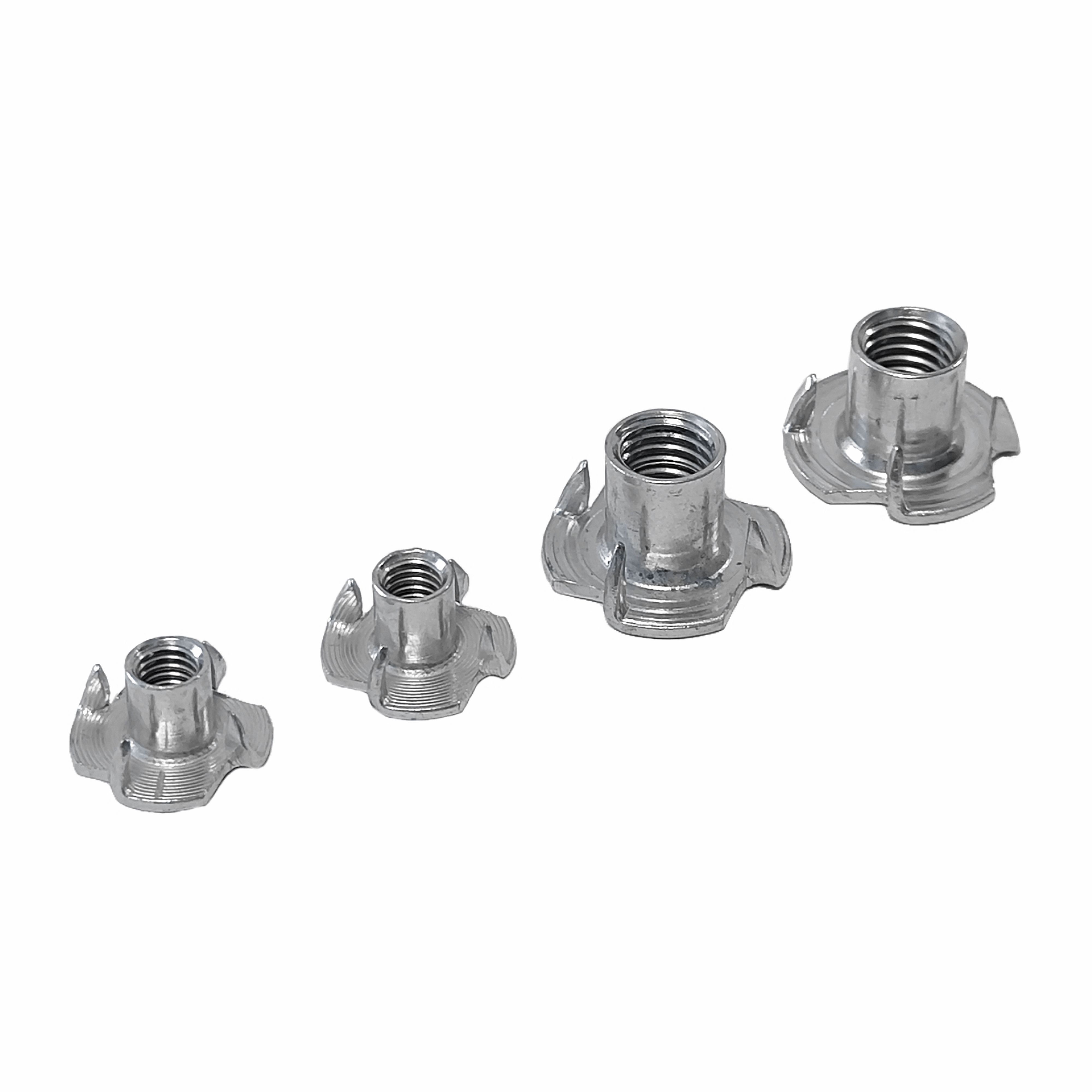
Technical Specifications and Parameters: Focus on Four Jaw Nut Tee Nuts
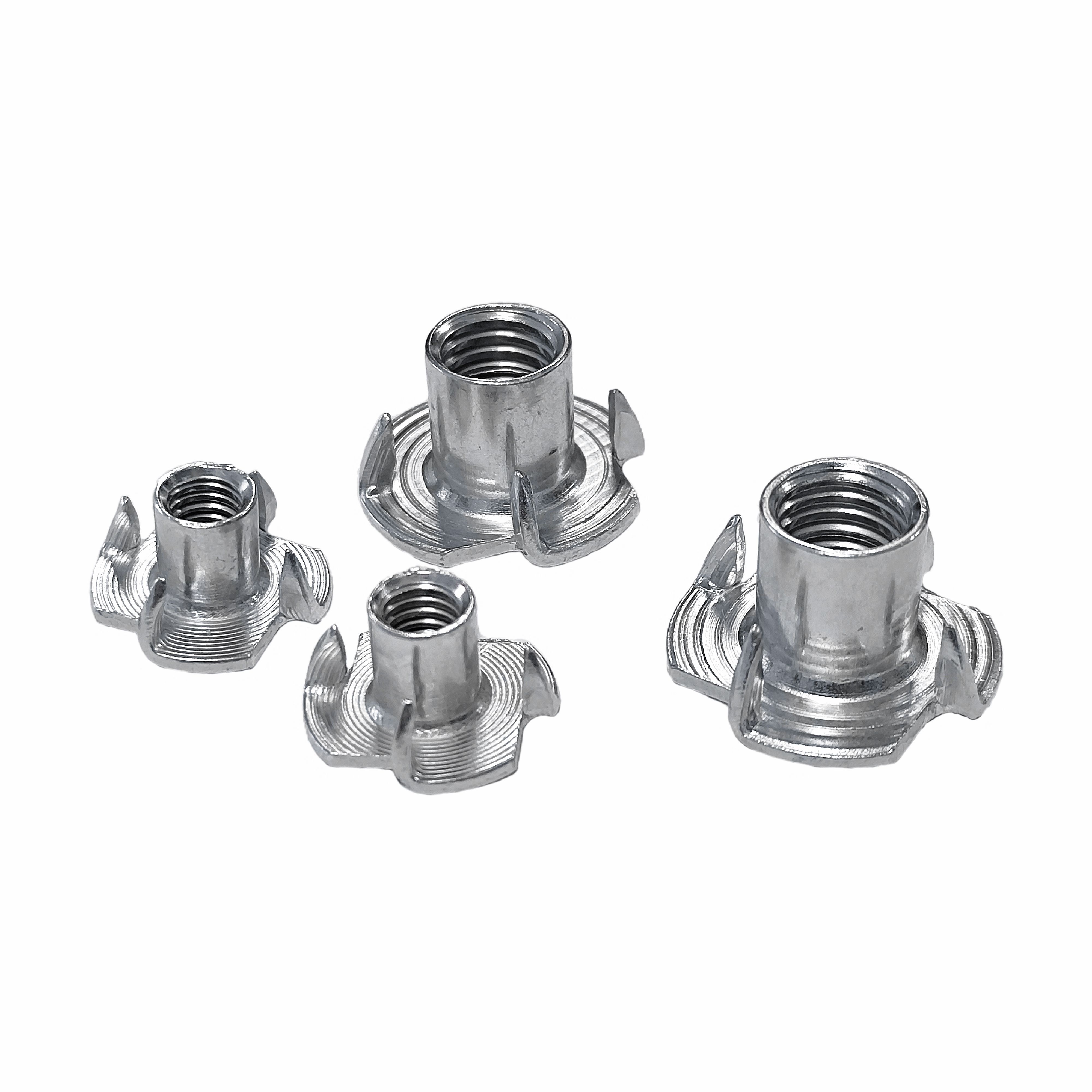
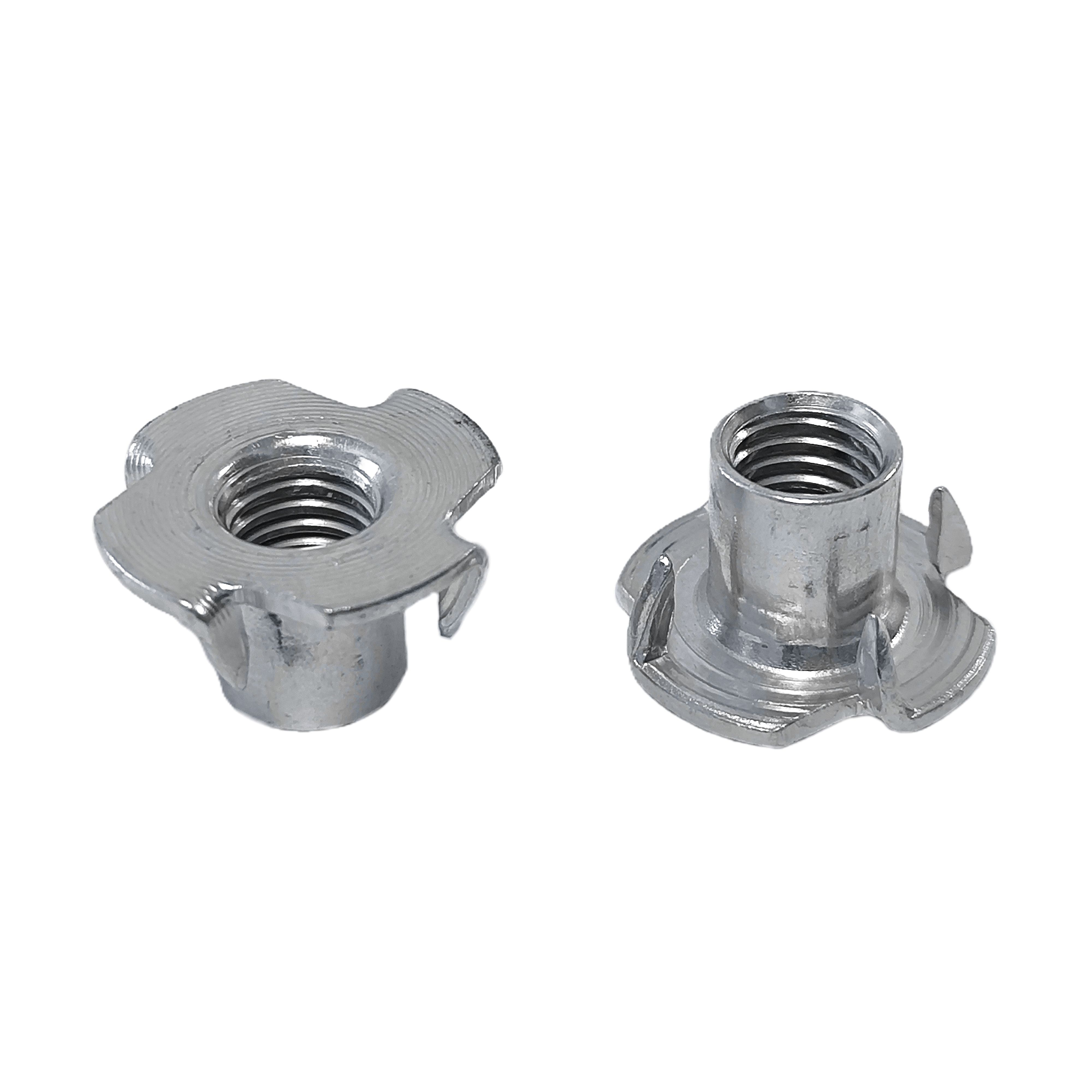
Understanding the precise technical specifications of metal fasteners is crucial for ensuring optimal performance in demanding B2B applications. As an exemplary product, our Four Jaw Nut Tee Nuts are engineered for robust performance, particularly in wood and composite materials where a strong, flush-mounted thread is required. These nuts feature a unique design with four sharp prongs that embed into the material, providing superior pull-out resistance and preventing rotation.
Typical Specifications for Four Jaw Nut Tee Nuts
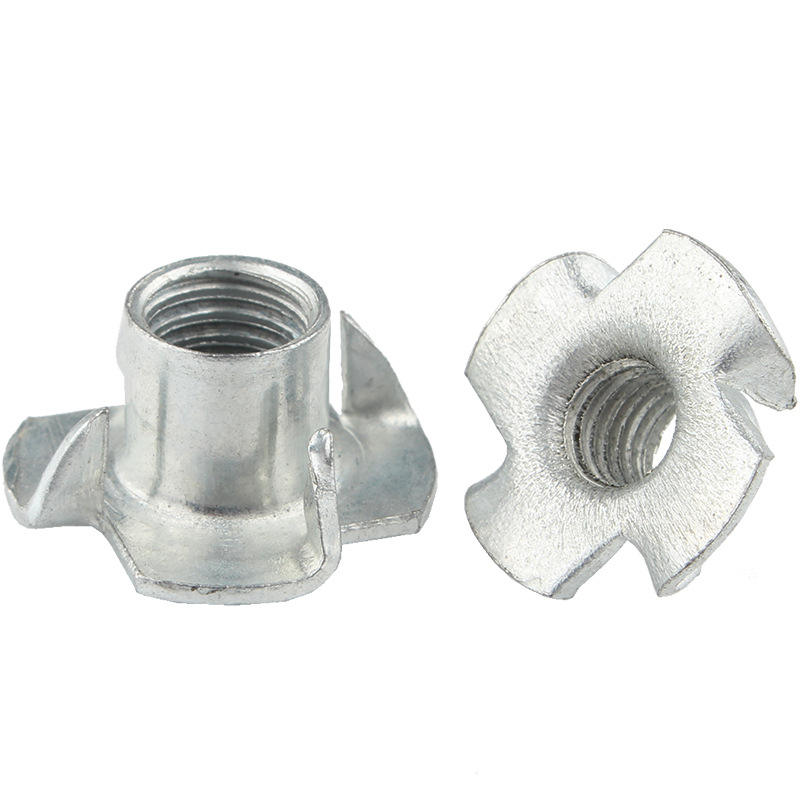
The selection of the appropriate T-nut depends on the material thickness, the desired thread engagement, and the specific environmental exposure. For outdoor applications or those exposed to moisture, stainless steel fasteners are highly recommended to prevent rust and degradation.
Application Scenarios and Technical Advantages
The versatility and robust nature of metal fasteners make them indispensable across a broad spectrum of industries. From high-stress structural applications to precision assemblies, the right fastener choice translates directly into improved product performance and longevity.
Target Industries:
- Petrochemical Industry: Requires fasteners with exceptional corrosion resistance and high-temperature stability. Stainless steel fasteners (316L, Duplex, Super Duplex) are critical for pipelines, valves, and processing equipment.
- Metallurgy: Fasteners subjected to extreme heat, heavy loads, and abrasive environments. High-strength alloy steel fasteners with specialized coatings are common.
- Water Supply & Drainage: Fasteners must resist corrosion from water and chemicals, often requiring galvanized or stainless steel options. For large pipes, robust metric fasteners are essential.
- Automotive: Lightweight, high-strength, and vibration-resistant fasteners. Examples include metal snap fasteners for interior panels and specialized bolts for engine components.
- Furniture & Cabinetry: T-nuts and threaded inserts provide strong, repeatable connections. The Four Jaw Nut Tee Nut is a prime example here, ensuring strong joints for flat-pack furniture or upholstery.
- Construction & Infrastructure: Structural bolts, anchors, and specialized newel post fastener for stair systems demand high load-bearing capacity and durability.
- Electronics & Appliances: Miniature fasteners, panel fasteners, and security screws are prevalent.
Demonstrable Advantages in Typical Scenarios:
- Corrosion Resistance: Utilizing stainless steel fasteners in marine environments or chemical processing plants significantly extends the service life of equipment, reducing costly replacements and downtime. For instance, AISI 316 stainless steel offers superior resistance to chloride corrosion compared to 304.
- Energy Saving: In applications involving vibration or thermal cycling, self-locking fasteners or pre-coated thread locking fasteners prevent loosening. This maintains optimal assembly tension, reducing energy losses from poorly secured components and minimizing the need for frequent retightening.
- Enhanced Structural Integrity: Precision-engineered fasteners, subjected to rigorous tensile and shear testing, provide predictable load distribution and joint strength. This is critical in applications like bridge construction or aerospace components where failure could have catastrophic consequences.
- Ease of Assembly & Disassembly: Fasteners designed for specific installation methods, such as quarter-turn panel fasteners or quick-release pins, facilitate faster assembly lines and simplify maintenance procedures, reducing labor costs.
- Vibration Resistance: Fasteners with features like serrated flanges, patch locking, or specific thread designs are engineered to maintain clamping force under dynamic loads, crucial for machinery operating under constant vibration.

Vendor Comparison and Customized Solutions
Choosing the right fastener supplier is as critical as selecting the right fastener itself. A strategic vendor partnership ensures not only product quality but also technical support, supply chain reliability, and the ability to deliver bespoke solutions for unique engineering challenges.
Key Factors in Vendor Comparison:
Customized Solutions for Unique Requirements:
Many B2B applications present unique challenges that off-the-shelf fasteners cannot adequately address. Our expertise extends to providing fully customized metal fasteners tailored to precise project specifications:
- Material Adaptation: Development of fasteners from exotic alloys (e.g., Inconel, Monel, Hastelloy) for extreme temperature or highly corrosive environments, often required in aerospace or chemical processing.
- Geometric Modification: Custom head designs, shank lengths, thread pitches, or specialized features like anti-rotation ribs for panel fasteners.
- Performance Coatings: Application of advanced coatings such as Xylan, Teflon, or Dacromet for enhanced lubricity, increased corrosion protection beyond standard plating, or specific electrical insulation properties.
- Integrated Assemblies: Production of custom assemblies that combine fasteners with other components, simplifying installation and reducing part count for complex modules.
- Prototyping & Testing: Full-service capability from design concept and prototyping to rigorous testing and mass production, ensuring the custom solution performs as intended.
Application Case Studies and Customer Feedback
Real-world application validates the quality and performance of metal fasteners. Our long-standing commitment to quality has resulted in successful partnerships across diverse industries, reinforcing our authoritative position as a trusted supplier for critical components.
Case Study 1: Heavy Machinery Manufacturing
A leading manufacturer of agricultural heavy machinery faced recurring issues with bolt loosening on critical drive components, leading to increased maintenance and costly downtime. We partnered with their engineering team to analyze the application environment, which involved significant vibration and dynamic loading. Our solution involved supplying high-strength, Grade 10.9 metric fasteners with a specialized anti-vibration thread patch. Post-implementation, the client reported a 70% reduction in fastener-related failures and a 20% decrease in overall maintenance costs for the affected machinery over an 18-month period. This demonstrated a direct impact on operational efficiency and cost savings.
Case Study 2: High-End Furniture Production
A custom furniture producer required a secure, hidden, and easily assembled fastening solution for their modular wood components. Standard inserts often stripped out or protruded. We provided customized Four Jaw Nut Tee Nuts, manufactured from a specific carbon steel with optimized prong geometry, ensuring maximum embedment and pull-out resistance without damaging the wood substrate. The result was a significantly stronger joint, faster assembly times due to reliable insertion, and overwhelmingly positive feedback on product quality and ease of use. The client noted a 35% improvement in assembly line throughput.
Client Testimonial:
"Working with [Our Company] has been a game-changer for our petrochemical expansion project. Their technical team's expertise in providing custom stainless steel fasteners, specifically engineered for high-pressure, corrosive environments, ensured compliance with stringent safety regulations and significantly boosted our confidence in the long-term integrity of our infrastructure. Their adherence to ISO standards and reliable delivery schedule were exceptional."
— Project Lead, Major Petrochemical Corporation
With over 15 years of dedicated service in the fastener industry, our extensive portfolio includes partnerships with Fortune 500 companies and critical infrastructure projects globally, underscoring our commitment to consistent quality and innovative solutions. Our products meet or exceed standards from organizations like ISO and ASTM, ensuring unparalleled reliability.
Ensuring Trust: FAQ, Lead Times, Warranty, and Support
Building trust with our B2B partners is paramount. We achieve this through transparent communication, clear commitments, and comprehensive support throughout the entire product lifecycle.
Frequently Asked Questions (FAQ):
Q: What is the typical lead time for custom metal fasteners?
A: For standard catalog items, lead times typically range from 2-4 weeks. For custom-engineered solutions, lead times vary based on complexity, material availability, and order volume, usually ranging from 6-12 weeks after design approval and prototyping.
Q: What quality certifications do your stainless fasteners hold?
A: Our manufacturing facilities are ISO 9001:2015 certified. Our stainless steel fasteners comply with relevant ASTM, ANSI, and DIN standards, and material test reports (MTRs) are available upon request for full traceability.
Q: Can you assist with fastener selection for specific application environments?
A: Absolutely. Our team of experienced application engineers provides comprehensive technical consultations, material recommendations, and design optimization to ensure the ideal fastener solution for your specific operational and environmental requirements.
Lead Time & Fulfillment Details:
We maintain a robust supply chain and optimized production schedule to meet demanding project timelines. Our lead times are clearly communicated at the time of quoting, and we offer expedited shipping options for urgent requirements. Our advanced inventory management system ensures consistent availability of high-demand items, supporting just-in-time (JIT) delivery for key accounts. We have strategic distribution hubs to facilitate efficient global delivery.
Warranty Commitments:
All our metal fasteners are manufactured to the highest industry standards and are backed by a comprehensive warranty against defects in material and workmanship. Specific warranty periods and terms are provided with each order, ensuring peace of mind for our clients. We stand by the quality and performance of every product shipped.
Customer Support and Technical Assistance:
Our dedicated customer support team and technical engineers are available to assist with product selection, application guidance, installation best practices, and troubleshooting. We offer multi-channel support via phone, email, and dedicated account managers, ensuring prompt and expert assistance whenever needed. Our commitment extends beyond the sale, aiming for long-term partnership success.
For detailed inquiries or to request a quote, please visit our contact page or reach out to your dedicated account representative.
Conclusion
The selection and application of metal fasteners are fundamental to the integrity and performance of industrial assemblies. By understanding the manufacturing processes, technical specifications, and advantages offered by specialized fasteners like the Four Jaw Nut Tee Nut, B2B decision-makers can make informed choices that lead to enhanced product reliability, reduced operational costs, and extended service life for their critical assets. Partnering with an authoritative and trustworthy vendor that prioritizes quality, customization, and technical support is essential for navigating the complexities of modern industrial fastening requirements.
References
- Grand View Research. (2021). Industrial Fasteners Market Size, Share & Trends Analysis Report By Material, By Product, By Application, By Region, And Segment Forecasts, 2021 - 2028. Retrieved from Grand View Research website.
- International Organization for Standardization (ISO). ISO 898-1: Mechanical properties of fasteners made of carbon steel and alloy steel — Part 1: Bolts, screws and studs with specified property classes — Coarse thread and fine pitch thread.
- ASTM International. Various ASTM standards for fasteners, including A193, A325, A490.
- ASME. ASME B18.2.1-2012 Square and Hex Bolts and Screws (Inch Series).
- Society of Automotive Engineers (SAE). J429 Mechanical and Material Requirements for Externally Threaded Fasteners.
Latest news
-
Reliable DIN 127 Spring Washers for Industrial Applications | LZ Fasteners
NewsDec.03,2025
-
Comprehensive Guide to DIN 126 Washer: Specifications, Uses & Benefits
NewsDec.03,2025
-
Durable and High-Quality Din 125a A2 Washers for Industry | LZ Fasteners
NewsDec.03,2025
-
Comprehensive Guide to DIN 125A Washers – Specifications, Applications & Vendors
NewsDec.03,2025
-
Din 125 Washer - Reliable Industrial Fastening Solutions from LZ Fasteners
NewsDec.03,2025
-
What is a DIN 125 Flat Washer? Global Significance, Specs & Vendors
NewsDec.03,2025
 English
  Afrikaans
  Arabic
  Bengali
  Bulgarian
  French
  German
  Hindi
Hindi  Indonesian
  Italian
  Japanese
  Korean
  Malay
Malay  Portuguese
  Russian
  Spanish
  Thai
Thai  Turkish
  Urdu
Urdu  Vietnamese