



High-Strength Flange Bolts for Secure Industrial Fastening
Introduction to Flange Bolts in Critical Industrial Applications
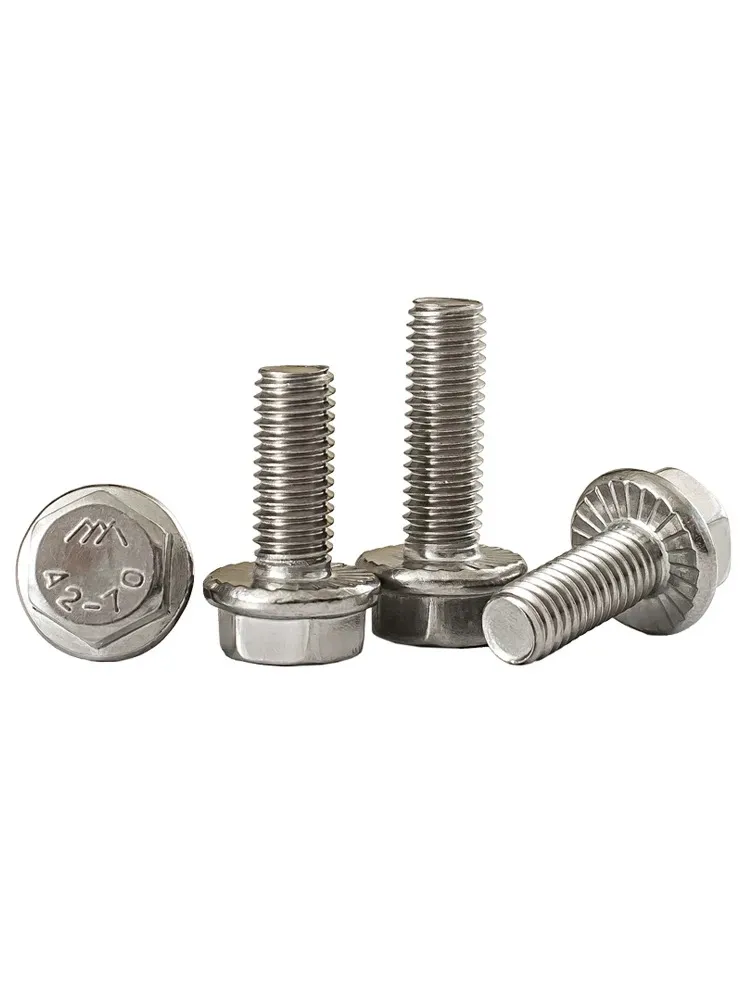
In high-performance industrial environments, the integrity and reliability of bolted connections are paramount. The Flange bolt stands as a critical component, engineered to provide superior clamping force and joint security in a wide array of applications. Unlike standard hex bolts, flange bolts feature an integrated washer-like bearing surface beneath the head, which helps to distribute the load more evenly over a larger area. This design minimizes the risk of fastener loosening due to vibration, thermal expansion, or dynamic stress, making them indispensable in sectors where safety and operational continuity are non-negotiable.
This comprehensive overview delves into the technical intricacies, manufacturing excellence, diverse applications, and strategic advantages of flange bolts, providing B2B decision-makers and engineers with the essential knowledge for optimal fastener selection and deployment. We will explore industry trends, detailed specifications, and real-world case studies to underscore their value proposition.
Current Industry Trends and Market Dynamics for Flange Bolts
The global industrial fastener market, heavily influenced by sectors such as automotive, aerospace, construction, and energy, continues to evolve. For flange bolts specifically, several key trends are shaping demand and innovation:
- High-Performance Materials: Increasing adoption of advanced alloys, such as high-strength low-alloy (HSLA) steels, nickel-based superalloys, and specialized stainless steels (e.g., Duplex, Super Duplex), to withstand extreme temperatures, pressures, and corrosive environments. This trend is driven by demands from the petrochemical, offshore, and power generation sectors.
- Surface Engineering and Coatings: Enhanced protective coatings, including zinc-nickel, ceramic-metallic, and PTFE (Polytetrafluoroethylene), are becoming standard to provide superior corrosion resistance and reduce friction during assembly, extending service life in harsh conditions.
- Digitalization and Smart Fasteners: While still nascent for standard flange bolts, the broader fastener industry is seeing a move towards integrating sensors for real-time torque and tension monitoring, crucial for predictive maintenance in critical infrastructure.
- Sustainability and Lifecycle Management: Emphasis on fasteners with longer service lives, recyclable materials, and manufacturing processes with reduced environmental impact.
- Traceability and Quality Assurance: Stringent requirements for material traceability, batch control, and adherence to international standards (ISO, ASTM, EN) are increasing, particularly in safety-critical applications.
These trends highlight a market pushing for greater reliability, durability, and efficiency, underscoring the continuous evolution of flange bolt technology to meet escalating industrial demands.
The Meticulous Manufacturing Process of Flange Bolts
The production of high-quality flange bolts is a sophisticated process demanding precision engineering and adherence to strict quality control protocols. Our manufacturing typically follows a multi-stage process, ensuring optimal mechanical properties and dimensional accuracy.
Process Flow:
- Material Selection & Preparation: Begins with carefully selected raw materials, primarily high-grade carbon steel, alloy steel (e.g., ASTM A193 B7/B16), or stainless steel (e.g., AISI 304, 316). These materials are chosen based on the required strength, corrosion resistance, and operational temperature. Wire coils are drawn to the precise diameter.
- Cold or Hot Forging:
- Cold Forging: For smaller diameter bolts, wire is cut to length and then cold-headed to form the head and integrated flange. This process enhances material strength and creates a smooth surface finish.
- Hot Forging: For larger diameters or specific materials, steel rods are heated to high temperatures and then forged to shape the head and flange. This method is crucial for overcoming material stiffness and achieving complex geometries.
- Thread Rolling: The most common method for forming threads. This involves pressing hardened dies onto the bolt blank, displacing material to form the thread profile rather than cutting it. Thread rolling significantly increases the fatigue strength of the bolt compared to cut threads, as it preserves the material's grain flow.
- Heat Treatment: A critical step for alloy steel and high-strength carbon steel flange bolts. Processes like quenching and tempering are applied to achieve specific hardness, tensile strength, and yield strength requirements, adhering to standards like ASTM A193/A320 or SAE J429.
- Surface Finishing & Coating: Depending on application requirements, bolts undergo surface treatments. Common options include:
- Zinc Plating: For basic corrosion resistance.
- Hot Dip Galvanizing (HDG): For superior protection in outdoor or corrosive environments.
- PTFE Coating: For enhanced corrosion resistance, reduced friction, and chemical inertness in aggressive media.
- Quality Control & Inspection: Each batch undergoes rigorous inspection, including dimensional checks (using calipers, micrometers, thread gauges), mechanical testing (tensile strength, yield strength, hardness, impact toughness), and non-destructive testing (NDT) such as magnetic particle inspection for critical applications. Adherence to ISO 9001 quality management systems is standard.
- Packaging: Finished flange bolts are carefully packaged to prevent damage during transit and storage, often with protective coatings or inhibitors.
This meticulous process ensures that each flange bolt meets stringent industry standards and offers a reliable service life of often 10-20 years or more, depending on material and application severity. Our target industries include petrochemical, oil & gas, power generation, metallurgy, and water supply & drainage.
Technical Specifications and Performance Parameters
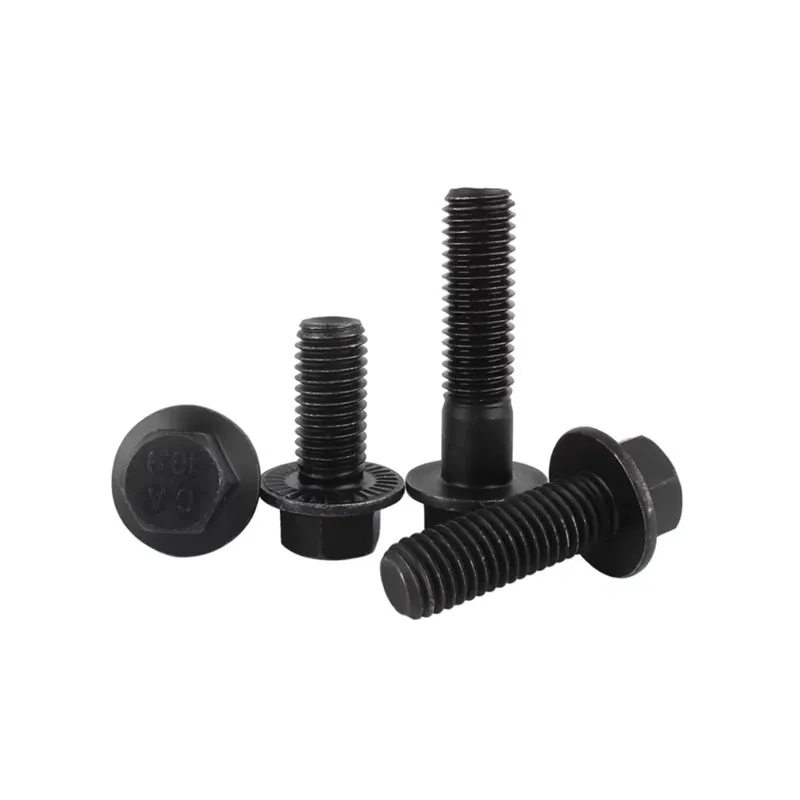
The performance of a flange bolt is defined by its material, dimensions, and mechanical properties, all governed by international standards to ensure interchangeability and reliability.
Key Specifications and Standards:
- Material Grades: Common grades include:
- Carbon Steel: SAE J429 Grade 5, Grade 8 (for high strength applications).
- Alloy Steel: ASTM A193 B7 (Cr-Mo steel, heat-treated for high tensile strength, suitable for high-temperature service), ASTM A193 B16 (Cr-Mo-V steel, higher temperature resistance than B7).
- Stainless Steel: AISI 304, 316, 316L (for corrosion resistance), Duplex/Super Duplex (for superior corrosion and strength).
- Dimensional Standards: Primarily ASME B18.2.1 for dimensional specifications of square and hex bolts and screws (including flange bolts).
- Thread Standards: ASME B1.1 Unified Inch Screw Threads (UNC, UNF) or ISO Metric Screw Threads (M series).
- Mechanical Properties:
- Tensile Strength: The maximum stress a material can withstand while being stretched or pulled before breaking.
- Yield Strength: The stress at which a material begins to deform plastically.
- Hardness: Resistance to indentation (e.g., Rockwell, Brinell).
- Proof Load: A non-destructive tensile test load that the bolt must withstand without permanent deformation.
Typical Flange Bolt Product Specifications (Example Table):
| Characteristic | ASTM A193 B7 (Alloy Steel) | SAE J429 Grade 8 (Carbon Steel) | AISI 316 (Stainless Steel) |
|---|---|---|---|
| Material Type | Chromium-Molybdenum Steel | Medium Carbon Alloy Steel | Austenitic Stainless Steel |
| Tensile Strength (min.) | 125 ksi (860 MPa) | 150 ksi (1030 MPa) | 75 ksi (515 MPa) |
| Yield Strength (min.) | 105 ksi (725 MPa) | 130 ksi (895 MPa) | 30 ksi (205 MPa) |
| Hardness (max.) | 35 HRC (321 HB) | 39 HRC | 223 HB |
| Temperature Range | -20 to 1100°F (-29 to 593°C) | Up to 450°F (232°C) | -325 to 1500°F (-198 to 816°C) |
| Common Coatings | Plain, Zn-Plated, Hot Dip Galvanized, PTFE | Plain, Zn-Plated, Hot Dip Galvanized | Plain, Passivated |
This table illustrates the diverse capabilities of flange bolts across various material types, showcasing their suitability for different operational demands.
Versatile Application Scenarios and Target Industries
The robust design and enhanced load distribution capabilities make flange bolts ideal for a wide range of demanding applications across several critical industries:
- Petrochemical and Oil & Gas: Essential for securing pipe flanges, valve assemblies, and pressure vessels in refineries, offshore platforms, and pipelines. Their ability to maintain a tight seal under high pressure and temperature fluctuations is critical for preventing leaks and ensuring operational safety, directly contributing to energy saving by maintaining system integrity. Corrosion-resistant coatings are paramount here.
- Power Generation: Used in steam turbines, boiler systems, and nuclear power plant components where high temperatures and pressures are common. The consistent clamping force helps prevent vibration-induced loosening, crucial for continuous operation and safety.
- Metallurgy and Heavy Machinery: Found in structural connections for heavy industrial equipment, furnaces, and rolling mills. The integrated flange distributes stress effectively, enhancing joint stability and reducing wear on mating surfaces, thus extending machine life.
- Water Supply & Drainage: Employed in municipal water treatment plants, pumping stations, and large-diameter piping systems. Corrosion resistance (e.g., stainless steel or HDG flange bolts) is vital to ensure long-term integrity in moist or submerged environments.
- Automotive: Frequently used in engine components, chassis assemblies, and axle connections, where vibration and dynamic loads are prevalent. Their integrated washer design simplifies assembly and improves reliability in high-volume production.
- Construction and Infrastructure: For structural steel connections, bridge components, and heavy equipment mounting, particularly where large bearing surfaces are required to prevent deformation of the connected material.
In these scenarios, the inherent design of the flange bolt offers distinct advantages in terms of reduced assembly time, improved load distribution, and enhanced resistance to loosening, translating into significant operational benefits and safety improvements.
Technical Advantages and Performance Edge
The distinctive design of the flange bolt provides several significant technical advantages over traditional hex bolts with separate washers:
- Superior Load Distribution: The integrated large-diameter flange head distributes the clamping force over a wider area, reducing stress concentration on the fastened material. This is crucial for softer materials or when fastening thin-walled components, preventing crushing or deformation.
- Enhanced Vibration Resistance: By distributing the load more uniformly and providing a larger bearing surface, flange bolts offer greater resistance to loosening caused by dynamic loads and vibrations, thus improving joint integrity and safety.
- Simplified Assembly and Reduced Parts Count: The integrated washer eliminates the need for a separate washer, streamlining the assembly process. This reduces inventory, assembly time, and the potential for lost or improperly installed components, leading to operational efficiencies.
- Improved Sealing Capability: In conjunction with appropriate gaskets, the large bearing surface helps create a more consistent and robust seal in fluid or gas containment systems, critical for applications requiring leak prevention.
- Corrosion Resistance Options: Available with various coatings and material grades (e.g., stainless steel, PTFE-coated alloy steels) specifically chosen to resist corrosion in aggressive chemical, marine, or high-humidity environments, extending the service life of connections.
- Aesthetic and Safety Benefits: The smooth, wide bearing surface can reduce the likelihood of snagging on clothing or equipment, and the unified design can present a cleaner, more professional appearance.
These advantages collectively contribute to a more reliable, durable, and cost-effective fastening solution for complex industrial assemblies.
Vendor Comparison and Selection Criteria
Selecting the right supplier for flange bolts is as critical as selecting the bolt itself. A reliable vendor ensures consistent quality, adherence to specifications, and dependable supply chains. Key criteria for vendor evaluation include:
- Quality Certifications: Look for ISO 9001, API Spec Q1, and adherence to specific material and testing standards (ASTM, ANSI, DIN, EN). These certifications validate robust quality management systems.
- Material Traceability: The ability to trace raw materials back to their source, including mill certificates, is crucial for critical applications.
- Manufacturing Capabilities: Assess expertise in cold/hot forging, precision threading, heat treatment, and various coating applications.
- Customization Options: A strong vendor can offer tailored solutions for non-standard dimensions, specific material grades, or unique coating requirements.
- Lead Times and Supply Chain Reliability: Evaluate a vendor's ability to meet delivery schedules, especially for large-volume or just-in-time orders.
- Technical Support and R&D: Access to expert technical assistance for application engineering, material selection, and problem-solving.
- Cost-Effectiveness and Lifecycle Value: While initial cost is a factor, consider the total cost of ownership, including product longevity, reduced maintenance, and operational efficiency.
- Reputation and Experience: Vendor's years of service, industry reputation, and portfolio of partner clients in your target sector are strong indicators of reliability.
Vendor Comparison: LZ Fasteners vs. Generic Provider
| Feature | LZ Fasteners | Generic Provider |
|---|---|---|
| Quality Certifications | ISO 9001:2015, Material Certs (3.1/3.2), Adheres to ASTM/ANSI/DIN | Basic ISO 9001, Limited material traceability |
| Material Traceability | Full batch traceability, Mill Test Certificates (MTCs) 3.1 & 3.2 available | Limited traceability for some grades |
| Customization | Extensive (materials, sizes, coatings, prototypes, special designs) | Limited to standard modifications |
| Technical Support | Dedicated engineering team, application consulting | Standard sales support only |
| Lead Time & Reliability | Consistent, on-time delivery; global logistics network | Variable, potential for delays, less robust logistics |
| Years of Experience | 20+ years in B2B fastener manufacturing | Often newer or less specialized operations |
Customized Solutions for Unique Challenges
Many industrial applications present unique challenges that off-the-shelf flange bolts cannot fully address. Our commitment to customized solutions ensures that even the most stringent and specific requirements are met with precision engineering.
Our Customization Capabilities Include:
- Special Material Grades: Beyond standard carbon and alloy steels, we can source and manufacture flange bolts from exotic alloys such as Inconel, Monel, Hastelloy, or high-strength stainless steels (e.g., precipitation-hardened grades) for extreme temperature, corrosive, or strength-to-weight ratio demands.
- Non-Standard Dimensions: Production of flange bolts with unique lengths, diameters, thread pitches, or flange dimensions to fit proprietary designs or repair existing infrastructure.
- Advanced Coatings: Application of specialized coatings like Xylan, Moly-coat, or custom ceramic coatings for enhanced chemical resistance, low friction, or electrical insulation, tailored to specific environmental exposures.
- Unique Head or Flange Designs: Custom head configurations (e.g., tamper-resistant, low profile) or modified flange shapes for specific tooling, aesthetic, or functional requirements.
- Thread Forms: Production of custom thread forms (e.g., ACME, buttress threads) for specialized power transmission or fastening applications.
- Integrated Features: Incorporating additional features like pre-applied thread lockers, anti-galling compounds, or unique markings for batch identification and intellectual property protection.
Our engineering team collaborates closely with clients from conceptualization to final production, providing detailed technical drawings, material certifications, and testing reports to ensure the customized flange bolts perform exactly as required.
Application Case Studies: Proving Flange Bolt Value
Case Study 1: High-Pressure Petrochemical Pipeline Flanges
A major petrochemical client operating a high-pressure, high-temperature (up to 450°C) pipeline system experienced recurring leakage issues with traditional hex bolts and separate washers on critical flange connections. The corrosive nature of the crude oil being transported, combined with thermal cycling, led to washer creep and eventual joint loosening.
Solution: We provided custom flange bolts manufactured from ASTM A193 B16 alloy steel, specifically chosen for its superior high-temperature strength and creep resistance. Each bolt was finished with a multi-layer PTFE coating, offering exceptional chemical resistance and a low coefficient of friction to ensure consistent torque values during installation.
Outcome: Over a two-year monitoring period, the PTFE-coated B16 flange bolts demonstrated a significant reduction in joint relaxation and zero reported leaks. The integrated flange design minimized stress on the gasket and maintained optimal clamping force, leading to extended service intervals and an estimated 15% reduction in maintenance costs related to pipeline integrity. This also led to improved energy saving due to reduced fluid loss and more efficient pump operation.
Case Study 2: Offshore Wind Turbine Foundation Structure
An engineering firm constructing offshore wind turbine foundations faced challenges with securing large structural components in a highly corrosive marine environment. The massive static and dynamic loads from the turbine, combined with constant saltwater exposure, demanded fasteners with extreme durability and long-term corrosion protection.
Solution: We supplied large-diameter (M48, M64) flange bolts manufactured from high-strength structural steel (equivalent to ASTM A490 material properties) that underwent a rigorous hot-dip galvanizing process followed by an additional sealant application. The integrated flange ensured optimal load distribution over the large surface area of the structural steel plates, preventing localized crushing and enhancing fatigue resistance.
Outcome: The galvanized flange bolts provided exceptional corrosion resistance, significantly extending the projected service life of the bolted connections beyond the client's initial 25-year requirement for the turbine foundation. The simplified assembly due to the integrated flange also reduced installation time and complexity in challenging offshore conditions, contributing to overall project efficiency and robustness against harsh marine environments.
Trustworthiness & Customer Assurance
Frequently Asked Questions (FAQ)
Q1: What is the primary advantage of a flange bolt over a standard hex bolt and washer assembly?
A1: The integrated flange on a flange bolt provides a larger bearing surface, which distributes the clamping load more evenly over the fastened material. This reduces stress concentration, prevents material deformation, and offers superior resistance to loosening from vibration compared to separate washer assemblies.
Q2: Can flange bolts be reused?
A2: Reuse depends on the application, material, and initial installation conditions. For critical applications, especially those involving high stresses, temperatures, or corrosion, it is generally recommended to replace flange bolts (and nuts) after initial use to ensure optimal performance and safety. Non-critical applications may allow for reuse if inspection confirms no deformation or damage.
Q3: How do I determine the correct torque for installing flange bolts?
A3: The correct torque depends on the bolt material, diameter, thread pitch, coefficient of friction (influenced by lubrication/coating), and the specific application requirements. Always refer to relevant engineering standards (e.g., ASME PCC-1 for bolted flange joints) or consult with our technical specialists for recommended torque values and tightening procedures to ensure proper preload and joint integrity.
Lead Time & Fulfillment
Our lead times are structured to meet diverse project schedules. For standard flange bolt products in common materials and sizes, typical lead times range from 4-6 weeks, subject to current stock and order volume. For custom-engineered solutions, specialized materials, or large-volume orders, lead times may extend to 8-12 weeks, depending on material sourcing and complexity of manufacturing processes. We provide transparent communication and project milestones to ensure timely delivery.
Warranty Commitments
All our flange bolts are manufactured to stringent international standards and undergo rigorous quality control. We offer a comprehensive warranty against defects in material and workmanship for a period of 12 months from the date of shipment, provided the products are stored, installed, and used in accordance with our specifications and industry best practices.
Customer Support & Technical Assistance
Our dedicated customer support team and experienced engineering specialists are available to assist with product selection, technical inquiries, installation guidance, and post-sales support. We provide multi-channel support via phone, email, and online inquiry forms to ensure prompt and effective resolution of any concerns.
Conclusion
The flange bolt represents a sophisticated and essential fastening solution for critical industrial applications. Its integrated design offers unparalleled advantages in load distribution, vibration resistance, and simplified assembly, contributing significantly to operational safety, efficiency, and longevity across diverse sectors from petrochemical to power generation. By understanding the intricate manufacturing processes, adhering to rigorous technical specifications, and partnering with experienced and quality-certified vendors, industries can leverage the full potential of flange bolts to meet their most demanding challenges.
References
- American Society of Mechanical Engineers (ASME). ASME B18.2.1-2010 Square and Hex Bolts and Screws (Inch Series).
- American Society for Testing and Materials (ASTM). ASTM A193/A193M - 17 Standard Specification for Alloy-Steel and Stainless Steel Bolting for High Temperature or Other Special Purpose Applications.
- International Organization for Standardization (ISO). ISO 898-1:2013 Mechanical properties of fasteners made of carbon steel and alloy steel — Part 1: Bolts, screws and studs with specified property classes — Coarse thread and fine pitch thread.
- Bolt Science. Bolt Tightening Handbook. Available at: boltscience.com
- National Bureau of Standards. Fastener Standards Book.
Latest news
-
Essential Guide to ms15795 856 Fasteners Precision and Reliability
NewsApr.16,2026
-
High Precision ms15795 852 Fasteners for Aerospace Applications
NewsApr.09,2026
-
Comprehensive Guide to MS15795 848 Fasteners for Aerospace and Industrial Applications
NewsApr.07,2026
-
Comprehensive Guide to MS15795 846 Fasteners for Aerospace and Industrial Use
NewsApr.04,2026
-
Comprehensive Guide to MS15795 844 Fasteners for Aerospace and Defense Applications
NewsMar.31,2026
-
Comprehensive Guide to MS15795 842 Fasteners for Aerospace and Defense
NewsMar.28,2026
Introduction to Flange Bolts in Critical Industrial Applications
In high-performance industrial environments, the integrity and reliability of bolted connections are paramount. The Flange bolt stands as a critical component, engineered to provide superior clamping force and joint security in a wide array of applications. Unlike standard hex bolts, flange bolts feature an integrated washer-like bearing surface beneath the head, which helps to distribute the load more evenly over a larger area. This design minimizes the risk of fastener loosening due to vibration, thermal expansion, or dynamic stress, making them indispensable in sectors where safety and operational continuity are non-negotiable.
This comprehensive overview delves into the technical intricacies, manufacturing excellence, diverse applications, and strategic advantages of flange bolts, providing B2B decision-makers and engineers with the essential knowledge for optimal fastener selection and deployment. We will explore industry trends, detailed specifications, and real-world case studies to underscore their value proposition.
Current Industry Trends and Market Dynamics for Flange Bolts
The global industrial fastener market, heavily influenced by sectors such as automotive, aerospace, construction, and energy, continues to evolve. For flange bolts specifically, several key trends are shaping demand and innovation:
- High-Performance Materials: Increasing adoption of advanced alloys, such as high-strength low-alloy (HSLA) steels, nickel-based superalloys, and specialized stainless steels (e.g., Duplex, Super Duplex), to withstand extreme temperatures, pressures, and corrosive environments. This trend is driven by demands from the petrochemical, offshore, and power generation sectors.
- Surface Engineering and Coatings: Enhanced protective coatings, including zinc-nickel, ceramic-metallic, and PTFE (Polytetrafluoroethylene), are becoming standard to provide superior corrosion resistance and reduce friction during assembly, extending service life in harsh conditions.
- Digitalization and Smart Fasteners: While still nascent for standard flange bolts, the broader fastener industry is seeing a move towards integrating sensors for real-time torque and tension monitoring, crucial for predictive maintenance in critical infrastructure.
- Sustainability and Lifecycle Management: Emphasis on fasteners with longer service lives, recyclable materials, and manufacturing processes with reduced environmental impact.
- Traceability and Quality Assurance: Stringent requirements for material traceability, batch control, and adherence to international standards (ISO, ASTM, EN) are increasing, particularly in safety-critical applications.
These trends highlight a market pushing for greater reliability, durability, and efficiency, underscoring the continuous evolution of flange bolt technology to meet escalating industrial demands.
The Meticulous Manufacturing Process of Flange Bolts
The production of high-quality flange bolts is a sophisticated process demanding precision engineering and adherence to strict quality control protocols. Our manufacturing typically follows a multi-stage process, ensuring optimal mechanical properties and dimensional accuracy.
Process Flow:
- Material Selection & Preparation: Begins with carefully selected raw materials, primarily high-grade carbon steel, alloy steel (e.g., ASTM A193 B7/B16), or stainless steel (e.g., AISI 304, 316). These materials are chosen based on the required strength, corrosion resistance, and operational temperature. Wire coils are drawn to the precise diameter.
- Cold or Hot Forging:
- Cold Forging: For smaller diameter bolts, wire is cut to length and then cold-headed to form the head and integrated flange. This process enhances material strength and creates a smooth surface finish.
- Hot Forging: For larger diameters or specific materials, steel rods are heated to high temperatures and then forged to shape the head and flange. This method is crucial for overcoming material stiffness and achieving complex geometries.
- Thread Rolling: The most common method for forming threads. This involves pressing hardened dies onto the bolt blank, displacing material to form the thread profile rather than cutting it. Thread rolling significantly increases the fatigue strength of the bolt compared to cut threads, as it preserves the material's grain flow.
- Heat Treatment: A critical step for alloy steel and high-strength carbon steel flange bolts. Processes like quenching and tempering are applied to achieve specific hardness, tensile strength, and yield strength requirements, adhering to standards like ASTM A193/A320 or SAE J429.
- Surface Finishing & Coating: Depending on application requirements, bolts undergo surface treatments. Common options include:
- Zinc Plating: For basic corrosion resistance.
- Hot Dip Galvanizing (HDG): For superior protection in outdoor or corrosive environments.
- PTFE Coating: For enhanced corrosion resistance, reduced friction, and chemical inertness in aggressive media.
- Quality Control & Inspection: Each batch undergoes rigorous inspection, including dimensional checks (using calipers, micrometers, thread gauges), mechanical testing (tensile strength, yield strength, hardness, impact toughness), and non-destructive testing (NDT) such as magnetic particle inspection for critical applications. Adherence to ISO 9001 quality management systems is standard.
- Packaging: Finished flange bolts are carefully packaged to prevent damage during transit and storage, often with protective coatings or inhibitors.
This meticulous process ensures that each flange bolt meets stringent industry standards and offers a reliable service life of often 10-20 years or more, depending on material and application severity. Our target industries include petrochemical, oil & gas, power generation, metallurgy, and water supply & drainage.
Technical Specifications and Performance Parameters
The performance of a flange bolt is defined by its material, dimensions, and mechanical properties, all governed by international standards to ensure interchangeability and reliability.
Key Specifications and Standards:
- Material Grades: Common grades include:
- Carbon Steel: SAE J429 Grade 5, Grade 8 (for high strength applications).
- Alloy Steel: ASTM A193 B7 (Cr-Mo steel, heat-treated for high tensile strength, suitable for high-temperature service), ASTM A193 B16 (Cr-Mo-V steel, higher temperature resistance than B7).
- Stainless Steel: AISI 304, 316, 316L (for corrosion resistance), Duplex/Super Duplex (for superior corrosion and strength).
- Dimensional Standards: Primarily ASME B18.2.1 for dimensional specifications of square and hex bolts and screws (including flange bolts).
- Thread Standards: ASME B1.1 Unified Inch Screw Threads (UNC, UNF) or ISO Metric Screw Threads (M series).
- Mechanical Properties:
- Tensile Strength: The maximum stress a material can withstand while being stretched or pulled before breaking.
- Yield Strength: The stress at which a material begins to deform plastically.
- Hardness: Resistance to indentation (e.g., Rockwell, Brinell).
- Proof Load: A non-destructive tensile test load that the bolt must withstand without permanent deformation.
Typical Flange Bolt Product Specifications (Example Table):
| Characteristic | ASTM A193 B7 (Alloy Steel) | SAE J429 Grade 8 (Carbon Steel) | AISI 316 (Stainless Steel) |
|---|---|---|---|
| Material Type | Chromium-Molybdenum Steel | Medium Carbon Alloy Steel | Austenitic Stainless Steel |
| Tensile Strength (min.) | 125 ksi (860 MPa) | 150 ksi (1030 MPa) | 75 ksi (515 MPa) |
| Yield Strength (min.) | 105 ksi (725 MPa) | 130 ksi (895 MPa) | 30 ksi (205 MPa) |
| Hardness (max.) | 35 HRC (321 HB) | 39 HRC | 223 HB |
| Temperature Range | -20 to 1100°F (-29 to 593°C) | Up to 450°F (232°C) | -325 to 1500°F (-198 to 816°C) |
| Common Coatings | Plain, Zn-Plated, Hot Dip Galvanized, PTFE | Plain, Zn-Plated, Hot Dip Galvanized | Plain, Passivated |
This table illustrates the diverse capabilities of flange bolts across various material types, showcasing their suitability for different operational demands.
Versatile Application Scenarios and Target Industries
The robust design and enhanced load distribution capabilities make flange bolts ideal for a wide range of demanding applications across several critical industries:
- Petrochemical and Oil & Gas: Essential for securing pipe flanges, valve assemblies, and pressure vessels in refineries, offshore platforms, and pipelines. Their ability to maintain a tight seal under high pressure and temperature fluctuations is critical for preventing leaks and ensuring operational safety, directly contributing to energy saving by maintaining system integrity. Corrosion-resistant coatings are paramount here.
- Power Generation: Used in steam turbines, boiler systems, and nuclear power plant components where high temperatures and pressures are common. The consistent clamping force helps prevent vibration-induced loosening, crucial for continuous operation and safety.
- Metallurgy and Heavy Machinery: Found in structural connections for heavy industrial equipment, furnaces, and rolling mills. The integrated flange distributes stress effectively, enhancing joint stability and reducing wear on mating surfaces, thus extending machine life.
- Water Supply & Drainage: Employed in municipal water treatment plants, pumping stations, and large-diameter piping systems. Corrosion resistance (e.g., stainless steel or HDG flange bolts) is vital to ensure long-term integrity in moist or submerged environments.
- Automotive: Frequently used in engine components, chassis assemblies, and axle connections, where vibration and dynamic loads are prevalent. Their integrated washer design simplifies assembly and improves reliability in high-volume production.
- Construction and Infrastructure: For structural steel connections, bridge components, and heavy equipment mounting, particularly where large bearing surfaces are required to prevent deformation of the connected material.
In these scenarios, the inherent design of the flange bolt offers distinct advantages in terms of reduced assembly time, improved load distribution, and enhanced resistance to loosening, translating into significant operational benefits and safety improvements.
Technical Advantages and Performance Edge
The distinctive design of the flange bolt provides several significant technical advantages over traditional hex bolts with separate washers:
- Superior Load Distribution: The integrated large-diameter flange head distributes the clamping force over a wider area, reducing stress concentration on the fastened material. This is crucial for softer materials or when fastening thin-walled components, preventing crushing or deformation.
- Enhanced Vibration Resistance: By distributing the load more uniformly and providing a larger bearing surface, flange bolts offer greater resistance to loosening caused by dynamic loads and vibrations, thus improving joint integrity and safety.
- Simplified Assembly and Reduced Parts Count: The integrated washer eliminates the need for a separate washer, streamlining the assembly process. This reduces inventory, assembly time, and the potential for lost or improperly installed components, leading to operational efficiencies.
- Improved Sealing Capability: In conjunction with appropriate gaskets, the large bearing surface helps create a more consistent and robust seal in fluid or gas containment systems, critical for applications requiring leak prevention.
- Corrosion Resistance Options: Available with various coatings and material grades (e.g., stainless steel, PTFE-coated alloy steels) specifically chosen to resist corrosion in aggressive chemical, marine, or high-humidity environments, extending the service life of connections.
- Aesthetic and Safety Benefits: The smooth, wide bearing surface can reduce the likelihood of snagging on clothing or equipment, and the unified design can present a cleaner, more professional appearance.
These advantages collectively contribute to a more reliable, durable, and cost-effective fastening solution for complex industrial assemblies.
Vendor Comparison and Selection Criteria
Selecting the right supplier for flange bolts is as critical as selecting the bolt itself. A reliable vendor ensures consistent quality, adherence to specifications, and dependable supply chains. Key criteria for vendor evaluation include:
- Quality Certifications: Look for ISO 9001, API Spec Q1, and adherence to specific material and testing standards (ASTM, ANSI, DIN, EN). These certifications validate robust quality management systems.
- Material Traceability: The ability to trace raw materials back to their source, including mill certificates, is crucial for critical applications.
- Manufacturing Capabilities: Assess expertise in cold/hot forging, precision threading, heat treatment, and various coating applications.
- Customization Options: A strong vendor can offer tailored solutions for non-standard dimensions, specific material grades, or unique coating requirements.
- Lead Times and Supply Chain Reliability: Evaluate a vendor's ability to meet delivery schedules, especially for large-volume or just-in-time orders.
- Technical Support and R&D: Access to expert technical assistance for application engineering, material selection, and problem-solving.
- Cost-Effectiveness and Lifecycle Value: While initial cost is a factor, consider the total cost of ownership, including product longevity, reduced maintenance, and operational efficiency.
- Reputation and Experience: Vendor's years of service, industry reputation, and portfolio of partner clients in your target sector are strong indicators of reliability.
Vendor Comparison: LZ Fasteners vs. Generic Provider
| Feature | LZ Fasteners | Generic Provider |
|---|---|---|
| Quality Certifications | ISO 9001:2015, Material Certs (3.1/3.2), Adheres to ASTM/ANSI/DIN | Basic ISO 9001, Limited material traceability |
| Material Traceability | Full batch traceability, Mill Test Certificates (MTCs) 3.1 & 3.2 available | Limited traceability for some grades |
| Customization | Extensive (materials, sizes, coatings, prototypes, special designs) | Limited to standard modifications |
| Technical Support | Dedicated engineering team, application consulting | Standard sales support only |
| Lead Time & Reliability | Consistent, on-time delivery; global logistics network | Variable, potential for delays, less robust logistics |
| Years of Experience | 20+ years in B2B fastener manufacturing | Often newer or less specialized operations |
Customized Solutions for Unique Challenges
Many industrial applications present unique challenges that off-the-shelf flange bolts cannot fully address. Our commitment to customized solutions ensures that even the most stringent and specific requirements are met with precision engineering.
Our Customization Capabilities Include:
- Special Material Grades: Beyond standard carbon and alloy steels, we can source and manufacture flange bolts from exotic alloys such as Inconel, Monel, Hastelloy, or high-strength stainless steels (e.g., precipitation-hardened grades) for extreme temperature, corrosive, or strength-to-weight ratio demands.
- Non-Standard Dimensions: Production of flange bolts with unique lengths, diameters, thread pitches, or flange dimensions to fit proprietary designs or repair existing infrastructure.
- Advanced Coatings: Application of specialized coatings like Xylan, Moly-coat, or custom ceramic coatings for enhanced chemical resistance, low friction, or electrical insulation, tailored to specific environmental exposures.
- Unique Head or Flange Designs: Custom head configurations (e.g., tamper-resistant, low profile) or modified flange shapes for specific tooling, aesthetic, or functional requirements.
- Thread Forms: Production of custom thread forms (e.g., ACME, buttress threads) for specialized power transmission or fastening applications.
- Integrated Features: Incorporating additional features like pre-applied thread lockers, anti-galling compounds, or unique markings for batch identification and intellectual property protection.
Our engineering team collaborates closely with clients from conceptualization to final production, providing detailed technical drawings, material certifications, and testing reports to ensure the customized flange bolts perform exactly as required.
Application Case Studies: Proving Flange Bolt Value
Case Study 1: High-Pressure Petrochemical Pipeline Flanges
A major petrochemical client operating a high-pressure, high-temperature (up to 450°C) pipeline system experienced recurring leakage issues with traditional hex bolts and separate washers on critical flange connections. The corrosive nature of the crude oil being transported, combined with thermal cycling, led to washer creep and eventual joint loosening.
Solution: We provided custom flange bolts manufactured from ASTM A193 B16 alloy steel, specifically chosen for its superior high-temperature strength and creep resistance. Each bolt was finished with a multi-layer PTFE coating, offering exceptional chemical resistance and a low coefficient of friction to ensure consistent torque values during installation.
Outcome: Over a two-year monitoring period, the PTFE-coated B16 flange bolts demonstrated a significant reduction in joint relaxation and zero reported leaks. The integrated flange design minimized stress on the gasket and maintained optimal clamping force, leading to extended service intervals and an estimated 15% reduction in maintenance costs related to pipeline integrity. This also led to improved energy saving due to reduced fluid loss and more efficient pump operation.
Case Study 2: Offshore Wind Turbine Foundation Structure
An engineering firm constructing offshore wind turbine foundations faced challenges with securing large structural components in a highly corrosive marine environment. The massive static and dynamic loads from the turbine, combined with constant saltwater exposure, demanded fasteners with extreme durability and long-term corrosion protection.
Solution: We supplied large-diameter (M48, M64) flange bolts manufactured from high-strength structural steel (equivalent to ASTM A490 material properties) that underwent a rigorous hot-dip galvanizing process followed by an additional sealant application. The integrated flange ensured optimal load distribution over the large surface area of the structural steel plates, preventing localized crushing and enhancing fatigue resistance.
Outcome: The galvanized flange bolts provided exceptional corrosion resistance, significantly extending the projected service life of the bolted connections beyond the client's initial 25-year requirement for the turbine foundation. The simplified assembly due to the integrated flange also reduced installation time and complexity in challenging offshore conditions, contributing to overall project efficiency and robustness against harsh marine environments.
Trustworthiness & Customer Assurance
Frequently Asked Questions (FAQ)
Q1: What is the primary advantage of a flange bolt over a standard hex bolt and washer assembly?
A1: The integrated flange on a flange bolt provides a larger bearing surface, which distributes the clamping load more evenly over the fastened material. This reduces stress concentration, prevents material deformation, and offers superior resistance to loosening from vibration compared to separate washer assemblies.
Q2: Can flange bolts be reused?
A2: Reuse depends on the application, material, and initial installation conditions. For critical applications, especially those involving high stresses, temperatures, or corrosion, it is generally recommended to replace flange bolts (and nuts) after initial use to ensure optimal performance and safety. Non-critical applications may allow for reuse if inspection confirms no deformation or damage.
Q3: How do I determine the correct torque for installing flange bolts?
A3: The correct torque depends on the bolt material, diameter, thread pitch, coefficient of friction (influenced by lubrication/coating), and the specific application requirements. Always refer to relevant engineering standards (e.g., ASME PCC-1 for bolted flange joints) or consult with our technical specialists for recommended torque values and tightening procedures to ensure proper preload and joint integrity.
Lead Time & Fulfillment
Our lead times are structured to meet diverse project schedules. For standard flange bolt products in common materials and sizes, typical lead times range from 4-6 weeks, subject to current stock and order volume. For custom-engineered solutions, specialized materials, or large-volume orders, lead times may extend to 8-12 weeks, depending on material sourcing and complexity of manufacturing processes. We provide transparent communication and project milestones to ensure timely delivery.
Warranty Commitments
All our flange bolts are manufactured to stringent international standards and undergo rigorous quality control. We offer a comprehensive warranty against defects in material and workmanship for a period of 12 months from the date of shipment, provided the products are stored, installed, and used in accordance with our specifications and industry best practices.
Customer Support & Technical Assistance
Our dedicated customer support team and experienced engineering specialists are available to assist with product selection, technical inquiries, installation guidance, and post-sales support. We provide multi-channel support via phone, email, and online inquiry forms to ensure prompt and effective resolution of any concerns.
Conclusion
The flange bolt represents a sophisticated and essential fastening solution for critical industrial applications. Its integrated design offers unparalleled advantages in load distribution, vibration resistance, and simplified assembly, contributing significantly to operational safety, efficiency, and longevity across diverse sectors from petrochemical to power generation. By understanding the intricate manufacturing processes, adhering to rigorous technical specifications, and partnering with experienced and quality-certified vendors, industries can leverage the full potential of flange bolts to meet their most demanding challenges.
References
- American Society of Mechanical Engineers (ASME). ASME B18.2.1-2010 Square and Hex Bolts and Screws (Inch Series).
- American Society for Testing and Materials (ASTM). ASTM A193/A193M - 17 Standard Specification for Alloy-Steel and Stainless Steel Bolting for High Temperature or Other Special Purpose Applications.
- International Organization for Standardization (ISO). ISO 898-1:2013 Mechanical properties of fasteners made of carbon steel and alloy steel — Part 1: Bolts, screws and studs with specified property classes — Coarse thread and fine pitch thread.
- Bolt Science. Bolt Tightening Handbook. Available at: boltscience.com
- National Bureau of Standards. Fastener Standards Book.
 English
  Afrikaans
  Arabic
  Bengali
  Bulgarian
  French
  German
  Hindi
Hindi  Indonesian
  Italian
  Japanese
  Korean
  Malay
Malay  Portuguese
  Russian
  Spanish
  Thai
Thai  Turkish
  Urdu
Urdu  Vietnamese