



Master Fastener Use: Explore Types, Dimensions & Reliability
In industrial and construction applications, the critical role of robust mechanical connections cannot be overstated. From the structural integrity of bridges to the precise assembly of complex machinery, the appropriate fastener use is paramount. This article delves into the sophisticated world of industrial fasteners, focusing on Square Neck Bolts, Carriage Bolts, and Extra Large Head Carriage Bolts, highlighting their manufacturing processes, technical specifications, diverse application scenarios, and the strategic advantages they offer across various demanding sectors. Understanding the nuances of these components, including their specific fastener dimension and material properties, is crucial for engineers and procurement specialists seeking optimal performance and longevity in their projects.
The Manufacturing Process of High-Performance Fasteners
The creation of reliable industrial fasteners involves a meticulously controlled manufacturing process, ensuring each component meets stringent technical standards. For products like Square Neck Bolts, Carriage Bolts, and Extra Large Head Carriage Bolts, the journey from raw material to finished product is complex, demanding precision at every stage.
Product Materials and Initial Preparation
High-grade materials are fundamental to the durability and performance of any fastener. Common materials include carbon steel (e.g., Grade 5, Grade 8), alloy steel (e.g., 4140, 8630), and various stainless steels (e.g., 304, 316, 316L) chosen for their specific properties such as tensile strength, yield strength, and corrosion resistance. For applications demanding extreme conditions, exotic alloys like Inconel or Monel may be utilized. Raw material is typically sourced as wire rod or bar stock, which undergoes initial cleaning and inspection.
Core Manufacturing Processes
- Wire Drawing: The raw material is drawn through dies to reduce its diameter and achieve the precise fastener dimension required for cold forming. This process also enhances the material's mechanical properties.
- Cold Forging (Cold Heading): This is the primary method for forming bolt heads and initial shank shapes. Utilizing high-speed presses, wire is cut, and then repeatedly impacted in dies to form the desired head shape (e.g., round head with a square neck for carriage bolts, or an extra-large head). Cold forging increases material strength and improves grain flow, eliminating the need for extensive CNC machining for basic shapes.
- Thread Rolling: Instead of cutting threads, which removes material and can create stress risers, threads are typically rolled. This process uses dies to form the threads by displacing material, resulting in stronger, more fatigue-resistant threads compared to cut threads. This is crucial for load-bearing applications.
- Heat Treatment: To achieve specific mechanical properties such as hardness, tensile strength, and ductility, fasteners undergo various heat treatment processes like quenching, tempering, or annealing. This step is critical for meeting standards like ASTM A307, F593, or ISO 898-1 strength grades.
- Surface Finishing/Coating: To enhance corrosion resistance, appearance, and lubricity, fasteners are often coated. Common finishes include hot-dip galvanizing, zinc plating (clear, yellow, black), cadmium plating, phosphating, and specialized coatings like Xylan or PTFE for extreme environments (e.g., petrochemical, marine).
- Secondary Machining (CNC): For non-standard configurations, specialized features, or fine-tuning, CNC machining may be employed after primary forming. This allows for intricate designs and tight tolerances not achievable through forging alone.
Quality Control and Testing Standards
Adherence to international standards is non-negotiable. Fasteners undergo rigorous testing to ensure compliance with specifications such as ISO (e.g., ISO 4014, ISO 4017), ANSI/ASME (e.g., ASME B18.2.1), ASTM (e.g., ASTM A307, A193), and DIN standards. Testing includes:
- Mechanical Testing: Tensile strength, yield strength, hardness, proof load, and impact resistance.
- Dimensional Inspection: Verification of all critical dimensions and threads using calipers, micrometers, and ring/plug gauges.
- Material Composition: Spectrographic analysis to confirm alloy constituents.
- Corrosion Resistance: Salt spray testing for coated fasteners.
- Non-Destructive Testing (NDT): Magnetic particle inspection or eddy current testing for surface defects.
This rigorous quality assurance ensures a long service life, which, depending on environmental factors and material selection, can range from decades in stable environments to years in highly corrosive or high-stress applications.
Industry Trends and Technical Specifications
The fastener industry is continuously evolving, driven by demands for increased performance, sustainability, and efficiency. Current trends emphasize lightweighting, advanced corrosion protection, smart fastening solutions, and greater emphasis on sustainable manufacturing practices. Innovations in material science are introducing high-strength, low-weight alloys, while surface engineering is developing coatings that offer superior corrosion and wear resistance, extending the service life of connections even in harsh environments. The application of different types of fasteners and understanding their specific characteristics is vital for modern engineering challenges.
Key Technical Specifications for Carriage Bolts
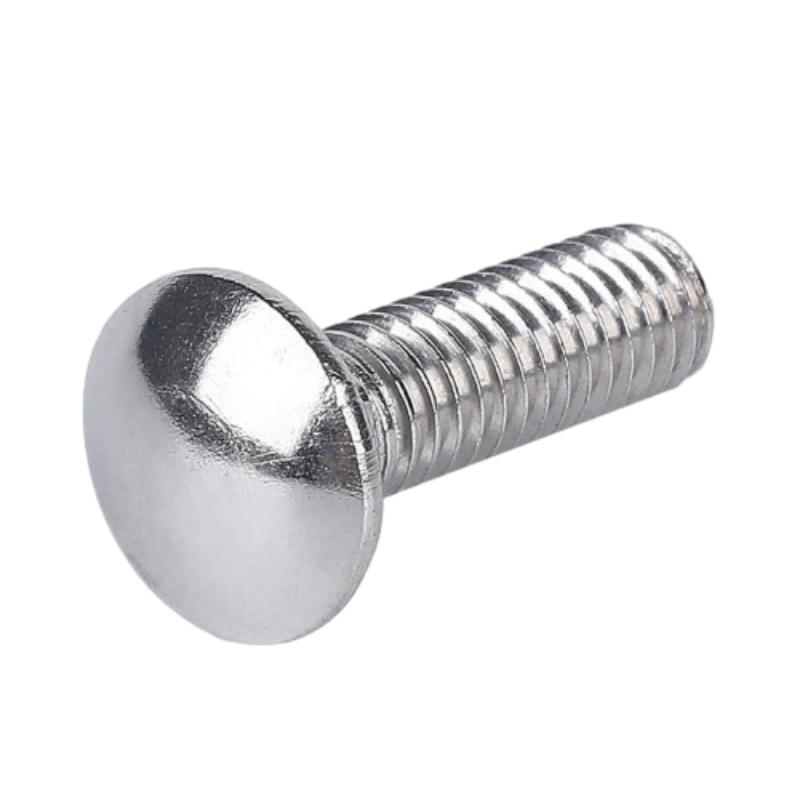
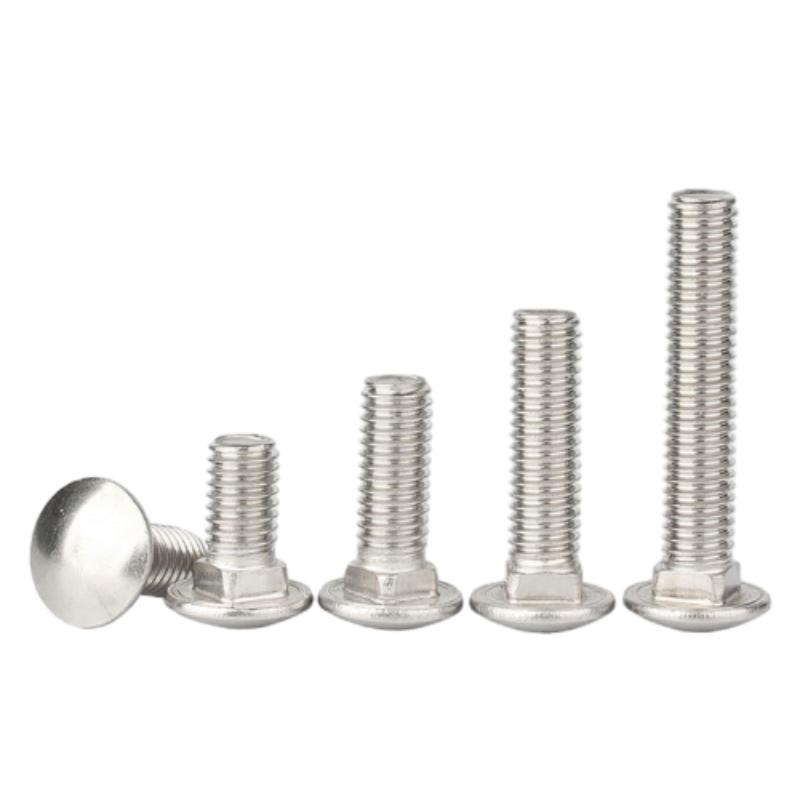
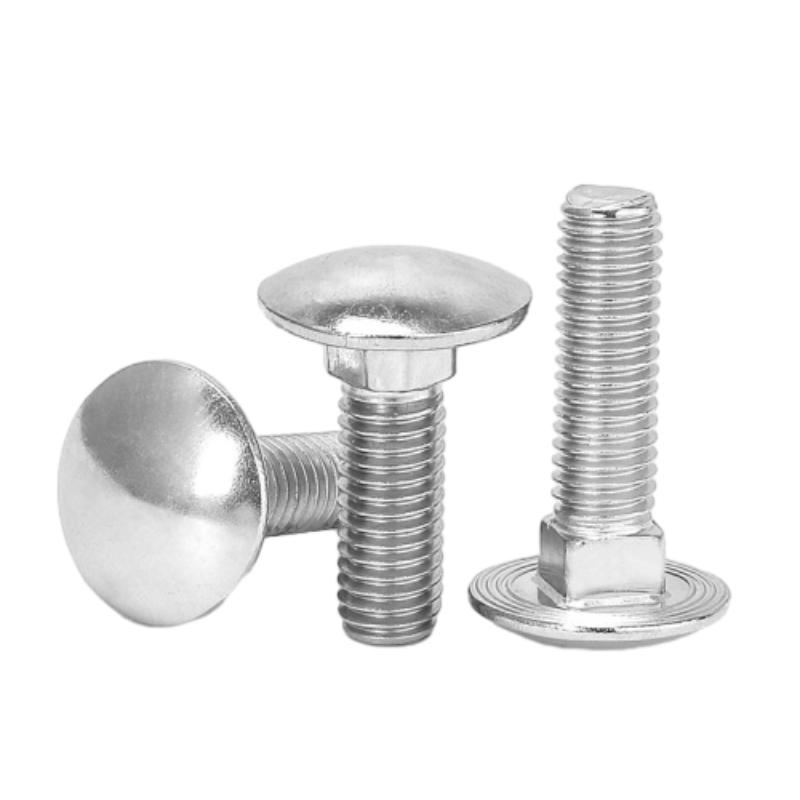
Carriage bolts, characterized by their round head and square neck, are designed to prevent rotation when the nut is tightened. Extra Large Head Carriage Bolts provide increased bearing surface, distributing the load over a wider area, which is crucial in softer materials or applications requiring higher clamping force without embedding.
| Parameter | Standard (Typical) | Value/Description |
|---|---|---|
| Material Grades | ASTM A307 Grade A, ASTM F593, DIN EN ISO 3506-1 | Low Carbon Steel, Stainless Steel (304/316), Alloy Steel |
| Tensile Strength (Min) | ASTM A307 Grade A | 60 ksi (414 MPa) for steel |
| Yield Strength (Min) | ASTM F593 (Group 1, Condition CW) | 50 ksi (345 MPa) for stainless steel |
| Thread Type | ANSI/ASME B1.1, ISO 261 | Unified National Coarse (UNC), Metric Coarse |
| Sizes (Diameter) | ASME B18.5, ISO 8677 | 1/4" to 1" (M6 to M24), custom available |
| Head Dimensions (Extra Large) | Custom, exceeding standard ASME B18.5 | Up to 3x standard head diameter for specific applications |
| Finishes | ASTM B695, ASTM B633 | Hot-dip Galvanized, Zinc Plated, Plain, PTFE/Xylan |
Diverse Application Scenarios and Target Industries
The versatility of robust fasteners, particularly Square Neck Bolts and Carriage Bolts, makes them indispensable across a multitude of industries. Their design, which includes the non-rotating square neck, offers unique advantages in assembly and performance, expanding the applications of different types of fasteners.
- Petrochemical and Energy: In critical infrastructure like oil refineries, gas pipelines, and power generation facilities, connections must withstand extreme temperatures, pressures, and corrosive chemicals. Fasteners crafted from specialized alloys provide superior corrosion resistance, contributing to energy saving by reducing maintenance and downtime, and ensuring structural integrity under harsh operational loads.
- Metallurgy and Heavy Manufacturing: Foundries, steel mills, and heavy equipment assembly lines require fasteners that can endure intense vibration, shock loads, and abrasive environments. The large bearing surface of Extra Large Head Carriage Bolts is particularly beneficial here, preventing pull-through in softer metal sheets or composite materials, crucial for industrial equipment assembly.
- Water Supply & Drainage Systems: For municipal water treatment plants, pumping stations, and large-scale irrigation projects, fasteners must offer exceptional corrosion resistance, often using stainless steel or specialized coatings to prevent degradation from water, chemicals, and soil. This extends the service life and ensures the reliability of vital infrastructure.
- Construction and Infrastructure: From timber framing to steel structures, bridges, and public utility installations, carriage bolts excel where a smooth finish on one side is needed, and anti-rotation is critical. The square neck bites into wood or a square hole in metal, allowing for single-sided tightening. This enhances assembly efficiency and structural safety.
- Transportation: In rail, automotive, and marine applications, these fasteners provide secure connections resistant to vibration and environmental factors. The robust design contributes to the overall safety and longevity of vehicles and vessels.
- Furniture Fasteners: While often associated with heavy industry, smaller dimension carriage bolts are also common furniture fasteners, providing strong, aesthetically pleasing connections where the head side is exposed. They are excellent for assembling wooden components where rotation needs to be prevented during tightening.
Technical Advantages and Performance Metrics
The selection of the correct fastener type, such as Square Neck Bolts, Carriage Bolts, or Extra Large Head Carriage Bolts, offers distinct technical advantages critical for the integrity and longevity of any assembly. These advantages directly impact performance, safety, and operational efficiency across various applications.
- Anti-Rotation Feature: The square neck design of carriage bolts embeds into the material (wood or a pre-punched square hole in metal), preventing the bolt from turning when the nut is tightened from the opposite side. This is invaluable in situations with restricted access or when a smooth, flush surface is desired on the head side, minimizing snag hazards and enhancing aesthetics.
- Enhanced Load Distribution: Extra Large Head Carriage Bolts, in particular, provide a significantly larger bearing surface under the head. This distributes the clamping force over a broader area, effectively reducing pressure on the joined components. This is critical when working with softer materials (e.g., plastics, wood, thin-gauge metals) to prevent crushing or pull-through, leading to more durable connections.
- Corrosion Resistance: Available in stainless steel grades (e.g., 304, 316) or with advanced coatings (e.g., hot-dip galvanized, PTFE), these fasteners offer superior corrosion resistance, essential in outdoor, marine, or chemical processing environments. This extends their service life, minimizes maintenance, and ensures structural integrity against environmental degradation.
- High Shear and Tensile Strength: Manufactured from high-strength steels and precisely heat-treated, these fasteners deliver impressive shear and tensile strengths, capable of withstanding significant static and dynamic loads. This makes them suitable for structural applications where reliable load transfer is paramount.
- Vibration Resistance: When paired with appropriate locking nuts or washers, the secure, non-rotating connection of carriage bolts contributes to excellent vibration resistance, maintaining joint integrity even in dynamic machinery or transportation applications.
- Cost-Effectiveness in Assembly: The single-sided installation capability significantly reduces labor costs and assembly time, especially in large-scale projects or complex structures. This operational efficiency is a key advantage for maximizing project profitability.
Comparative Performance: Standard vs. Extra Large Head Carriage Bolts
While both are types of fasteners designed for anti-rotation, the "Extra Large Head" variant provides distinct advantages in specific scenarios.
| Feature | Standard Carriage Bolt | Extra Large Head Carriage Bolt |
|---|---|---|
| Head Diameter (Relative) | Typically 1.5x shank diameter | Up to 3x shank diameter, customized for application |
| Bearing Surface | Standard | Significantly larger, reducing localized stress |
| Material Compatibility | Suitable for most materials (wood, metal) | Ideal for softer materials (composites, plastics, thin sheets) or when pull-through is a concern |
| Clamping Force Distribution | Concentrated over smaller area | Widely distributed, minimizing material deformation |
| Applications | General construction, furniture, light assembly | Heavy machinery, large timber structures, marine, signage, specialized composites |
Vendor Comparison and Customized Solutions
Choosing the right fastener vendor is as crucial as selecting the right fastener itself. In a competitive market, focusing on suppliers who offer proven expertise, comprehensive service, and tailored solutions can significantly impact project success and long-term cost-efficiency.
Key Considerations for Vendor Selection
- Certifications and Compliance: Reputable vendors hold certifications such as ISO 9001 (Quality Management), ISO 14001 (Environmental Management), and often product-specific certifications like CE marking or adherence to ASTM, ANSI, DIN standards. This demonstrates a commitment to quality and regulatory compliance.
- Experience and Expertise: Look for vendors with decades of experience in the fastener industry and a proven track record of supplying to target industries (e.g., petrochemical, metallurgy). Their technical team should be capable of providing in-depth guidance on material selection, fastener dimension, and application challenges.
- Quality Control and Testing: A strong vendor will have robust in-house quality control procedures, including material verification, dimensional inspection, mechanical testing, and corrosion resistance tests (e.g., salt spray). Transparency in providing material test reports (MTRs) is a strong indicator of trustworthiness.
- Customization Capabilities: For unique or demanding applications, the ability to provide customized solutions – altering fastener dimension, material grade, head style, thread type, or coating – is invaluable. This includes quick turnaround on custom orders and effective communication throughout the design and manufacturing process.
- Logistics and Lead Time: Efficient supply chain management, reliable lead times, and flexible fulfillment options (e.g., blanket orders, just-in-time delivery) are essential for managing project schedules and inventory.
Tailored Fastening Solutions
While standard types of fasteners meet many requirements, complex industrial applications often necessitate customized solutions. This could involve:
- Unique Geometries: Custom lengths, thread types, or specific head designs beyond standard catalog offerings.
- Specialized Materials: Rare or exotic alloys for extreme temperature, chemical resistance, or non-magnetic properties.
- Advanced Coatings: Multi-layer protective coatings for enhanced performance in specific aggressive environments, going beyond standard zinc or galvanization.
- Integrated Assemblies: Providing fasteners pre-assembled with washers or other components to streamline installation.
Application Case Studies
Case Study 1: Large-Scale Timber Bridge Construction
A civil engineering firm required robust, anti-rotation fasteners for a pedestrian bridge in a high-humidity environment. The primary challenge was to securely join large timber beams while ensuring a smooth surface on the visible side and preventing bolt rotation during assembly.
- Solution: Hot-dip galvanized Carriage Bolts (M20 x 300mm) were specified. The square neck bit firmly into the pre-drilled timber, allowing for secure tightening from the nut side without needing to hold the bolt head. The large, smooth head provided an aesthetic finish and prevented material pull-through.
- Outcome: The project benefited from expedited assembly time due to single-sided installation. The galvanization provided excellent corrosion resistance, projecting a service life of over 50 years for the connections, maintaining structural integrity and visual appeal in challenging weather conditions. Customer feedback highlighted the ease of fastener use and the reliability of the supplier's consistent quality.
Case Study 2: Assembly of High-Vibration Mining Equipment
A manufacturer of heavy-duty mining conveyors faced issues with loosening fasteners due to extreme vibration and impact loads. Standard hex bolts were failing, leading to costly downtime and increased maintenance.
- Solution: High-strength, alloy steel Extra Large Head Carriage Bolts with a specialized PTFE coating for enhanced corrosion resistance and vibration dampening were implemented. The large head significantly increased the bearing surface, distributing stress more effectively across the mounting plates, which were made of a slightly softer composite material. The square neck ensured that the bolt remained fixed even under intense vibrational loads.
- Outcome: The switch resulted in a 70% reduction in fastener-related failures over a 12-month period. The extended service life of the fasteners directly translated into substantial savings in maintenance costs and a significant increase in operational uptime. The manufacturer also appreciated the vendor's proactive support in selecting the optimal types of clips and fasteners for their demanding application.
Case Study 3: Furniture Assembly for Flat-Pack Systems
A global furniture retailer aimed to improve the assembly experience and durability of their flat-pack wooden furniture ranges. They needed a fastener that could be easily tightened by consumers without needing two wrenches and would provide a secure, visually appealing joint.
- Solution: Zinc-plated Square Neck Bolts (M6 x 50mm) were custom-designed to fit perfectly into pre-drilled square recesses in the wooden components. This ensured that once inserted, the bolt would not rotate.
- Outcome: Customer satisfaction surveys showed a significant increase in ease of assembly ratings. The furniture's structural integrity improved, reducing warranty claims related to loose joints. This specific fastener use case demonstrates how even in consumer goods, industrial-grade design principles lead to superior product quality and user experience. The smooth, rounded head also contributed to the furniture's clean aesthetic.
Trustworthiness and Support
Frequently Asked Questions (FAQ)
- Q: What is the primary benefit of an Extra Large Head Carriage Bolt?
A: The primary benefit is its significantly larger bearing surface, which distributes the clamping load over a wider area. This reduces localized stress, prevents pull-through in softer materials, and is ideal for applications requiring higher clamping force or where component deformation is a concern.
- Q: Can Square Neck Bolts be used in metal applications?
A: Yes, absolutely. While commonly associated with wood, Square Neck Bolts (Carriage Bolts) are effective in metal if the hole is punched or drilled square to match the neck, or if the material is soft enough for the square neck to embed upon tightening. This prevents rotation during assembly, making them versatile types of fasteners.
- Q: How do you ensure the corrosion resistance of your fasteners?
A: We offer fasteners in various corrosion-resistant materials like Stainless Steel 304 and 316. Additionally, we provide a range of protective coatings, including hot-dip galvanizing, zinc plating, and specialized finishes like PTFE (Teflon) or Xylan, all tested to relevant ASTM or ISO standards for salt spray resistance.
- Q: What are your typical lead times for custom fastener orders?
A: Lead times for custom orders can vary based on complexity, material availability, and order volume. For standard custom fasteners, it typically ranges from 4-8 weeks from design approval. We provide estimated lead times with each quote and maintain transparent communication throughout the production process to manage expectations effectively. Expedited options are available for critical projects.
Warranty and After-Sales Support
We stand behind the quality and performance of our fasteners. All products are backed by a comprehensive warranty against manufacturing defects and material failures, ensuring peace of mind for our clients. Our commitment extends beyond delivery, with dedicated after-sales support readily available. Our technical support team is equipped to assist with installation queries, material compatibility issues, and any performance concerns that may arise post-purchase, ensuring optimal fastener use in every application.
For detailed inquiries, technical specifications, or to discuss custom fastener solutions, please contact our expert sales and engineering teams. We are committed to providing the right fastening solution for your most demanding projects.
References
- ASTM International. "Annual Book of ASTM Standards." West Conshohocken, PA: ASTM International.
- ISO. "International Organization for Standardization Standards." Geneva, Switzerland: ISO.
- ASME. "Boiler and Pressure Vessel Code and B18 Fastener Standards." New York, NY: American Society of Mechanical Engineers.
- Blake, A. (1986). "What Every Engineer Should Know About Threaded Fasteners: Materials and Design." CRC Press.
- Kulak, G.L., Fisher, J.W., & Struik, J.A. (1987). "Guide to Design Criteria for Bolted and Riveted Joints." John Wiley & Sons.
Latest news
-
Essential Guide to ms15795 856 Fasteners Precision and Reliability
NewsApr.16,2026
-
High Precision ms15795 852 Fasteners for Aerospace Applications
NewsApr.09,2026
-
Comprehensive Guide to MS15795 848 Fasteners for Aerospace and Industrial Applications
NewsApr.07,2026
-
Comprehensive Guide to MS15795 846 Fasteners for Aerospace and Industrial Use
NewsApr.04,2026
-
Comprehensive Guide to MS15795 844 Fasteners for Aerospace and Defense Applications
NewsMar.31,2026
-
Comprehensive Guide to MS15795 842 Fasteners for Aerospace and Defense
NewsMar.28,2026
In industrial and construction applications, the critical role of robust mechanical connections cannot be overstated. From the structural integrity of bridges to the precise assembly of complex machinery, the appropriate fastener use is paramount. This article delves into the sophisticated world of industrial fasteners, focusing on Square Neck Bolts, Carriage Bolts, and Extra Large Head Carriage Bolts, highlighting their manufacturing processes, technical specifications, diverse application scenarios, and the strategic advantages they offer across various demanding sectors. Understanding the nuances of these components, including their specific fastener dimension and material properties, is crucial for engineers and procurement specialists seeking optimal performance and longevity in their projects.
The Manufacturing Process of High-Performance Fasteners
The creation of reliable industrial fasteners involves a meticulously controlled manufacturing process, ensuring each component meets stringent technical standards. For products like Square Neck Bolts, Carriage Bolts, and Extra Large Head Carriage Bolts, the journey from raw material to finished product is complex, demanding precision at every stage.
Product Materials and Initial Preparation
High-grade materials are fundamental to the durability and performance of any fastener. Common materials include carbon steel (e.g., Grade 5, Grade 8), alloy steel (e.g., 4140, 8630), and various stainless steels (e.g., 304, 316, 316L) chosen for their specific properties such as tensile strength, yield strength, and corrosion resistance. For applications demanding extreme conditions, exotic alloys like Inconel or Monel may be utilized. Raw material is typically sourced as wire rod or bar stock, which undergoes initial cleaning and inspection.
Core Manufacturing Processes
- Wire Drawing: The raw material is drawn through dies to reduce its diameter and achieve the precise fastener dimension required for cold forming. This process also enhances the material's mechanical properties.
- Cold Forging (Cold Heading): This is the primary method for forming bolt heads and initial shank shapes. Utilizing high-speed presses, wire is cut, and then repeatedly impacted in dies to form the desired head shape (e.g., round head with a square neck for carriage bolts, or an extra-large head). Cold forging increases material strength and improves grain flow, eliminating the need for extensive CNC machining for basic shapes.
- Thread Rolling: Instead of cutting threads, which removes material and can create stress risers, threads are typically rolled. This process uses dies to form the threads by displacing material, resulting in stronger, more fatigue-resistant threads compared to cut threads. This is crucial for load-bearing applications.
- Heat Treatment: To achieve specific mechanical properties such as hardness, tensile strength, and ductility, fasteners undergo various heat treatment processes like quenching, tempering, or annealing. This step is critical for meeting standards like ASTM A307, F593, or ISO 898-1 strength grades.
- Surface Finishing/Coating: To enhance corrosion resistance, appearance, and lubricity, fasteners are often coated. Common finishes include hot-dip galvanizing, zinc plating (clear, yellow, black), cadmium plating, phosphating, and specialized coatings like Xylan or PTFE for extreme environments (e.g., petrochemical, marine).
- Secondary Machining (CNC): For non-standard configurations, specialized features, or fine-tuning, CNC machining may be employed after primary forming. This allows for intricate designs and tight tolerances not achievable through forging alone.
Quality Control and Testing Standards
Adherence to international standards is non-negotiable. Fasteners undergo rigorous testing to ensure compliance with specifications such as ISO (e.g., ISO 4014, ISO 4017), ANSI/ASME (e.g., ASME B18.2.1), ASTM (e.g., ASTM A307, A193), and DIN standards. Testing includes:
- Mechanical Testing: Tensile strength, yield strength, hardness, proof load, and impact resistance.
- Dimensional Inspection: Verification of all critical dimensions and threads using calipers, micrometers, and ring/plug gauges.
- Material Composition: Spectrographic analysis to confirm alloy constituents.
- Corrosion Resistance: Salt spray testing for coated fasteners.
- Non-Destructive Testing (NDT): Magnetic particle inspection or eddy current testing for surface defects.
This rigorous quality assurance ensures a long service life, which, depending on environmental factors and material selection, can range from decades in stable environments to years in highly corrosive or high-stress applications.
Industry Trends and Technical Specifications
The fastener industry is continuously evolving, driven by demands for increased performance, sustainability, and efficiency. Current trends emphasize lightweighting, advanced corrosion protection, smart fastening solutions, and greater emphasis on sustainable manufacturing practices. Innovations in material science are introducing high-strength, low-weight alloys, while surface engineering is developing coatings that offer superior corrosion and wear resistance, extending the service life of connections even in harsh environments. The application of different types of fasteners and understanding their specific characteristics is vital for modern engineering challenges.
Key Technical Specifications for Carriage Bolts
Carriage bolts, characterized by their round head and square neck, are designed to prevent rotation when the nut is tightened. Extra Large Head Carriage Bolts provide increased bearing surface, distributing the load over a wider area, which is crucial in softer materials or applications requiring higher clamping force without embedding.
| Parameter | Standard (Typical) | Value/Description |
|---|---|---|
| Material Grades | ASTM A307 Grade A, ASTM F593, DIN EN ISO 3506-1 | Low Carbon Steel, Stainless Steel (304/316), Alloy Steel |
| Tensile Strength (Min) | ASTM A307 Grade A | 60 ksi (414 MPa) for steel |
| Yield Strength (Min) | ASTM F593 (Group 1, Condition CW) | 50 ksi (345 MPa) for stainless steel |
| Thread Type | ANSI/ASME B1.1, ISO 261 | Unified National Coarse (UNC), Metric Coarse |
| Sizes (Diameter) | ASME B18.5, ISO 8677 | 1/4" to 1" (M6 to M24), custom available |
| Head Dimensions (Extra Large) | Custom, exceeding standard ASME B18.5 | Up to 3x standard head diameter for specific applications |
| Finishes | ASTM B695, ASTM B633 | Hot-dip Galvanized, Zinc Plated, Plain, PTFE/Xylan |
Diverse Application Scenarios and Target Industries
The versatility of robust fasteners, particularly Square Neck Bolts and Carriage Bolts, makes them indispensable across a multitude of industries. Their design, which includes the non-rotating square neck, offers unique advantages in assembly and performance, expanding the applications of different types of fasteners.
- Petrochemical and Energy: In critical infrastructure like oil refineries, gas pipelines, and power generation facilities, connections must withstand extreme temperatures, pressures, and corrosive chemicals. Fasteners crafted from specialized alloys provide superior corrosion resistance, contributing to energy saving by reducing maintenance and downtime, and ensuring structural integrity under harsh operational loads.
- Metallurgy and Heavy Manufacturing: Foundries, steel mills, and heavy equipment assembly lines require fasteners that can endure intense vibration, shock loads, and abrasive environments. The large bearing surface of Extra Large Head Carriage Bolts is particularly beneficial here, preventing pull-through in softer metal sheets or composite materials, crucial for industrial equipment assembly.
- Water Supply & Drainage Systems: For municipal water treatment plants, pumping stations, and large-scale irrigation projects, fasteners must offer exceptional corrosion resistance, often using stainless steel or specialized coatings to prevent degradation from water, chemicals, and soil. This extends the service life and ensures the reliability of vital infrastructure.
- Construction and Infrastructure: From timber framing to steel structures, bridges, and public utility installations, carriage bolts excel where a smooth finish on one side is needed, and anti-rotation is critical. The square neck bites into wood or a square hole in metal, allowing for single-sided tightening. This enhances assembly efficiency and structural safety.
- Transportation: In rail, automotive, and marine applications, these fasteners provide secure connections resistant to vibration and environmental factors. The robust design contributes to the overall safety and longevity of vehicles and vessels.
- Furniture Fasteners: While often associated with heavy industry, smaller dimension carriage bolts are also common furniture fasteners, providing strong, aesthetically pleasing connections where the head side is exposed. They are excellent for assembling wooden components where rotation needs to be prevented during tightening.
Technical Advantages and Performance Metrics
The selection of the correct fastener type, such as Square Neck Bolts, Carriage Bolts, or Extra Large Head Carriage Bolts, offers distinct technical advantages critical for the integrity and longevity of any assembly. These advantages directly impact performance, safety, and operational efficiency across various applications.
- Anti-Rotation Feature: The square neck design of carriage bolts embeds into the material (wood or a pre-punched square hole in metal), preventing the bolt from turning when the nut is tightened from the opposite side. This is invaluable in situations with restricted access or when a smooth, flush surface is desired on the head side, minimizing snag hazards and enhancing aesthetics.
- Enhanced Load Distribution: Extra Large Head Carriage Bolts, in particular, provide a significantly larger bearing surface under the head. This distributes the clamping force over a broader area, effectively reducing pressure on the joined components. This is critical when working with softer materials (e.g., plastics, wood, thin-gauge metals) to prevent crushing or pull-through, leading to more durable connections.
- Corrosion Resistance: Available in stainless steel grades (e.g., 304, 316) or with advanced coatings (e.g., hot-dip galvanized, PTFE), these fasteners offer superior corrosion resistance, essential in outdoor, marine, or chemical processing environments. This extends their service life, minimizes maintenance, and ensures structural integrity against environmental degradation.
- High Shear and Tensile Strength: Manufactured from high-strength steels and precisely heat-treated, these fasteners deliver impressive shear and tensile strengths, capable of withstanding significant static and dynamic loads. This makes them suitable for structural applications where reliable load transfer is paramount.
- Vibration Resistance: When paired with appropriate locking nuts or washers, the secure, non-rotating connection of carriage bolts contributes to excellent vibration resistance, maintaining joint integrity even in dynamic machinery or transportation applications.
- Cost-Effectiveness in Assembly: The single-sided installation capability significantly reduces labor costs and assembly time, especially in large-scale projects or complex structures. This operational efficiency is a key advantage for maximizing project profitability.
Comparative Performance: Standard vs. Extra Large Head Carriage Bolts
While both are types of fasteners designed for anti-rotation, the "Extra Large Head" variant provides distinct advantages in specific scenarios.
| Feature | Standard Carriage Bolt | Extra Large Head Carriage Bolt |
|---|---|---|
| Head Diameter (Relative) | Typically 1.5x shank diameter | Up to 3x shank diameter, customized for application |
| Bearing Surface | Standard | Significantly larger, reducing localized stress |
| Material Compatibility | Suitable for most materials (wood, metal) | Ideal for softer materials (composites, plastics, thin sheets) or when pull-through is a concern |
| Clamping Force Distribution | Concentrated over smaller area | Widely distributed, minimizing material deformation |
| Applications | General construction, furniture, light assembly | Heavy machinery, large timber structures, marine, signage, specialized composites |
Vendor Comparison and Customized Solutions
Choosing the right fastener vendor is as crucial as selecting the right fastener itself. In a competitive market, focusing on suppliers who offer proven expertise, comprehensive service, and tailored solutions can significantly impact project success and long-term cost-efficiency.
Key Considerations for Vendor Selection
- Certifications and Compliance: Reputable vendors hold certifications such as ISO 9001 (Quality Management), ISO 14001 (Environmental Management), and often product-specific certifications like CE marking or adherence to ASTM, ANSI, DIN standards. This demonstrates a commitment to quality and regulatory compliance.
- Experience and Expertise: Look for vendors with decades of experience in the fastener industry and a proven track record of supplying to target industries (e.g., petrochemical, metallurgy). Their technical team should be capable of providing in-depth guidance on material selection, fastener dimension, and application challenges.
- Quality Control and Testing: A strong vendor will have robust in-house quality control procedures, including material verification, dimensional inspection, mechanical testing, and corrosion resistance tests (e.g., salt spray). Transparency in providing material test reports (MTRs) is a strong indicator of trustworthiness.
- Customization Capabilities: For unique or demanding applications, the ability to provide customized solutions – altering fastener dimension, material grade, head style, thread type, or coating – is invaluable. This includes quick turnaround on custom orders and effective communication throughout the design and manufacturing process.
- Logistics and Lead Time: Efficient supply chain management, reliable lead times, and flexible fulfillment options (e.g., blanket orders, just-in-time delivery) are essential for managing project schedules and inventory.
Tailored Fastening Solutions
While standard types of fasteners meet many requirements, complex industrial applications often necessitate customized solutions. This could involve:
- Unique Geometries: Custom lengths, thread types, or specific head designs beyond standard catalog offerings.
- Specialized Materials: Rare or exotic alloys for extreme temperature, chemical resistance, or non-magnetic properties.
- Advanced Coatings: Multi-layer protective coatings for enhanced performance in specific aggressive environments, going beyond standard zinc or galvanization.
- Integrated Assemblies: Providing fasteners pre-assembled with washers or other components to streamline installation.
Application Case Studies
Case Study 1: Large-Scale Timber Bridge Construction
A civil engineering firm required robust, anti-rotation fasteners for a pedestrian bridge in a high-humidity environment. The primary challenge was to securely join large timber beams while ensuring a smooth surface on the visible side and preventing bolt rotation during assembly.
- Solution: Hot-dip galvanized Carriage Bolts (M20 x 300mm) were specified. The square neck bit firmly into the pre-drilled timber, allowing for secure tightening from the nut side without needing to hold the bolt head. The large, smooth head provided an aesthetic finish and prevented material pull-through.
- Outcome: The project benefited from expedited assembly time due to single-sided installation. The galvanization provided excellent corrosion resistance, projecting a service life of over 50 years for the connections, maintaining structural integrity and visual appeal in challenging weather conditions. Customer feedback highlighted the ease of fastener use and the reliability of the supplier's consistent quality.
Case Study 2: Assembly of High-Vibration Mining Equipment
A manufacturer of heavy-duty mining conveyors faced issues with loosening fasteners due to extreme vibration and impact loads. Standard hex bolts were failing, leading to costly downtime and increased maintenance.
- Solution: High-strength, alloy steel Extra Large Head Carriage Bolts with a specialized PTFE coating for enhanced corrosion resistance and vibration dampening were implemented. The large head significantly increased the bearing surface, distributing stress more effectively across the mounting plates, which were made of a slightly softer composite material. The square neck ensured that the bolt remained fixed even under intense vibrational loads.
- Outcome: The switch resulted in a 70% reduction in fastener-related failures over a 12-month period. The extended service life of the fasteners directly translated into substantial savings in maintenance costs and a significant increase in operational uptime. The manufacturer also appreciated the vendor's proactive support in selecting the optimal types of clips and fasteners for their demanding application.
Case Study 3: Furniture Assembly for Flat-Pack Systems
A global furniture retailer aimed to improve the assembly experience and durability of their flat-pack wooden furniture ranges. They needed a fastener that could be easily tightened by consumers without needing two wrenches and would provide a secure, visually appealing joint.
- Solution: Zinc-plated Square Neck Bolts (M6 x 50mm) were custom-designed to fit perfectly into pre-drilled square recesses in the wooden components. This ensured that once inserted, the bolt would not rotate.
- Outcome: Customer satisfaction surveys showed a significant increase in ease of assembly ratings. The furniture's structural integrity improved, reducing warranty claims related to loose joints. This specific fastener use case demonstrates how even in consumer goods, industrial-grade design principles lead to superior product quality and user experience. The smooth, rounded head also contributed to the furniture's clean aesthetic.
Trustworthiness and Support
Frequently Asked Questions (FAQ)
- Q: What is the primary benefit of an Extra Large Head Carriage Bolt?
A: The primary benefit is its significantly larger bearing surface, which distributes the clamping load over a wider area. This reduces localized stress, prevents pull-through in softer materials, and is ideal for applications requiring higher clamping force or where component deformation is a concern.
- Q: Can Square Neck Bolts be used in metal applications?
A: Yes, absolutely. While commonly associated with wood, Square Neck Bolts (Carriage Bolts) are effective in metal if the hole is punched or drilled square to match the neck, or if the material is soft enough for the square neck to embed upon tightening. This prevents rotation during assembly, making them versatile types of fasteners.
- Q: How do you ensure the corrosion resistance of your fasteners?
A: We offer fasteners in various corrosion-resistant materials like Stainless Steel 304 and 316. Additionally, we provide a range of protective coatings, including hot-dip galvanizing, zinc plating, and specialized finishes like PTFE (Teflon) or Xylan, all tested to relevant ASTM or ISO standards for salt spray resistance.
- Q: What are your typical lead times for custom fastener orders?
A: Lead times for custom orders can vary based on complexity, material availability, and order volume. For standard custom fasteners, it typically ranges from 4-8 weeks from design approval. We provide estimated lead times with each quote and maintain transparent communication throughout the production process to manage expectations effectively. Expedited options are available for critical projects.
Warranty and After-Sales Support
We stand behind the quality and performance of our fasteners. All products are backed by a comprehensive warranty against manufacturing defects and material failures, ensuring peace of mind for our clients. Our commitment extends beyond delivery, with dedicated after-sales support readily available. Our technical support team is equipped to assist with installation queries, material compatibility issues, and any performance concerns that may arise post-purchase, ensuring optimal fastener use in every application.
For detailed inquiries, technical specifications, or to discuss custom fastener solutions, please contact our expert sales and engineering teams. We are committed to providing the right fastening solution for your most demanding projects.
References
- ASTM International. "Annual Book of ASTM Standards." West Conshohocken, PA: ASTM International.
- ISO. "International Organization for Standardization Standards." Geneva, Switzerland: ISO.
- ASME. "Boiler and Pressure Vessel Code and B18 Fastener Standards." New York, NY: American Society of Mechanical Engineers.
- Blake, A. (1986). "What Every Engineer Should Know About Threaded Fasteners: Materials and Design." CRC Press.
- Kulak, G.L., Fisher, J.W., & Struik, J.A. (1987). "Guide to Design Criteria for Bolted and Riveted Joints." John Wiley & Sons.
 English
  Afrikaans
  Arabic
  Bengali
  Bulgarian
  French
  German
  Hindi
Hindi  Indonesian
  Italian
  Japanese
  Korean
  Malay
Malay  Portuguese
  Russian
  Spanish
  Thai
Thai  Turkish
  Urdu
Urdu  Vietnamese