
Read More About Hebei Longze Metal Products Manufacturing Co., Ltd.
0%

Table of Contents

Automotive clips and fasteners are the unsung heroes of modern vehicles. We, as engineers and those on the shop floor, often overlook these small components, but their reliability is absolutely critical. From securing interior trim to holding vital engine components in place, these clips and fasteners ensure the safety, durability, and overall quality of every car on the road. A seemingly insignificant broken clip can lead to rattles, vibrations, and even potentially dangerous malfunctions. Understanding the nuances of these parts – the materials, manufacturing processes, and proper application – is paramount for anyone involved in automotive design, production, or repair.

The global automotive industry relies heavily on a consistent and dependable supply of high-quality automotive clips and fasteners. With vehicle production exceeding 85 million units annually (source: OICA), the demand is immense. Disruptions to the supply chain, substandard materials, or improper installation can have cascading effects, delaying production, increasing costs, and ultimately impacting vehicle performance and customer satisfaction. We've seen this firsthand, particularly in recent years with global events straining material availability and logistics.

The challenge isn’t just having enough clips and fasteners; it’s having the right ones. Different vehicles, different model years, even different trim levels, require specific fasteners. And with the increasing use of lightweight materials and complex designs, the demands on these components are constantly evolving. That’s why a deep understanding of standards like ISO 16014 and careful material selection are so important. I’ve spent countless hours troubleshooting issues caused by using the wrong fastener – it’s a costly and frustrating experience we need to avoid.
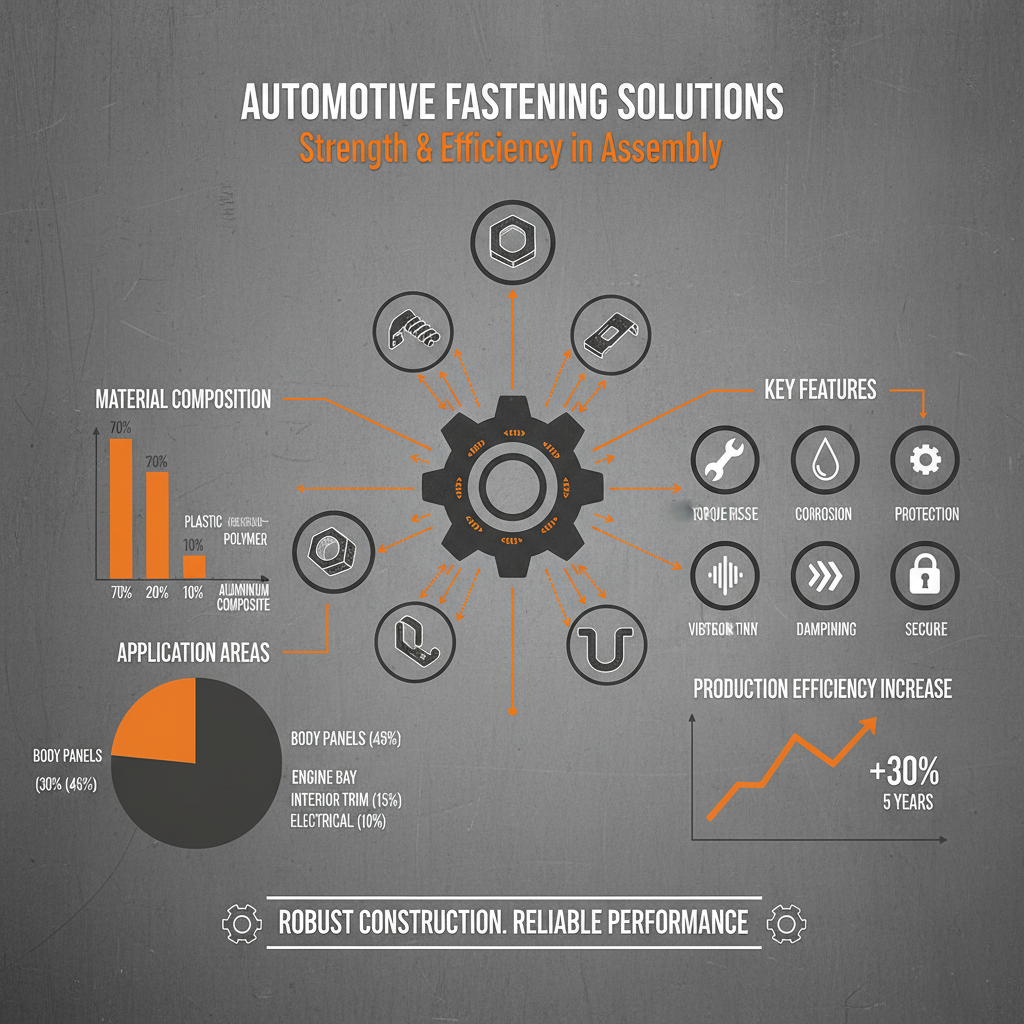
Understanding Automotive Clips and Fasteners for Vehicle Performance and Safety

The Core Principles of Automotive Clips and Fasteners

Understanding Automotive Clips and Fasteners for Vehicle Performance and Safety

At their heart, automotive clips and fasteners are about joining materials securely and reliably. But it’s more than just brute force. It’s about understanding stress distribution, material compatibility, and long-term durability. We’re constantly balancing cost, weight, and performance. A heavier fastener might be stronger, but adding weight impacts fuel efficiency, something manufacturers are extremely sensitive to. We're seeing a big push towards lighter materials like aluminum and plastics, which require specialized fasteners designed to prevent galvanic corrosion and maintain a tight grip. It's a constant engineering trade-off.

And it’s not just about the fastener itself. The installation process is equally important. Incorrect torque settings, damaged threads, or improper tooling can compromise the integrity of the joint. I’ve seen entire production lines halted because of a batch of incorrectly torqued fasteners. That's why proper training and quality control are so critical throughout the entire process – from design to installation.

Global Automotive Fastener Market Dynamics

The automotive fastener market is a multi-billion dollar industry, heavily influenced by global production volumes and the increasing complexity of vehicle designs. Asia-Pacific dominates the market, driven by the large-scale manufacturing operations in countries like China and India. But we're also seeing significant growth in other regions, particularly in Eastern Europe, as automotive production expands. Staying ahead of these trends requires a nimble supply chain and a keen understanding of regional regulations and standards.

The rise of electric vehicles (EVs) is also reshaping the market. EVs often require different types of fasteners compared to internal combustion engine (ICE) vehicles, particularly for battery pack assembly and thermal management systems. These fasteners need to be able to withstand higher temperatures and offer superior corrosion resistance.

Competition in this market is fierce. There are numerous manufacturers globally, and price pressure is constant. To succeed, companies need to focus on innovation, quality, and customer service. Simply offering the lowest price isn’t enough – you need to provide reliable products and technical support.

Defining Automotive Clips and Fasteners

Automotive clips and fasteners encompass a broad range of components used to join various parts of a vehicle. This includes threaded fasteners like bolts and screws, non-threaded fasteners like rivets and pushpins, and specialized clips designed for specific applications, such as hose clamps and panel retainers. Essentially, anything that mechanically joins two or more automotive parts falls under this umbrella.

Their connection to modern industry isn’t just about building cars; it's about ensuring the reliability of complex systems. Think about the safety implications – a failed fastener in a braking system is unthinkable. It’s about upholding the standards that allow us to transport people and goods safely and efficiently.

The evolution of these components mirrors the advancements in automotive engineering. As vehicles become more sophisticated, so too do the demands on their fasteners. We’re moving beyond simple joining methods and embracing intelligent fastening solutions that offer real-time monitoring and improved performance.

Key Factors Influencing Automotive Fastener Performance

Durability is paramount. These fasteners need to withstand extreme temperatures, vibrations, and exposure to harsh chemicals. Material selection plays a crucial role here – high-strength steel alloys, stainless steel, and engineered plastics are common choices.

Corrosion resistance is another critical factor. Road salt, humidity, and other environmental factors can quickly degrade fasteners, leading to failure. Coatings like zinc plating, galvanizing, and powder coating are used to protect against corrosion.

Automotive Fastener Performance Metrics


Applications Across Vehicle Systems

You’ll find automotive clips and fasteners used in virtually every system of a vehicle. Engine components rely on high-strength bolts and studs to withstand immense stress. Body panels are secured with clips, screws, and rivets. Interior trim is held in place with pushpins and retainers. Even seemingly minor components like wiring harnesses utilize clips and ties to keep cables organized and prevent chafing.

The specific type of fastener used depends on the application’s requirements. For example, suspension systems require fasteners that can withstand constant vibration and impact, while exhaust systems need fasteners that can resist high temperatures and corrosive gases.

Advantages of Optimized Automotive Fastener Solutions

Optimized fastener solutions translate directly into improved vehicle quality and reliability. Using the right fastener for the job reduces the risk of failures, extends component lifespan, and enhances overall safety.

Beyond reliability, there are also cost benefits. A well-engineered fastener can streamline assembly processes, reduce rework, and minimize warranty claims. Investing in high-quality fasteners upfront can save manufacturers significant money in the long run.

And let's not forget the impact on sustainability. Lightweight fasteners contribute to improved fuel efficiency, reducing emissions. The use of recyclable materials and durable designs also minimizes waste.

Future Trends and Innovation in Automotive Fasteners

We’re seeing a growing trend towards smart fasteners – components equipped with sensors that can monitor torque, temperature, and other critical parameters. This data can be used to optimize assembly processes, detect potential failures, and improve predictive maintenance.

Another area of innovation is self-locking fasteners, which eliminate the need for secondary locking devices like lock washers or thread lockers. These fasteners simplify assembly and improve joint reliability.

The development of new materials, such as high-strength aluminum alloys and advanced polymers, is also driving innovation. These materials offer improved performance characteristics and contribute to lightweighting efforts.

Key Performance Indicators for Automotive Fastener Solutions

Fastener Type Material Composition Corrosion Resistance (1-10) Application Area
Bolt (Hex Head) High-Strength Steel Alloy 8 Engine Block Mounting
Screw (Pan Head) Stainless Steel 9 Interior Trim Attachment
Rivet (Pop) Aluminum 6 Body Panel Joining
Clip (Panel Retainer) Polypropylene 5 Interior Door Panel
Stud (Welded) Carbon Steel 7 Exhaust System Flange
Pushpin (Plastic) Nylon 4 Underbody Shielding

FAQS

What's the biggest mistake people make when selecting automotive fasteners?

Too often, folks focus solely on cost and don't consider the application's specific requirements. Using a fastener that's not rated for the temperature, vibration, or corrosion exposure can lead to premature failure and costly repairs. Always check the specifications and ensure compatibility with the materials being joined. It's a bit more upfront, but saves headaches later.

How do you prevent galvanic corrosion when using dissimilar metals?

Galvanic corrosion is a real concern. The key is to isolate the dissimilar metals using non-conductive materials or coatings. Using compatible fasteners – like stainless steel with aluminum – can also help. Sacrificial anodes are another option, corroding instead of the primary metals. It’s about understanding the electrochemical series.

What are the benefits of using torque-controlled fasteners?

Torque control is critical for ensuring a proper clamp load and preventing joint failure. Under-torqued fasteners can loosen over time, while over-torqued fasteners can be damaged. Using calibrated torque wrenches and following manufacturer’s specifications are essential for maintaining joint integrity. It’s a small step with a huge impact on reliability.

How important are fastener coatings, and what types are commonly used?

Coatings are vital for protecting fasteners from corrosion and wear. Zinc plating is common for its cost-effectiveness, while galvanizing offers superior corrosion resistance. Powder coating provides a durable, aesthetically pleasing finish. The choice depends on the application and the expected environmental exposure.

What role do fasteners play in vehicle safety and crashworthiness?

Fasteners are integral to vehicle safety. They secure critical components like brakes, suspension, and safety cages. During a crash, these fasteners must withstand immense forces to maintain structural integrity and protect occupants. That’s why rigorous testing and quality control are non-negotiable.

Are there any new materials being developed for automotive fasteners?

Absolutely! We're seeing a lot of research into advanced high-strength steels, lightweight aluminum alloys, and composite materials. These new materials offer improved strength-to-weight ratios and corrosion resistance. There’s also work being done on self-healing fasteners that can repair minor damage and extend their lifespan.

Conclusion

In conclusion, automotive clips and fasteners may seem like small parts, but they are absolutely vital to the performance, safety, and reliability of every vehicle. Understanding the principles of material selection, corrosion resistance, torque control, and innovative technologies is crucial for anyone involved in the automotive industry. From optimizing assembly processes to minimizing warranty claims, the benefits of investing in quality fasteners are undeniable.

Looking ahead, we can expect to see continued innovation in this field, driven by the demand for lighter, stronger, and more durable vehicles. Embracing new materials, smart fastening solutions, and advanced manufacturing techniques will be key to meeting the challenges of the future. For reliable automotive clips and fasteners, a commitment to quality and a deep understanding of engineering principles are essential.

Michael Evans

Michael Evans

Michael Evans serves as the Quality Control Manager at LongZe. He ensures that every fastener and bracket accessory meets our stringent quality standards. Michael has been with LongZe since 2012, starting as a quality inspector and steadily rising through the ranks. He's a firm believer in preventative quality control measures
Previous The Critical Role of Automotive Fasteners in Vehicle Safety and Performance
Next The Vital Role of Auto Fasteners in Modern Industries and Infrastructure

Need Help?
Drop us a message using the form below.

en_USEnglish