Look, after years spent crawling around construction sites, getting dust in my teeth, and arguing with engineers over specs, one thing’s clear: reliable fastening isn’t glamorous, but it’s everything. If your anchor fastener 12mm fails, it doesn’t matter how brilliant the design is, how perfect the concrete pour was. The whole thing comes down. That’s why understanding the nuances of these little guys – the anchor fastener 12mm – isn’t just about choosing the right product; it’s about ensuring safety, longevity, and frankly, preventing a whole lot of headaches. It’s the foundational element that allows us to build bigger, stronger, and more resilient structures.
The global construction market is massive – we’re talking trillions of dollars annually. And within that, demand for reliable anchors, particularly anchor fastener 12mm, is consistently high. The UN estimates a need for 96 million housing units by 2030 to keep pace with urbanization (UN Habitat Report, 2021). That’s a lot of concrete and a lot of anchors. But it’s not just about volume. We're seeing a shift towards more complex construction projects, demanding higher-performance materials and fastening systems. We also constantly deal with supply chain disruptions, making securing a consistent supply of quality anchor fastener 12mm a critical challenge.
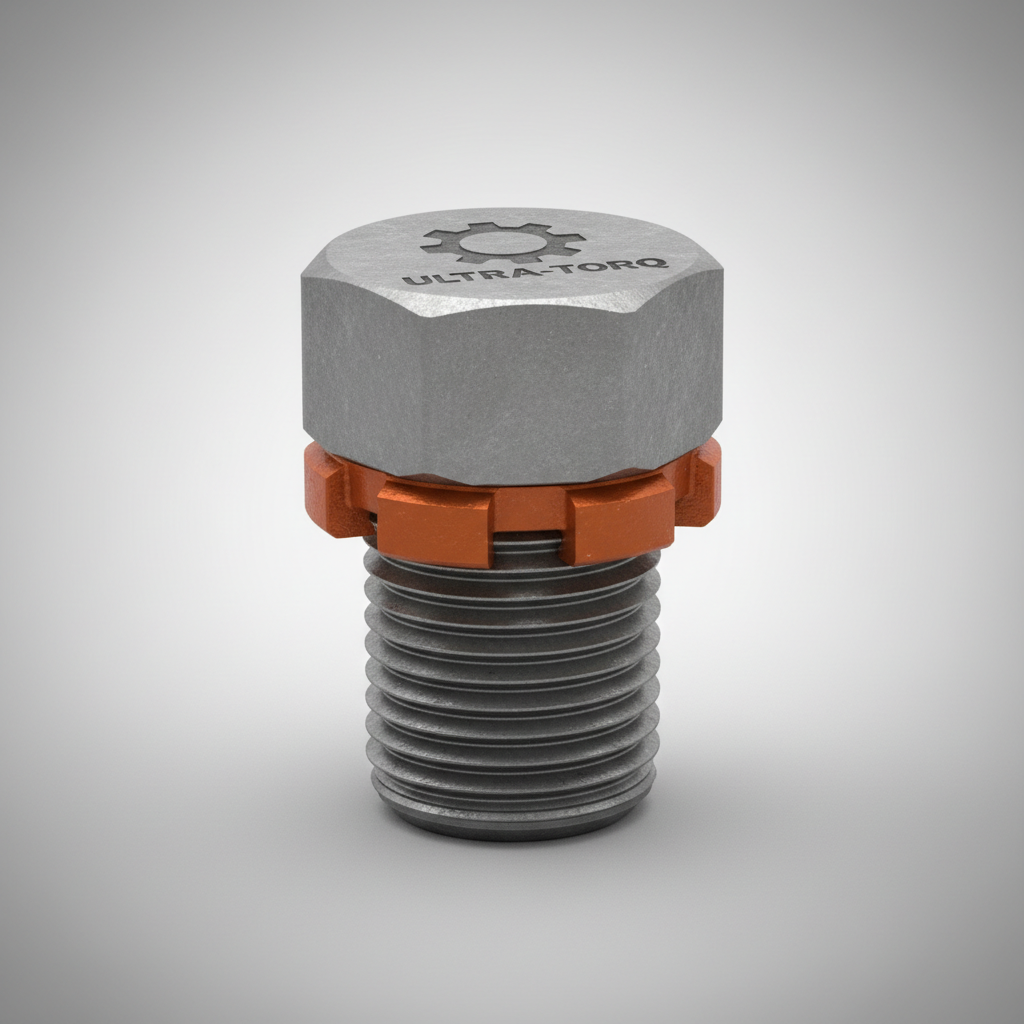
Essentially, an anchor fastener 12mm is a mechanical device designed to transfer structural loads from building elements to a concrete foundation. It's a deceptively simple concept, but the engineering behind it is substantial. They come in various types – wedge, sleeve, undercut, chemical – each with its own strengths and weaknesses. But the 12mm diameter is a sweet spot; it’s robust enough for a lot of applications yet remains relatively easy to install. It’s the workhorse of the construction world, frankly. This isn't just about holding things up; it’s about building infrastructure that supports modern life – hospitals, schools, bridges – all rely on solid anchoring.
The Importance of anchor fastener 12mm in Modern Construction
I've seen projects delayed, budgets blown, and even structures compromised because someone skimped on the anchors. The anchor fastener 12mm isn’t a glamorous component, but it’s the linchpin of so much of what we build. It directly impacts safety, durability, and the overall cost-effectiveness of a project. We need to be choosing these things wisely.
Think about large-scale infrastructure projects – bridges, tunnels, high-rise buildings. The sheer forces at play demand anchoring solutions that can withstand immense stress and environmental factors. The anchor fastener 12mm, when properly specified and installed, provides that critical support. It’s a foundation, literally and figuratively.
Defining the anchor fastener 12mm: A Practical Overview
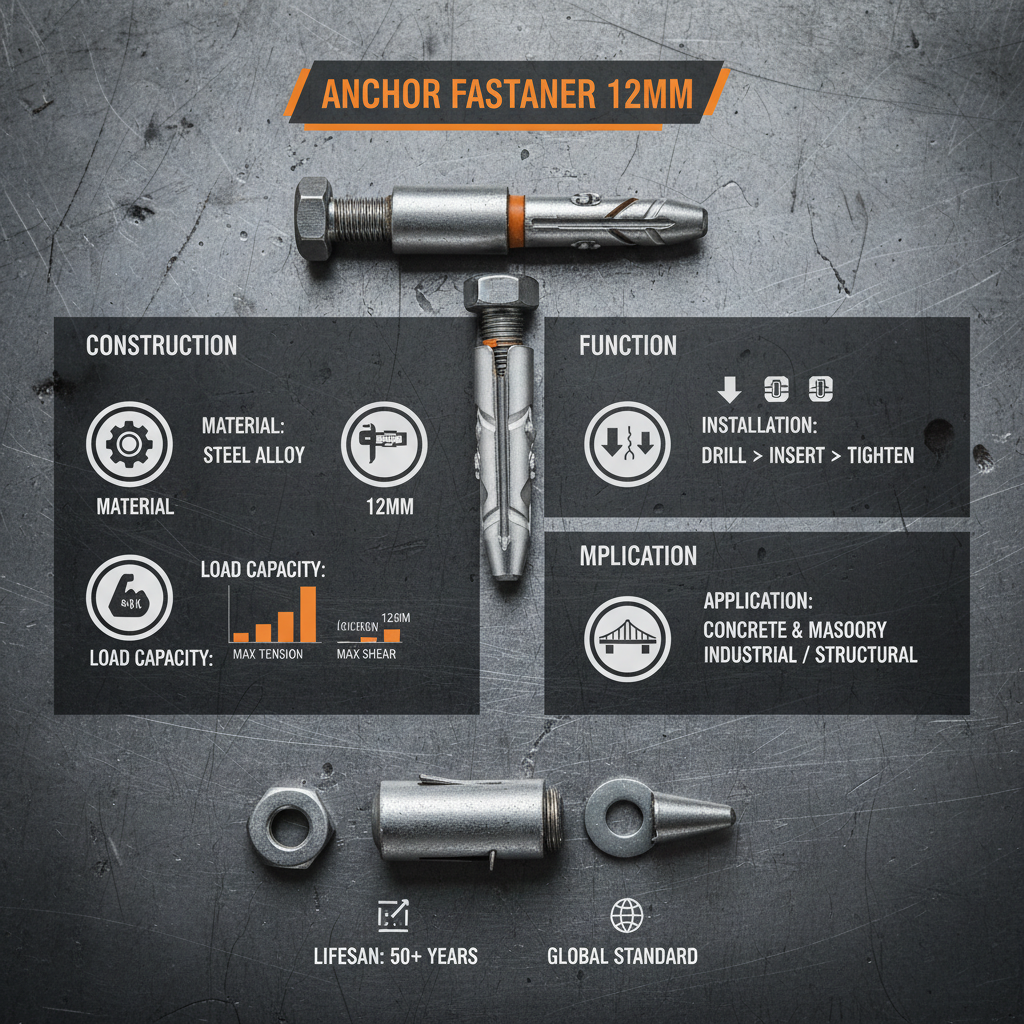
Okay, let's get down to brass tacks. An anchor fastener 12mm refers to a fastening element with a nominal diameter of 12 millimeters used to securely attach objects to a concrete base. This isn’t just about the diameter, though. It’s about the system – the anchor itself, the embedment depth, the torque applied during installation. All these factors contribute to the overall holding capacity. It’s rarely just a single component in isolation.
There are different types, as I said, each suited to specific applications. Wedge anchors are good for heavy-duty static loads. Sleeve anchors are versatile for lighter loads. Chemical anchors use a resin to bond the anchor to the concrete, offering high load capacity but requiring more precise installation. The 12mm size is a common one because it provides a good balance between strength and ease of use.
Understanding these different types, and their limitations, is crucial. You wouldn’t use a sleeve anchor to hang a structural steel beam, just like you wouldn't use a wedge anchor for a lightweight curtain rail. It's about matching the tool to the job, and that requires knowledge and experience.
Key Characteristics of High-Quality anchor fastener 12mm
From my experience on site, the first thing I look for is material quality. You want a high-grade steel – typically stainless steel or zinc-plated carbon steel – to resist corrosion and ensure long-term durability. Cheap anchors rust, expand, and lose their holding power. That's a recipe for disaster. The anchor fastener 12mm must meet relevant ISO standards for strength and material composition.
Secondly, the precision of the manufacturing process is critical. Threads need to be clean and consistent, and the anchor body needs to be free of defects. Poorly manufactured anchors can strip easily during installation or fail under load. I’ve seen it happen too many times. A consistent dimension of the anchor fastener 12mm is key to a successful installation.
Finally, consider the coating. A good coating provides a barrier against corrosion, especially in harsh environments. Look for coatings that meet industry standards for salt spray resistance. It’s an extra cost upfront, but it can save you a fortune in repairs and replacements down the line.
Performance Metrics for anchor fastener 12mm
We don’t just throw these things in and hope for the best. There’s a lot of testing and data involved. Key metrics include tensile strength (how much pull-out force it can withstand), shear strength (how much side-to-side force it can withstand), and embedment depth (how deep it needs to be installed). These values are determined through rigorous testing.
Understanding these metrics is crucial for engineers and installers. They need to ensure that the selected anchor fastener 12mm can handle the anticipated loads and stresses. It's not enough to just pick an anchor that looks strong; you need to verify its performance based on published data.
Anchor fastener 12mm Performance Comparison
Global Applications of anchor fastener 12mm
You’ll find anchor fastener 12mm everywhere. In the US, they're crucial for retrofitting older buildings to meet seismic codes. In Europe, they’re used extensively in the construction of high-speed rail lines. In developing countries, they’re vital for building affordable housing and critical infrastructure. The need for a reliable anchor fastener 12mm is truly universal.
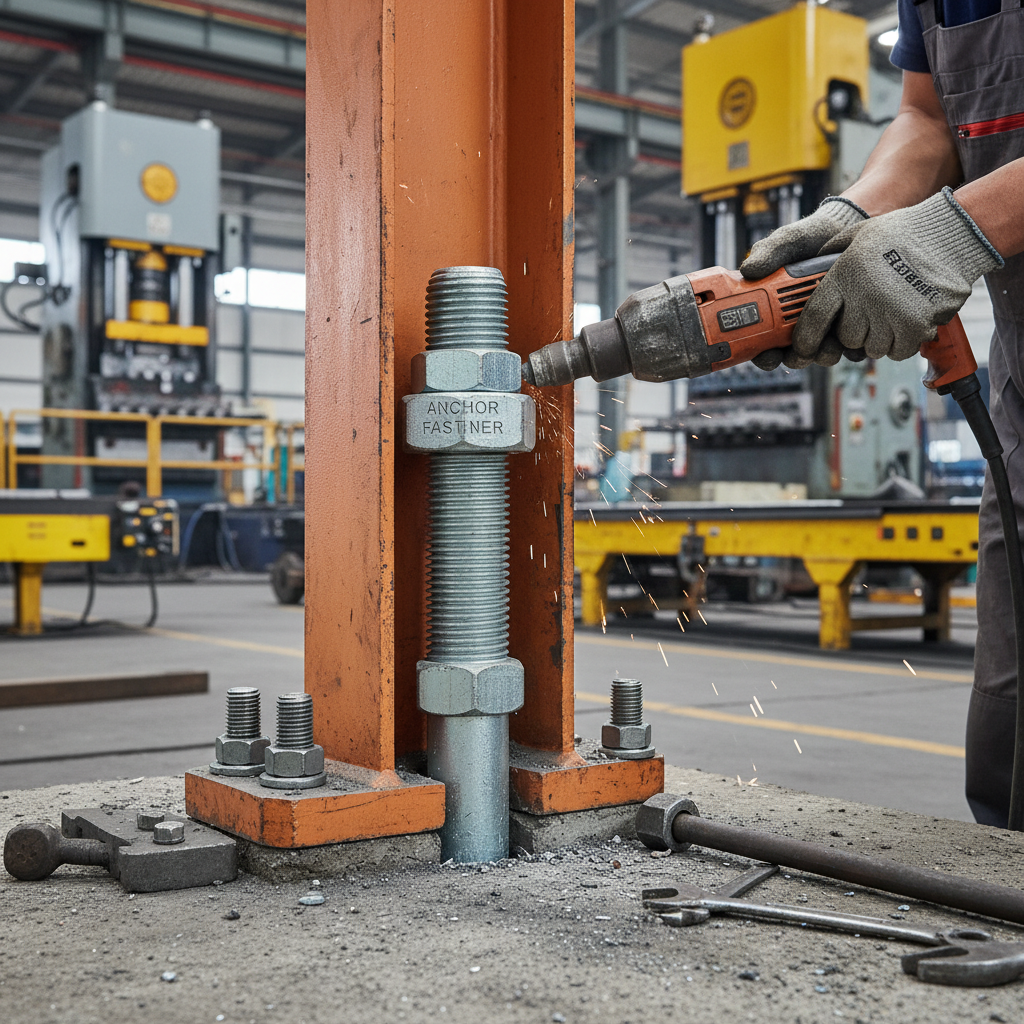
I’ve seen them used in everything from attaching facade panels to concrete walls to securing machinery to industrial floors. They're also essential in marine applications, where they need to withstand constant exposure to saltwater and harsh weather. They are versatile and reliable.
The Long-Term Value of Investing in Reliable anchor fastener 12mm
Look, I know everyone’s trying to save money on a project. But cutting corners on anchors is a false economy. A failure, even a minor one, can lead to costly repairs, delays, and even safety hazards. Investing in high-quality anchor fastener 12mm upfront is an investment in peace of mind.
It's about long-term durability and minimizing the risk of future problems. It's also about protecting your reputation. As a contractor, your name is on the line. You want to be known for building things that last, and that starts with using the right materials.
Beyond cost savings, using reliable anchors contributes to more sustainable construction practices. Fewer repairs and replacements mean less waste and a smaller environmental footprint. That's something we should all be striving for.
Future Trends and Innovations in anchor fastener 12mm Technology
We’re starting to see some exciting developments in anchor technology. Smart anchors with embedded sensors that monitor load and stress are on the horizon. These will allow for real-time assessment of structural integrity. Also, there’s a lot of research going into new materials and coatings that offer even greater corrosion resistance and strength.
There’s also a growing focus on sustainability. Manufacturers are exploring the use of recycled materials and developing more eco-friendly production processes. This aligns with the industry’s broader push towards green building practices.
And automation is playing a bigger role. Robotic installation systems are becoming more common, improving efficiency and accuracy. These advancements will undoubtedly shape the future of anchor fastener 12mm technology.
Summary of Key Challenges and Potential Solutions Regarding anchor fastener 12mm
| Challenge |
Impact on anchor fastener 12mm |
Potential Solution |
Implementation Cost (1-10) |
| Corrosion in Marine Environments |
Reduced anchor lifespan and structural integrity |
Utilize stainless steel anchors with advanced coatings |
7 |
| Improper Installation Techniques |
Compromised load-bearing capacity and potential failure |
Mandatory installer training and certification programs |
5 |
| Supply Chain Disruptions |
Delays in project completion and increased costs |
Diversify sourcing and build strategic partnerships with suppliers |
6 |
| Lack of Standardization |
Inconsistent performance and compatibility issues |
Promote adherence to international standards and quality control processes |
4 |
| Difficulty in Inspection |
Potential for undetected flaws and failures |
Implement non-destructive testing methods and visual inspection protocols |
8 |
| Cost Pressure |
Compromising quality to meet budget constraints |
Life-cycle cost analysis to demonstrate long-term benefits of quality anchors |
3 |
FAQS
The appropriate embedment depth for a 12mm anchor fastener depends on several factors, including the type of anchor, the concrete strength, and the anticipated load. Generally, you'll want to refer to the manufacturer's specifications and relevant building codes. A good rule of thumb is to have at least 5-8 times the anchor diameter as embedment depth, but this is just a starting point. Improper embedment can significantly reduce holding capacity and lead to failure.
Wedge anchors are typically used for heavier, static loads and provide excellent holding power. They require a pre-drilled hole and are expanded by tightening a nut. Sleeve anchors are more versatile and can be used in a wider range of applications, including lighter loads and cracked concrete. They're also expanded by tightening a nut, but the expansion mechanism is different. Consider the specific load requirements and concrete conditions when making your choice.
Proper torque is absolutely critical for achieving the designed load capacity of an anchor fastener 12mm. Under-torquing can result in insufficient expansion and reduced holding power. Over-torquing can damage the anchor or the concrete. Always use a calibrated torque wrench and follow the manufacturer's recommendations for the specific anchor type. Torque specifications are typically provided in the anchor's technical data sheet.
Yes, but you need to select anchors specifically designed and tested for seismic applications. These anchors typically have features that allow them to withstand cyclic loading and maintain their holding power during an earthquake. Look for anchors that meet the requirements of relevant seismic codes, such as ICC-ES AC308. Proper installation is even more critical in seismic zones.
Corrosion can significantly reduce the lifespan and performance of anchor fastener 12mm. To prevent corrosion, use stainless steel anchors or carbon steel anchors with a high-quality protective coating, such as hot-dip galvanization or epoxy powder coating. In particularly harsh environments, consider using chemical anchors with corrosion-resistant resins. Avoid using dissimilar metals, which can accelerate corrosion.
Always wear appropriate personal protective equipment (PPE), including safety glasses, gloves, and a dust mask. Use a hammer drill with the correct drill bit size and ensure that the hole is clean before inserting the anchor. Be careful not to damage the concrete during drilling. Follow the manufacturer's instructions carefully and avoid applying excessive force during installation. Always be aware of your surroundings and potential hazards on the construction site.
Conclusion
Ultimately, the anchor fastener 12mm is a deceptively simple, but incredibly important component of modern construction. It's a foundation of safety, durability, and long-term reliability. Choosing the right anchor, understanding its limitations, and ensuring proper installation are critical for success. Don’t underestimate its role.
As we move forward, expect to see continued innovation in anchor technology – smarter anchors, more sustainable materials, and more efficient installation methods. Staying informed about these advancements will be essential for contractors, engineers, and anyone involved in the construction industry. For reliable, high-quality anchor fastener 12mm solutions, visit our website: www.lzfasteners.com






 English
  Afrikaans
  Arabic
  Bengali
  Bulgarian
  French
  German
  Hindi
Hindi  Indonesian
  Italian
  Japanese
  Korean
  Malay
Malay  Portuguese
  Russian
  Spanish
  Thai
Thai  Turkish
  Urdu
Urdu  Vietnamese